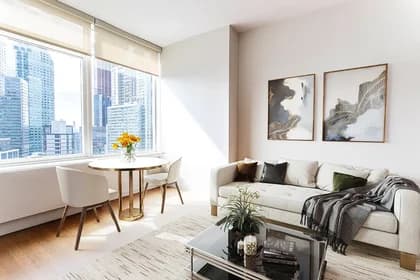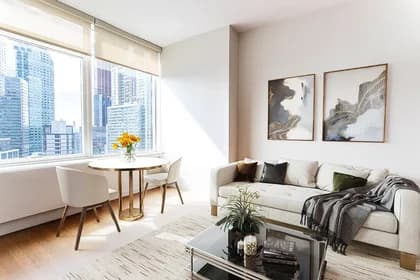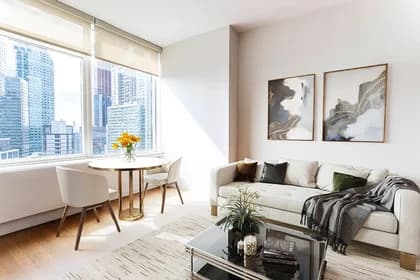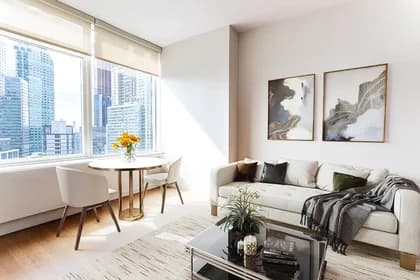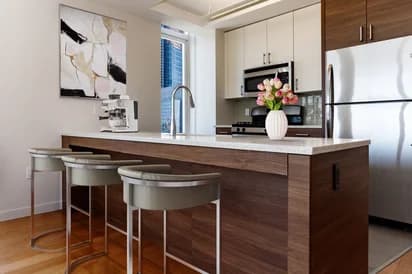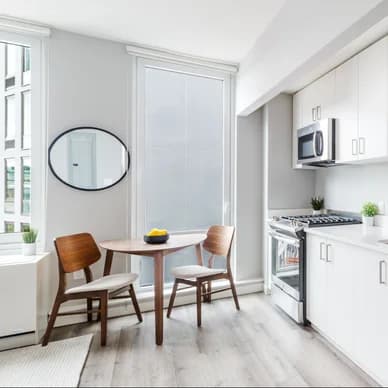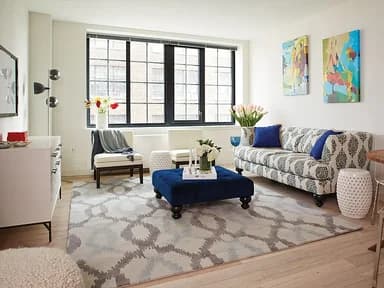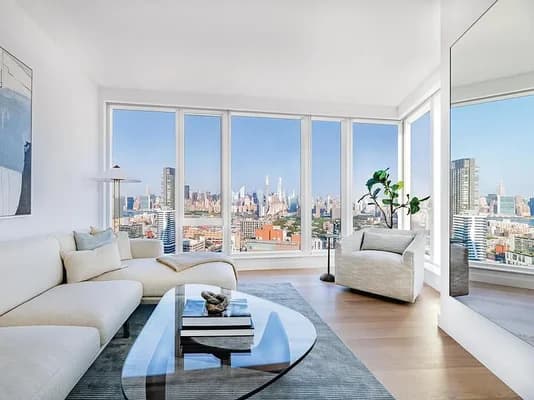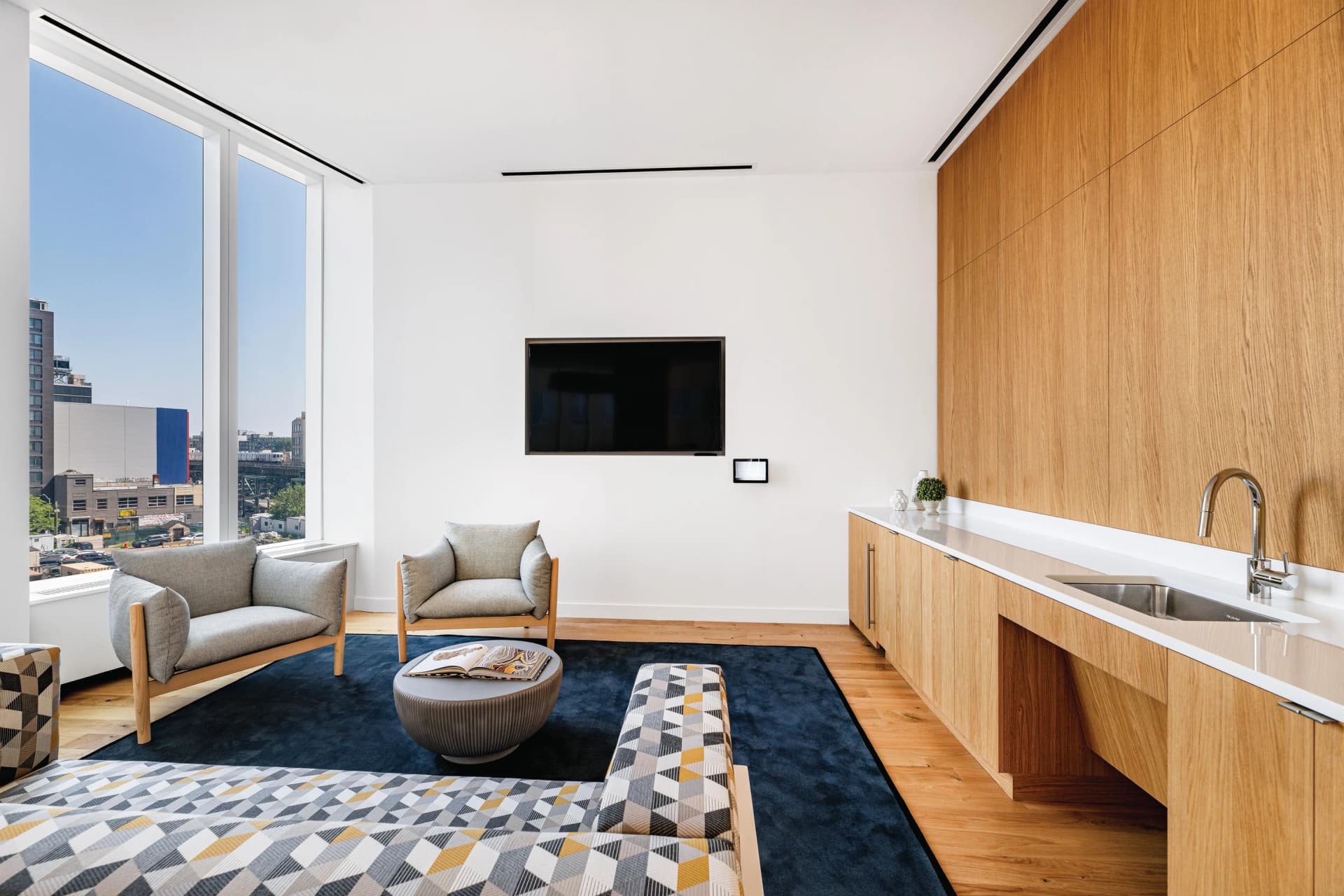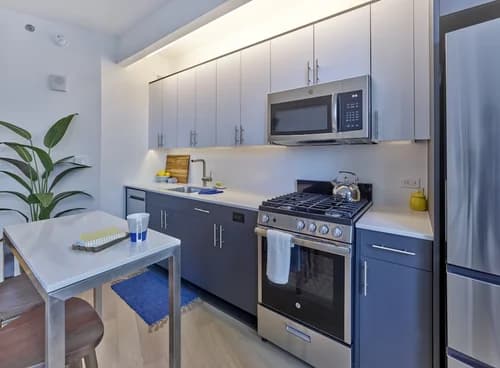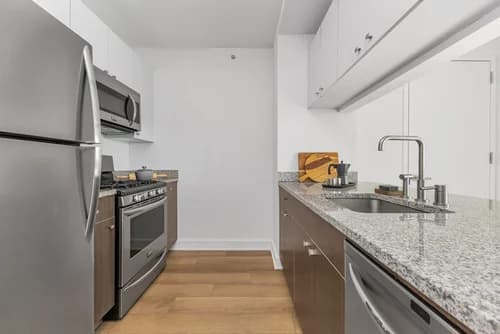

Rent-stabilized 1-bedroom apartments for rent in Long Island City
Long Island City has 1-bedrooms and 2-bedrooms among the most common unit types, and this page shows 57 apartments for rent in the neighborhood. If you are focused on a 1-bedroom search, that bedroom mix can help you gauge how competitive the current inventory may be. Long Island City has an average building rating of 4.1/5 across 31 rated buildings, an average tenancy length of 11.3 months based on 35 relisted units, and an average rent increase of 0.0% based on 210 relisted units (building-level trends; individual units can differ)
Find 57 rent-stabilized 1-bedroom apartments for rent in Long Island City, Queens. Use this page to narrow by bedroom count and rent-stabilized status while checking what is currently available in the neighborhood. Openigloo helps you compare renter-focused signals like building reviews and tenancy patterns before you apply. Rent-stabilized means regulated rent increases and renewal protections, but you should still confirm the lease terms, building rules, and any fees that apply to the unit.
Loading listings…
What to check when comparing 1-bedroom rent-stabilized apartments in Long Island City, Queens
- This page is limited to 1-bedroom apartments for rent in Long Island City with rent-stabilized status.
- Expect a median rent of $4,689, so budget for the asking rent and any extra move-in costs.
- Rent-stabilized can still come with fees, required paperwork, or building-specific lease rules.
- Check building reviews and relisted-unit patterns to see how the property has treated past renters.
- Confirm whether the unit has broker fees, a security deposit, or utility charges before you apply.