

Cobble Hill vs. Gowanus: which neighborhood is right for you?
Choosing between Cobble Hill and Gowanus can be essential when looking for apartments in Brooklyn. Cobble Hill currently has a median rent of $6,131, whereas Gowanus presents a more affordable option with a median rent of $4,411. The substantial difference makes it crucial to consider both neighborhoods' offerings based on lifestyle, value for rent, and personal priorities. When comparing Cobble Hill to Gowanus, prospective renters will find not only a difference in rent but also in available listings, with 10 active listings in Cobble Hill compared to 77 in Gowanus. This notable variation should prompt consideration into availability and competition during your apartment search. Throughout this article, we'll examine aspects like living conditions, building quality, and tenant feedback to help you decide which neighborhood aligns best with your needs—financially and practically. Use these insights to confidently navigate the rental market in Cobble Hill and Gowanus.
Quick verdict
Gowanus may offer a more attractive option for renters focused on budget considerations, thanks to its median rent of $4,411 compared to Cobble Hill's $6,131. This significant price difference of $1,720 encourages prospective tenants to weigh the financial benefits against what each neighborhood has to offer in terms of lifestyle and amenities.
Cobble Hill, while more expensive, provides a different living experience in Brooklyn with a focus on residential charm and historic architecture. In contrast, Gowanus fills its 77 active listings with a mix of modern apartment buildings and a burgeoning arts scene, creating an environment that draws those excited by industrial aesthetics and innovative vibes.
As a prospective renter, consider what you value most: the artistic appeal and economic benefits of Gowanus, or the historic comforts and premium features of Cobble Hill. It's all about balancing your budget with your lifestyle expectations. Touring both neighborhoods will reveal which space feels more like home to you.
Rent compared: Cobble Hill vs. Gowanus
Cobble Hill's median rent sits at $6,131, significantly higher than Gowanus, where the median rent is $4,411. This $1,720 difference is a primary differentiator when deciding on an apartment in these Brooklyn neighborhoods. Higher rents in Cobble Hill indicate a demand related to its desirable features and proximity to key lifestyle amenities.
Gowanus offers a more budget-friendly option, with its 96% of active listings being no-fee, providing additional savings for renters seeking apartments without extra commission costs. With 77 active listings in Gowanus compared to only 10 in Cobble Hill, apartment hunters might find a wider variety of choices that could fit various personal and financial needs.
When deciding between these areas, renters should assess their budget, consider what savings on rent can buy them in terms of either location or upgraded living conditions, and prioritize whether this aligns with their long-term living goals.
What each is like to live in
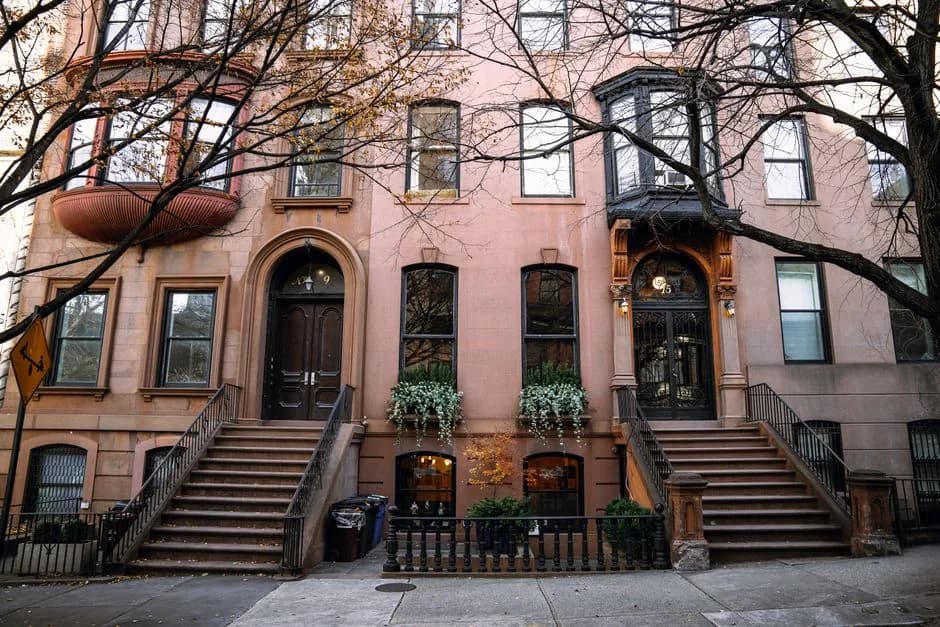
Living in Cobble Hill offers a classic Brooklyn experience focused heavily on residential life with historic appeal. This can be observed through its streets lined with classic brownstone buildings, contrasted with modern apartment units that blend into its historic surroundings. While the rent may be higher at $6,131, residents often value the neighborhood’s aesthetic appeal and community-oriented lifestyle.
In Gowanus, the lifestyle shifts to a more progressive and industrial atmosphere that attracts a creative demographic. With a median rent of $4,411 and being home to numerous art spaces and studios, Gowanus promises a active setting balancing affordability with cultural richness. Walking through its streets, residents experience a unique blend of industrial and contemporary developments, enhancing its appeal to those who appreciate the ever-evolving urban landscape.
Ultimately, the choice between Cobble Hill and Gowanus rests on personal priorities: whether they value historic charm and community or are drawn to artistic vibrancy and affordability. Visiting both areas can give renters a more tactile sense of which environment feels more conducive to their lifestyle.
Buildings and housing stock: Cobble Hill vs. Gowanus
Cobble Hill's housing stock is characterized by its 111 buildings, while Gowanus is home to 108. This similarity in building count suggests parity in the size of housing communities yet reveals how both offer distinct living experiences because of their architectural styles and types.
In Cobble Hill, 48% of the buildings are rent-stabilized, providing some reassurance around future rent increases, ensuring affordability over time, and appealing to renters looking for stability. Gowanus, with only 29% of rent-stabilized buildings, offers less in this regard, though its housing stock includes a greater number of new constructions, reflecting its evolving landscape and appeal to those attracted to modern living spaces.
Prospective renters must evaluate whether they prefer the traditional, historical settings of Cobble Hill or seek out the modern, emerging feels of Gowanus. Exploring both and examining the specific types of buildings and their features can help determine which aligns more with your preferences.
What tenants say: Cobble Hill vs. Gowanus
Tenants in Cobble Hill often praise the neighborhood for its community-focused environment, highlighting its residential feel and the charm that brownstone buildings bring. With an average building rating of 3.5, Cobble Hill might see variability in tenant satisfaction, likely due to the mix of historic buildings which may have tales of both timeless allure and occasional maintenance challenges.
Conversely, Gowanus boasts a slightly higher average building rating of 3.73. Tenants appreciate the neighborhood for its evolving dynamic and cultural vibrancy, with the art community playing a significant role in shaping its identity. The differences in ratings could reflect the different lifestyles offered by the areas, with Gowanus seeming to edge out thanks to frequent renovations and modern living spaces.
To gain an authentic sense of each area, prospective tenants should look into tenant reviews, particularly concerning aspects like building maintenance and neighborhood activities, before making a final decision on where to rent.
Building condition and track record: Cobble Hill vs. Gowanus
Gowanus outperforms Cobble Hill in terms of the percentage of top-rated buildings, with 49 compared to Cobble Hill's 40. Additionally, while Cobble Hill has a total of 110 reviews across its buildings, Gowanus manages a comparable 97 despite its smaller building count, suggesting a more engaged tenant community willing to share their experiences.
This engagement may indicate that Gowanus tenants place significant value on sharing insights, which could be attributed to an atmosphere of change and development. Furthermore, the average building rating is a reflection of the ongoing Gowanus revitalization efforts, which make it appealing for those interested in modern urban living. Cobble Hill's steadier, historic appeal might naturally attract less frequent reviews but caters to those seeking stability in a mature neighborhood setting.
Renters should consider each area's building condition on a walkthrough. Ensure consistent maintenance is evident, and talk to existing tenants to understand the variety of their experiences as you consider where to call home next.
Getting around compared
Cobble Hill, being centrally located in Brooklyn, offers reasonable transit options that make commuting convenient. While specific lines and stops aren’t enumerated, its city-central placement implies good accessibility to major parts of Brooklyn and broader New York City, offering convenience especially for those who commute to work or enjoy exploring the urban landscape.
Gowanus also benefits from its location in Brooklyn, although the dynamics are slightly different. The neighborhood's industrial past means an evolving transit landscape, with areas being revitalized and accessibility improving over time. This gradual change is marked by Gowanus tenants expressing a growing ease of movement as more transit options become available.
When choosing between these neighborhoods, consider your priority in transit convenience and how each area's current or future connectivity aligns with your daily routes or leisure activities. Always verify advertised transit conveniences during an apartment tour to ensure they meet your expectations.
Which should you choose — Cobble Hill or Gowanus?
Choosing between Cobble Hill and Gowanus boils down to financial, lifestyle, and personal preferences. Cobble Hill's median rent of $6,131 is significantly higher than Gowanus's $4,411. This makes Gowanus the apparent choice for cost-conscious renters who appreciate value without compromising cultural and social vibrancy.
Gowanus offers more active listings, providing a bigger pool of potential rental spaces to fit different tastes and requirements. Its moderate building ratings and higher top-rated places signify developing quality and tenant satisfaction, which can be attractive for renters looking for newer options.
Cobble Hill, while more expensive, offers the peace of a well-established residential feel, appealing to those who prize historic surroundings and community living. For tenants placing value on stability and the charm of classic Brooklyn architecture, Cobble Hill might justify the higher rent. Ultimately, personal visits and tours will help decide where you feel best at home.
At a glance
- Cobble Hill's median rent is $6,131, much higher than Gowanus's $4,411.
- Cobble Hill has 10 rental listings, while Gowanus has 77, offering more choices.
- Cobble Hill features 48% rent-stabilized buildings, offering future rent stability.
- Gowanus has a higher percentage of pet-friendly buildings at 37%.
- Gowanus has more top-rated buildings, suggesting better recent conditions.
FAQ
The bottom line
Browse current listings in Cobble Hill and Gowanus, or read what renters are saying about specific buildings on Openigloo.
Browse Cobble Hill listingsOther neighborhood guides nearby — same borough, different rent ranges and vibes. Useful when you're widening the search radius.

Moving to Downtown Brooklyn? Here's what renters should know

A complete renter's guide to Greenpoint

New to Williamsburg? A renter's starter guide
New to Crown Heights? A renter's starter guide

Renting in Gowanus: everything you need to know

What it's really like to rent in Fort Greene

Renting in Brooklyn Heights: what to expect

Renting in Bedford-Stuyvesant: what to expect
Other comparison pairs in the same theme — neighborhoods that come up in the same kinds of debates renters have when they're deciding where to live.
Bushwick vs. Williamsburg: which neighborhood fits your budget and lifestyle?

East Village vs. West Village: rent, buildings, and what to expect in each

Park Slope or Sunset Park: which is the better place to rent?

Should you rent in Astoria or Ridgewood?

Downtown Brooklyn vs. DUMBO: a renter's guide to choosing

Chelsea vs. Hell's Kitchen: a renter's guide to choosing

What's the difference between renting in Morningside Heights and Upper West Side?

Financial District or Tribeca: which is the better place to rent?