

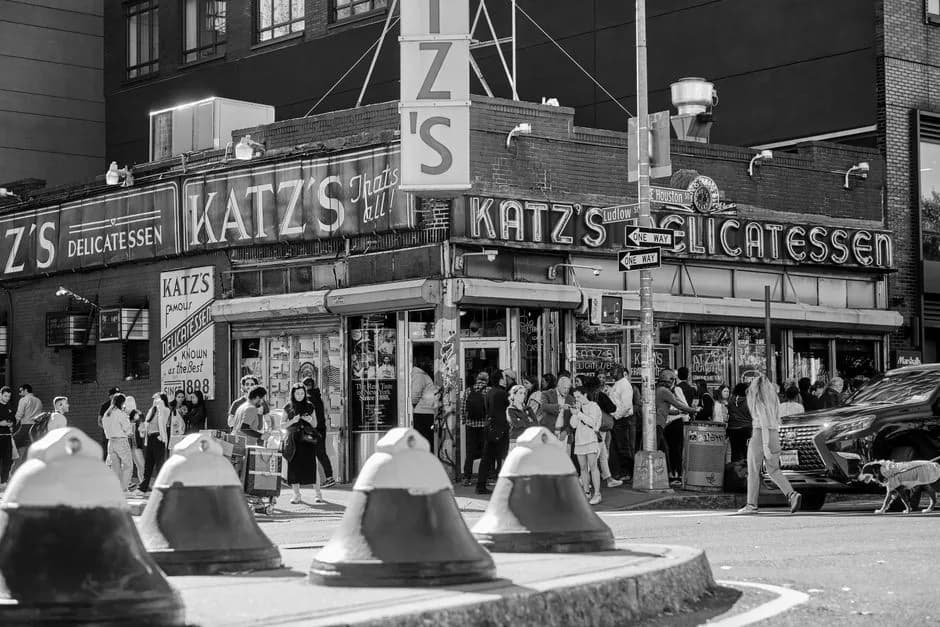
Lower East Side vs. Williamsburg: rent, buildings, and what to expect in each
If you're considering moving to either the Lower East Side in Manhattan or Williamsburg in Brooklyn, there's a lot to compare. One of the key differentiators is median rent. In the Lower East Side, the median rent is $6,048, while in Williamsburg it's lower, at $5,280. This significant difference in rent reflects varying living experiences, amenities, and lifestyle opportunities in these neighborhoods. When deciding between these two areas, understanding the cost and what you get for your money is crucial. Williamsburg offers more active listings, with 156 currently, compared to 77 in the Lower East Side, pointing to more choice but potentially more competition for apartments. Both neighborhoods have a similar percentage of no-fee listings, with Williamsburg at 55% and Lower East Side at 56%, minimizing initial costs. Use this comparison guide to weigh your priorities, whether it's affordability, building amenities, or community preferences, to make a more informed decision. Let's dive into what each neighborhood has to offer in terms of rent, buildings, commuting, and tenant experiences.
Quick verdict
Choosing between the Lower East Side and Williamsburg starts with assessing what matters more: budget or location. The Lower East Side has a higher median rent at $6,048 compared to Williamsburg's $5,280. This $768 difference may be a tipping point if your budget is tight. The Lower East Side, with its proximity to downtown Manhattan, often justifies its higher cost with convenience and atmosphere.
On the other hand, Williamsburg offers more active listings—156 compared to the Lower East Side's 77. This greater volume may translate into more options and possibly better bargains, though the average rent being lower generally suggests you might save on housing costs living in Williamsburg. Each neighborhood has its unique (in the tangible sense, variety-driven) appeal, so consider what lifestyle and amenities align with your needs. Prioritize what's most important: being in the heart of Manhattan or the creative vibes of Brooklyn.
Ideally, visit both neighborhoods and potential apartments. Check out the immediate area around any property you're considering and gauge your day-to-day needs like groceries and leisure activities.
Rent compared: Lower East Side vs. Williamsburg
The comparison of rent between the Lower East Side and Williamsburg is highlighted by their median rents: $6,048 in the Lower East Side and $5,280 in Williamsburg. A significant $768 difference can influence your decision, especially if budgeting is a concern. This divergence is particularly pronounced across different apartment sizes. For example, one-bedroom units in the Lower East Side have a median of $6,310, whereas those in Williamsburg stand at $5,389. This price difference may mean the option for more luxurious amenities or a better location in Manhattan against better affordability and potentially newer developments in Williamsburg.
Understanding this rent gap is essential for making an informed decision. While the Lower East Side places you closer to Manhattan's business hubs and social scene, Williamsburg offers more space or savings, potentially allowing for a broader range of lifestyle options, like dining and local entertainment. Prioritize what's more important based on your lifestyle preferences and financial capabilities.
With any rental decision, confirm what's included in your rent. Some areas may have utilities bundled, while others may not. Especially in areas like Williamsburg that have a variety of new and older buildings, utilities and amenities can vary significantly.
What each is like to live in
Living in the Lower East Side of Manhattan means being in an area with a mix of historical buildings and new developments. The neighborhood vibe is often about being connected to the broader city fabric, with its storied streets and diverse offering of shops and eateries providing unique experiences that are respectively praised and questioned by tenants for convenience and congestion.
Meanwhile, Williamsburg in Brooklyn is known for its recent transformations and artistic community. It's here you’ll find a larger number of buildings at 1,273 and a higher count of top-rated options at 463, reflecting a diverse housing landscape. Williamsburg’s increasing popularity has brought an influx of amenities, from recreational options to emerging cultural scenes. This makes it appealing to those looking for a community-driven lifestyle with easy access to local shops and enterprises.
If deciding where to plant roots, visit these neighborhoods at different times of the day to gauge their pace and energy level. Also, consider how each location aligns with your daily life, whether you're commuting for work or seeking recreational spaces close to your home.

Buildings and housing stock: Lower East Side vs. Williamsburg
The housing stock in both the Lower East Side and Williamsburg presents diverse options, yet they differ significantly in scale and variety. The Lower East Side has 382 buildings, with 29 being the most reviewed, compared to Williamsburg's 1,273 buildings and 40 highly reviewed ones. For a renter, this indicates Williamsburg's broader selection, especially if variety and the potential for new amenities are priorities.
Rent stabilization is another factor to consider. 61% of the Lower East Side's buildings are rent-stabilized, offering more predictability in rent increases, compared to 42% in Williamsburg. This higher percentage in the Lower East Side could mean greater stability in long-term rental costs, an appealing feature if you plan to stay put for an extended period.
When touring apartments, always inquire about building policies, especially concerning renovations and maintenance. Older buildings might have charm but could potentially demand more frequent repairs. Check if current amenities align with your expectations, particularly since newer Williamsburg constructions might boast modern conveniences like terraces or fitness centers.
What tenants say: Lower East Side vs. Williamsburg
Tenant feedback reveals a mixed landscape when it comes to satisfaction in both neighborhoods. Lower East Side buildings average a 3.43 rating, while Williamsburg's buildings sit slightly higher at 3.55. While neither area boasts very high averages, this marginal difference suggests slightly more tenant satisfaction in Williamsburg, potentially due to its newer and more varied offerings.
Despite similar percentages of pet-friendly buildings, both at 40%, tenant reviews focus on aspects like noise levels, maintenance quality, and community feel. Williamsburg may attract those who appreciate a creative atmosphere and community spirit, reflected in a higher count of top-rated buildings—with Williamsburg at 463 compared to Lower East Side’s 100.
For potential renters, checking multiple reviews for buildings you’re interested in is crucial. Reviews provide insights into everyday issues such as the responsiveness of management, quality of communal amenities, and overall living experience, making them invaluable for spotting potential deal breakers.
Building condition and track record: Lower East Side vs. Williamsburg
The condition and track record of buildings vary considerably between the Lower East Side and Williamsburg. Williamsburg buildings enjoy slightly better ratings, with an average of 3.55 versus the Lower East Side's 3.43. This suggests that tenants might find Williamsburg buildings are more often up to their expectations, possibly benefiting from more recent construction and renovations typical in this area.
The Lower East Side, with its historical buildings, may offer character but also potentially more maintenance challenges as older properties occasionally require more upkeep. However, with a higher percentage of rent-stabilized units (61%), tenants might find more stability in rental terms, a worthwhile tradeoff for some despite older interiors or building facilities.
When apartment hunting, ask direct questions about maintenance history and any upcoming renovations. Knowing the track record of a building's upkeep can save headaches in the long run, ensuring timely repairs and fresh amenities align with your living standards.
Getting around compared
Navigating these neighborhoods presents differences influenced by their locations in Manhattan and Brooklyn. Both are well-served by public transit systems given their respective boroughs, though specifics like transit walking times or line details aren’t available here.
The Lower East Side provides easy access to downtown Manhattan, making it appealing for those who work in or frequent this area often. Williamsburg is slightly farther from downtown Manhattan but compensates with a robust local scene, providing localized access to many of life's daily necessities and leisure pursuits.
When choosing a neighborhood, consider your typical destinations. Access to local transit routes that fit your routine should be analyzed by visiting the area during peak hours. Additionally, understanding contingency plans in the event of service interruptions can provide peace of mind.
Which should you choose — Lower East Side or Williamsburg?
Deciding between the Lower East Side or Williamsburg ultimately comes down to weighing your priorities in terms of cost, lifestyle, and convenience. The Lower East Side, with its higher median rent of $6,048, reflects its proximity to Manhattan’s core attractions and workplace hubs, as well as its distinctive East Side culture.
In contrast, Williamsburg offers a $5,280 median rent and a greater number of active listings at 156. This suggests more choice and possibly a less pressured rental market compared to the Lower East Side. With slightly better tenant satisfaction ratings, Williamsburg can be a compelling choice for someone seeking a active neighborhood.
Ultimately, visit both areas to assess amenities, transportation options, and overall atmosphere. Evaluate how each neighborhood fits into your lifestyle needs both in terms of daily living and community involvement. Knowing what trade-offs you are willing to make will guide you to the neighborhood that best suits your living preferences. Always ask about tenant experiences and check for any surprising fees or conditions.
At a glance
- Lower East Side median rent: $6,048.
- Williamsburg median rent: $5,280, cheaper than LES.
- Lower East Side: 382 buildings, 61% rent-stabilized.
- Williamsburg: 1,273 buildings, top-rated count 463.
- Both neighborhoods have 40% pet-friendly buildings.
FAQ
The bottom line
Browse current listings in Lower East Side and Williamsburg, or read what renters are saying about specific buildings on Openigloo.
Browse Lower East Side listingsOther neighborhood guides nearby — same borough, different rent ranges and vibes. Useful when you're widening the search radius.

Is Hell's Kitchen a good place to live? A renter's guide

New to Upper West Side? A renter's starter guide

Renting in Financial District: everything you need to know

Renting in Kips Bay: everything you need to know

New to Murray Hill? A renter's starter guide
Moving to Yorkville? Here's what renters should know

New to East Village? A renter's starter guide

Renting in Chelsea: what to expect
Other comparison pairs in the same theme — neighborhoods that come up in the same kinds of debates renters have when they're deciding where to live.
Should you rent in Long Island City or Williamsburg?

What's the difference between renting in Astoria and Upper East Side?
Renting in Long Island City vs. Murray Hill: how they compare
East Village vs. Greenpoint: which neighborhood is right for you?

Downtown Brooklyn vs. Financial District: which neighborhood fits your budget and lifestyle?

Should you rent in Bushwick or Lower East Side?
East Village vs. Ridgewood: where should you rent?
Choosing between Astoria and Jackson Heights: a renter's guide