

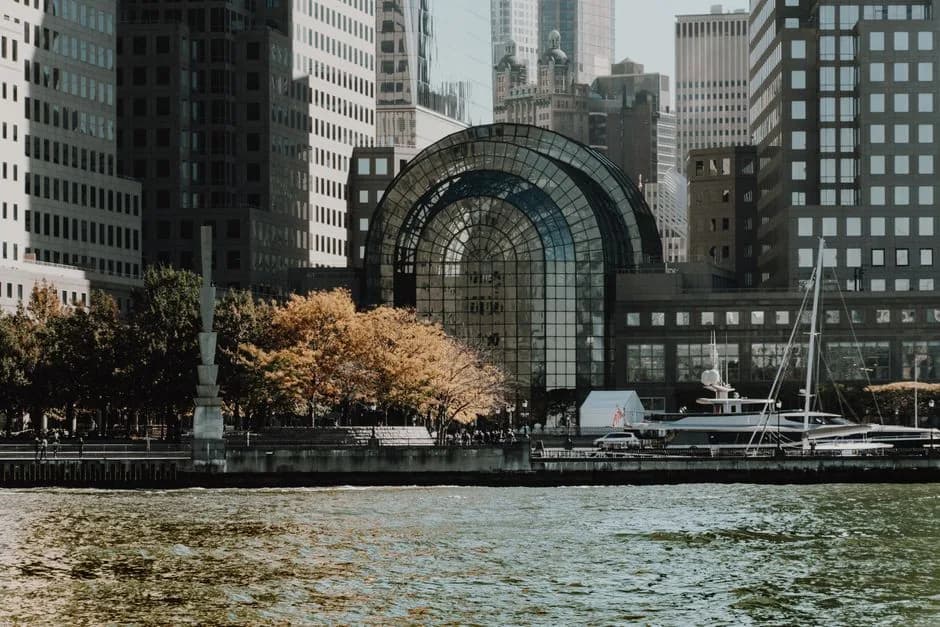
Battery Park City vs. Financial District: rent, buildings, and what to expect in each
For renters considering a move to Manhattan, the choice between Battery Park City and the Financial District can be significant. Battery Park City offers 127 active rental listings with a median rent of $6,366, while the Financial District provides a substantially larger selection with 311 listings and a more affordable median rent of $4,617. Both neighborhoods are known for their distinct urban settings and unique offerings. Choosing between these areas depends largely on budget, lifestyle, and specific priorities. The Financial District's lower median rent makes it an appealing option for those seeking more affordability in housing. Battery Park City, while more expensive, presents a different appeal with its more intimate community feel and a higher percentage of rent-stabilized buildings. This article will guide you through the main differences between these two neighborhoods, examining rental costs, housing stock, tenant reviews, and more. This information aims to provide a clearer perspective on what to expect when living in either Battery Park City or the Financial District, ultimately helping you make a more informed choice.
Quick verdict
In the decision between Battery Park City and the Financial District, a noticeable difference lies in the rental prices. The Financial District's median rent stands at $4,617, offering a cost-effective alternative compared to Battery Park City's $6,366. If your priority is affordability, the Financial District may be your preferred choice. However, if you're willing to pay a premium for a unique neighborhood character and potentially more personal space, Battery Park City might be worth the extra cost.
Apart from cost considerations, it's also important to assess what each neighborhood provides in terms of lifestyle and housing options. The Financial District not only offers more rental listings, at 311 compared to Battery Park City's 127, but also a higher percentage of no-fee apartments, reaching 70%. No-fee listings can be a significant advantage in eliminating additional costs when securing a rental.
Ultimately, your decision should weigh both your budget constraints and your lifestyle aspirations. Consider what is more crucial — the potential for savings or the distinct amenities and ambiance of a smaller neighborhood like Battery Park City. Both neighborhoods come with their unique benefits, and understanding them will help guide your choice.
Rent compared: Battery Park City vs. Financial District
The rental landscape in Battery Park City is marked by a higher median rent of $6,366 compared to the Financial District's more affordable $4,617. This difference is quite significant, with Battery Park City's rent being approximately 37.9% higher. For those prioritizing lower monthly housing costs, the Financial District provides a compelling option without compromising much on the urban living experience.
Part of what contributes to these different rental prices is the housing stock available in each area. The Financial District has a larger inventory with 311 active listings, compared to Battery Park City's 127. This abundance of options in the Financial District might not only mean more choice but also potentially better deals on rental properties due to the competitive nature of the market.
When deciding between the two, consider how rental costs align with the amenities and conveniences you are seeking. If sticking to a strict budget is key, the Financial District could be more appealing. However, if you’re looking for a unique living experience, Battery Park City might justify its higher price tag. Always conduct thorough research and, if possible, visit both neighborhoods to get a feel for what each offers before making a decision.
What each is like to live in
Living in Battery Park City offers a distinct residential experience, largely characterized by its planned community feel and a smaller number of buildings — only 30 — which contributes to a quieter, more laid-back atmosphere compared to many other parts of Manhattan. The neighborhood’s significant portion of rent-stabilized properties, at 47%, also bodes well for those looking for longer-term financial predictability in housing costs.
In contrast, the Financial District is densely packed with 82 buildings and provides an energetic and more urban experience with a wealth of amenities just outside your doorstep. With a high percentage of pet-friendly properties at 63%, it is also an attractive option for pet owners. Its strong focus on convenience, with a high level of amenities and services, appeals to individuals who thrive on an active and connected urban lifestyle.
When deciding which neighborhood suits your lifestyle, consider what you value most. Battery Park City may appeal to those desiring serenity, potentially making it worth the additional cost. Meanwhile, the hustle and amenities-rich environment of the Financial District might be ideal if you embrace a busy urban life. Each neighborhood offers a different style of living, so it’s crucial to match it to your personal preferences.

Buildings and housing stock: Battery Park City vs. Financial District
The housing stock in Battery Park City is quite different from that of the Financial District. Battery Park City is home to 30 buildings, offering a more intimate community with a notable portion of rent-stabilized apartments at 47%. This can provide advantages for long-term renters who appreciate stability in their housing costs. The buildings here tend to receive positive feedback, with an average rating of 4.23.
On the other hand, the Financial District offers a more extensive array of choices with 82 buildings. This neighborhood is characterized by its more dynamic setting and diverse housing options, with 63% of its buildings being pet-friendly, creating a welcoming environment for pet owners. The average rating for buildings in the Financial District is slightly lower at 4.03, which is still quite respectable.
When exploring housing options, it's important to consider not just the quantity of listings, but also the type of lifestyle the neighborhood supports. Take the time to visit different buildings, ask about building maintenance history, and get a sense of the overall community vibe. Whether you prioritize a strong residential community feel or a broader range of housing options, both neighborhoods have their distinct advantages.
What tenants say: Battery Park City vs. Financial District
Reviews from residents can provide valuable insights into what living in each neighborhood might be like. In Battery Park City, where the building average rating is 4.23, tenants frequently appreciate the tranquil community feel and the higher number of top-rated buildings, with 21 in total. This suggests a generally positive experience, particularly in terms of building quality and neighborhood ambiance.
Comparatively, the Financial District, with an average building rating of 4.03, also offers a solid living experience, albeit with a more urban atmosphere. It hosts a notably higher number of most-reviewed buildings, totaling 27. These reviews often highlight the convenience of having many amenities within walking distance, a vital aspect for those who enjoy city living.
Before choosing where to live, consider delving into recent reviews to understand current resident sentiments, especially on factors such as noise levels, neighborliness, and building management quality. Touring buildings and speaking to current tenants can provide real-world insights beyond numerical ratings, helping to ensure your chosen neighborhood aligns with your expectations.
Building condition and track record: Battery Park City vs. Financial District
Battery Park City's buildings are known for their high standards, with an average rating of 4.23 reflecting this quality. The neighborhood also prides itself on having 21 top-rated buildings, indicating a good track record in building maintenance and tenant satisfaction. This consistent quality makes it a reliable choice for those seeking stable and well-managed housing options.
In the Financial District, while the average building rating is slightly lower at 4.03, it doesn’t shy away from providing a substantial number of top-rated buildings — 52 in total. This demonstrates a wide array of buildings that maintain a solid reputation despite the higher density and urban environment. The district’s track record for having a larger number of most-reviewed buildings also enables prospective tenants to gauge living conditions more accurately based on varied experiences.
When evaluating the potential of each area, it’s essential to consider not only ratings but also recent repairs and ongoing building maintenance. Engaging directly with property management to understand their responsiveness to tenant issues and exploring tenant reviews can offer a clearer picture of what day-to-day life in each neighborhood entails.
Getting around compared
Both Battery Park City and the Financial District benefit from being in Manhattan, offering reasonable access to public transportation that can facilitate commuting and travel across the city. While specifics about particular lines or stops are not provided, their Manhattan location generally ensures a well-connected public transit framework.
Accessibility to amenities is another factor where these neighborhoods differ. The Financial District tends to offer a higher concentration of amenities and services within a smaller area, making daily errands or social outings convenient without needing to travel far. Battery Park City, meanwhile, provides a quieter setting that might require longer travel times to reach certain city attractions or services.
When considering either neighborhood, think about your daily commute requirements, proximity to work, or key places you frequent. Having a clear understanding of your transit and accessibility needs, in conjunction with visiting both neighborhoods, can help determine which area aligns best with your lifestyle and day-to-day practicalities.
Which should you choose — Battery Park City or Financial District?
Deciding between Battery Park City and the Financial District ultimately comes down to your personal preferences and financial considerations. If affordability and the potential for more diverse housing options appeal to you, the Financial District, with its median rent of $4,617 and 311 active listings, stands out as a practical choice. Its higher number of no-fee listings, at a generous 70%, adds another layer of financial incentive.
Battery Park City offers a different proposition with its smaller, community-oriented atmosphere and a higher average building rating of 4.23. Its median rent is higher at $6,366, but the area exudes a sense of tranquility and personal space that might justify the expense for renters valuing a quieter setting. It also offers a stable residential base with a notable percentage of rent-stabilized buildings.
To make an informed decision, consider visiting both neighborhoods to get a firsthand sense of their environments and amenities. Assess your budget alongside your lifestyle needs to see which area aligns closer with your living preferences and practical requirements. Consult Openigloo reviews for up-to-date resident insights and make a choice that best fits your long-term goals.
At a glance
- Battery Park City's median rent: $6,366; Financial District: $4,617.
- Financial District has 311 active listings; Battery Park City has 127.
- Battery Park City offers 47% rent-stabilized apartments.
- Financial District features 63% pet-friendly buildings.
- More no-fee listings in Financial District, reaching 70%.
FAQ
The bottom line
Browse current listings in Battery Park City and Financial District, or read what renters are saying about specific buildings on Openigloo.
Browse Battery Park City listingsOther neighborhood guides nearby — same borough, different rent ranges and vibes. Useful when you're widening the search radius.

Is Hell's Kitchen a good place to live? A renter's guide

New to Upper West Side? A renter's starter guide

Renting in Financial District: everything you need to know

Renting in Kips Bay: everything you need to know
New to Murray Hill? A renter's starter guide
Moving to Yorkville? Here's what renters should know

New to East Village? A renter's starter guide

Renting in Chelsea: what to expect
Other comparison pairs in the same theme — neighborhoods that come up in the same kinds of debates renters have when they're deciding where to live.

Choosing between Greenpoint and Williamsburg: a renter's guide
Astoria or Long Island City? A renter's comparison
Renting in East Village vs. Lower East Side: how they compare
Park Slope vs. Prospect Heights: where should you rent?
Kips Bay vs. Murray Hill: which neighborhood fits your budget and lifestyle?
Bedford-Stuyvesant vs. Bushwick: where should you rent?
Hell's Kitchen or Midtown West: which is the better place to rent?
Crown Heights or Prospect Lefferts Gardens? A renter's comparison