

Park Slope vs. Prospect Heights: where should you rent?
Choosing between Park Slope and Prospect Heights for your next rental in Brooklyn? With each neighborhood offering its own unique charm, it's essential to weigh the key differences. In Park Slope, the median rent is $3,674, whereas in Prospect Heights, it rises to $4,525. These two Brooklyn neighborhoods differ not just in rental prices, but also in the lifestyle and amenities they offer. A primary concern for many renters is affordability. Park Slope offers a lower median rent by $851 compared to Prospect Heights, making it a more budget-friendly option for those who want to enjoy the perks of Brooklyn living without stretching their finances too thin. However, Prospect Heights has the advantage of more active listings, with 29 options compared to Park Slope's 14, giving renters more choices in terms of availability. This guide will help you navigate the nuances of living in Park Slope versus Prospect Heights. We'll delve into aspects like building conditions and tenant reviews. Use the sections below to align your housing priorities with what each neighborhood offers, ensuring your next rental meets your lifestyle needs.
Quick verdict
For those seeking a balance between cost and options, Park Slope presents a compelling choice with its lower median rent of $3,674 compared to Prospect Heights' $4,525. While Park Slope is cheaper, Prospect Heights provides a wider array of available rentals, boasting 29 active listings against Park Slope's 14. This means if you prioritize affordability, Park Slope is an attractive option; however, if selection is more critical, Prospect Heights might better suit your needs.
Park Slope also outperforms slightly in terms of the number of top-rated buildings, with 291 options compared to just 88 in Prospect Heights. This could indicate more stable long-term satisfaction for residents. On the flip side, Prospect Heights has a higher percentage of no-fee listings at 66%, advantageous for renters aiming to save on upfront fees.
In conclusion, your choice between these neighborhoods will depend largely on whether you value lower rental costs or a broader selection of apartments. Assess your priorities carefully to find the optimal balance that aligns with your budget and lifestyle preferences.
Rent compared: Park Slope vs. Prospect Heights
Park Slope's median rent of $3,674 offers a more economical option compared to Prospect Heights' higher median of $4,525. This $851 difference could significantly impact budgeting for renters looking to balance cost with other living expenses. In Park Slope, a two-bedroom averages $3,759, while the same space in Prospect Heights averages substantially higher at $6,903. The rental disparity highlights Park Slope as the more budget-conscious choice for families needing extra room.
Prospect Heights does offer a larger percentage of no-fee listings at 66%, compared to Park Slope's 21%. No-fee listings can make a significant difference in immediate costs when moving, further complicating the act of direct rent comparison. Also, note that smaller units in Prospect Heights start at $3,900 for studios, which is already higher than Park Slope's median rents for larger apartments.
Ultimately, renters looking to economize should explore Park Slope; those prioritizing a higher number of no-fee listings and varied options might consider the additional expense of Prospect Heights. Be sure to verify lease terms and hidden fees in either locality.
What each is like to live in
Living in Park Slope offers a slightly more relaxed vibe with lower rent, making it accessible for budget-minded tenants. Park Slope has a higher number of top-rated buildings (291), suggesting a community that's well-rated by its residents. This neighborhood's character might appeal to those looking for a sense of community within a well-defined urban landscape.
Prospect Heights provides a more energetic atmosphere with a variety of residential options, thanks to its higher number of active listings at 29. The wider selection allows for more choice in finding the suitable home, particularly if you're seeking pet-friendly accommodations, as 44% of its buildings are pet-friendly compared to 39% in Park Slope. Its slightly higher average building rating indicates consistent satisfaction across its resident base.
For tenants seeking a community-centered area with more predictable pricing, Park Slope may be the better choice. Prospect Heights suits those searching for more diverse housing options and pet-friendly listings, albeit at a premium. Evaluating individual building atmospheres on a tour will offer the clearest view of day-to-day living.
Buildings and housing stock: Park Slope vs. Prospect Heights
Park Slope boasts the advantage of having 650 buildings, presenting a diverse range of housing options for tenants, whereas Prospect Heights has 209 buildings. The larger stock in Park Slope means renters could potentially find more varied architectural styles and history, possibly including those appealing brownstones.
However, when it comes to top-rated buildings, Park Slope still leads with 291 top-rated buildings, offering potential renters more reliable assurance of quality. Though smaller, Prospect Heights' building stock is densely packed with high reviews—66% are no-fee, reducing upfront costs. A notable 44% of Prospect Heights' buildings are pet-friendly, slightly surpassing Park Slope's 39%, making it slightly more accommodating for renters with pets.
When considering housing stock, more buildings in Park Slope could mean more variety, but the higher percentage of pet-friendly and no-fee listings might give Prospect Heights an edge for specific tenant needs. Both practicalities and personal preferences should guide your decision in choosing a neighborhood.
What tenants say: Park Slope vs. Prospect Heights
Tenant feedback varies, with 645 total reviews in Park Slope versus 209 in Prospect Heights, providing a more extensive narrative in Park Slope. The average building ratings are similar, with Park Slope slightly lower at 3.65 compared to Prospect Heights at 3.66. This parity in ratings suggests that tenants are generally satisfied in both areas, though Prospect Heights has a marginal edge in overall assessment.
For new tenants, it’s notable that Prospect Heights has more most-reviewed buildings at 8, offering a rich body of testimonials. This wealth of review content can guide newcomers in making more informed decisions by highlighting particular strengths or issues repeatedly mentioned in feedback.
When judging community feedback, recognize that more reviews typically mean more consistency in service levels and livability, but be cautious of overly optimistic or negative outliers. Touring prospective buildings and engaging in discussions with current residents can further validate insights gained from online reviews.
Building condition and track record: Park Slope vs. Prospect Heights
In terms of building conditions, Park Slope's broader array of 650 buildings results in a mix of newly renovated and older constructions; however, a higher number of top-rated buildings (291) suggests that quality is assured in many cases. For prospective renters, a pro-tip is researching the maintenance histories and asking current tenants about service response times during tours.
Prospect Heights, with its tighter cluster of 209 buildings, still maintains a strong showing with its slightly higher average building rating of 3.66 compared to Park Slope's 3.65. For those worried about upkeep, the number of no-fee listings might be indicative of well-maintained apartments aiming to attract tenants without additional leasing obstacles.
The key takeaway is to scrutinize each neighborhood’s building records closely. Physical walkthroughs and discussions with long-term residents can reveal whether critical updates or repairs have been addressed. Such due diligence ensures your choice aligns with expectations for property management and living conditions.
Getting around compared
When it comes to getting around, both neighborhoods are located in Brooklyn, making them technically well-served by public transit. Although specific lines aren't mentioned, both neighborhoods benefit from Brooklyn's general accessibility. This means commuters should find convenient transit solutions relatively nearby.
Park Slope might offer more predictable commutes given its central Brooklyn position and larger number of housing units (650), which often correlate with better-served transit areas. Prospect Heights, being slightly less populated with 209 buildings, nevertheless maintains competently connected transport options matching its urban style.
For those prioritizing easy access to the entire city, confirming the proximity of transit hubs and operating hours during prospective apartment tours is crucial. Additionally, assessing traffic levels and parking availability will complement the public transit picture, giving a fuller view of daily commute experience.
Which should you choose — Park Slope or Prospect Heights?
Ultimately, the choice between Park Slope and Prospect Heights boils down to personal priorities. Park Slope offers more affordable rental options with its $3,674 median rent compared to Prospect Heights’ $4,525, which can be advantageous for budget-conscious renters. Moreover, Park Slope boasts a higher number of top-rated buildings (291), promising ample opportunities for quality rentals.
Prospect Heights, on the other hand, might appeal to those seeking a wider array of housing choices with 29 active listings compared to Park Slope's 14. It also provides more no-fee options, which is advantageous for those looking to minimize upfront costs. Additionally, a slightly higher percentage of pet-friendly buildings (44%) might sway pet owners toward Prospect Heights.
Prospective renters should weigh these factors carefully: budget, housing variety, and pet accommodations. Touring both areas and assessing lifestyle priorities can reveal which neighborhood best aligns with personal needs, fostering a satisfying choice.
At a glance
- Park Slope median rent is $3,674; more affordable than Prospect Heights.
- Prospect Heights offers 29 active listings, more choices than Park Slope.
- 66% of Prospect Heights apartments are no-fee, compared to 21% in Park Slope.
- Prospect Heights has higher pet-friendly buildings at 44% vs. Park Slope's 39%.
- Park Slope has 291 top-rated buildings, exceeding Prospect Heights' 88.
- Prospect Heights has a slightly higher average building rating at 3.66.
FAQ
The bottom line
Browse current listings in Park Slope and Prospect Heights, or read what renters are saying about specific buildings on Openigloo.
Browse Park Slope listingsOther neighborhood guides nearby — same borough, different rent ranges and vibes. Useful when you're widening the search radius.
Moving to Downtown Brooklyn? Here's what renters should know

A complete renter's guide to Greenpoint
New to Williamsburg? A renter's starter guide
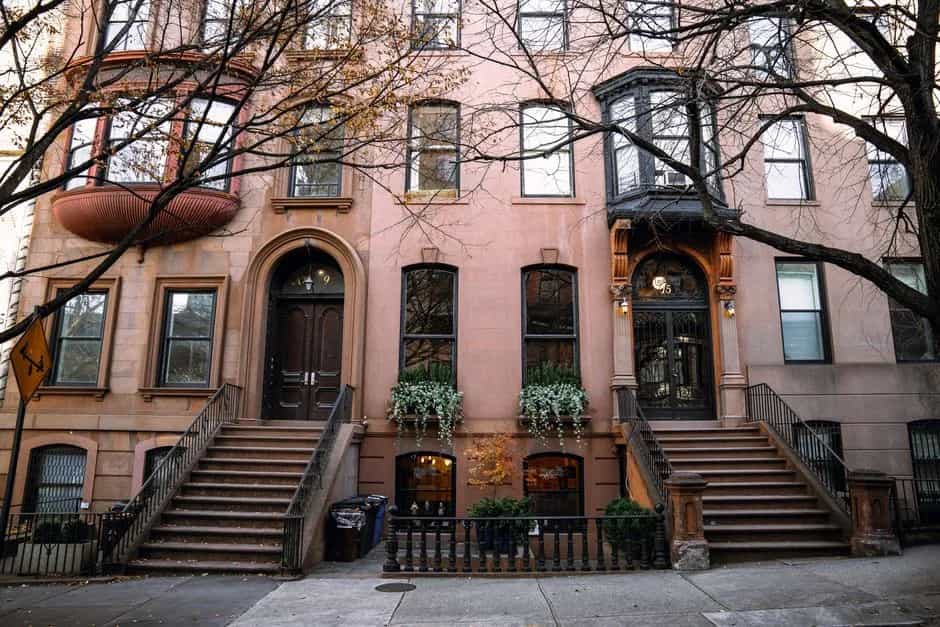
New to Crown Heights? A renter's starter guide
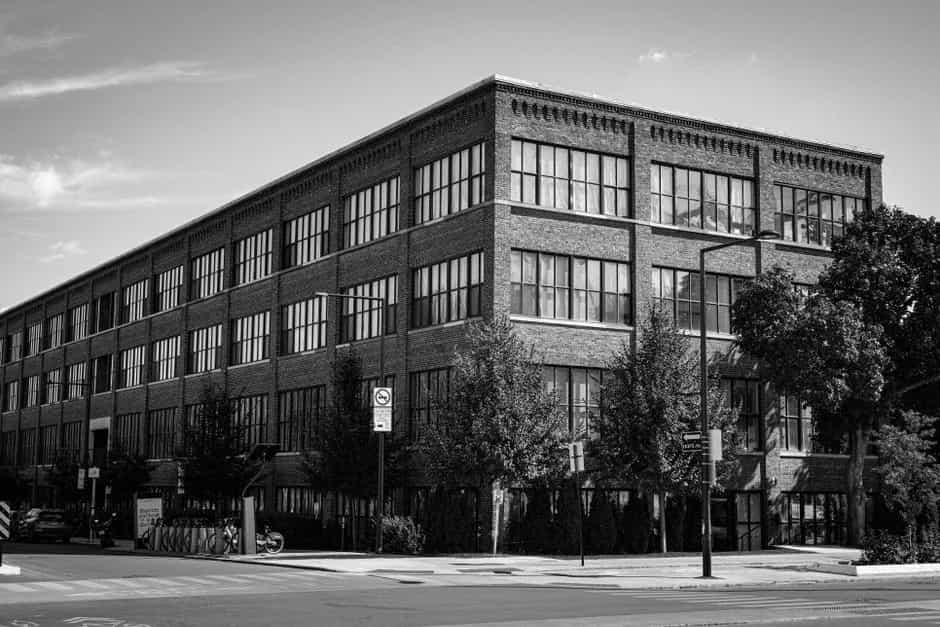
Renting in Gowanus: everything you need to know

What it's really like to rent in Fort Greene
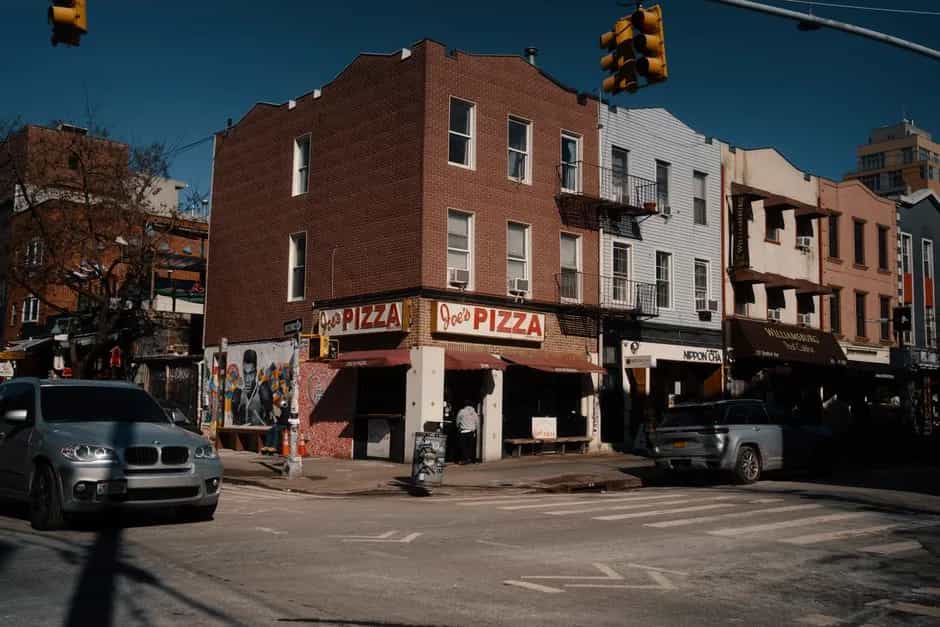
Renting in Brooklyn Heights: what to expect
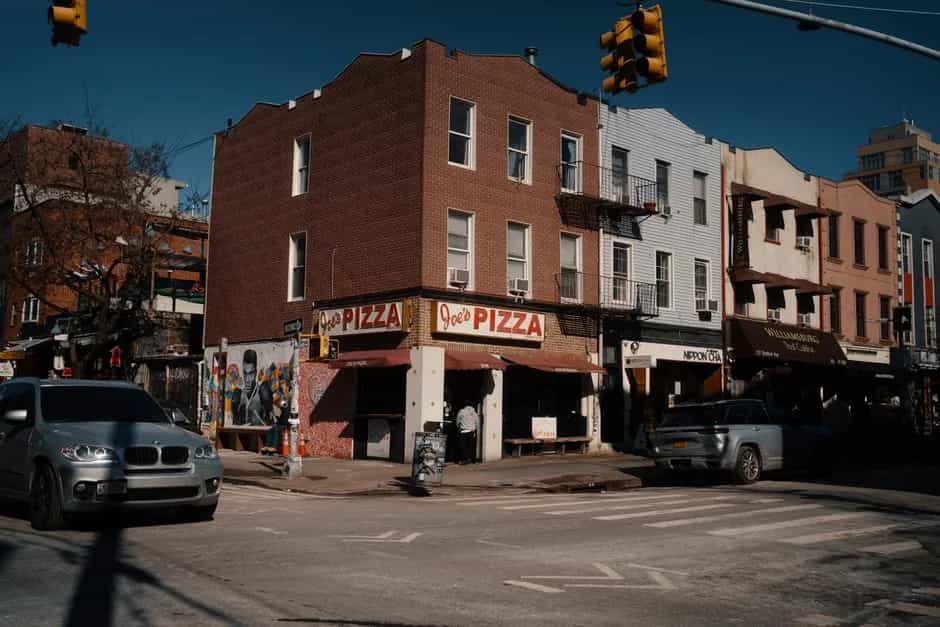
Renting in Bedford-Stuyvesant: what to expect
Other comparison pairs in the same theme — neighborhoods that come up in the same kinds of debates renters have when they're deciding where to live.

Choosing between Greenpoint and Williamsburg: a renter's guide
Astoria or Long Island City? A renter's comparison
Renting in East Village vs. Lower East Side: how they compare
Kips Bay vs. Murray Hill: which neighborhood fits your budget and lifestyle?
Bedford-Stuyvesant vs. Bushwick: where should you rent?

Hell's Kitchen or Midtown West: which is the better place to rent?
Crown Heights or Prospect Lefferts Gardens? A renter's comparison
Should you rent in Carroll Gardens or Cobble Hill?