


Bay Ridge vs. Dyker Heights: which neighborhood is right for you?
Choosing the right neighborhood in Brooklyn can be a challenging task. In this article, we will explore Bay Ridge and Dyker Heights to help you make an informed decision. Bay Ridge has an active rental market with a median rent of $2,337 and offers 258+ buildings, making it a considerable option for renters looking for availability and options. In contrast, Dyker Heights offers fewer rental options and a slightly different living experience without current active listings. The primary questions renters might have include the differences in rental prices, the quality of the buildings, and what each neighborhood is like to live in. While Bay Ridge's median rent gives us a tangible starting point, Dyker Heights has more appeal in affordability but lacks availability. Both neighborhoods fall into the rich tapestry of Brooklyn's varied lifestyle. Throughout this article, we'll compare aspects like rental costs, living experience, and tenant feedback. This will help you not only understand the numbers but also gauge what that means in practice. Whether you're looking for pet-friendly options or rent-stabilized units, we have the details you need to consider.
Quick verdict
When comparing Bay Ridge and Dyker Heights in Brooklyn, Bay Ridge stands out in terms of rental availability. With 4 active listings and a median rent of $2,337, it offers a solid spectrum of options for those seeking to live in the city. Dyker Heights, meanwhile, has no current active rental listings, presenting a significant consideration for potential residents who prioritize available options over cost.
Bay Ridge’s 29% pet-friendly buildings and a substantial 69% of rent-stabilized structures highlight its suitability for a wide range of renters seeking stable prices and pet accommodation. Dyker Heights has fewer opportunities in this regard, with only 14% of buildings categorized as pet-friendly and 53% as rent-stabilized.
In summation, Bay Ridge provides more opportunities in terms of both active rentals and building variety, making it potentially more appealing for renters keen on a wider selection. Renters prioritizing cost might look towards Dyker Heights once it offers greater rental opportunities, as the absence of current listings limits immediate move-in prospects.
Rent compared: Bay Ridge vs. Dyker Heights
Bay Ridge dominates the rental landscape with a median rent set at $2,337, providing a tangible benchmark for prospective renters. This figure covers studios and expands across apartment sizes, making it essential for prospective tenants to understand the neighborhood's positioning against local rental trends. Dyker Heights, however, does not have a defined median rent at present, largely due to the absence of active listings which makes direct rental price comparison more theoretical than practical.
The rent range in Bay Ridge spans from approximately $2,212 at the lower end to about $2,928, suggesting a good degree of flexibility for various budget levels. Renters weighing their options should consider not only these figures but also the broader implications, such as the availability and diversity of properties within Bay Ridge relative to the largely undefined scope presented by Dyker Heights at this moment.
For those favoring more competitive rent options, Dyker Heights might offer potential value in the future once more defined listing data becomes available. For now, Bay Ridge clearly stands as the practical choice with concrete pricing available, facilitating renters in budget quantification and long-term planning considerations.
What each is like to live in
Bay Ridge offers a versatile living environment noted for its variety of housing options – evidenced by its 258+ buildings. This dimension provides a built-in community feel within Brooklyn's expansive urban setting. Its apartments often harmonize classic design with modern amenities, attracting a mixed demographic from young professionals to families seeking reliable and varied rent-stabilized options.
By contrast, Dyker Heights presents a quieter residential appeal, focusing more on single-family homes and a sense of neighborliness rather than the apartment-centric atmosphere one might find in Bay Ridge. Though it has a smaller building count of just 36, this intimate scale can cater to those preferring a quieter, suburb-like setting with more robust individual housing rather than dense, multi-tenant properties.
While some renters might find Bay Ridge's vibrancy and convenience suitable, Dyker Heights provides an alternative for those seeking more laid-back surroundings with less emphasis on apartment life. However, the current lack of active rental listings may require renters interested in Dyker Heights to rely on local networks or pending housing developments to find opportunities.
Buildings and housing stock: Bay Ridge vs. Dyker Heights
In terms of housing stock, Bay Ridge comes out ahead with 258+ buildings in its inventory, offering a diverse range of options for renters. Within these buildings, 69% are rent-stabilized, providing residents with relatively predictable rental cost increases and a degree of security. These buildings tend to cover a spectrum of architectural styles, from traditional brownstones to contemporary apartments, making Bay Ridge an attractive area for diverse tastes and backgrounds.
Dyker Heights, while smaller in scale with only 36 buildings, provides a different atmosphere with its emphasis on low-density housing and largely residential streets. Only 53% of buildings in Dyker Heights are rent-stabilized, which may indicate slightly higher overall rental variability or a different set of landlord-tenant dynamics than Bay Ridge.
Renters should consider the nature of each environment: Bay Ridge for those who prefer variety and density, and Dyker Heights for those seeking more space and less urban congestion. If building condition and variety are high on your list, Bay Ridge has a wider array and number of living spaces to explore, strongly backed by its stabilizing benefits.
What tenants say: Bay Ridge vs. Dyker Heights
Tenants in Bay Ridge often highlight the balance it strikes between urban living and residential comfort. With an average building rating of 3.31, Bay Ridge generally receives positive feedback for its accessibility and community engagement, alongside good neighborhood amenities. Some tenants appreciate the mix of building types and rental flexibility which caters well to varied preferences.
Conversely, Dyker Heights' smaller community yields an average building rating of 2.97, slightly lower than Bay Ridge’s. Tenant reviews emphasize the neighborhood’s quieter ambiance and homely feel, aligning with those who prefer a more subdued and tightly-knit community atmosphere. The presence of only 36 buildings may contribute to its more tight-knit social structure and neighborly rapport but reflects fewer rental reviews, offering potential renters less crowd-sourced insight.
Prospective renters should consult tenant feedback on platforms like Openigloo, as building-specific comments can provide a deeper dive into community culture and tenant satisfaction. A practical approach involves directly engaging current residents during visits to get unfiltered opinions and gauge the neighborhood's true vibe.
Building condition and track record: Bay Ridge vs. Dyker Heights
When it comes to building conditions and their track records, Bay Ridge shines with a higher number of top-rated buildings, 90 in total, reflecting satisfaction and well-maintained premises in comparison to Dyker Heights' 11 top-rated buildings. Bay Ridge’s higher building count and robust tenant reviews suggest generally positive management practices and upkeep standards, key factors in long-term residency satisfaction.
Bay Ridge also benefits from a significant percentage of rent-stabilized buildings at 69%, potentially leading to more predictable management practices and tenant security over time. This percentage, alongside active tenant feedback, can serve as a reassuring metric for potential renters concerned with building longevity and ongoing adequacy of living conditions.
On the other hand, Dyker Heights’ fewer buildings and reviews limit comparable insights into building maintenance and tenant experiences. Given the limited data, inquiries with landlords about ongoing building projects or condition reports before signing a lease in Dyker Heights are advisable. Bay Ridge offers more visibility, making it a safer choice for those who prioritize transparent histories and consistently monitored conditions.
Getting around compared
Bay Ridge provides a well-integrated public transportation network, a typical benefit associated with living in Brooklyn neighborhoods. Although details on specific transit lines are not specified, residents benefit from generally efficient access to various parts of the city due to its established transit systems. This makes commuting from Bay Ridge feasible for individuals working in different boroughs, enhancing its appeal for professionals and daily commuters.
In contrast, while Dyker Heights also benefits from Brooklyn's transit grid, the specifics about transit availability and convenience require more individualized verification. As a neighborhood with a more residential feel and lesser active listings, transit details might differ, though remaining within Brooklyn ensures a baseline of connectivity.
Whether your priority is seamless city access or more localized travel, Bay Ridge's established infrastructure makes it arguably more enticing for renters needing reliable transportation solutions. However, understanding Dyker Heights' specific transit situation through local inquiry or testing routes yourself can determine personal viability based on commuting needs.
Which should you choose — Bay Ridge or Dyker Heights?
Deciding between Bay Ridge and Dyker Heights largely hinges on your priorities for living conditions and availability. Bay Ridge, with its active rental market, offering a median rent at $2,337, suits those relying on constant availability and a varied selection of rent-stabilized, pet-friendly apartments. It’s ideal for renters seeking a balance of community amenities and urban accessibility.
Dyker Heights, with its small inventory, leans towards those desiring suburban tranquility within the borough of Brooklyn, though the lack of active listings requires an eye towards future possibilities rather than immediate relocation. Its appeal lies in its quieter, perhaps more tightly-knit residential environment, though prospective affluent tenants will need to be self-starters in seeking opportunities here.
Your choice should rest on weighing available rental options against what Bay Ridge offers as immediate stability versus Dyker Heights' potential for a more serene residential environment. Evaluating your lifestyle priorities and perhaps discussing with current residents or agents could illuminate aspects less tangible in numerical data, ensuring your decision meshes with both practical needs and personal preferences.
At a glance
- Bay Ridge: Median rent is $2,337 with 4 listings.
- Dyker Heights: No current active rental listings.
- Bay Ridge: 29% of buildings are pet-friendly.
- Dyker Heights: 53% are rent-stabilized, 14% pet-friendly.
- Bay Ridge has 258+ buildings, versatile housing options.
FAQ
The bottom line
Browse current listings in Bay Ridge and Dyker Heights, or read what renters are saying about specific buildings on Openigloo.
Browse Bay Ridge listingsOther neighborhood guides nearby — same borough, different rent ranges and vibes. Useful when you're widening the search radius.

Moving to Downtown Brooklyn? Here's what renters should know

A complete renter's guide to Greenpoint
New to Williamsburg? A renter's starter guide
New to Crown Heights? A renter's starter guide
Renting in Gowanus: everything you need to know

What it's really like to rent in Fort Greene
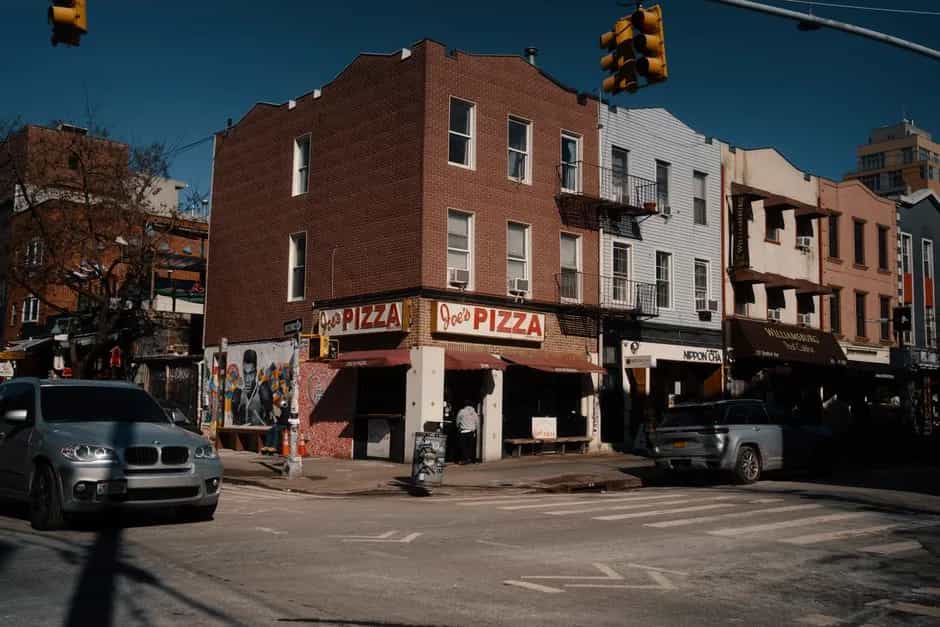
Renting in Brooklyn Heights: what to expect
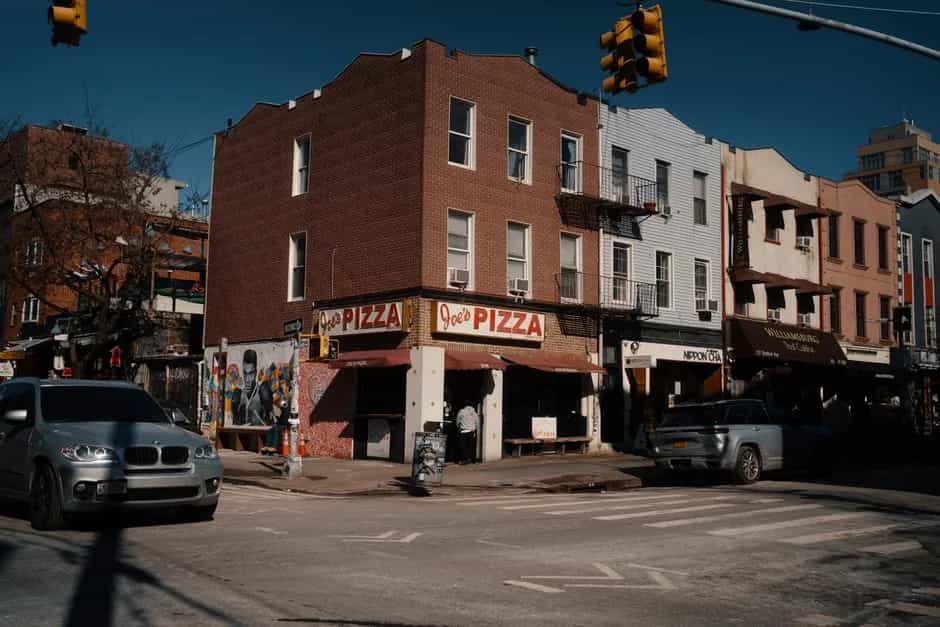
Renting in Bedford-Stuyvesant: what to expect
Other comparison pairs in the same theme — neighborhoods that come up in the same kinds of debates renters have when they're deciding where to live.

Choosing between Greenpoint and Williamsburg: a renter's guide
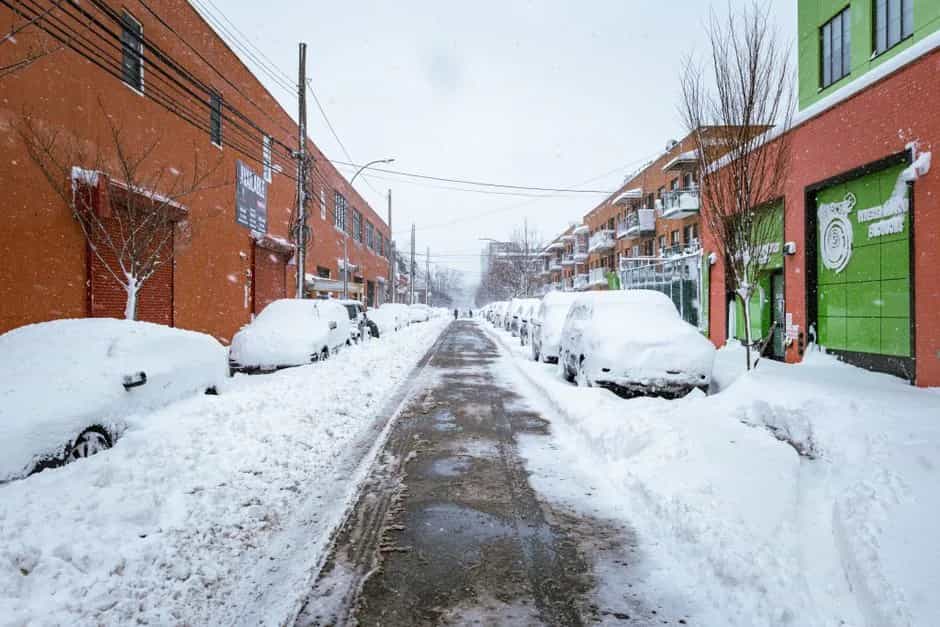
Astoria or Long Island City? A renter's comparison
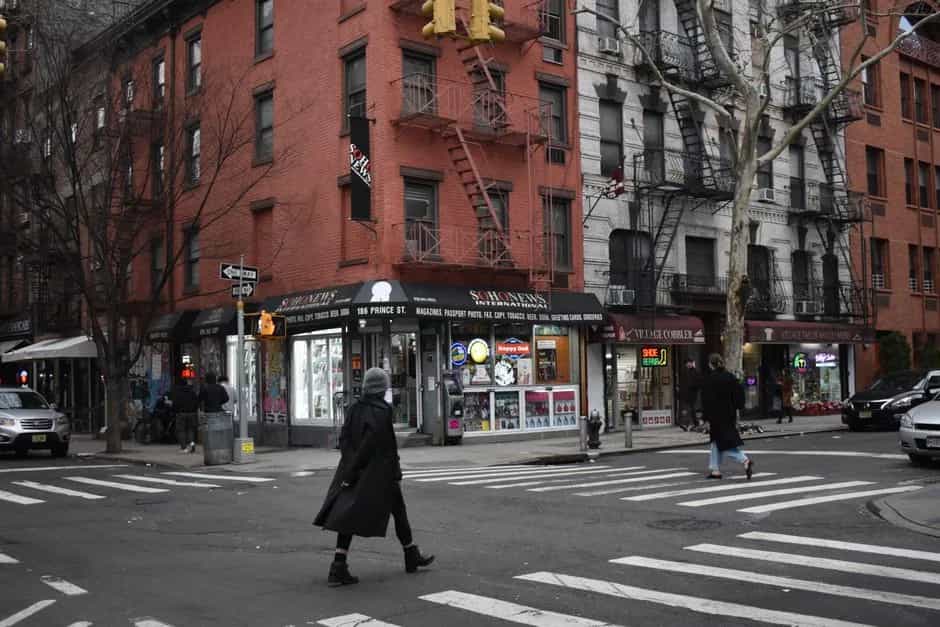
Renting in East Village vs. Lower East Side: how they compare
Park Slope vs. Prospect Heights: where should you rent?

Kips Bay vs. Murray Hill: which neighborhood fits your budget and lifestyle?
Bedford-Stuyvesant vs. Bushwick: where should you rent?

Hell's Kitchen or Midtown West: which is the better place to rent?
Crown Heights or Prospect Lefferts Gardens? A renter's comparison