

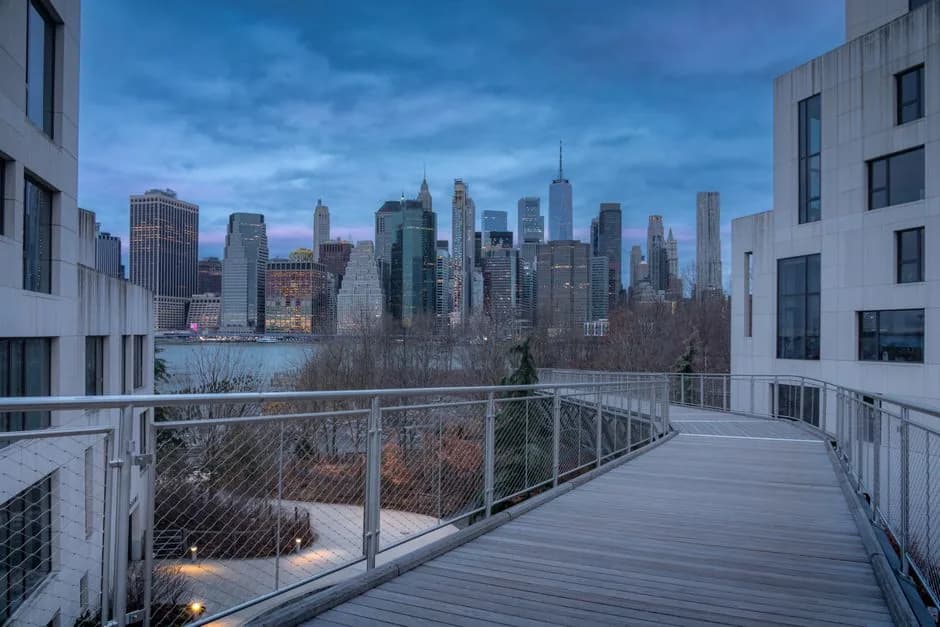
What's the difference between renting in Brooklyn Heights and Downtown Brooklyn?
Deciding between Brooklyn Heights and Downtown Brooklyn for your next rental? This guide delves into the essential differences to help you choose. Brooklyn Heights offers a median rent of $5,775, while Downtown Brooklyn is more budget-friendly at $4,705. This $1,070 difference is significant enough to influence your decision. If you prioritize affordability and a wider selection, Downtown Brooklyn with its 351 active listings provides more options. Conversely, if you value a higher concentration of rent-stabilized apartments, Brooklyn Heights offers this but at a premium with its higher median rent. However, beware that Brooklyn Heights has fewer listings (61), limiting your options there. Use this guide to weigh the benefits and drawbacks of living in each area, from rental pricing to tenant experiences, helping you make the best decision for your lifestyle and budget.
Quick verdict
Choosing between Brooklyn Heights and Downtown Brooklyn hinges largely on budget and availability. Brooklyn Heights presents a median rent of $5,775, making it more costly than Downtown Brooklyn's $4,705. The $1,070 disparity is considerable and could sway those looking to save on monthly expenses.
In terms of choice, Downtown Brooklyn shines with 351 active listings compared to Brooklyn Heights' 61. This greater volume means more diverse options, potentially reducing the time spent apartment hunting. Also, Downtown Brooklyn offers 81% of its properties as no-fee, appealing to renters keen on minimizing up-front costs.
However, Brooklyn Heights has a higher percentage of rent-stabilized buildings at 65%, in contrast to Downtown Brooklyn's 44%. For those prioritizing long-term security in rental pricing, this could be attractive. Ultimately, your decision should be informed by not just your budget but your needs for space variety and future cost stability.
Rent compared: Brooklyn Heights vs. Downtown Brooklyn
Looking specifically at rent, Brooklyn Heights demands a premium with a median rent of $5,775, surpassing Downtown Brooklyn's $4,705 by $1,070. This substantial difference highlights the importance of aligning your rental budget with your desired neighborhood.
In Brooklyn Heights, one-bedroom apartments average $4,963, while the same configuration in Downtown Brooklyn fetches $4,659, reflecting the broader rent disparity. This trend continues across all apartment sizes, suggesting that choosing Downtown Brooklyn could provide more breathing room in your budget.
Potential renters should factor these figures into their decision-making process, being conscious of how the rental costs might affect their lifestyle and financial commitments. Visiting both neighborhoods to get a sense of what each offers for the price might paint a clearer picture, especially since rental prices are a significant factor in long-term affordability.
What each is like to live in
Living in Brooklyn Heights often means enjoying a more serene atmosphere compared to the busy downtown vibe. Its higher percentage of rent-stabilized buildings (65%) can mean a more stable living environment, though at a higher price point. The neighborhood comprises 176 buildings, giving it a more residential feel despite its elevated rent.
Downtown Brooklyn, on the other hand, offers a dynamic lifestyle with 351 active listings, reflecting a more active rental market. With a quicker pace, its environment suits those who prioritize access to a plethora of amenities and the convenience of city living. The area tends to have more varied new developments within its 105 buildings which cater to different tastes and budgets.
When considering what each neighborhood is like as a place to live, you should consider what kind of atmosphere and community you want. It's beneficial to walk the neighborhoods, assessing local amenities and the overall community vibe firsthand.
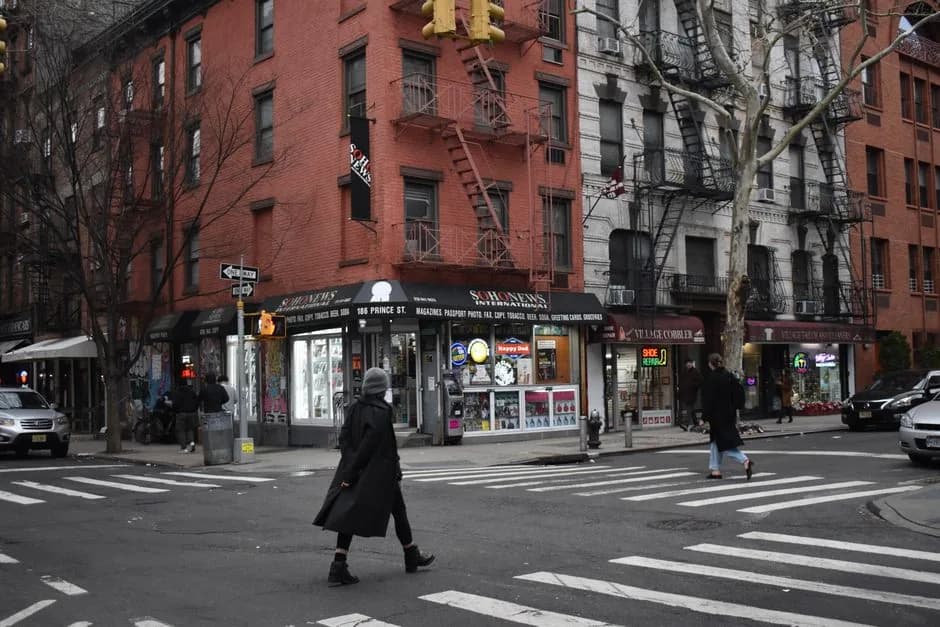
Buildings and housing stock: Brooklyn Heights vs. Downtown Brooklyn
Brooklyn Heights supports a considerable stock of rent-stabilized apartments, comprising 65% of its buildings. This can provide renters with a degree of rent stability, making it attractive even for those willing to pay more for future cost certainty. The area has 176 buildings, bringing a mix of historical charm and established residential housing into its rental offerings.
In contrast, Downtown Brooklyn, with its 105 buildings, boasts a varied architectural environment, from modern high-rises to older structures. It's worth noting that 61% of these buildings are pet-friendly, potentially appealing to tenants with pets. This flexibility may draw a broader demographic of renters.
Considering the building and housing stock in each neighborhood, potential renters should evaluate the mix of old and new, the pet-friendliness of options, and how these factors align with their preferences. Touring properties in both areas can highlight which attributes resonate more with your lifestyle and housing expectations.
What tenants say: Brooklyn Heights vs. Downtown Brooklyn
Tenants' reviews have important insights about living in each neighborhood. Brooklyn Heights achieves an average building rating of 3.75, known for its stability and quiet environment. While this isn't the highest score, it indicates an acceptable living experience for many.
Downtown Brooklyn, however, holds a higher average rating at 3.99. Tenant feedback often highlights the convenience and modernization present in Downtown, which resonates well with renters seeking an up-to-date living environment. It's noteworthy that Downtown has the most-reviewed buildings, numbering 23, which allows for broad insight into real renter experiences.
Ultimately, reviews serve as a useful supplement to personal visits, guiding potential tenants on what to expect. Use these reviews to shortlist specific buildings and then arrange viewings to better assess how accurately they reflect current conditions.
Building condition and track record: Brooklyn Heights vs. Downtown Brooklyn
Brooklyn Heights has a notable presence of older, well-maintained properties, supported by 65% of its buildings being rent-stabilized. This suggests a consistent level of maintenance and tenant satisfaction over time. Tenant reviews corroborate this with favorable mentions of building upkeep, an essential consideration for long-term renters.
In contrast, Downtown Brooklyn features more newly developed properties, showcasing modern amenities and infrastructure. A higher average building rating of 3.99 highlights its favorable living conditions, with many renters expressing satisfaction with the quality of newer constructions.
When evaluating building conditions and track records, it's critical to consider both historical maintenance and modern development standards. Prospective tenants should inquire about maintenance practices, check building age, and review tenants' feedback for insights into property management and long-term living quality.
Getting around compared
Transportation options in Brooklyn Heights and Downtown Brooklyn offer an array of public and private commuting choices, contributing to both neighborhoods' appeal to renters. Both areas are well-served by public transit, making commuting both locally and into Manhattan convenient.
In Brooklyn Heights, the existing transit infrastructure is complemented by a more residential setting. Renters who prefer walking to amenities or enjoying quieter streets might find Brooklyn Heights more suited to their lifestyle.
Conversely, Downtown Brooklyn's broader range of active listings and pet-friendly accommodations (61%) draw a demographic that often appreciates the active downtown setting. While both neighborhoods boast efficient transport links, Downtown's vibe supports a more dynamic, urban-centric lifestyle which might appeal to those who thrive amidst busy city energy.
Understanding how transportation fits into your daily life is vital. Consider the neighborhood layout, proximity to amenities, and accessibility to transit when making your decision.
Which should you choose — Brooklyn Heights or Downtown Brooklyn?
Choosing between Brooklyn Heights and Downtown Brooklyn largely depends on your lifestyle priorities and budget constraints. Brooklyn Heights provides a quieter, more residential setting with a median rent of $5,775, ideal if you value stability and are willing to invest in a potentially more serene environment. Its abundance of rent-stabilized apartments (65%) can be particularly appealing for those who look at long-term rental security.
Downtown Brooklyn, with a lower median rent of $4,705 and a greater number of 351 active listings, suits renters searching for variety and affordability. Its broader rental market provides more flexibility, with numerous no-fee options and modern properties that appeal to a diverse renter demographic.
When deciding which area suits you best, weigh your priorities. Consider exploring both neighborhoods thoroughly to experience the atmosphere and amenities firsthand. This will help you make an informed decision aligned with your financial goals and living preferences.
At a glance
- Brooklyn Heights rents median at $5,775.
- Downtown Brooklyn listings feature at $4,705 median.
- Brooklyn Heights: 65% rent-stabilized; quiet living.
- Downtown Brooklyn: 81% listings no-fee; modern feel.
- Brooklyn Heights: 176 buildings contrast with Downtown.
- Downtown Brooklyn: 351 active listings, active scene.
FAQ
The bottom line
Browse current listings in Brooklyn Heights and Downtown Brooklyn, or read what renters are saying about specific buildings on Openigloo.
Browse Brooklyn Heights listingsOther neighborhood guides nearby — same borough, different rent ranges and vibes. Useful when you're widening the search radius.

Moving to Downtown Brooklyn? Here's what renters should know

A complete renter's guide to Greenpoint
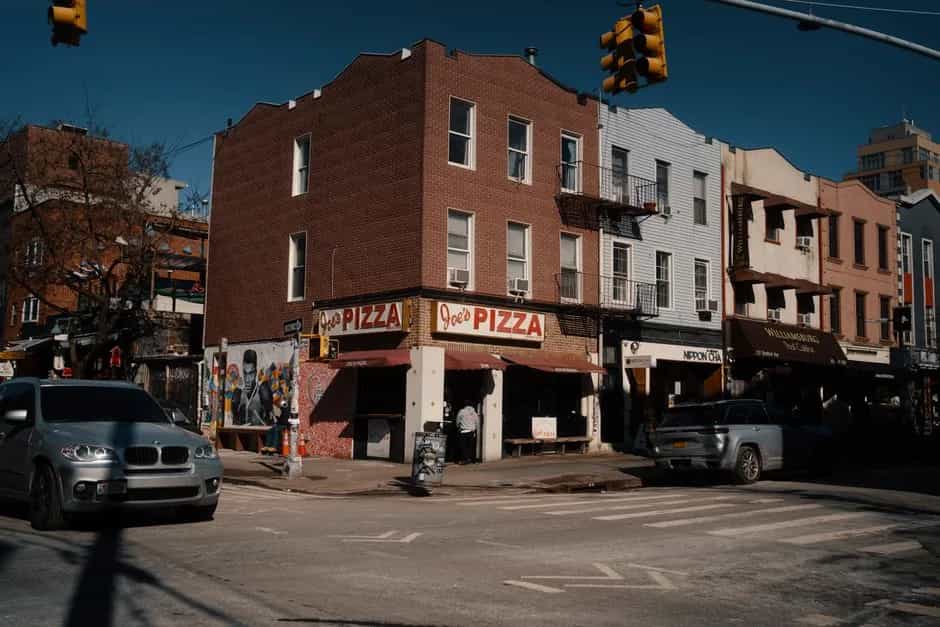
New to Williamsburg? A renter's starter guide
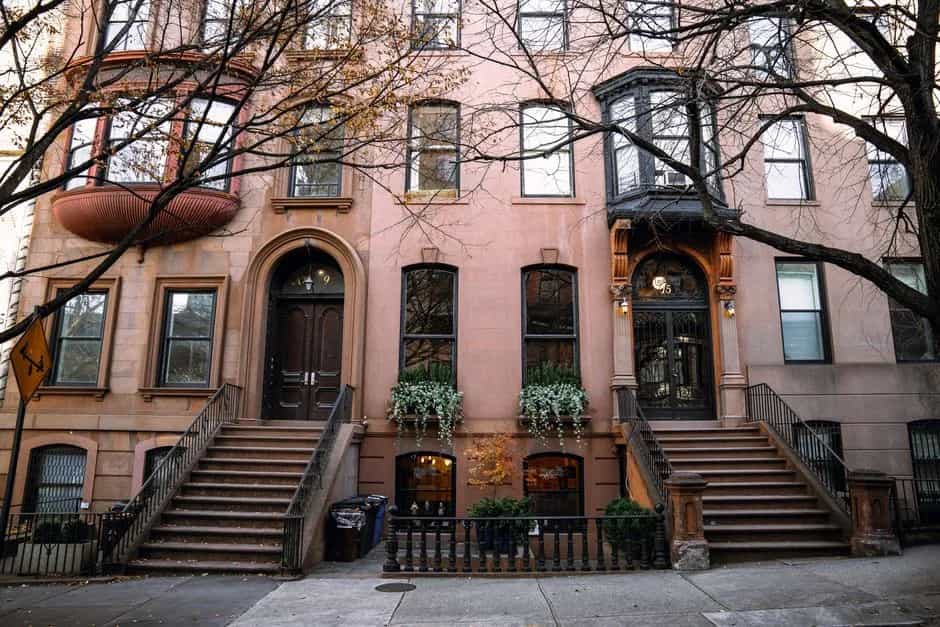
New to Crown Heights? A renter's starter guide
Renting in Gowanus: everything you need to know

What it's really like to rent in Fort Greene
Renting in Bedford-Stuyvesant: what to expect
Is Bushwick worth renting in? A local guide
Other comparison pairs in the same theme — neighborhoods that come up in the same kinds of debates renters have when they're deciding where to live.
Bushwick vs. Williamsburg: which neighborhood fits your budget and lifestyle?

East Village vs. West Village: rent, buildings, and what to expect in each
Park Slope or Sunset Park: which is the better place to rent?

Should you rent in Astoria or Ridgewood?
Downtown Brooklyn vs. DUMBO: a renter's guide to choosing

Chelsea vs. Hell's Kitchen: a renter's guide to choosing

What's the difference between renting in Morningside Heights and Upper West Side?
Cobble Hill vs. Gowanus: which neighborhood is right for you?