


Renting in Brooklyn Heights vs. Upper East Side: how they compare
When choosing between Brooklyn Heights and the Upper East Side, renters face a decision heavily influenced by the neighborhoods' distinct characteristics and financial considerations. Brooklyn Heights offers a more budget-friendly option for those looking to rent, with a median rent of $5,775 compared to the Upper East Side’s $7,646. For those seeking options, Brooklyn Heights presents far more active apartment listings, with 61 available, which offers a greater variety of choices to potential renters. Understanding what each area is like to live in is crucial. Brooklyn Heights appeals to those who seek a slightly quieter corner of New York City while maintaining access to amenities, whereas the Upper East Side is renowned for its classic Manhattan vibe. Potential renters must weigh the cost differences against their lifestyle preferences when making their decision. The sections below will delve into the numbers and qualitative aspects of living in both areas, guiding your choice by comparing aspects like building quality, tenant experience, and commuting options. Whether prioritizing lower rent or a specific neighborhood atmosphere, this guide will help you decide between Brooklyn Heights and the Upper East Side.
Quick verdict
Brooklyn Heights offers a more budget-friendly rental market compared to the Upper East Side. With a median rent of $5,775, Brooklyn Heights is approximately $1,871 less expensive than the Upper East Side's median of $7,646, marking a 24.5% difference. This significant pricing gap is a crucial factor for many renters whose budget is a primary consideration.
Apart from financial aspects, renters should also consider the availability and variety of listings. Brooklyn Heights boasts 61 active listings, providing a wider range of choices, which significantly surpasses the Upper East Side's count of 16. More options can translate to easier negotiations and finding an apartment that better suits individual needs.
Thus, for renters prioritizing cost and the ability to explore more housing options, Brooklyn Heights may be a more suitable choice. However, if the allure of living in Manhattan is a priority, the Upper East Side might still present a valuable proposition despite its higher pricing and fewer listings.
Rent compared: Brooklyn Heights vs. Upper East Side
Renters will find Brooklyn Heights to be the more affordable option, with a median rent of $5,775 compared to the Upper East Side's $7,646. This difference of $1,871 less makes Brooklyn Heights a potential choice for those looking to save costs. The cost savings could be significant over a year, leaving more room in the budget for other living expenses or savings.
Examining specific rental prices further, the price range for a one-bedroom apartment in Brooklyn Heights has a median of $4,963, while in the Upper East Side, it climbs to $5,457. This highlights a potential pattern where most unit types in Brooklyn Heights are priced lower on average than those in the Upper East Side.
Renters must also consider hidden costs that can affect affordability, such as fees. In Brooklyn Heights, 54% of listings are no-fee, as opposed to only 25% in the Upper East Side, offering further opportunity to save money when securing a rental. Prospective tenants should clarify these fees with brokers or landlords when touring apartments to understand the full cost implications.
What each is like to live in
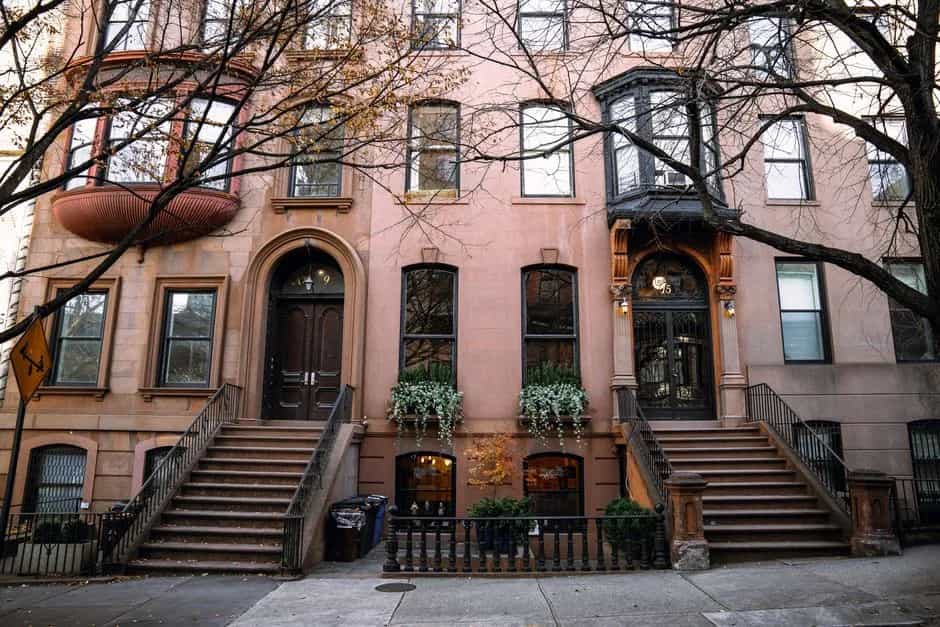
Living in Brooklyn Heights might appeal to those who appreciate a smaller, tightly-knit community while still having easy access to many of the cultural and social amenities New York City has to offer. Known for its historical architecture and close proximity to the waterfront, Brooklyn Heights offers a pleasant residential environment with potentially lower living costs.
In contrast, the Upper East Side is characterized by its more busy, metropolitan environment. Known for its proximity to many of the city’s attractions, like museums and high-end shopping, the Upper East Side offers a different, more upscale city experience. This Manhattan neighborhood is often chosen by those who wish to be at the heart of New York’s social and cultural scene.
Therefore, renters should consider what atmosphere suits them best. If tranquility and traditional residences appeal more, Brooklyn Heights might be the place to consider. However, for those eager to engage deeply with the city's energetic lifestyle and the conveniences of one of its central locations, the Upper East Side could be more suitable.

Buildings and housing stock: Brooklyn Heights vs. Upper East Side
Brooklyn Heights boasts a considerably higher number of buildings, with 176, compared to the Upper East Side, which has 73 buildings available. This contrasts in scale can affect your rental experience significantly, as more buildings mean increased variety and choice for prospective tenants in Brooklyn Heights. It’s advantageous for renters looking for specific building styles or amenities.
In terms of pet-friendliness, an important factor for some renters, 37% of buildings in Brooklyn Heights are pet-friendly, while the Upper East Side offers a slightly higher 44%. If keeping a pet is a priority, both neighborhoods provide supportive environments, though the Upper East Side marginally excels.
Both neighborhoods include a notable proportion of rent-stabilized buildings, with Brooklyn Heights at 65% and the Upper East Side at 71%. This can be beneficial for long-term renters interested in consistency in rental pricing and conditions. Prospective renters should explore the details of rent stabilization and the benefits it may provide when considering their long-term living arrangements in these neighborhoods.
What tenants say: Brooklyn Heights vs. Upper East Side
Brooklyn Heights tenants have voiced their satisfaction, contributing to an average building rating of 3.75. This level of satisfaction compares equally with tenants in the Upper East Side, who also collectively give an average rating of 3.75. This parity suggests that tenants in both neighborhoods experience a comparable level of satisfaction with their living environments.
Brooklyn Heights leads in the number of reviews, totaling 172, indicating that residents are actively engaged in sharing their experiences. This contrasts with the Upper East Side, where tenants have contributed 72 reviews. The higher review count in Brooklyn Heights might provide a more comprehensive understanding of tenant experiences, which could aid prospective renters looking for personal insights and advice.
When considering tenant feedback, prospective renters should look at both qualitative reviews and quantitative ratings. Although the numbers are similar, the nuances in individual reviews can offer additional insights into issues like building management and neighborhood life, helping to guide a well-informed decision.
Building condition and track record: Brooklyn Heights vs. Upper East Side
Brooklyn Heights shows strong tenant ratings with 75 top-rated buildings compared to the Upper East Side's 33 top-rated buildings. This suggests that Brooklyn Heights consistently offers buildings with superior conditions or management, which might be a deciding factor for renters interested in quality living conditions.
Additionally, Brooklyn Heights surpasses in the count of most-reviewed buildings, indicating a proactive tenant community willing to document their experiences. More reviews generally denote transparency and allow potential renters to gauge recurring issues or find buildings that align better with individual preferences.
For those who prioritize living in well-maintained buildings with a clear tenant history, Brooklyn Heights presents a stronger case. However, renters should still visit properties and speak with current tenants if possible to get a firsthand account of the building's current condition and management practices, which can sometimes vary even within top-rated facilities.
Getting around compared
Brooklyn Heights offers good connectivity within Brooklyn, making commuting convenient, which may appeal to individuals working within the borough or those looking to enjoy Brooklyn's various attractions. Its connectivity doesn't fall short for those who might have work or social commitments across the city.
The Upper East Side offers similar advantages, being well-connected within Manhattan and providing easy access to its own array of amenities or even other parts of the city. This neighborhood often appeals to those who require frequent trips around Manhattan or who prefer being centrally located within the island.
While both areas are reasonably well-connected, prospective renters should consider their daily transit requirements. Visiting apartments at different times of the day can provide practical insights into commuting ease and traffic flow, allowing renters to choose an area that best matches their lifestyle and transportation needs.
Which should you choose — Brooklyn Heights or Upper East Side?
Choosing between Brooklyn Heights and the Upper East Side is largely influenced by personal priorities concerning rent, style of living, and neighborhood preferences. Brooklyn Heights is the clear choice for renters seeking affordability, with a median rent of $5,775 compared to $7,646 in the Upper East Side, in addition to a more extensive selection of 61 active listings.
However, the choice isn't purely financial. Brooklyn Heights provides benefits for those looking for a more historic and less densely populated environment, whereas the Upper East Side offers a quintessential Manhattan experience, catering to renters drawn to a more urban and busy setting.
Consider also lifestyle elements: pet-friendliness slightly favors the Upper East Side, while rent stabilization opportunities are comparably generous in both areas, ensuring potential longer-term rental stability. Ultimately, renters must weigh these factors along with their personal lifestyle needs, making on-site visits and thorough research crucial to making the best-informed decision.
At a glance
- Brooklyn Heights offers lower median rent at $5,775.
- Upper East Side provides easier access to Manhattan amenities.
- Brooklyn Heights has more listings: 61 vs 16.
- Both neighborhoods have a 3.75 average building rating.
- Brooklyn Heights is 24.5% cheaper than the Upper East Side.
- Consider transit needs when choosing location.
- Rent stabilization is common in both areas.
FAQ
The bottom line
Browse current listings in Brooklyn Heights and Upper East Side, or read what renters are saying about specific buildings on Openigloo.
Browse Brooklyn Heights listingsOther neighborhood guides nearby — same borough, different rent ranges and vibes. Useful when you're widening the search radius.

Moving to Downtown Brooklyn? Here's what renters should know

A complete renter's guide to Greenpoint

New to Williamsburg? A renter's starter guide
New to Crown Heights? A renter's starter guide

Renting in Gowanus: everything you need to know

What it's really like to rent in Fort Greene

Renting in Bedford-Stuyvesant: what to expect

Is Bushwick worth renting in? A local guide
Other comparison pairs in the same theme — neighborhoods that come up in the same kinds of debates renters have when they're deciding where to live.

Should you rent in Long Island City or Williamsburg?

What's the difference between renting in Astoria and Upper East Side?

Lower East Side vs. Williamsburg: rent, buildings, and what to expect in each

Renting in Long Island City vs. Murray Hill: how they compare

East Village vs. Greenpoint: which neighborhood is right for you?

Downtown Brooklyn vs. Financial District: which neighborhood fits your budget and lifestyle?

Should you rent in Bushwick or Lower East Side?

East Village vs. Ridgewood: where should you rent?