


Forest Hills vs. Kew Gardens: a renter's guide to choosing
When considering a rental in Queens, Forest Hills and Kew Gardens often top the list for many prospective tenants. Knowing the numbers can be instrumental in making an informed decision. Forest Hills offers 51 active apartment listings, resulting in a broader selection compared to the only three in Kew Gardens. The rental prices reflect significant differences too. Forest Hills has a median rent of $3,894, which is $1,007 higher than Kew Gardens' $2,887. This 34.9% difference could greatly impact budget considerations for potential renters. In this article, we delve into the specifics that might sway your choice between these neighborhoods, such as living experiences, building quality, and tenant feedback. Use these insights to weigh your options and find the ideal balance between cost and lifestyle in your move to Queens.
Quick verdict
Forest Hills presents more options with 51 active listings compared to Kew Gardens' three. Prospective renters leaning towards variety in choice should keep this in mind as they survey what each neighborhood offers.
Kew Gardens stands out for its budget-friendly nature. With a median rent of $2,887, it's $1,007 less than Forest Hills’ $3,894. Considering this 34.9% difference might make Kew Gardens an attractive option for those prioritizing cost savings over variety.
Both areas boast a considerable percentage of rent-stabilized buildings—65% in Forest Hills and 75% in Kew Gardens. This means a good chunk of apartments could offer more predictable rent increases. Consider what matters more: the broader selection at a higher price at Forest Hills or the affordability with fewer options in Kew Gardens. Visit both neighborhoods to get a feel for their ambiance and see which one aligns best with your lifestyle and budgetary needs.
Rent compared: Forest Hills vs. Kew Gardens
The rent landscape between Forest Hills and Kew Gardens is significantly different, mostly due to the $1,007 median rent difference. In Forest Hills, the median rent is $3,894, reflecting its broader range of active listings and options for potential tenants looking to move to this part of Queens. Kew Gardens, however, offers a more affordable median rent of $2,887.
For renters with a tighter budget, Kew Gardens is more accessible. The rent range in Kew Gardens starts at $2,257 for the lower 10% and ranges up to $3,483 for the top 10%, which provides reasonable options within a more affordable spectrum.
This appealing cost-saving can significantly impact your monthly expenses, especially if living space size does not heavily influence your decision. But remember, Forest Hills still provides more choices; if having more variety is a higher priority, you might lean towards it despite the higher costs.
What each is like to live in
Living in Forest Hills gives you a wide variety of choices, with 51 active listings available. The neighborhood's busy rental activity might reflect a active community with diverse amenities and living options. With 29% of buildings being pet-friendly, it's more accommodating for pet owners compared to Kew Gardens' 25%.
In contrast, Kew Gardens offers a more serene environment, reflected in fewer active rental listings and a higher percentage of rent-stabilized units at 75%. This might assure a more stable rental experience as tenants can anticipate predictable rent increases. With its smaller scale and quieter streets, Kew Gardens might appeal to those who prefer a less hectic lifestyle.
Ultimately, deciding between these neighborhoods might boil down to your personal preference for community size and atmosphere. Whether you value the active energy of Forest Hills or the tranquil atmosphere of Kew Gardens, visiting and experiencing the local culture will be key in making your decision.
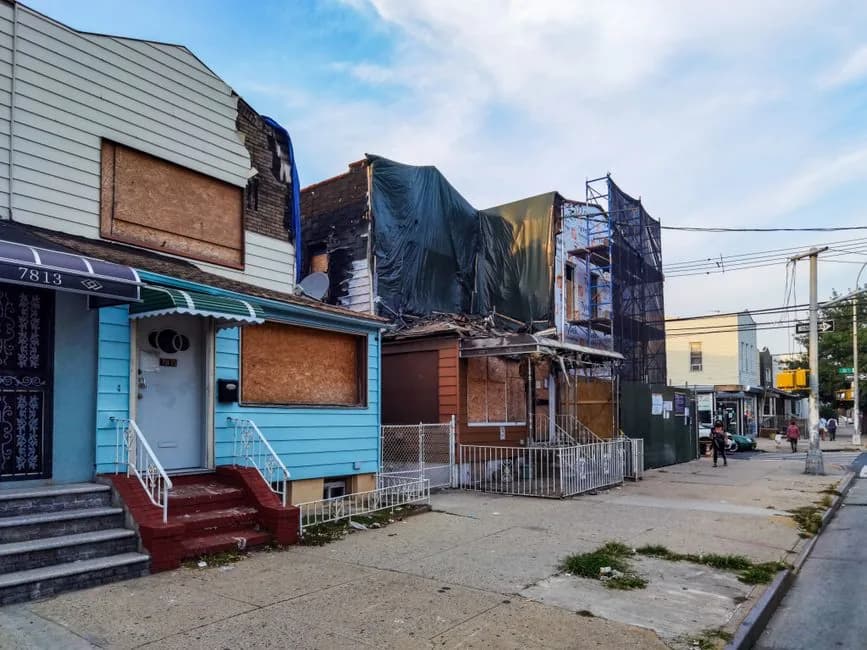
Buildings and housing stock: Forest Hills vs. Kew Gardens
In terms of housing stock, Forest Hills offers a greater number of buildings—150 compared to Kew Gardens' 73. This indicates a wider selection of units for potential tenants searching for housing in Forest Hills. The city-like experience may attract those looking for a dense urban environment and a larger selection of architectural styles.
Despite having fewer buildings, Kew Gardens holds a higher percentage of rent-stabilized units, at 75%, offering renters greater security in terms of rental price adjustments over time. This stability is attractive to those who plan to remain long term without the concern of unpredictable rent hikes.
Both neighborhoods feature buildings with varied pet-friendliness; Forest Hills has 29% pet-friendly buildings, slightly higher than Kew Gardens’ 25%. Before committing to a building, it’s essential to inquire about their specific policies, especially if you have specific needs that could affect your tenancy experience.
What tenants say: Forest Hills vs. Kew Gardens
Tenant reviews offer insights into each neighborhood's living experience. Forest Hills holds an average building rating of 3.55, suggesting satisfactory living experiences from its residents. The area also benefits from having 64 top-rated buildings, indicating higher tenant satisfaction in select properties.
Kew Gardens trails slightly with an average rating of 3.12. It has fewer top-rated buildings, with 16 known for positive tenant experiences. Although this can be a concern for some, the smaller rental market might contribute to the appeal of tighter communities where interactions remain more personal.
For prospective renters, reading reviews on Openigloo can provide a window into potential issues or strengths within specific buildings. It’s crucial to visit and talk to current tenants where possible to get a clear picture of your future living conditions. Comprehensive feedback directly from residents is valuable when aligning neighborhood expectations with your desired living situation.
Building condition and track record: Forest Hills vs. Kew Gardens
Despite having fewer buildings, Kew Gardens benefits from 75% of its listings being rent-stabilized, thanks to its historical housing stock, potentially indicating older constructions with long-standing tenancies. This often equates to stability in both price and tenant relationships, vital to those requiring consistency in their living arrangements.
In Forest Hills, a higher average building rating at 3.55 reflects better overall conditions compared to Kew Gardens' 3.12. Moreover, Forest Hills has 64 top-rated buildings, providing renters with peace of mind regarding maintenance and tenant satisfaction.
Once you've narrowed down choices, ensure to personally inspect the condition of potential apartments. Look for signs of aging infrastructure in Kew Gardens, and gauge the overall maintenance in Forest Hills. These observations will help decide where your priorities lie in your search for a reliable living environment.
Getting around compared
Both Forest Hills and Kew Gardens benefit from being situated in Queens, well-served by public transit, making commuting feasible for those working in different parts of New York City. Though this section covers transportation broadly, exact details on transit lines are beyond our data's scope.
Although Forest Hills offers more active listings, choosing Kew Gardens might still align with those seeking budget-friendly rentals closer to peaceful environments without sacrificing connectivity. It’s worth noting that living in a more extensive neighborhood like Forest Hills can equate to more travel options and access to a wider array of services.
Evaluating commute times from both neighborhoods and being mindful of your daily travel preferences can guide your decision. Remember that while connectivity is essential, your home should also reflect your day-to-day lifestyle requirements. Weigh the transport convenience against other personal factors when choosing your next home in either neighborhood.
Which should you choose — Forest Hills or Kew Gardens?
Deciding between Forest Hills and Kew Gardens entails balancing budget constraints, lifestyle preferences, and the importance of variety in apartment options. With a higher number of active listings, Forest Hills attracts those who prefer a broader selection and are willing to pay a $1,007 premium over Kew Gardens’ more affordable median rent.
Conversely, Kew Gardens caters to renters prioritizing budget over the number of choices. Its quieter streets and community focus, reflected by a 75% rate of rent stabilization, offer assurance in rental stability and cost predictability.
Ultimately, your personal circumstances and preferences will determine your choice. Visit both neighborhoods to gather comprehensive insights and narrow down your priorities. Consider your accommodation needs, potential savings, and lifestyle preferences to make an informed decision about which area to call home.
At a glance
- Forest Hills: 51 active listings for variety.
- Kew Gardens: Median rent is $1,007 cheaper.
- Forest Hills offers 29% pet-friendly buildings.
- Kew Gardens: 75% rent-stabilized units for stability.
- Forest Hills average building rating: 3.55.
- Kew Gardens: 16 top-rated buildings.
- Both neighborhoods are well-served by public transit.
FAQ
The bottom line
Browse current listings in Forest Hills and Kew Gardens, or read what renters are saying about specific buildings on Openigloo.
Browse Forest Hills listingsOther neighborhood guides nearby — same borough, different rent ranges and vibes. Useful when you're widening the search radius.
Other comparison pairs in the same theme — neighborhoods that come up in the same kinds of debates renters have when they're deciding where to live.

Choosing between Greenpoint and Williamsburg: a renter's guide
Astoria or Long Island City? A renter's comparison
Renting in East Village vs. Lower East Side: how they compare
Park Slope vs. Prospect Heights: where should you rent?

Kips Bay vs. Murray Hill: which neighborhood fits your budget and lifestyle?
Bedford-Stuyvesant vs. Bushwick: where should you rent?

Hell's Kitchen or Midtown West: which is the better place to rent?

Crown Heights or Prospect Lefferts Gardens? A renter's comparison