


Renting in Forest Hills vs. Upper East Side: how they compare
For renters evaluating Forest Hills and the Upper East Side, a closer look at median rents reveals an immediate distinction. In Forest Hills, the median rent is $3,894, nearly half the Upper East Side's $7,646. This stark contrast sets the stage for a deeper comparison of these neighborhoods, both known for their specific appeals. But beyond rent, what else differentiates these locales? Aside from pricing, potential tenants might wonder which place offers a lifestyle closer to their desires. While the Upper East Side commands higher rents, it may come with additional prestige and centrality given its Manhattan location. Conversely, Forest Hills offers a more budget-conscious alternative, potentially at the expense of access to some luxury amenities. This article digs into these differences across various living factors. With a focus on tenant experiences, building quality, and commuting options, this guide provides the insights necessary to decide whether Forest Hills' affordability is the better fit or if the Upper East Side's reputation justifies its higher cost.
Quick verdict
When assessing whether Forest Hills or the Upper East Side better fits your needs as a prospective renter, the primary factor is cost. Forest Hills presents a significantly lower median rent of $3,894 compared to the Upper East Side's $7,646. This nearly 50% difference in rental price can significantly impact budget planning and rental decisions. If financial considerations are paramount, Forest Hills offers a more economical choice while still maintaining access to all the benefits of New York City living.
Beyond cost considerations, the Upper East Side is known traditionally for its proximity to the cultural and commercial heart of Manhattan, which can be an important factor for some renters. On the other hand, Forest Hills, situated in Queens, offers a more suburban environment with greater affordability and options for rent-stabilized apartments, which comprise 65% of its housing stock compared to 71% in the Upper East Side.
In sum, Forest Hills serves those looking for affordability and stability. Meanwhile, the Upper East Side caters more to those who prioritize luxury and centrality, albeit at a premium. Ultimately, the decision hinges on personal preferences and financial priorities.
Rent compared: Forest Hills vs. Upper East Side
Rent levels in Forest Hills and the Upper East Side present a marked contrast. Forest Hills boasts a median rent of $3,894, significantly lower than the Upper East Side's median rent of $7,646. This notable disparity can guide many renters' decisions, especially those for whom budget is a pivotal factor. The pricing difference is underscored by the variations in the upper quartile rents; Forest Hills tops out around $4,848, while the Upper East Side reaches $12,477 at the 75th percentile.
The financial implications of these differences are clear: choosing Forest Hills could free up a considerable portion of a renter's budget for other expenses. Meanwhile, if a renter's budget can accommodate the higher costs and they seek access to amenities and the lifestyle that central Manhattan offers, the Upper East Side might be justified, despite the elevated cost.
Prospective tenants should weigh these cost differences against their personal priorities. It's essential to consider what compromises on location, unit size, or amenities are acceptable, if any, in pursuit of lower rent or a central location. Conducting visits and talking to current tenants can provide a clearer sense of the value each neighborhood offers compared to its rental costs.
What each is like to live in
Forest Hills and the Upper East Side offer distinct living experiences. Forest Hills, located in Queens, offers a suburban atmosphere with more space and tranquility. Its 29% pet-friendly buildings make it appealing for pet owners looking for a comfortable and spacious environment. The area is known for its quieter streets and green spaces, providing a respite from the hectic pace of city living.
The Upper East Side, in contrast, is a well-known Manhattan locale with 44% of buildings allowing pets, offering a more urban experience with proximity to museums, shops, and other cultural amenities. Tenants can enjoy easy access to Manhattan's central business district, making it convenient for professionals working in the city. This location, however, comes at the cost of higher rental prices and potentially smaller living spaces due to the dense urban setting.
While Forest Hills might appeal to those seeking a quieter life with lower living expenses, the Upper East Side could be more suitable for those who value urban convenience and are willing to pay a premium for it. Renters should think about lifestyle priorities and personal preferences to determine which area suits their needs best.

Buildings and housing stock: Forest Hills vs. Upper East Side
When it comes to housing, Forest Hills offers a more extensive range of options with 150 buildings compared to the Upper East Side's 73. This difference in housing stock implies more variety and potentially more availability at any given time in Forest Hills. This area also features a higher percentage of rent-stabilized units, at 65%, compared to the Upper East Side's 71%. This makes Forest Hills an attractive option for those prioritizing rent stability.
On the other hand, the Upper East Side, despite having fewer buildings, carries a slightly better average building rating of 3.75, compared to Forest Hills' 3.55. Renters here may find slightly higher quality finishes or more desirable building amenities. And while Forest Hills has more pet-friendly buildings by percentage, prospective tenants who need such a feature will still find options in either neighborhood.
The choice between these two neighborhoods should consider these differences in variety, condition, and specific rental needs. Evaluating the quality of buildings, availability of rent-stabilized units, and level of pet-friendliness might help in deciding which neighborhood aligns best with individual preferences and priorities.
What tenants say: Forest Hills vs. Upper East Side
Examining tenant feedback reveals different experiences in Forest Hills versus the Upper East Side. Forest Hills, with its Queens address, hosts a wider variety of rental buildings and a higher volume of top-rated buildings—64 out of 150 fall into this category. This suggests that tenants in Forest Hills often appreciate their living conditions, contributing to an overall pleasant living environment as echoed by varied reviews.
The Upper East Side has fewer buildings, with 33 categorized as top-rated, but the average building rating is higher at 3.75 compared to Forest Hills' 3.55. Despite a smaller number of reviews, tenants who choose the Upper East Side often cite its cultural amenities and closer proximity to Manhattan workspaces as beneficial. These aspects may explain the somewhat positive feedback about livability despite the higher aggregate cost of living and fewer total housing options.
Tenants prioritizing reviews should consider the volume and positivity of assessments in collaboration with rent and neighborhood lifestyle when deciding. Visiting buildings and engaging current tenants can provide further insight into daily satisfaction and highlight any potential issues not immediately apparent in online reviews.
Building condition and track record: Forest Hills vs. Upper East Side
When exploring building conditions and track records, the Upper East Side exhibits a slight edge with a 3.75 average building rating over Forest Hills' 3.55. The better rating might indicate newer constructions or better maintenance, possibly due to the neighborhood's premium pricing and selective clientele. Conversely, Forest Hills, with a lower average rating, might feature older or more budget-friendly housing options that still appeal to many due to competitive costs.
However, Forest Hills boasts a higher count of top-rated buildings, having 64 such structures versus 33 on the Upper East Side. This could suggest variability within each neighborhood—Forest Hills might have more buildings that exceed expectations, while the Upper East Side maintains generally consistent quality across fewer buildings.
Deciding renters should assess these statistics in light of personal preferences for building quality, ambiance, and lease terms. Touring potential apartments, checking for recent renovations, or speaking with tenants about maintenance issues could unveil practical insights beyond average ratings or reviews, aiding in making the best decision for one's lifestyle and budget.
Getting around compared
In terms of accessibility, both Forest Hills and the Upper East Side provide commuters adequate routes to work or exploration within New York City, though differences exist based on location. Forest Hills, situated in Queens, offers connections that may require longer travel times to central business districts in Manhattan but also provide a suburban feel and potentially fewer crowds.
Conversely, the Upper East Side is ideally located for quicker access to Manhattan's attractions and business centers, which might be particularly appealing for professionals prioritizing shorter commutes. This prime location often justifies the higher rents for many who need regular access to the city's core and do not wish to spend extended periods traveling.
Those comparing these two locations should weigh their personal tolerance for commute length against lifestyle preferences. If convenient travel and quick access to central Manhattan are priorities, the Upper East Side may be worth the premium. However, if one's lifestyle allows for more flexibility and a reduced rent for a longer commute is acceptable, Forest Hills offers a reasonable alternative.
Which should you choose — Forest Hills or Upper East Side?
Deciding between Forest Hills and the Upper East Side ultimately comes down to individual priorities and budget constraints. If affordability and more living space are more critical to you, Forest Hills, with its median rent of $3,894, presents a pragmatic choice. Forest Hills also offers more available housing and a higher percentage of rent-stabilized units, which can be particularly advantageous for long-term renters looking for predictability in housing costs.
On the other side of the equation, the Upper East Side appeals to those who prioritize proximity to Manhattan's centralities, with its 44% pet-friendly apartments and well-maintained establishments. Although it commands a median rent of $7,646, the benefits of its location may justify the premium for renters who value urban living and seamless access to cultural and business hubs.
Success in choosing a neighborhood lies in aligning rental costs, lifestyle needs, and amenity preferences. Renters should assess their priorities and visit prospective areas to truly understand the local vibe and logistics before making a commitment. Exploring each neighborhood in person may provide further clarity and help prospective tenants make a fully informed decision.
At a glance
- Forest Hills has a 65% rent-stabilized rate.
- Upper East Side median rent is $7,646, nearly double Forest Hills.
- Forest Hills offers 150 apartments for diverse options.
- 29% of Forest Hills buildings are pet-friendly.
- Upper East Side buildings have a 3.75 average rating.
- Consider daily commute times when choosing.
- Visit buildings to check for quality and amenities.
FAQ
The bottom line
Browse current listings in Forest Hills and Upper East Side, or read what renters are saying about specific buildings on Openigloo.
Browse Forest Hills listingsOther neighborhood guides nearby — same borough, different rent ranges and vibes. Useful when you're widening the search radius.
Other comparison pairs in the same theme — neighborhoods that come up in the same kinds of debates renters have when they're deciding where to live.
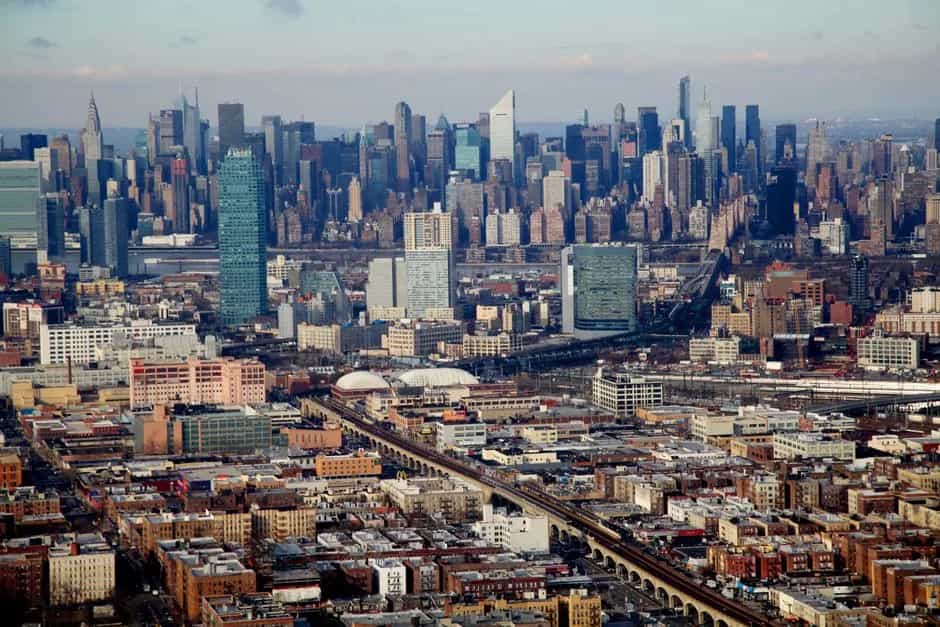
Should you rent in Long Island City or Williamsburg?

What's the difference between renting in Astoria and Upper East Side?
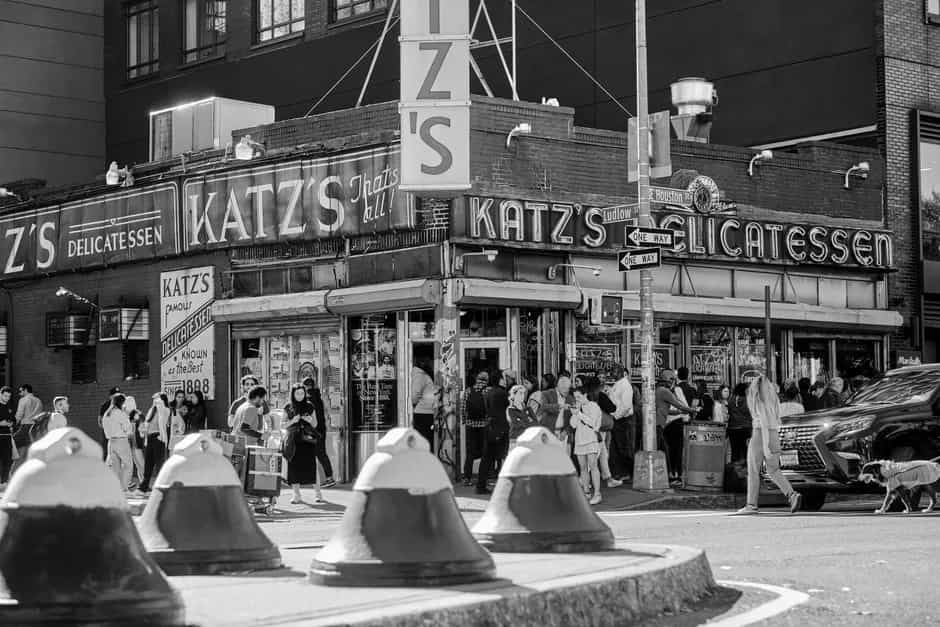
Lower East Side vs. Williamsburg: rent, buildings, and what to expect in each
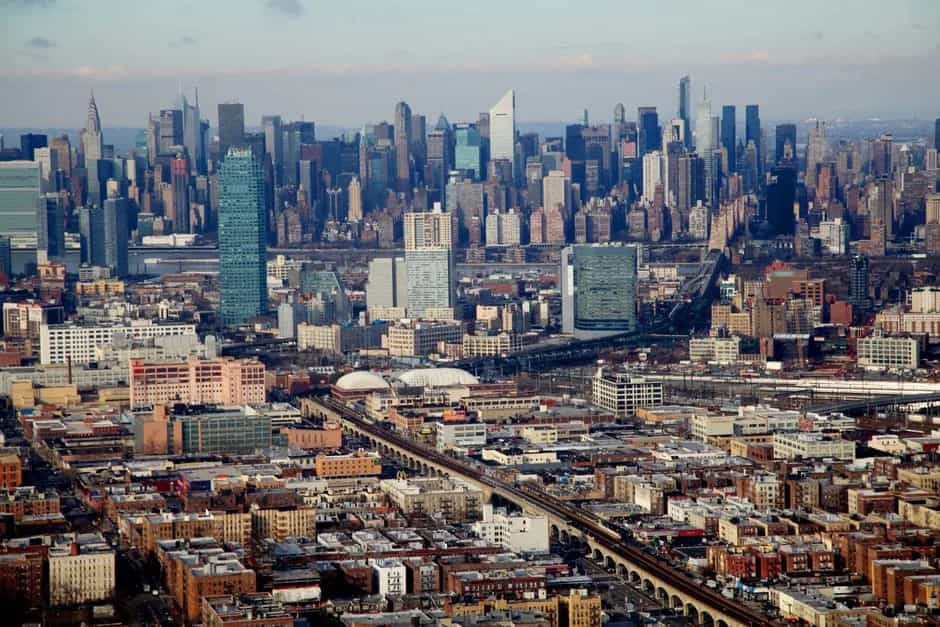
Renting in Long Island City vs. Murray Hill: how they compare
East Village vs. Greenpoint: which neighborhood is right for you?

Downtown Brooklyn vs. Financial District: which neighborhood fits your budget and lifestyle?

Should you rent in Bushwick or Lower East Side?
East Village vs. Ridgewood: where should you rent?