

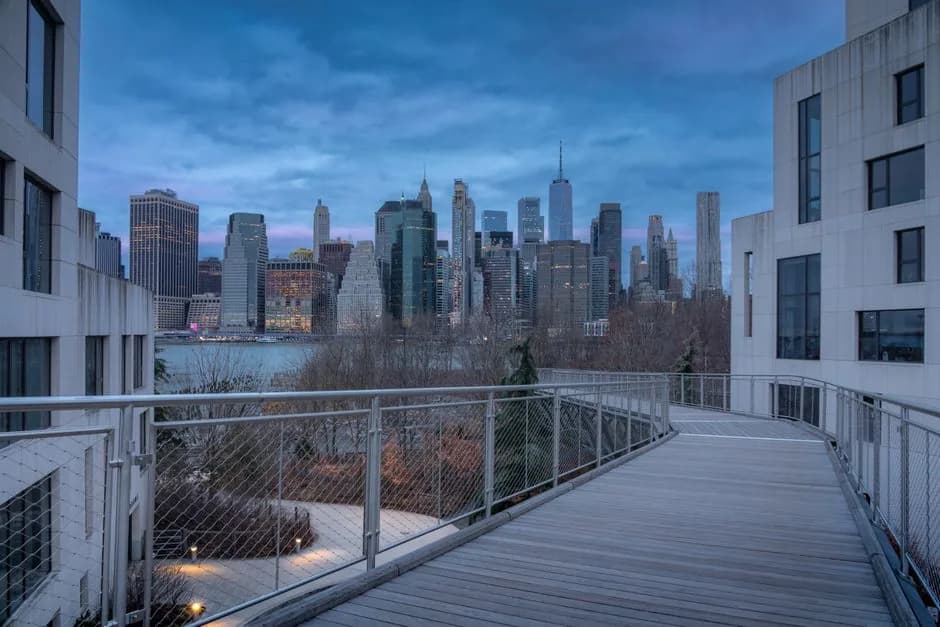
Park Slope or Upper West Side? A renter's comparison
When weighing rental options between Park Slope and the Upper West Side, renters will find both unique benefits and challenges. Park Slope in Brooklyn has a median rent of $3,674, which is notably lower compared to the Upper West Side's $5,699. This significant price difference is a primary consideration for many potential tenants, especially those looking for a more affordable rental market. Beyond rent, both neighborhoods offer distinct living experiences. Park Slope has a smaller building count with 650+ buildings but a good percentage, 41%, of rent-stabilized units. In contrast, the Upper West Side, located in Manhattan, boasts 908+ buildings with a higher percentage of these--74%--being rent-stabilized, appealing to long-term renters seeking stability. This comparison will help you decide which neighborhood aligns better with your needs. Read on to understand rental dynamics, the living environment, and tenant opinions to guide your choice.
Quick verdict
Park Slope and the Upper West Side each offer distinct advantages, but your choice may largely depend on budget and lifestyle needs. Park Slope's median rent is $3,674, which is significantly lower than the Upper West Side's $5,699. This makes Park Slope a compelling choice for budget-conscious renters. However, those seeking more rental options will find the Upper West Side offers 357 active listings compared to Park Slope’s 14.
Park Slope boasts a higher percentage of pet-friendly buildings—39%—suitable for pet owners, while the Upper West Side features 43% pet-friendly options. When considering housing stability, the Upper West Side leads with 74% rent-stabilized buildings, making it attractive for long-term tenants, compared to Park Slope’s 41%.
Ultimately, renters must decide whether affordability and a more intimate community in Park Slope outweigh the Upper West Side’s extensive options and stability. As you explore both neighborhoods, consider what aspect—cost, stability, or availability—is your priority when weighing your options.
Rent compared: Park Slope vs. Upper West Side
When evaluating rent, Park Slope emerges as a more affordable choice. With a median rent of $3,674, it is considerably cheaper than the Upper West Side’s $5,699. This $2,025 difference can be pivotal for renters prioritizing cost-efficiency in their decision. Renters looking at studio apartments will find Park Slope's median rent at $3,368 whereas, in the Upper West Side, it's higher at $3,920.
Though Park Slope's average rent across listings is $4,027, which reflects some higher-tier options, it remains affordable when compared to the Upper West Side's average rent that stands at $7,249. The financial implications are clear—Park Slope offers a 35.5% reduction in median rent compared to its Manhattan counterpart. For renters budgeting for an apartment in a active community with slightly more economic rentals, Park Slope may present more financially viable solutions.
When navigating rent in either neighborhood, it’s essential to consider the rent range as well. Park Slope's 90th percentile rent is $4,811, which is affordable compared to the Upper West Side’s daunting $12,342. Make sure you prioritously evaluate what your budget allows while considering which neighborhood fits your lifestyle.
What each is like to live in
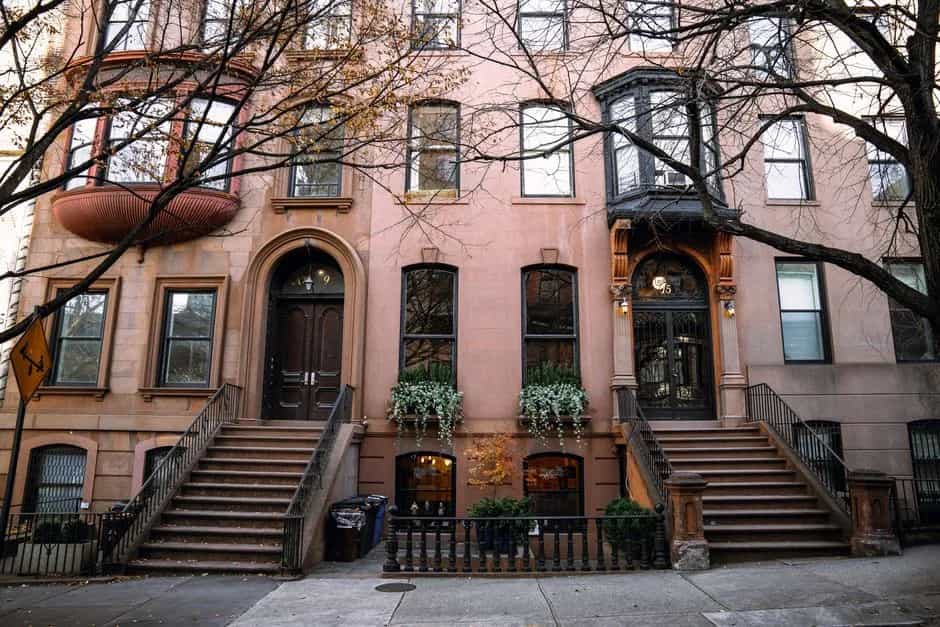
Living in Park Slope offers a more residential and community-focused environment, contrasted by the Upper West Side's metropolitan ambiance. Park Slope, with its 650+ buildings, is woven into the fabric of Brooklyn's more historic architecture and laid-back lifestyle. The area is known for its comfortable rows of brownstones and tree-lined streets which enhance its community-driven vibe.
In contrast, the Upper West Side, boasting over 908+ buildings, provides a denser urban experience within Manhattan. It's an area where arts and culture meet the convenience of city life, offering easy access to multiple services, restaurants, and entertainment options. Despite the higher cost of living, 74% of its buildings are rent-stabilized, offering longevity and predictability for tenants.
Ultimately, the choice between these neighborhoods can be distilled down to personal preference. Park Slope could be ideal for those seeking a quieter environment, while the Upper West Side might appeal to those who value city accessibility and amenities. As you assess these neighborhoods, think about your lifestyle needs and how they align with each area's unique character.
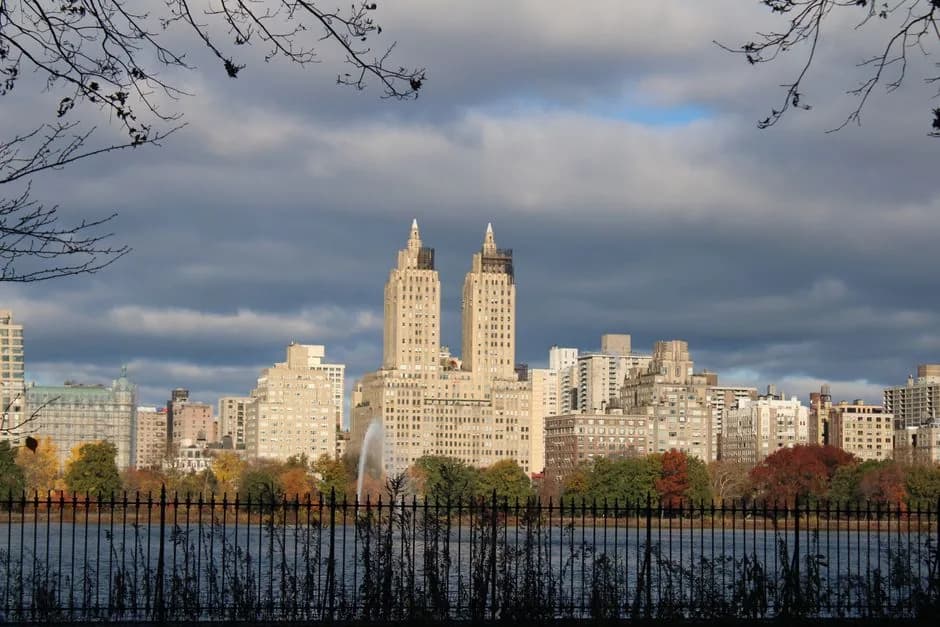
Buildings and housing stock: Park Slope vs. Upper West Side
Delving into the housing stock, Park Slope features 650+ buildings with a significant portion—41%—being rent-stabilized. This can be appealing to those seeking long-term, predictable housing. Around 39% of the buildings are pet-friendly, providing a welcoming environment for pet owners. However, the offerings in Park Slope are limited, with only 14 active listings contributing to a more confined rental market.
In contrast, the Upper West Side offers more extensive housing options, with 908+ buildings confirming the neighborhood's larger scale. Focusing on stability, the Upper West Side presents a greater advantage with 74% of its stock being rent-stabilized, a significant feature attracting renters aiming for stability in Manhattan. Moreover, 43% of these buildings are pet-friendly, slightly higher than Park Slope’s offerings.
The building options in Park Slope and the Upper West Side differ widely, not just in volume but also in the variety of housing available. Make sure to explore both neighborhoods with a sharpened focus on your housing priorities. Whether you prioritize a broader selection or a community feel may significantly influence your choice.
What tenants say: Park Slope vs. Upper West Side
Tenant reviews in Park Slope indicate a generally positive sentiment, with an average building rating of 3.65. They appreciate the neighborhood's residential appeal and community vibe, bolstered by the presence of 39% pet-friendly buildings. However, fewer buildings have substantial review counts, limiting extensive feedback from the tenant community.
The Upper West Side, with an average building rating of 3.74, showcases a richer tapestry of tenant evaluations. With 21 buildings categorized as most-reviewed, it suggests a more active tenant community actively sharing experiences. Tenants often favor the cultural diversity, accessibility, and the array of services available. A notable advantage arises from the higher percentage of rent-stabilized buildings, providing tenants peace of mind over potential rent increases.
As you consider tenant perspectives, weigh the quality of community rhetoric that aligns with your values. A neighborhood with ample reviews hints at enhanced trust and shared experiences among past tenants—factors worth considering as part of your decision-making toolkit.
Building condition and track record: Park Slope vs. Upper West Side
In assessing the condition and track record of buildings, the Upper West Side takes a slight edge with its average building rating of 3.74 compared to Park Slope's 3.65. This indicates a marginally higher level of satisfaction among tenants concerning building conditions. The Upper West Side also has more extensively reviewed buildings, with 21 being the most-reviewed, allowing prospective renters to gather a wider array of tenant experiences.
In Park Slope, the availability of fewer reviews could signify a quieter, less communicative tenant base or a smaller pool of tenants willing to share their experiences. However, it should also be noted that Park Slope has 291 buildings rated as top-rated, suggesting many buildings are well-maintained and meet tenant expectations.
If you're a potential renter, delve deeper into the buildings' individual reviews where possible, focusing on elements like maintenance response times, noise levels, and neighbors' interactions. These are critical factors to consider, especially when selecting a long-term rental home in either neighborhood.
Getting around compared
Both Park Slope and the Upper West Side are well-connected neighborhoods, though their respective boroughs offer different commuting textures. Park Slope residents enjoy a manageable urban grid of Brooklyn, making public transit an efficient option for navigating to adjacent areas. While specific transit lines aren't discussed here, it's generally accepted that the neighborhood offers a balance between local community life and city accessibility.
Upper West Side dwellers benefit from Manhattan’s extensive transit options, providing swift access to other parts of the city. Its Manhattan locale implies more frequent connectivity, allowing greater exploration of city offerings. This advantage is crucial for tenants valuing fast-paced living and quick commutes.
Ultimately, each locale has its own transit convenience shaped by surrounding borough characteristics. Consider whether you prefer a slightly slower-paced lifestyle found in Brooklyn's streets or Manhattan’s fast-moving, transit-rich environment. Test out commuting scenarios during property viewings to assess which aligns more seamlessly with your daily journey expectations.
Which should you choose — Park Slope or Upper West Side?
Selecting between Park Slope and the Upper West Side boils down to personal preferences in budget, lifestyle, and daily logistics. Suppose affordability is your primary concern; in that case, Park Slope presents a compelling option with its $3,674 median rent, much lower than the Upper West Side's $5,699. This substantial rent difference may free up budget for other lifestyle preferences if living costs are a concern.
However, if housing stability and an urban environment are your priorities, the Upper West Side’s higher percentage of rent-stabilized units—74% in contrast to Park Slope’s 41%—could tip the balance in its favor. This neighborhood also offers denser rental options, with 908+ buildings compared to Park Slope’s lighter market.
Ultimately, your choice should reflect what you value more—a community-centered life within Brooklyn's citied streets or Manhattan’s active, expansive urban setting. Make sure to visit neighborhoods, inquire about buildings, and weigh in personal lifestyle preferences heavily before making your decision.
At a glance
- Park Slope's median rent is $3,674, cheaper than Upper West Side's $5,699.
- Upper West Side offers more rental options with 357 listings vs. Park Slope's 14.
- Upper West Side has 74% rent-stabilized buildings; Park Slope offers 41%.
- Both neighborhoods are pet-friendly: Park Slope 39%, Upper West Side 43%.
- Park Slope is generally more affordable, ideal for budget-conscious renters.
FAQ
The bottom line
Browse current listings in Park Slope and Upper West Side, or read what renters are saying about specific buildings on Openigloo.
Browse Park Slope listingsOther neighborhood guides nearby — same borough, different rent ranges and vibes. Useful when you're widening the search radius.
Moving to Downtown Brooklyn? Here's what renters should know

A complete renter's guide to Greenpoint
New to Williamsburg? A renter's starter guide
New to Crown Heights? A renter's starter guide
Renting in Gowanus: everything you need to know
What it's really like to rent in Fort Greene
Renting in Brooklyn Heights: what to expect
Renting in Bedford-Stuyvesant: what to expect
Other comparison pairs in the same theme — neighborhoods that come up in the same kinds of debates renters have when they're deciding where to live.
Should you rent in Long Island City or Williamsburg?
What's the difference between renting in Astoria and Upper East Side?
Lower East Side vs. Williamsburg: rent, buildings, and what to expect in each
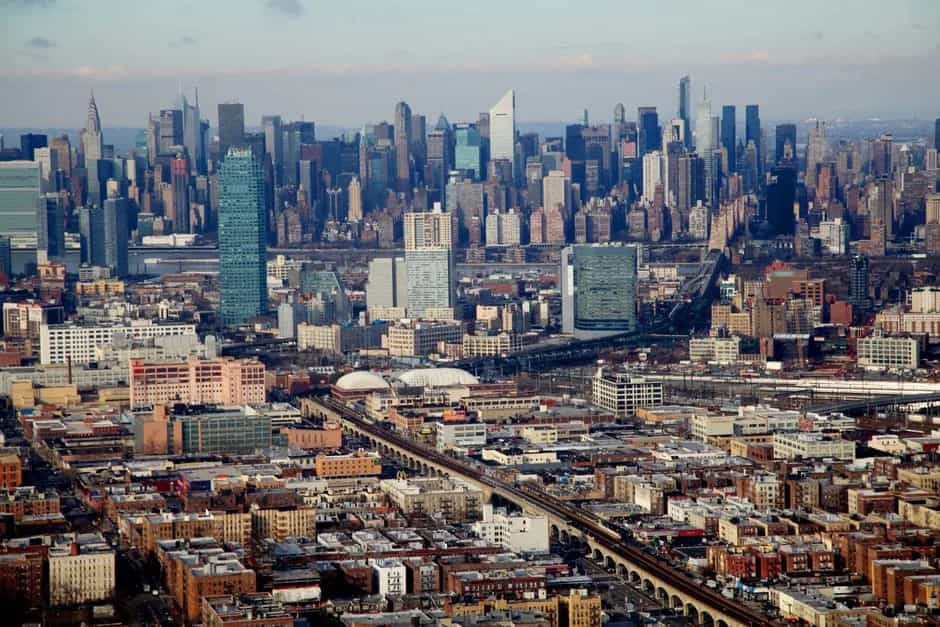
Renting in Long Island City vs. Murray Hill: how they compare
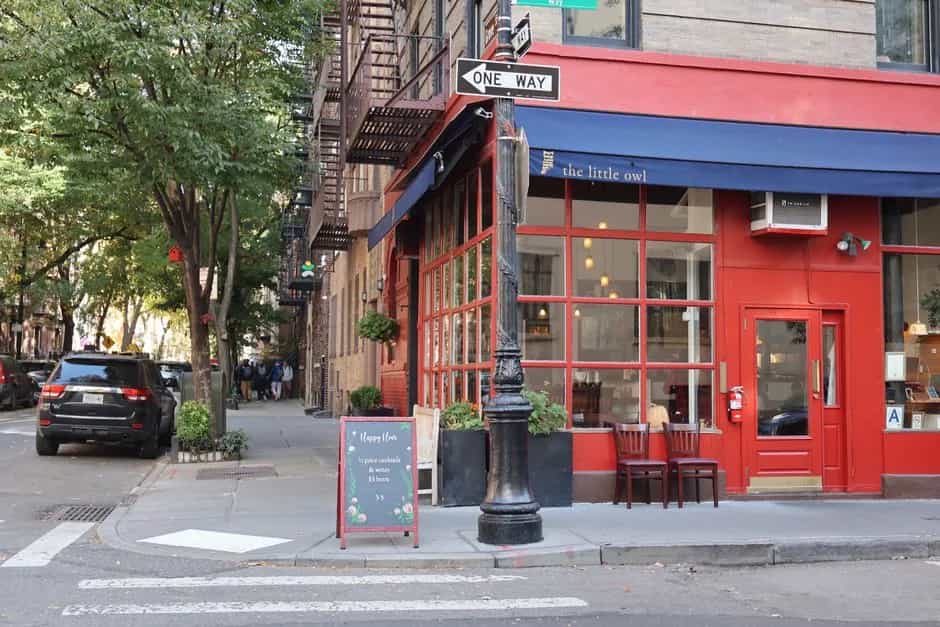
East Village vs. Greenpoint: which neighborhood is right for you?
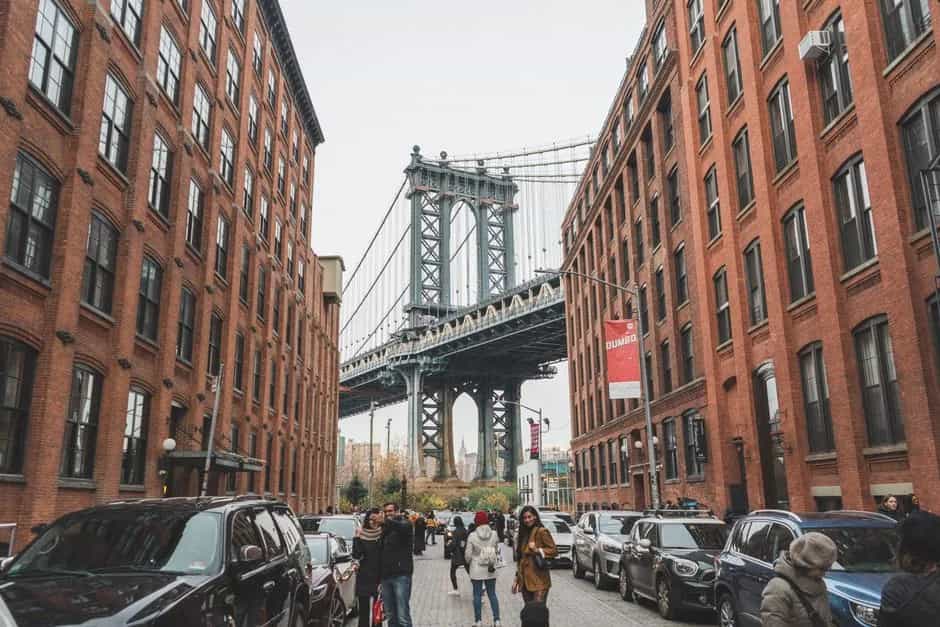
Downtown Brooklyn vs. Financial District: which neighborhood fits your budget and lifestyle?

Should you rent in Bushwick or Lower East Side?
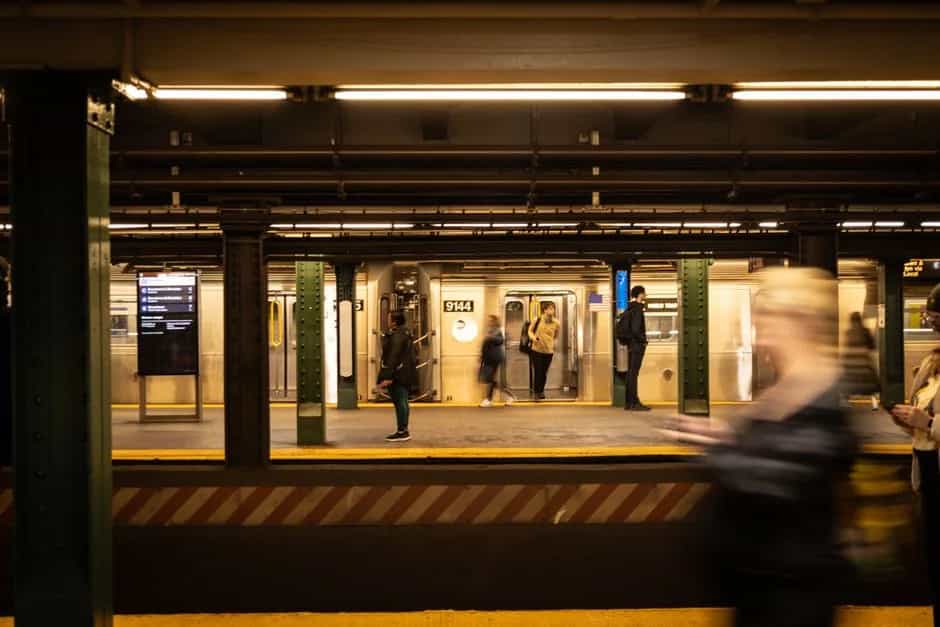
East Village vs. Ridgewood: where should you rent?