


Should you rent in Upper East Side or Yorkville?
Are you deciding between renting in the Upper East Side and Yorkville? Both neighborhoods are located within Manhattan, offering distinctive trade-offs in terms of cost and lifestyle. One of the most striking differences is the median rent: while the Upper East Side commands a median rent of $7,646, Yorkville presents a more budget-conscious option at $4,834. In addition to price differences, there are other aspects to consider. For example, the number of active listings varies significantly, from just 16 in the Upper East Side to 277 in Yorkville, which suggests more immediate choices in Yorkville. However, the number of buildings in Yorkville (796) vastly outnumbers those in the Upper East Side (73), which might imply greater housing variety. The rest of this guide will delve deeper into these differences, revealing what each neighborhood has to offer beyond just numbers. Whether it's building conditions, tenant reviews, or neighborhood dynamics, understanding these nuances will help you make an informed decision. Let's explore both neighborhoods more closely so you can decide which suits your renting needs best.
Quick verdict
When choosing between the Upper East Side and Yorkville, one of the most significant factors is rent. The Upper East Side's median rent stands at $7,646, making it noticeably more costly than Yorkville's $4,834. This price difference is significant for budget-conscious renters looking to save on monthly expenses.
The active listing count is another area where Yorkville takes the lead, with 277 options compared to the Upper East Side's 16. This means more options for those looking to move quickly. The number of buildings in Yorkville also dwarfs that of the Upper East Side—796 compared to 73—suggesting that you're likely to find more architectural variety and availability in Yorkville.
Thus, for those prioritizing budget, variety, and availability, Yorkville seems more appealing. However, those willing to spend more for perhaps a quieter setting with fewer buildings might find the Upper East Side suitable. Consider your lifestyle needs and priorities when making this decision.
Rent compared: Upper East Side vs. Yorkville
Rent is a crucial factor for most renters, and here's where the Upper East Side and Yorkville differ significantly. The Upper East Side commands a median rent of $7,646, which is a sharp contrast to Yorkville's more affordable $4,834. This substantial rent difference of $2,812 represents a 58.2% higher cost on the Upper East Side, emphasizing how location and prestige impact rents in Manhattan.
For those seeking a one-bedroom apartment, Yorkville still remains more budget-friendly with a median rent of $5,085 compared to $5,457 in the Upper East Side. Likewise, for two-bedroom units, Yorkville averages around $7,100 against the Upper East Side's $15,000, showcasing a dramatic variance that could make or break a decision depending on family size or need for space.
This disparity also reflects in no-fee listings, where 29% of Yorkville's listings offer this advantage compared to just 25% in the Upper East Side. Given these differences, those looking for a wider range of pricing and options may find Yorkville more aligned with their financial plans. It's essential to weigh these factors, particularly if budget constraints are crucial in your decision-making process.
What each is like to live in
Upper East Side living is characterized by a more premium lifestyle, often reflected in its higher rent prices. It's known for luxurious accommodations and a quieter, more exclusive environment due to a smaller number of buildings (73). The limited number of active listings (16) suggests that housing may be more scarce, particularly suited to those seeking upscale living with a more personal touch. There is, however, a high percentage of rent-stabilized (71%) and pet-friendly buildings (44%), which may appeal to stable, long-term tenants with pets.
Conversely, Yorkville offers a more down-to-earth urban experience with a broader range of housing options since it features 796 buildings and a significantly higher active listing count of 277. This suggests more turnover and availability, suitable for those in need of flexible or immediate housing. The neighborhood also records a substantial portion of rent-stabilized units at 75%, positioning it as a viable option for tenants seeking longevity in their living arrangements.
While both neighborhoods boast convenience fitting Manhattan living, the distinct differences in lifestyle should guide renters depending on whether they prioritize luxury and exclusivity or variety and flexibility. Make sure to assess what environment you're looking to live in before making a choice.

Buildings and housing stock: Upper East Side vs. Yorkville
Yorkville stands out with 796 buildings compared to the Upper East Side's 73, illustrating a varied and expansive housing stock. This disparity offers renters a wider array of architectural styles, apartment sizes, and building amenities to choose from in Yorkville. Such variety can be advantageous for those seeking specific features or willing to consider different building conditions. The relatively high number of top-rated buildings—323 in Yorkville—also suggests a level of satisfaction among tenants.
In contrast, the Upper East Side features fewer buildings, which might appeal to those looking for a quieter residential experience. Although it offers fewer top-rated buildings (33), the neighborhood is characterized by a significant portion of rent-stabilized (71%) and pet-friendly units (44%). This indicates a stable and welcoming environment for long-term tenants who value these specific building features.
Given this data, those valuing a broad search with numerous building options and renters’ feedback may favor Yorkville. However, renters seeking the intimate, less crowded experience of the Upper East Side should consider that fewer available units could mean fewer opportunities at any given time.
What tenants say: Upper East Side vs. Yorkville
Tenant reviews should not be underestimated when deciding where to rent. In Yorkville, tenant feedback is abundant with a total of 791 reviews compared to just 72 in the Upper East Side. This higher review volume in Yorkville can be an invaluable source of community insights and practical feedback, providing a better sense of day-to-day life there. Positive tenant experiences are supported by 323 top-rated buildings, pointing to satisfying living conditions in many Yorkville properties.
Although the Upper East Side has fewer reviews, it maintains a respectable average building rating of 3.75 out of 5. Despite the smaller number of tenants contributing feedback, this rating suggests that those who do lease tend to appreciate their living conditions. However, the reliance on a smaller pool of data means prospective tenants might have less community-driven information to gauge the general living experience.
Knowing what actual residents think and experience can influence your desire to join a particular community. Therefore, prospective renters should consider reaching out to current tenants or visiting the neighborhood to get a more personal feel of the atmosphere, especially in areas with fewer resident reviews like the Upper East Side.
Building condition and track record: Upper East Side vs. Yorkville
When comparing the Upper East Side and Yorkville by building condition and reputation, the data illustrates particular strengths in Yorkville. With an impressive 323 top-rated buildings, Yorkville has a solid track record for tenant satisfaction and favorable living conditions. This contrast sharply with the Upper East Side, which has 33 top-rated buildings, possibly due to its smaller number of total buildings (73).
However, the Upper East Side offers a higher percentage of pet-friendly housing—44% compared to Yorkville's 39%—which can be a determining factor for pet owners. Additionally, both neighborhoods provide high percentages of rent-stabilized units (71% in Upper East Side and 75% in Yorkville), indicating that renters in either community may find stable, long-term rental opportunities.
Evaluating building quality and history is key, especially if you prioritize a trouble-free renting experience. Consider visiting potential buildings and asking about maintenance response times and any known structural issues. It can also be helpful to speak to existing tenants to gain a clearer understanding of the building's management quality and the landlord's responsiveness.
Getting around compared
When considering how to navigate each neighborhood, the total number of buildings and rental units can offer indirect insights into accessibility and infrastructure. Yorkville's extensive stock of 796 buildings suggests a neighborhood well integrated within Manhattan's broader connectivity, though specifics like transit coverage aren't detailed here. The higher count of active listings in Yorkville—277 to the Upper East Side's 16—indicates greater turnover and accessibility for new tenants seeking swift moves.
On the other hand, the Upper East Side's limited number of buildings (73) and listings might point to a more walkable, potentially less congested environment. With fewer active rentals, it may also feel less transient, providing an atmosphere that might appeal to those looking for a more settled community.
For renters reliant on public transit, proximity to transportation routes is a must-verify during apartment tours. Inquiries about commuting ease and alternative transit options might reveal neighborhood perks, especially given Manhattan's generally robust grid. Understanding how easily you can connect with other parts of Manhattan can be a significant factor influencing your choice between these two neighborhoods.
Which should you choose — Upper East Side or Yorkville?
Your decision between the Upper East Side and Yorkville will likely hinge on budget, lifestyle preferences, and availability of housing. If budget flexibility is less of a concern and exclusive, quieter living is, the Upper East Side could be more fitting, with its median rent of $7,646 and fewer, potentially less transient rental opportunities. The higher percentage of pet-friendly and rent-stabilized buildings also caters to specific rental needs.
Alternatively, Yorkville’s more budget-friendly median rent of $4,834 and its significantly broader choice of rental options make it appealing for those seeking affordability and variety. The active listing count of 277 provides more opportunities for immediate availability, reflecting a busy rental market with potential room for negotiation or lower-barrier entry.
Ultimately, the right choice will depend on individual needs and priorities—whether it's balancing budget constraints with lifestyle aspirations, or deciding between availability and exclusivity. Visiting both neighborhoods and considering specific building reviews and tenancy conditions can further guide this important decision in choosing the right Manhattan environment for you.
FAQ
The bottom line
Browse current listings in Upper East Side and Yorkville, or read what renters are saying about specific buildings on Openigloo.
Browse Upper East Side listingsOther neighborhood guides nearby — same borough, different rent ranges and vibes. Useful when you're widening the search radius.

Is Hell's Kitchen a good place to live? A renter's guide

New to Upper West Side? A renter's starter guide

Renting in Financial District: everything you need to know

Renting in Kips Bay: everything you need to know

New to Murray Hill? A renter's starter guide
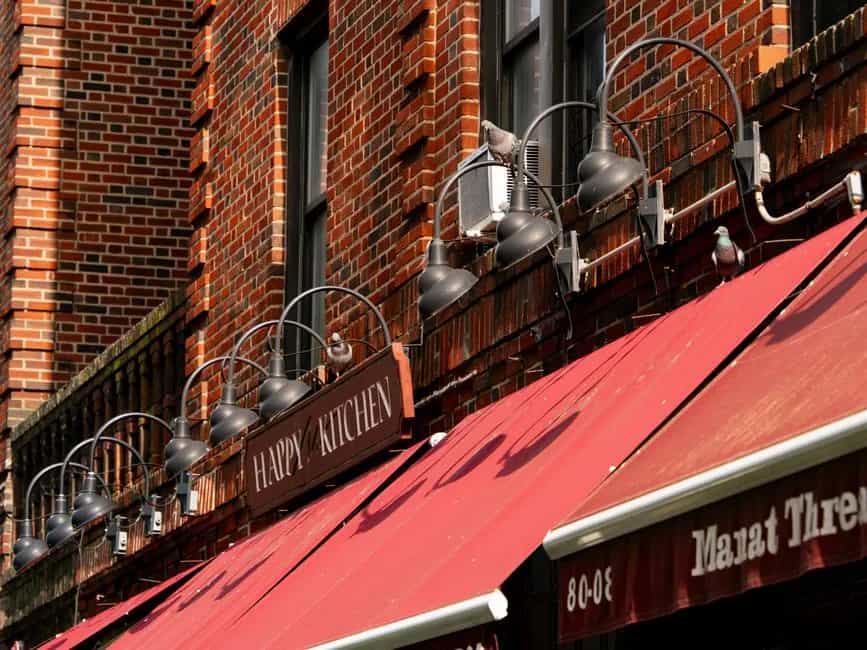
Moving to Yorkville? Here's what renters should know

New to East Village? A renter's starter guide

Renting in Chelsea: what to expect
Other comparison pairs in the same theme — neighborhoods that come up in the same kinds of debates renters have when they're deciding where to live.

Choosing between Greenpoint and Williamsburg: a renter's guide

Astoria or Long Island City? A renter's comparison

Renting in East Village vs. Lower East Side: how they compare
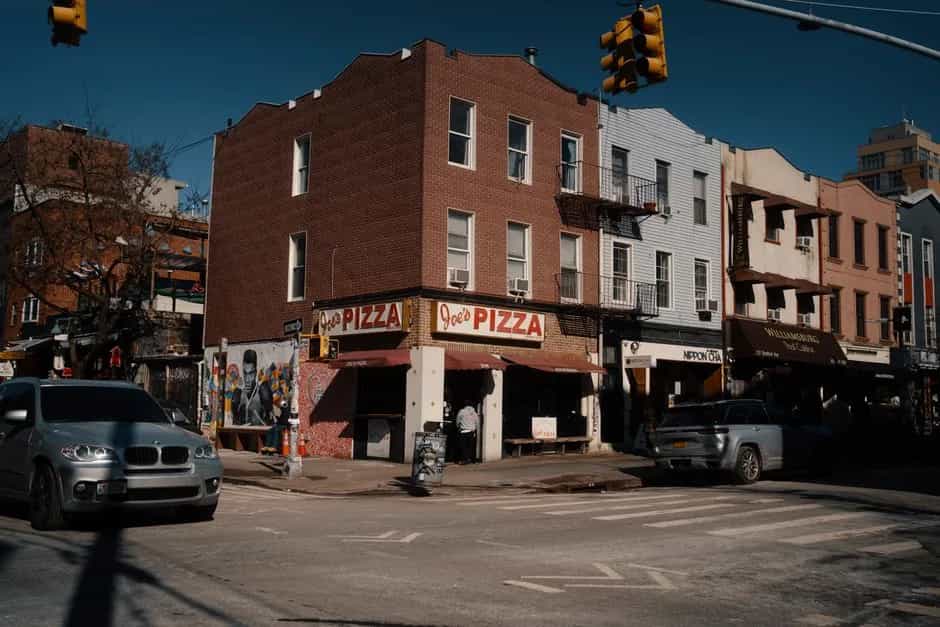
Park Slope vs. Prospect Heights: where should you rent?

Kips Bay vs. Murray Hill: which neighborhood fits your budget and lifestyle?
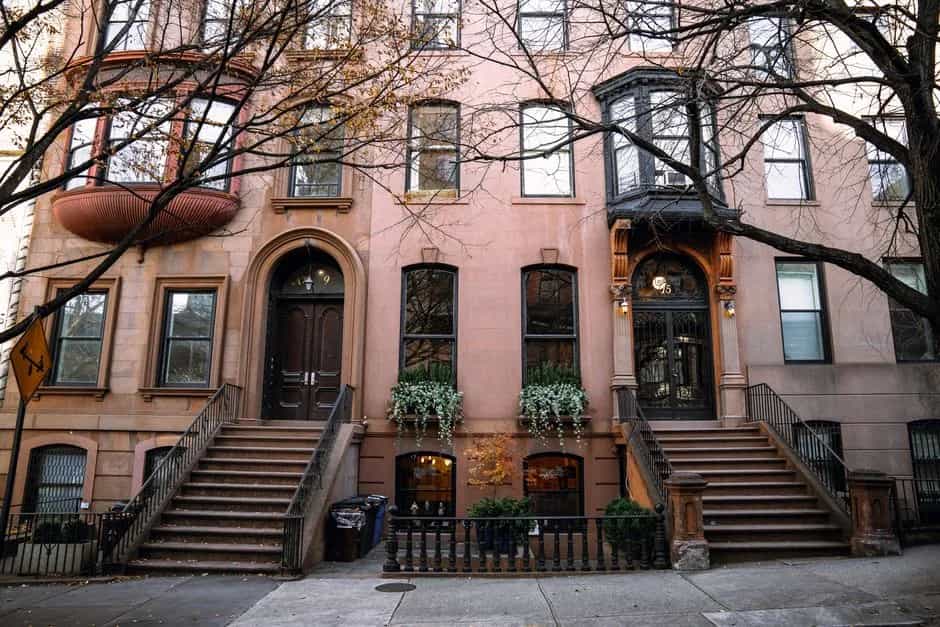
Bedford-Stuyvesant vs. Bushwick: where should you rent?

Hell's Kitchen or Midtown West: which is the better place to rent?

Crown Heights or Prospect Lefferts Gardens? A renter's comparison