

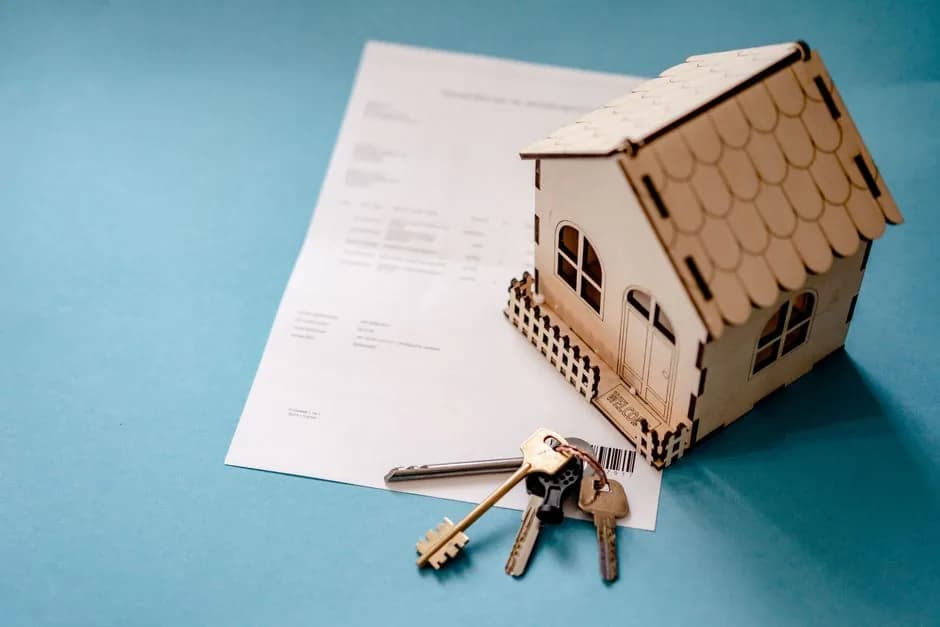
What happens if my landlord doesn't return my security deposit in NYC?
If you're renting in New York City and find yourself wondering what to do if your landlord doesn't return your security deposit, you're not alone. Brooklyn's median rent stands at $4,250, and for many, the security deposit represents a significant sum. This guide is designed to help renters navigate situations where landlords might withhold deposits improperly. Understanding your rights is crucial. The security deposit is meant to cover damages or unpaid rent, not to serve as an extra source of income for landlords. If these conditions do not apply, the landlord is generally required to return the deposit within a reasonable time after lease termination. However, many renters are unsure about how to proceed when this doesn't happen. We'll walk you through the specific actions you can take if you find yourself in this situation, common misconceptions about deposit returns, and the possible legal steps available. Use this article to equip yourself with the knowledge needed to resolve deposit issues swiftly and fairly.
Short answer
In New York City, if your landlord doesn't return your security deposit, you typically have the right to request a detailed statement of why it's being withheld. This statement should account for any portion of the deposit used for damages or unpaid rent. If it's still not clear or if you believe your deposit is being wrongfully withheld, you can take further steps, including seeking mediation or filing a small claims court case.
It's crucial to address this issue promptly, ideally starting with a formal written request to the landlord. This initial step helps in documenting the situation and clarifying expectations on both sides. Since the cost of rents in areas like Brooklyn can be significant—with a median rent at $4,250—ensuring your deposit is handled correctly is financially important.
If resolving the issue directly with the landlord is unsuccessful, consider mediation services or legal advice. Remember, a proper understanding of your lease and rights can significantly impact the outcome of such disputes.
The details
When you move out of an apartment in New York City, your landlord is supposed to return your security deposit within a reasonable timeframe, usually 30 days. This is contingent upon the apartment being in good condition and all rent being paid. If any portion of the deposit is used for repairs beyond normal wear and tear or cleaning, you should receive an itemized list of expenses.
It's important to understand what can legally justify withholding a deposit. Landlords cannot retain funds for general clean-up if the apartment is left in a clean condition, nor can they withhold the deposit for normal wear and tear, such as minor carpet wear. Given Brooklyn's relatively high median rents ($4,250), a security deposit often represents a significant sum of money.
If you suspect the landlord has unjustly withheld your deposit, gather all supporting documents, such as photos of the apartment on move-out, the lease agreement, and any correspondence with the landlord. Knowing your rights and responsibilities under New York laws can be instrumental in successfully reclaiming your deposit. If necessary, legal resources or tenant advocacy groups can provide additional assistance.
What renters often get wrong
Many renters mistakenly believe that landlords have the unilateral right to decide whether or not to return the deposit without justification. In reality, New York City law requires landlords to provide an itemized statement if they intend to use any part of the security deposit for damages. This misconception can delay renters from taking action when their security deposit is withheld improperly.
Another common mistake is not documenting the condition of the apartment at both move-in and move-out. Without photographic evidence or a walkthrough report, it can become challenging to dispute a landlord’s claims about damages. Unfortunately, failing to document conditions can lead to scenarios where Brooklyn renters feel compelled to accept unfair deductions from deposits, impacting their ability to secure the next apartment given the substantial $4,250 median monthly rent.
Understanding the lease contract and keeping thorough records are key steps toward avoiding these issues. By being proactive, including detailed communication with your landlord and consulting resources when necessary, you can better protect your security deposit and save yourself from unnecessary financial stress.
Bottom line
In summary, the key to managing your security deposit effectively lies in understanding your rights and maintaining good documentation. If your landlord in New York City doesn’t return your deposit, you must act promptly. Start by asking for an itemized statement of damages or unpaid rent. If the response is not satisfactory, you might explore options like mediation or small claims court.
Given the high median rents in areas such as Brooklyn ($4,250), ensuring that your deposit is managed appropriately can prevent unexpected financial strain. Not acting could mean losing a significant amount, which might impact subsequent housing decisions. Therefore, as you prepare to move or if a deposit is held unfairly, be informed about the steps and resources available.
Finally, it's advisable to be proactive throughout your tenancy. Clear communication with your landlord and understanding your lease can avoid many disputes. Knowing your options and rights can empower you to handle security deposit issues effectively, thereby securing your finances for future housing needs.
At a glance
- Request itemized statement for withheld deposits.
- Document apartment conditions at move-in/out.
- Understand lease terms regarding deposits.
- Act within 30 days of lease termination if issues arise.
- Consider mediation or small claims court if necessary.
FAQ
The bottom line
Browse current NYC listings, or read what renters are saying about specific buildings on Openigloo.
Browse NYC listingsMore short answers to NYC renter questions — covering the same category as the one you just read.

How do you find a rent-stabilized apartment in NYC?

What is Good Cause Eviction in NYC?
Can a landlord deny pets in NYC?
Who is eligible for free housing?
What are tenant rights in NYC?
Can a landlord raise rent in NYC?

How much can a landlord raise rent in NYC?
What is the warranty of habitability in NYC?