
Your guide to renting in Manhattan
Renting in Manhattan presents both opportunities and challenges. With a median rent of $5,624, prospective renters should prepare for a significant investment for city living. Manhattan's real estate market offers 5,474+ active listings, providing a wide range of options depending on budget and needs. From studio apartments to multi-bedroom units, the borough has something for every lifestyle. This guide is designed to help renters navigate Manhattan’s real estate landscape. We'll delve into various aspects such as neighborhood breakdown, building conditions, and tenant experiences. Manhattan comprises 53 neighborhoods, each with its own distinct personality and price range. Considering the average building rating of 3.53, it's crucial to weigh the costs and benefits of renting in different areas. By understanding the details laid out in each section, you'll gain insights into what living in Manhattan truly entails—from everyday commuting considerations to assessing the neighborhood vibes. Use this guide as a resource to make informed decisions, whether you're a long-time NYC resident or new to the city.
Rents across Manhattan
Manhattan has a median rent of $5,624, positioning it as one of the most costly boroughs for renters. This figure is an essential benchmark for potential tenants as it provides a glimpse into the financial commitment necessary to live in this part of New York City. Rental prices vary significantly depending on the neighborhood, with some areas offering more affordability than others. The borough's rent range spans from the 10th percentile at $3,629 to the 90th percentile at $9,641.
This extensive price range highlights the diversity within Manhattan, allowing renters to choose based on their budget and preferred neighborhood vibe. Studios can be found with a median rent of $4,250, making them the most affordable option, while three-bedroom units average a steep $9,497.
When searching for a rental, consider what you're willing to invest in terms of both finances and commute. Exploring no-fee listings, which make up 53% of offerings, could provide significant savings, particularly for newcomers. Understanding the market dynamics is crucial during negotiations with landlords and when planning budgets, ensuring you're equipped with realistic expectations and financial strategies.
Neighborhood breakdown in Manhattan
Manhattan consists of 53 neighborhoods, each offering unique living experiences. Hell's Kitchen, for example, has a median rent of $5,193 and 543 buildings, providing a variety of living spaces. The Upper West Side is slightly pricier with a median rent of $5,699 across 908 buildings, ideal for renters looking for abundant amenities and larger apartments. Meanwhile, the Financial District is competitive with a median rent of $4,617 but has a modest 82 buildings, suiting those seeking a balance between work proximity and community vibe.
Stuyvesant Town/PCV leads in premium renting, with a median rent reaching $7,011, reflecting its sought-after residential feel and limited 52 buildings. Yorkville and East Village offer median rents of $4,834 and $5,500, respectively, making them worthy considerations for renters prioritizing affordability.
Evaluating each neighborhood's rentals requires attention to detail, noting that average building ratings like those in Midtown (3.95) may influence decision-making. The choice ultimately depends on balancing cost, commute, lifestyle, and the type of building atmosphere most appealing to you. Researching these neighborhoods thoroughly and visiting potential locations can enhance your understanding of what living there entails.
What it's like to live in Manhattan
Living in Manhattan delivers an endless array of cultural, recreational, and professional opportunities. As one of the most recognized boroughs, it offers an environment rich in history and innovation housing 11,355+ buildings. Many of these buildings, despite varying in age and design, offer modern amenities essential to urban living.
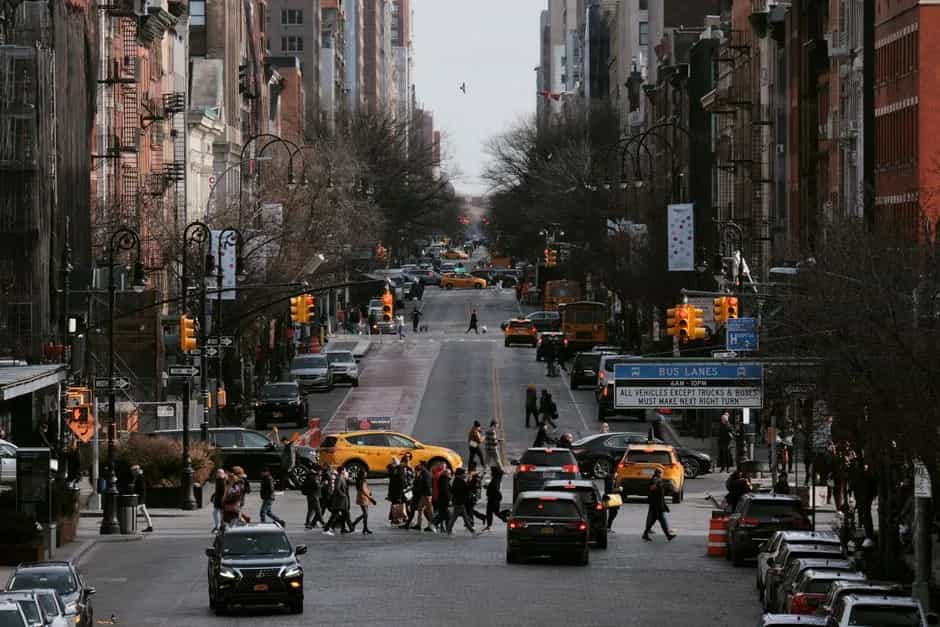
Manhattan is well-served by public transit, easing the commute for workers and residents alike. With 40% of buildings being pet-friendly, Manhattan accommodates animal lovers well. Renters have a wide choice of environments ranging from high-energy urban settings to more relaxed residential streets. The array of dining and entertainment options is vast, though often accompanied by higher urban living costs.
While living here comes with a higher price tag compared to other boroughs, Manhattan's allure often outweighs the costs. Yet, prospective residents should weigh their spending carefully, considering food, entertainment, and commuting expenditures. Understanding the variety of vibes and activities helps better match personal preferences with a suitable neighborhood.
Building stock across Manhattan
Manhattan boasts a building stock of 11,355, providing a diverse range of residential options for renters. Notably, 40% of these buildings offer pet-friendly policies, widening appeal for renters with pets. The choice between pre-war charm or newer, modern high-rises presents renters with a range of architectural styles and living arrangements.
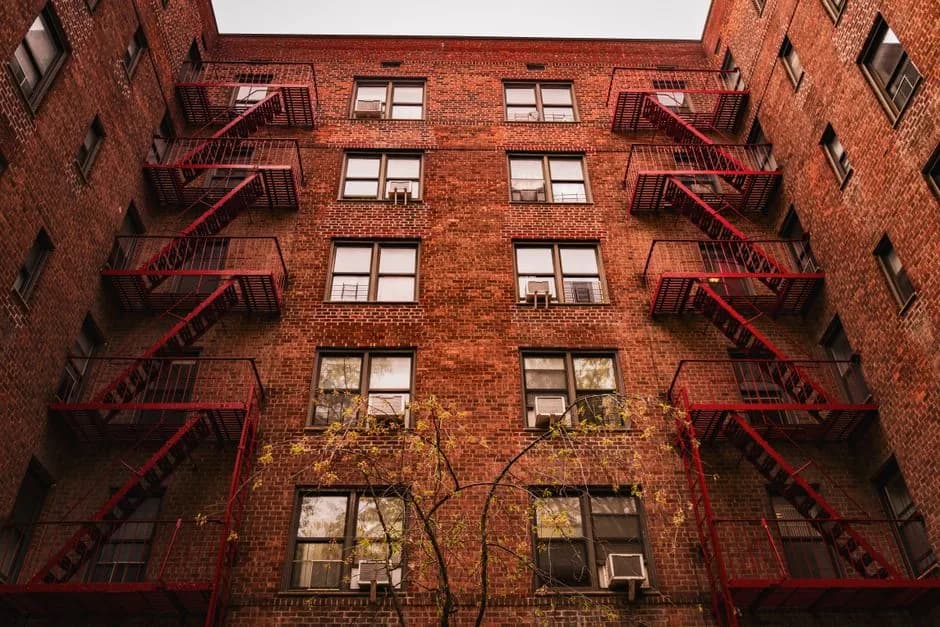
With 70% of the buildings rent-stabilized, Manhattan offers more affordable options for those looking to mitigate the borough's high cost of living. However, this can come with trade-offs, such as fewer amenities or older building infrastructure. Renters should conduct due diligence during building tours, ensuring they inspect different aspects like heating systems, elevators, and plumbing integrity.
Each building’s average rating sits at 3.53, with a notable 4,046 top-rated buildings. Knowing these ratings can guide renters in narrowing down their choices effectively. Potential renters should verify these conditions during walkthroughs, engaging directly with current tenants if possible to gather firsthand experience and prioritize their needs.
What renters staying in Manhattan say
Renters in Manhattan have varied experiences, largely influenced by neighborhood, lifestyle preferences, and budget. The average building rating across Manhattan is 3.53, indicating a moderate level of satisfaction with accommodations. However, 520 buildings are frequently reviewed, suggesting engaged tenant communities capable of offering additional insights about their living conditions.
Several long-term renters appreciate the convenience and access to amenities but caution prospective habitants on higher living costs. The pet-friendly nature of many Manhattan residences (40%) also enhances the appeal for animal owners. However, those considering a move to Manhattan should plan visits to potential homes and talk to current tenants to understand the reality behind each rating.
Consider what matters most in a living situation, whether it is the vibrancy of the neighborhood or peace within your home. Variables such as community engagement, property manager responsiveness, and building maintenance can influence the overall experience, making firsthand tenant insights a valuable resource in your search.
Building condition and landlord track record in Manhattan
Manhattan's 11,355+ buildings offer varied living experiences, often dictated by the condition of the property and the landlord's track record. With an average building rating of 3.53, prospective renters should be vigilant about the condition and management quality of potential residences. Notably, 4,046 buildings are rated as top-notch, which should be straightforward to identify while conducting your search.
Reviews from current and previous tenants are beneficial, particularly in determining landlord responsiveness and maintenance quality. Buildings with frequent tenant complaints should raise red flags regarding their management's ability to handle issues efficiently.
It is essential for renters to do an initial walk-through of any property, evaluating key components such as appliances, plumbing, and public spaces. Speaking with existing tenants can provide a deeper insight into the reliability of landlords and management teams, ultimately helping tenants make more informed leasing decisions.
Getting around in Manhattan
Manhattan offers excellent public transportation options, making commuting across the borough and to outer areas convenient. This accessibility is a significant advantage for renters who rely on public transit for daily mobility, whether for work or leisure. Well-connected transit lines service the area extensively, supporting not just residents but also those who travel into Manhattan for work.
While Manhattan is densely populated, which can lead to congestion, strategic planning around peak hours can reduce commuting stress. The borough’s comprehensive transit system helps compensate for the high living costs by reducing the necessity for private vehicles.
Prospective renters should factor in transit accessibility when choosing a neighborhood, considering how much time they are willing to spend on commutes to work or other activities. Building location relative to public transportation options can significantly enhance or detract from the overall living experience, depending on personal preferences and daily schedules.
Manhattan vs. other boroughs in NYC
Compared to other boroughs, Manhattan offers distinct advantages and challenges for renters. The $5,624 median rent is notably higher than in surrounding boroughs, reflecting its prominence as a cultural and economic hub. This higher cost living, however, comes with unparalleled access to an array of amenities, from dining and entertainment to parks and cultural institutions.
The diverse building stock in Manhattan—comprising over 11,355 buildings, with 70% being rent-stabilized—provides different levels of affordability not often seen in other boroughs. Manhattan's 40% pet-friendly building rate also stands out, offering renters with pets more options than they may find elsewhere in the city.
Decision-making should include consideration of how Manhattan fits with your lifestyle priorities, weighing factors such as the proximity to work, desired amenities, and the possible adjustment to higher expenses. While other boroughs may offer lower rental costs, Manhattan's convenience and cultural offerings often justify these higher prices for many renters.
FAQ
The bottom line
Browse current listings in Manhattan, or read what renters are saying about specific buildings on Openigloo.
View Manhattan listingsBorough-level overviews for the rest of NYC — handy if your search has spread past the current borough.