

A complete renter's guide to NoMad
Located in the heart of Manhattan, NoMad offers an engaging living experience with its mix of residential options and proximity to the city's energetic pulse. This guide gives renters a detailed overview of what to expect when considering an apartment in NoMad. With a median rent of $6,713, NoMad is on the higher side but offers substantial perks for residents. This guide dives into the aspects that define the neighborhood, such as the types of available buildings, landlord reputations, and the general resident experience. Renters will find that 55% of NoMad's listings have no broker fees, making it a somewhat accessible choice for Manhattan's real estate scene. Use this guide to understand the key factors that impact renting in NoMad, from what it's like to live there to the nearby neighborhoods that offer comparable experiences. Each section provides valuable information for making an informed decision on renting in this active part of the city.
Rent snapshot
In NoMad, the median rent stands at $6,713, reflecting its status as one of the more premium locations in Manhattan. This positions NoMad just above the broader Manhattan median rent of $5,624. Renting in NoMad can range significantly, from as low as $5,043 at the 10th percentile to more than $11,344 at the 90th percentile. This variability offers options for different budget levels while still keeping within the higher Manhattan standards.
For studio apartments, NoMad's median rent is currently $5,115, making it a premium option even for smaller spaces. One-bedroom apartments average around $6,694, which is a substantial cost compared to the median in Manhattan. However, such spaces often justify the price with generous amenities and modern designs. Two-bedroom units reach median prices of $10,838, appealing to those seeking more space and luxury.
Prospective renters should prepare for this premium rental market if they prioritize location and amenities. Being aware of the general median rent provides a baseline for assessing value when touring residences. Speaking to landlords about rent inclusions and additional costs could also give a clearer picture of total living expenses.
What it's like to live there
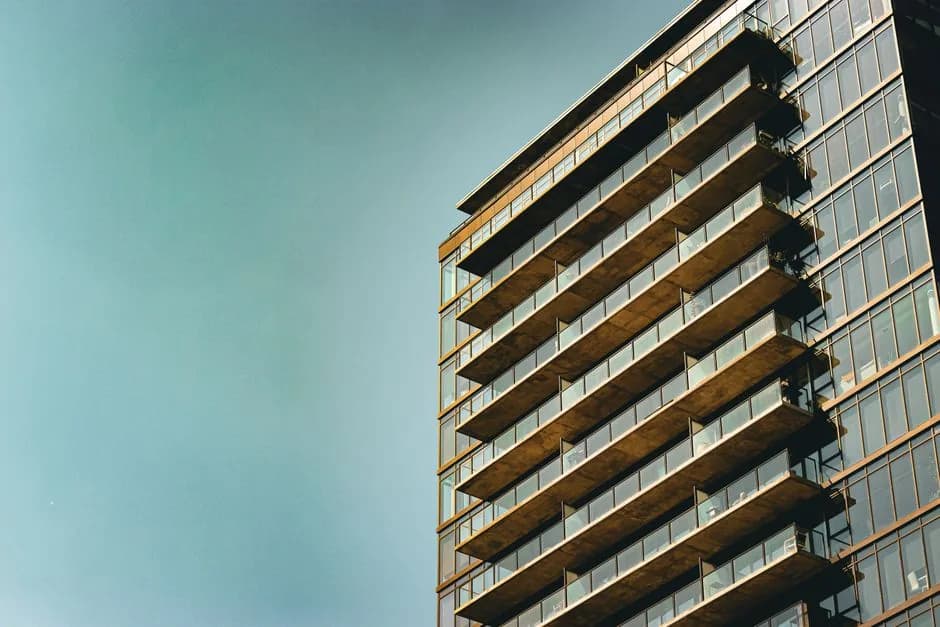
Living in NoMad places you in a central Manhattan neighborhood known for its balance between commercial and residential settings. The housing market features a selection of modern high-rises, offering impressive amenities and close proximity to everyday conveniences. Residents enjoy a sense of community with access to numerous cultural and recreational activities within short distances.
The lifestyle in NoMad tends to cater to professionals who appreciate both the conveniences of urban living and the unique atmosphere of a distinct neighborhood identity. Renters here can benefit from pet-friendly options, as 42% of buildings permit pets. This feature adds a layer of livability for pet owners seeking upscale residences. Key aspects of living in NoMad include easy access to a variety of retail and dining options, enhancing the neighborhood's appeal.
For those contemplating a move to NoMad, it's crucial to balance the cost of rent against the lifestyle benefits and convenience factors. While the area is costly, it comes with the advantage of an energetic ambiance and a wealth of services. Communicating with current residents or engaging with building managers can provide insight into what makes NoMad a preferred choice for many.
Types of buildings and housing stock
With 74 buildings, NoMad presents a diverse array of housing options suitable for various renter preferences. A significant portion of these buildings are modern high-rise constructions that enhance the neighborhood's skyline and offer renters an array of amenities, from fitness centers to communal lounges. These amenities and the contemporary designs contribute to the area’s appeal, justifying its higher rent bracket.
The housing stock in NoMad reflects a mix, with 55% rent-stabilized units providing a measure of affordability amidst the luxury rentals. Buildings with rent stabilization ensure that residents can benefit from controlled rent increases, offering a degree of certainty in an otherwise fluctuating market. Additionally, 42% of the buildings in NoMad are pet-friendly, making it accommodating for pet owners.
When exploring NoMad's housing stock, prospective renters should assess the maintenance and management quality, which can vary. It's useful to ask landlords about building amenities, policies, and any additional costs that might not be included in the rent price. This understanding will smooth the transition into a new living situation and align renter expectations.

What tenants actually say
NoMad tenants consistently highlight the accessibility of amenities and attractions within walking distance. Many appreciate the neighborhood's blend of professional and personal spaces, which supports a balanced lifestyle. Online reviews and community forums showcase a generally positive view of residing in NoMad, although not without Caveats regarding cost and turnover.
Tenants often point out the advantages of pet-friendly policies, with 42% of the buildings accommodating pets. This feature adds value for those with furry companions. Furthermore, many residents note the diverse range of building types, which allows individuals to find what aligns best with their respective needs. Despite the high average rent of $7,634, the provided benefits often make it worthwhile for those who value the central location and conveniences.
It's critical for prospective tenants to read reviews of specific buildings they are interested in to understand any potential issues. Seeking feedback directly from current residents can also yield valuable insights into what daily life is like in NoMad. Such transparency helps in verifying that lease terms and living conditions meet personal standards.
Building condition and landlord track record
The average building rating in NoMad is 3.54 out of 5, reflecting a moderate tenant satisfaction level. Out of 74 buildings, 28 have achieved top ratings, which suggests positive feedback regarding maintenance and landlord responsiveness. These metrics are beneficial for renters assessing their options, pointing to the quality of landlord-tenant interactions within the neighborhood.
Reviews often highlight the state of the building condition as crucial in the decision-making process. A significant consideration for many is how well landlords maintain common areas and address tenant needs. Among the reviewed buildings, four receive the most feedback, indicating a higher level of tenant engagement or maintenance activities. This information can help new renters evaluate which buildings might suit their standards, particularly concerning repairs and upkeep.
Prospective tenants should prioritize viewing multiple buildings to compare conditions and landlord reputations. It's advisable to inquire about the handling of past tenant issues, maintenance schedules, and any recent upgrades conducted. These insights can inform a more informed choice, ensuring renters find a property that aligns with their requirements for quality living.
Getting around
NoMad's central location in Manhattan offers significant advantages for mobility and convenience, making it a suitable choice for many who need regular access to different city districts. The presence of transportation options nearby allows residents swift movement to various parts of Manhattan and beyond. This connectivity is one more reason NoMad is a desirable neighborhood for urban professionals and frequent city explorers.
While specific transit details aren't available here, it's common for Manhattan neighborhoods to have numerous ways of getting around. Hence, residents often enjoy the benefits of living in a well-connected area, allowing them to capitalize on both work and leisure opportunities. The efficiency of transport links is often a deciding factor for prospective renters who require reliability and speed in their daily commutes.
When considering NoMad, evaluate the convenience of your potential apartment's location in relation to transportation options. Talk to current tenants about the pros and cons of commuting from NoMad and factor walking distances to transportation amenities into your decision-making. A clear understanding of how accessible key locations are can streamline your daily routines.
Nearby and comparable neighborhoods
NoMad shares its borders with several other notable Manhattan neighborhoods, each offering unique living experiences while remaining relatively comparable. Areas like Chelsea, the Flatiron District, and Murray Hill provide alternative options for those keen on either category specific amenities or varied pricing structures. Analyzing these neighborhoods can help renters weigh their options effectively based on their lifestyle needs.
Each neighborhood around NoMad offers different blends of residential, commercial, and entertainment options — important considerations when making a decision. For instance, Chelsea is known for its artistic flair, while Flatiron boasts classic architecture and commercial vibrancy. These differences may influence renter preferences based on personal likes or budget constraints. Given that NoMad's median rent is $6,713, prospective renters might find slightly more affordable options in nearby districts or potentially more luxurious living experiences with a higher budget.
To select the neighborhood that best meets your needs, consider visiting each area to get a sense of the atmosphere and accommodations available. Speaking to residents or doing online research about what each neighborhood offers can help identify compatible areas, especially if rental costs play a significant role in your decision.
Who this neighborhood suits
NoMad is well-suited to individuals who thrive in the heart of a metropolis, enjoying rapid access to varied city amenities and corporate offices. It is particularly attractive to professionals who seek the convenience of a central location combined with upscale housing options. The higher rental prices mirror the premium benefits associated with living in such a central area, from modern high-rises to unique local experiences.
Rent stabilization in 55% of buildings presents an appealing choice for renters prioritizing tenant protections and long-term affordability. Additionally, the neighborhood's pet-friendly environment, with 42% of pet-accommodating buildings, caters well to animal lovers seeking comfortable accommodations for their furry friends.
For those considering NoMad, it’s essential to weigh the neighborhood’s active ambiance against its costs. While rent is higher, the benefits of connectivity, convenience, and lifestyle amenities often make it an ideal choice for those with a budget that supports these features. Visiting the neighborhood provides firsthand experience, essential in determining whether it aligns with your lifestyle needs, and allows you to reach a well-informed rental decision.
At a glance
- Median rent in NoMad: $6,713.
- 55% of listings are no-fee.
- 42% of buildings are pet-friendly.
- 74 buildings with various housing types.
- 28 top-rated buildings.
- Central Manhattan location for easy access.
FAQ
The bottom line
Browse current listings in NoMad, or read what renters are saying about buildings here on Openigloo.
View NoMad listingsOther neighborhood guides nearby — same borough, different rent ranges and vibes. Useful when you're widening the search radius.

Is Hell's Kitchen a good place to live? A renter's guide

New to Upper West Side? A renter's starter guide

Renting in Financial District: everything you need to know

Renting in Kips Bay: everything you need to know
New to Murray Hill? A renter's starter guide
Moving to Yorkville? Here's what renters should know

New to East Village? A renter's starter guide

Renting in Chelsea: what to expect