

What it's really like to rent in Tribeca
Tribeca, located in Manhattan, offers a distinct rental market with a median rent of $7,500. This neighborhood is known for its high-end living options, evidenced by high median rents, especially for larger spaces like two-bedroom and three-bedroom apartments. With active listing counts at 107, Tribeca provides a variety of choices for potential renters seeking upscale residences. This guide is tailored for individuals planning to rent in Tribeca, providing insights into rent costs, the types of buildings available, and the experiences of current tenants. One notable aspect is the area's 64% of no-fee listings, which can lead to potential savings. Additionally, understanding the building conditions and landlord reputations is crucial for making informed decisions. In the following sections, you’ll find detailed information on the types of housing stock in Tribeca, the feedback from current residents, and how the neighborhood compares to nearby areas. This guide aims to equip renters with the knowledge needed to navigate the complex Tribeca rental market effectively.
Rent snapshot
Tribeca's rental market is characterized by a high median rent of $7,500, which is considerably above the broader Manhattan median rent figure of $5,624. This disparity indicates that Tribeca is on the higher end of Manhattan's rental spectrum, likely offering luxury amenities and premium locations. Renters in Tribeca can expect to pay significantly more for larger apartments, with three-bedroom units having a median rent of an astonishing $16,123.
For those looking at one-bedroom options, the median rent stands at $7,425. The fact that 64% of listings in Tribeca are no-fee is advantageous for prospective tenants, as it means avoiding additional costs often associated with broker fees. Rent rates, especially for smaller apartments, can provide a cushion for those entering the high-priced market of Tribeca.
Understanding these numbers is vital for renters' budgeting and forecast as they seek a balance between cost and lifestyle. Evaluating a property’s proximity to essentials and its dictation on rent levels will facilitate better financial planning for tenants looking to settle in Tribeca.
What it's like to live there
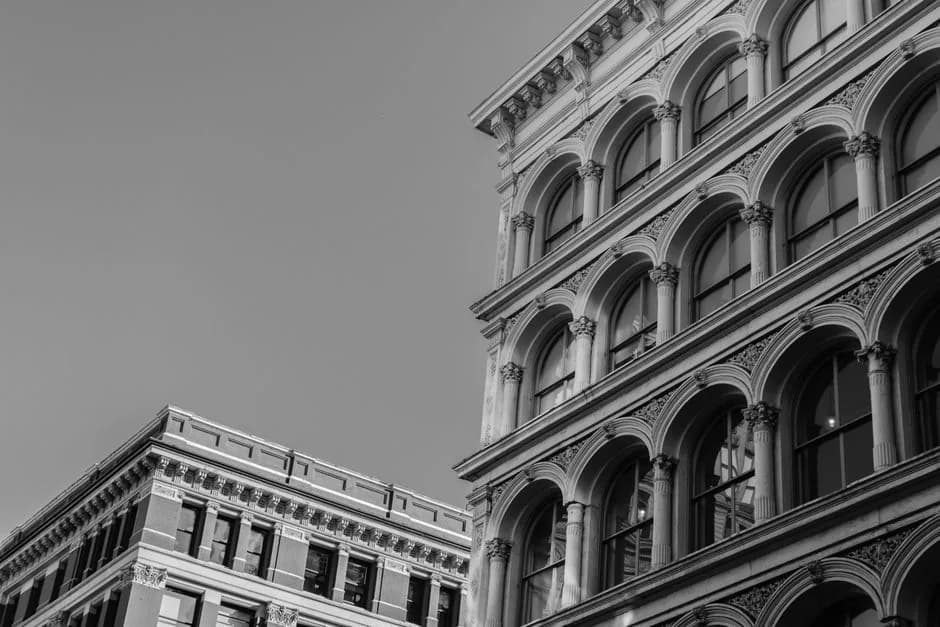
Living in Tribeca offers residents a premium urban lifestyle with a distinct sense of community found in this renowned Manhattan neighborhood. With 107 active listings, potential residents won't find themselves without options, although choices often tilt towards premium-end properties given the local market's upscale nature. The neighborhood's architecture blends historic charm with modern sophistication, making it appealing to those who value both aesthetic and convenience.
Tribeca's close-knit community atmosphere is complemented by its concentration of well-rated buildings. With an average building rating of 3.96, renters can generally expect reasonable quality in their accommodations, though it is important to carefully vet individual properties. This includes conducting thorough inspections during tours and asking about maintenance history.
Tribeca’s allure is further amplified by its geographic advantage, offering residents easy access to various Manhattan offerings. While living here can mean higher costs, the trade-offs include potential for high-quality urban living, great access to amenities, and spaces often found lacking in other crowded neighborhoods.
Types of buildings and housing stock
Tribeca’s housing landscape includes a mix of historic buildings and contemporary high-rises, with a total of 72 buildings available to explore. About 43% of these buildings are rent-stabilized, providing some measure of cost predictability in an otherwise expensive rental market. This percentage can be a critical factor for those looking to safeguard against sudden rent hikes over time.
Moreover, 36% of buildings in Tribeca are pet-friendly, making it a viable option for renters with furry family members. This characteristic should relieve some stress when apartment hunting, as pet policies are a common hurdle in urban settings. Prospective tenants can find solace in knowing that certain buildings cater to pet owners explicitly, although such spaces may come at a premium.
For those new to the neighborhood or considering various types of buildings, keeping in mind the age and condition of the structures will be crucial. Whether choosing a classic loft conversion or a sleek modern apartment, understanding the implications of each type will guide better-informed decisions.
What tenants actually say
Renter feedback in Tribeca provides valuable insights into the neighborhood's living conditions and community atmosphere. The average building rating in Tribeca is 3.96, slightly below the strong mark, hinting at mostly satisfying experiences but room for improvement in certain cases. This average suggests that while most tenants are generally satisfied, careful evaluation of specific properties should not be neglected.
Some renters appreciate the blend of residential calmness with accessibility to major amenities that Tribeca provides. However, it’s crucial to cross-check these experiences with personal needs like transportation and local service operations, as perceptions on convenience may vary.
What sets Tribeca apart is the abundance of top-rated buildings, comprising nearly 57% of the local housing stock. This percentage indicates ease in finding reputable accommodations but should prompt renters to evaluate landlord histories and tenant reviews to ensure their expectations align with reality. Understanding these aspects will enable renters to make more informed leasing decisions.
Building condition and landlord track record
Buildings in Tribeca average a 3.96 star rating, suggesting a general tenant satisfaction with building conditions. A closer look reveals that 57% of the housing stock here comprises top-rated buildings. However, prospective renters should still conduct thorough walk-throughs and inspections. This ensures that personal expectations of dwelling quality align with the advertised standards at the time of viewing.
In Tribeca, landlords typically maintain a higher standard of upkeep in line with the neighborhood's upscale reputation. Though this may not be uniform across all buildings, the prevalence of positive reviews and highly rated properties imply solid property management.
Given that Tribeca's real estate demands high costs, evaluating landlord interactions, maintenance response time, and the overall condition of amenities will provide a clearer picture of what one can expect on signing a lease. Such diligence is even more critical when engaging with less-reviewed properties.
Getting around
Tribeca's location in Manhattan provides residents with well-served public transit options, typical of the borough. This accessibility means navigating the city's extensive offerings can be relatively straightforward, particularly compared to outer boroughs where transit options might be sparser. With efficient connectivity, residents can leverage the convenience of being in close proximity to what Manhattan offers.
For renters considering Tribeca, assessing the ease of commute to work, leisure, and essential services should be prioritized during the decision-making process. Additionally, exploring walkability and access to bike lanes could also impact one's choice, especially for those who prefer less conventional means of travel.
In conclusion, while Tribeca provides ample opportunities for connection, the true effectiveness of transit will vary by personal lifestyle and needs. Hence, prospective renters should factor proximity to desired locations like workplaces and regular destinations into their assessments.
Nearby and comparable neighborhoods
Tribeca's distinct high rent prices set it apart from many Manhattan neighborhoods, yet its neighboring areas offer some points of comparison. Renting in Soho or the Financial District, for instance, may provide slightly more affordable housing options while maintaining proximity to Tribeca's offerings. These neighborhoods share similarities in building types with Tribeca, given their historic conversions and contemporary lofts, making them viable alternatives.
Tribeca’s median rent of $7,500 is notably higher than Manhattan's median, and renters may find some relief in nearby neighborhoods with varying rental prices. Nonetheless, each neighborhood offers unique perks and constraints, from the scale and style of apartments to the dynamic urban layout.
For those weighing alternatives, touring different areas could provide clarity on value for money. Establishing comfort with neighborhood attributes, access to essentials, and comparable amenities should guide potential renters to make an informed decision that aligns with their lifestyle preferences.
Who this neighborhood suits
Tribeca is well-suited for renters seeking luxurious living with a strong community feel within Manhattan. Its high median rent of $7,500 signifies that it attracts individuals seeking upscale, comfortable housing with access to amenities. Particularly alluring for professionals and families, Tribeca offers a sense of exclusivity due in part to its historic appeal and modern conveniences.
For residents prioritizing amenities close to home, Tribeca's blend of pet-friendly, rent-stabilized buildings offers some diversity within its largely premium market range. This feature makes it appealing for those who have a bit more financial leeway and a preference for well-maintained residences.
Individuals balancing proximity to Manhattan’s commercial hubs and a more relaxed residential environment will find Tribeca attractive. Carefully considering these qualities in conjunction with flexible budgeting will help potential renters understand if Tribeca aligns with their living expectations and financial plans.
At a glance
- Tribeca's median rent is $7,500, higher than Manhattan's $5,624.
- 64% of Tribeca's listings are no-fee, offering potential savings.
- 43% of buildings are rent-stabilized, aiding predictable expenses.
- Tribeca offers pet-friendly options in 36% of its buildings.
- Top-rated buildings make up 57% of Tribeca's housing stock.
FAQ
The bottom line
Browse current listings in Tribeca, or read what renters are saying about buildings here on Openigloo.
View Tribeca listingsOther neighborhood guides nearby — same borough, different rent ranges and vibes. Useful when you're widening the search radius.

Is Hell's Kitchen a good place to live? A renter's guide

New to Upper West Side? A renter's starter guide

Renting in Financial District: everything you need to know

Renting in Kips Bay: everything you need to know
New to Murray Hill? A renter's starter guide
Moving to Yorkville? Here's what renters should know
New to East Village? A renter's starter guide

Renting in Chelsea: what to expect