

Renting in Upper East Side: everything you need to know
The Upper East Side, a neighborhood in Manhattan, is a prominent location known for its accessibility and variety of housing options. With a median rent of $7,646, it stands out as an area with a range of options for different budgets. This guide will help you understand what makes the Upper East Side such a sought-after place to live, whether you're attracted to its architectural character or the convenience it offers. When considering a move to the Upper East Side, renters need to evaluate the financial implications closely. The area has relatively high rental prices compared to the broader Manhattan median of $5,624, highlighting the necessity for potential residents to be prepared for this premium. However, with 25% of listings being no-fee, there are opportunities to save on initial costs. Explore this guide for a comprehensive understanding of the Upper East Side’s rental landscape, from the types of buildings available to what current tenants have to say. This information will equip you with the insights necessary to make an informed decision.
Rent snapshot
In the Upper East Side, the median rent is currently $7,646, which is significantly higher than Manhattan's overall median of $5,624. This difference highlights the Upper East Side as one of the more expensive areas in the borough, reflecting its desirability. For those looking to rent, this means being financially prepared for higher baseline costs.
For specific rental types, zero-bedroom units have a median rent of $2,970, which is still significantly less expensive than other unit sizes in the area. On the other end, the area offers high-end two-bedroom apartments with a median rent of $15,000. The rental range varies greatly, with 10% of rents as low as $4,374, and up to 90% reaching $16,225. This range indicates that while most rentals are expensive, there are less costly options available for budget-conscious renters.
Therefore, potential renters should explore the full spectrum of available rentals and fee structures thoroughly. With 25% of listings being no-fee, consider these to save on moving-in costs. It's essential to compare not only rental prices but the included utilities or amenities that may affect the total housing budget.
What it's like to live there
Living in the Upper East Side offers a distinct Manhattan lifestyle, characterized by its sophisticated atmosphere paired with a strong community feel. The area is home to a blend of long-standing residents and incoming professionals, providing a balanced mix of stability and new opportunities for social interactions. The neighborhood is also well-served by reliable public transit options, making it possible to commute to other parts of Manhattan with ease, although exact transit details and times aren't specified here.
One of the advantages of residing in this area is the proximity to parks and cultural institutions, making it ideal for those who appreciate both nature and art. Although the specifics of parks aren't detailed, renters can expect green spaces within a reasonable distance. The local amenities and everyday conveniences further enhance the quality of life, with plenty of commercial establishments accessible without having to venture far from home.
For those considering a move to the Upper East Side, it's worth recognizing that while the area offers many conveniences and attractions, the higher cost of living necessitates careful budgeting and an understanding of how far their dollar will go compared to other neighborhoods. Evaluating lifestyle priorities, like access to local amenities and the vibrancy of the local community, will help ensure this neighborhood fits personal and budgetary needs.
Types of buildings and housing stock
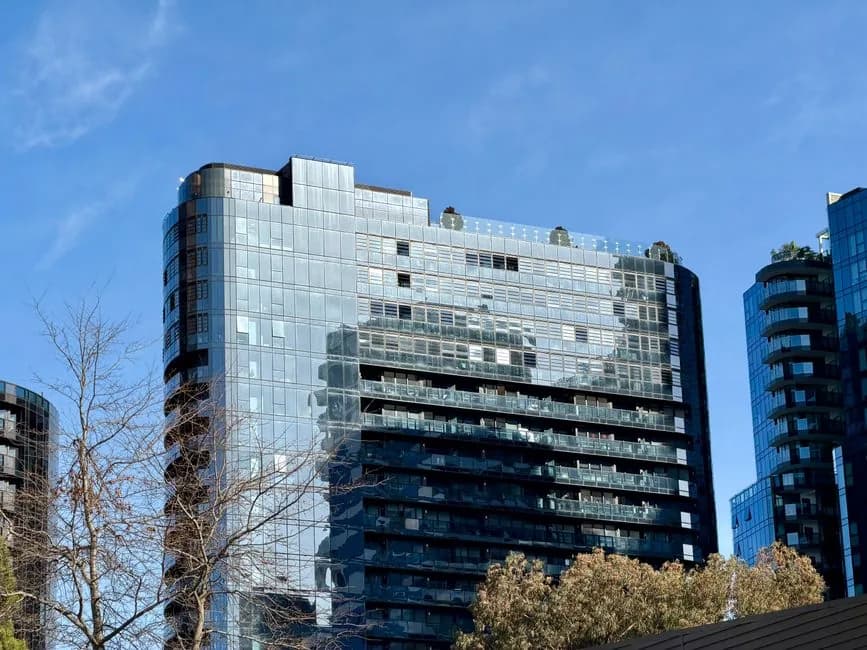
The Upper East Side features a diverse range of building styles, from classic pre-war structures to modern high-rises, offering prospective renters plenty of choices. With 73 buildings identified in the area, renters can find a blend of historic elegance and contemporary convenience, depending on their preferences.
A significant proportion, 71% of buildings, are rent-stabilized, providing an opportunity for tenants to achieve some form of rent predictability and affordability in an otherwise high-cost neighborhood. Additionally, 44% of buildings are pet-friendly, appealing to renters with pets.
Renters should note the available amenities in various building styles. Pre-war buildings often provide larger spaces and architectural charm but may lack modern conveniences like central air or elevators. Modern buildings are more likely to include amenities such as laundry facilities, gyms, or doorman services. Prospective tenants should inspect the building’s amenities and condition during viewings to ensure they match personal requirements.

What tenants actually say
Tenants living in the Upper East Side often cite the area's blend of luxury and community as a key benefit. With an average building rating of 3.75, it's clear that the rental market here meets many expectations, though there may be room for improvements in certain areas. Tenant feedback tends to focus on the quality of life and convenience that comes with living in this well-known New York neighborhood.
With no buildings currently considered most-reviewed, it's harder to get a broad consensus on specific properties, but general feedback includes appreciation for the area's cleanliness and safety. Many tenants also appreciate the balance of local quietude with active neighborhood interactions, highlighting it as a good choice for families and professionals alike.
Potential renters should consider visiting multiple buildings to speak with current tenants or even attend open houses to get real insight into what day-to-day life is like. This direct interaction helps to build a more accurate picture beyond online reviews and averages.
Building condition and landlord track record
In assessing the quality of buildings and the track record of landlords in the Upper East Side, the available data provides some insights. With an average building rating of 3.75, it suggests a generally satisfactory level of building maintenance and management standards, though there's variability between properties.
The area seems to perform well in terms of rent-stabilized housing, with 71% of buildings offering this option, potentially indicating a degree of tenant stability and possibly more predictable relationships with landlords. Additionally, 33 buildings are top-rated, suggesting that there are options for discerning renters seeking high-quality living conditions.
For prospective tenants, a prudent approach involves verifying building conditions in person. Checking maintenance histories and noting the responsiveness of the landlord or management company during the inquiry phase can provide crucial insights. Engage with current tenants wherever possible to better understand management strengths and weaknesses. This thorough vetting can help ensure satisfaction with rental decisions.
Getting around
When living in the Upper East Side, navigating the local environment and accessing various parts of Manhattan is straightforward. While specific transit modes and routes aren't detailed, it's acknowledged that the neighborhood benefits from reliable public transportation, allowing residents to commute conveniently.
Living in such a well-connected area means that many amenities, work locations, and entertainment venues are easily accessible, contributing to the neighborhood's appeal for those with a busy lifestyle. This connectivity also expands options for dining and shopping, as residents can easily explore outside their immediate vicinity.
Prospective renters should consider the locations of available units in relation to desired daily destinations and verify if access to public transportation aligns with their routine. Also, scouting out walking and biking routes can add flexibility to commuting options, providing additional convenience outside of traditional transportation methods.
Nearby and comparable neighborhoods
The Upper East Side is surrounded by other notable Manhattan neighborhoods that can offer alternative housing options or comparative insights for those exploring their next residence. For renters looking at similar or nearby areas, consider comparing the Upper East Side’s rental prices and building styles to those of surrounding neighborhoods.
While specific names of these neighborhoods aren’t provided, it is beneficial to research areas that share similar characteristics, such as accessibility and a mix of housing options. These areas often offer slight variations in rental costs, potentially offering savings or increased convenience depending on personal priorities and commute requirements.
Renters should weigh factors like neighborhood vibe, access to amenities, and overall housing quality. Touring these areas and their available housing could provide valuable insights and help make a well-rounded decision. It's also wise to discuss options with a real estate agent who specializes in Manhattan for more personalized advice.
Who this neighborhood suits
The Upper East Side is well-suited for individuals and families seeking a balance of luxury and practicality. Its rent-stabilized options (71% of buildings) provide a chance for more predictable living expenses, making it an appealing choice for those prioritizing budget management within a premium market.
The area's various building styles offer flexibility whether tenants seek high-rise living or historical character, catering to different personal preferences. Additionally, the 44% pet-friendly buildings accommodate pet owners looking to settle in one of Manhattan's sought-after locales.
Ultimately, this neighborhood is ideal for those who value the convenience and cultural offerings of living in Manhattan, without the intense hustle typical of busier borough sections. Prospective renters should ensure their financial readiness and assess the neighborhood personally to determine its fit with their lifestyle and priorities.
At a glance
- Upper East Side median rent: $7,646.
- 25% of rentals are no-fee, check for savings.
- 73 buildings with 71% rent-stabilized options.
- 44% of buildings are pet-friendly.
- Buildings average a 3.75 rating, check specific reviews.
FAQ
The bottom line
Browse current listings in Upper East Side, or read what renters are saying about buildings here on Openigloo.
View Upper East Side listingsOther neighborhood guides nearby — same borough, different rent ranges and vibes. Useful when you're widening the search radius.

Is Hell's Kitchen a good place to live? A renter's guide

New to Upper West Side? A renter's starter guide

Renting in Financial District: everything you need to know

Renting in Kips Bay: everything you need to know
New to Murray Hill? A renter's starter guide
Moving to Yorkville? Here's what renters should know

New to East Village? A renter's starter guide

Renting in Chelsea: what to expect