

Brooklyn Heights vs. Park Slope: where should you rent?
Deciding between two popular Brooklyn neighborhoods, Brooklyn Heights and Park Slope, involves considering various factors including rental prices, building quality, and overall living experience. In Brooklyn Heights, the median rent stands at $5,775, significantly higher than Park Slope's median rent of $3,674. This stark difference in rental pricing is one of the key aspects potential renters will need to weigh in their decision. Both neighborhoods boast active rental markets, with Brooklyn Heights having 61 active listings compared to Park Slope's 14. The larger volume in Brooklyn Heights offers more choices but at a higher cost. However, differences in the number of rent-stabilized properties and pet-friendliness in both areas add another layer to consider. Understanding these dynamics can be crucial for renters looking to balance budget, amenities, and lifestyle. This comparison aims to provide a thorough view of two neighborhoods by examining rental prices, building conditions, tenant satisfaction, and accessibility. By breaking down these elements, renters can make an informed decision suited to their needs and preferences.
Quick verdict
When considering where to rent between Brooklyn Heights and Park Slope, one key point stands out: affordability. Park Slope offers significantly lower rents, with a median rent of $3,674 compared to Brooklyn Heights' $5,775. This is a 57.2% difference in median rent, which could make a substantial impact on a renter’s budget.
If your primary concern is cost, Park Slope wins on this front, providing a more budget-friendly option. Park Slope also boasts a higher building count at 650, offering a variety of rental options compared to Brooklyn Heights’ 176 buildings. However, Park Slope has fewer active listings at 14, potentially limiting immediate availability.
For those able to stretch their budget further, Brooklyn Heights might appeal due to its more rent-stabilized options—65% of its rental stock is stabilized, compared to 41% in Park Slope. This regulation could translate to long-term affordability and predictability in rental terms. Ultimately, when deliberating between these two neighborhoods, budget considerations and personal priorities like building longevity or rental market availability will guide your choice.
Rent compared: Brooklyn Heights vs. Park Slope
Brooklyn Heights commands a median rent of $5,775, a stark difference compared to Park Slope's more affordable median of $3,674. This $2,101 gap highlights a significant consideration for renters with budget constraints. While Brooklyn Heights presents a higher price point, it provides options across a broader price range, with rents between $4,468 to $7,500 for the middle quartile.
In contrast, Park Slope not only presents a lower overall cost but also offers tighter rent clustering between $3,405 and $4,449 in its middle quartile. This suggests more predictable budgeting for those choosing Park Slope. Brooklyn Heights, meanwhile, attracts renters willing to pay a premium for access to certain amenities or locales with historical or cultural value.
Renters should also consider the proportion of no-fee listings available. Brooklyn Heights has 54% of its listings as no-fee, while Park Slope has only 21%, impacting the net cost of moving into these neighborhoods. Prospective tenants must assess what they're getting for the premium, whether in living space, building services, or lifestyle options.
What each is like to live in
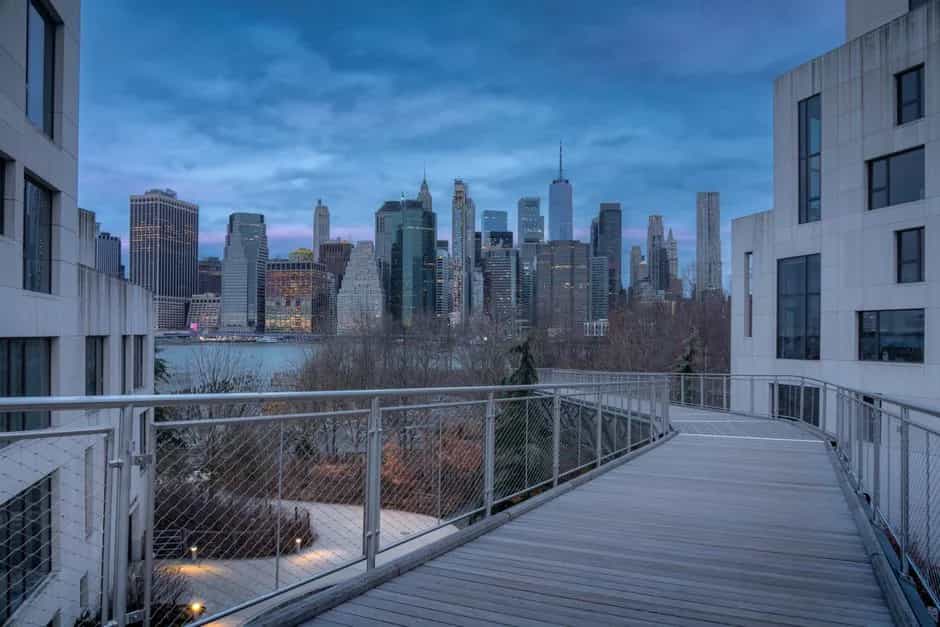
Brooklyn Heights offers a residential experience steeped in a scenic setting with historical brownstones and scenic views. Its architectural charm comes with a higher cost of living, reflected in its $5,775 median rent. This area is often chosen for its tranquil environment, appealing to those who prioritize peace over the hustle of denser neighborhoods.
Park Slope provides a different living experience with its lower median rent of $3,674, which attracts a diverse community seeking affordability without compromising on cultural amenities and community vibe. The neighborhood is known for its family-friendly atmosphere, highlighted by a significant number of pet-friendly buildings at 39%, slightly higher than Brooklyn Heights' 37%. This could be advantageous for families or pet owners.
Living in either neighborhood means appreciating their unique personalities. Brooklyn Heights might appeal to those who value classic charm and prestige, while Park Slope attracts individuals drawn to active community life and slightly better affordability. Prospective renters should visit each area, perhaps visiting local cafes or shops, to gauge which environment feels more like home.
Buildings and housing stock: Brooklyn Heights vs. Park Slope
Brooklyn Heights offers a more compact housing market with 176 buildings, compared to Park Slope's extensive offering of 650 buildings. This difference is substantial, underscoring Park Slope’s ability to offer a broader selection of housing options. Prospective tenants looking for variety will likely find Park Slope more appealing due to sheer volume.
However, quality might vary, and it’s notable that Brooklyn Heights has a higher number of rent-stabilized buildings. With 65% of its housing stock classified as rent-stabilized, it provides a significant option for tenants looking for long-term stability in rent pricing. In comparison, Park Slope’s 41% rent-stabilized rate could indicate fluctuations, influencing long-term budget planning.
Both neighborhoods present a significant number of pet-friendly buildings, yet prospective renters should review each building’s specific policies. In Brooklyn Heights, watch for historic buildings with charm but potentially older amenities, while in Park Slope, broader availability might mean more modern living spaces. Verifying building amenities and maintenance history during a tour can provide further insights into each neighborhood’s offerings.
What tenants say: Brooklyn Heights vs. Park Slope
Tenant reviews display a mix of feedback for both neighborhoods, with Brooklyn Heights achieving an average building rating of 3.75. This slightly edges out Park Slope's average of 3.65. Although the difference in rating is modest, it suggests a marginally higher level of tenant satisfaction in Brooklyn Heights.
In terms of feedback volume, Park Slope experiences more tenant interactions with 645 reviews spread across its buildings compared to Brooklyn Heights' 172. This larger data set provides a more comprehensive picture of what renters might expect, including common critiques and praises. Park Slope's buildings, having more reviews, may give a clearer indication of recurring issues, whether it's noise, maintenance, or community activities.
Prospective renters should delve into these reviews, focusing on recent issues such as maintenance response times and building amenities. Understanding the tenant experience and identifying potential red flags can lead to more informed decisions about whether the framework of either neighborhood suits their needs.
Building condition and track record: Brooklyn Heights vs. Park Slope
Brooklyn Heights offers a network of quality buildings with a higher percentage of top-rated buildings at 42.6%, compared to Park Slope’s 44.7%. This suggests a slightly higher concentration of well-maintained or newly renovated buildings in Park Slope. Although both neighborhoods have commendable top-rated buildings, renters might find the uptick in Park Slope appealing for those prioritizing newer or well-kept accommodations.
Both neighborhoods share a blend of building ages, with Brooklyn Heights potentially featuring more historic structures that contribute to its architectural allure. Renters attracted to older buildings might appreciate the character but should inquire about recent updates and the condition of essential systems like plumbing and heating.
Most importantly, current or prospective tenants should question landlords about recent renovations or upgrades during tours. Perhaps discuss with existing residents their experience with building management’s effective response to maintenance requests, which could be a decisive factor in choosing between these two neighborhoods.
Getting around compared
Both Brooklyn Heights and Park Slope offer convenient access to public transportation, making either an attractive choice for commuters working in or out of Brooklyn. The close proximity of transit options makes living without a personal vehicle feasible, although specific routes and lines shouldn't be neglected when considering exact commuting needs.
Brooklyn Heights, due to its proximity, might appeal more to those working in Lower Manhattan or those who prefer a shorter commute avoiding larger transit hubs. Although public transportation timings or particular service routes aren't detailed, generally, the area is known for good access to transit options serving the borough.
Park Slope also enjoys similar good connectivity, benefiting renters who need flexible access throughout Brooklyn. The slight difference in transit schedules should be compared with personal commuting patterns. When deciding based on transport, renters should prepare for peak travel trials or possibly tour transit routes during rental visits to accurately gauge convenience.
Which should you choose — Brooklyn Heights or Park Slope?
Choosing between Brooklyn Heights and Park Slope involves weighing several key factors. Budget is a defining consideration, with Park Slope presenting a more affordable option at a median rent of $3,674, whereas Brooklyn Heights holds a high premium at $5,775. Therefore, renters must assess their financial flexibility alongside how much they value the individual neighborhood amenities unique to each.
Brooklyn Heights might appeal more to those who prioritize architectural beauty, proximity to Manhattan, and a stable rental market. Its higher percentage of rent-stabilized buildings at 65% provides tenants reassurance regarding long-term affordability. On the other hand, Park Slope offers a unique charm with its focus on community living and a greater number of building selections, boasting 650 options compared to Brooklyn Heights’ 176.
Ultimately, the decision should incorporate personal lifestyle preferences, proximity to workplaces, and individual budgetary constraints. If possible, renters should consider spending time in each neighborhood before settling on one, factoring in immediate lifestyle conveniences against long-term housing stability.
At a glance
- Brooklyn Heights median rent: $5,775
- Park Slope median rent: $3,674
- Brooklyn Heights buildings: 176+
- Park Slope buildings: 650+
- Brooklyn Heights rent-stabilized: 65%
- Park Slope rent-stabilized: 41%
- Brooklyn Heights top-rated buildings: 42.6%
FAQ
The bottom line
Browse current listings in Brooklyn Heights and Park Slope, or read what renters are saying about specific buildings on Openigloo.
Browse Brooklyn Heights listingsOther neighborhood guides nearby — same borough, different rent ranges and vibes. Useful when you're widening the search radius.
Moving to Downtown Brooklyn? Here's what renters should know

A complete renter's guide to Greenpoint
New to Williamsburg? A renter's starter guide
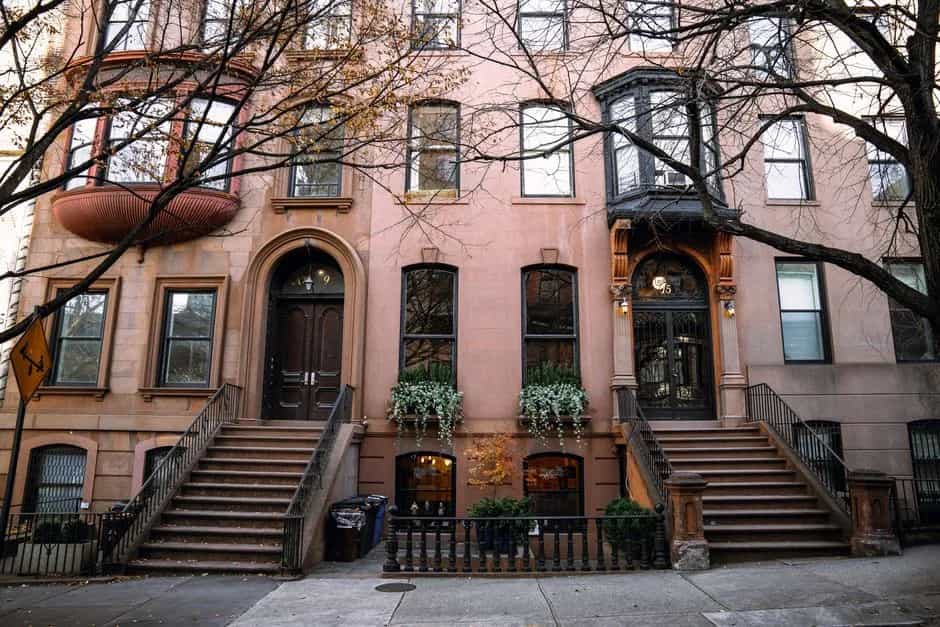
New to Crown Heights? A renter's starter guide
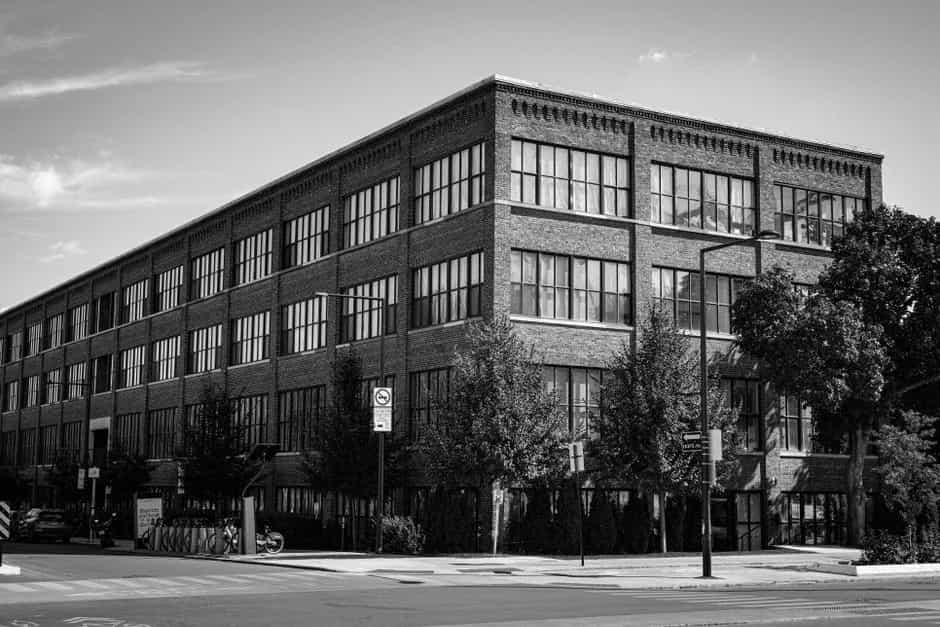
Renting in Gowanus: everything you need to know

What it's really like to rent in Fort Greene
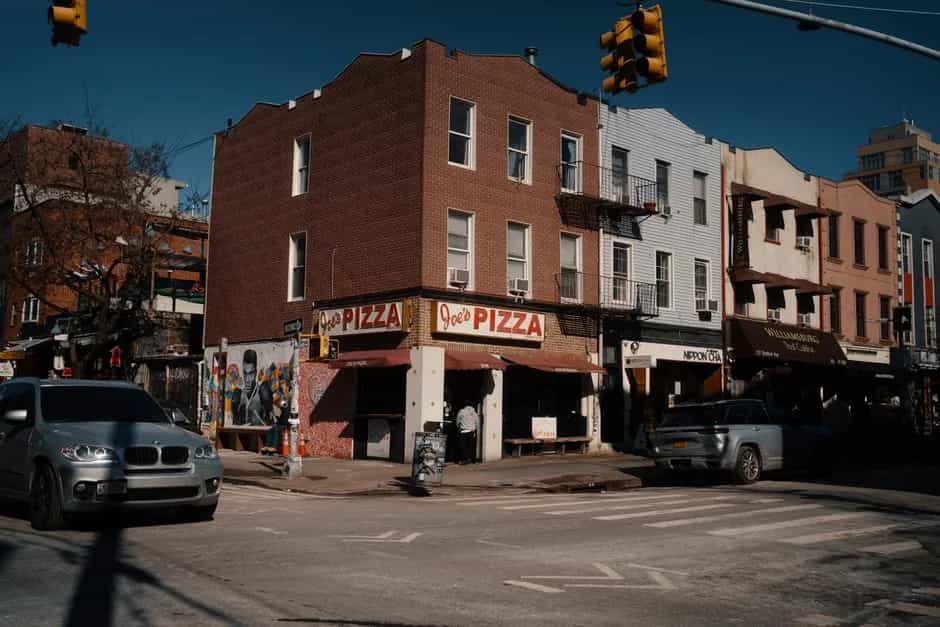
Renting in Bedford-Stuyvesant: what to expect
Is Bushwick worth renting in? A local guide
Other comparison pairs in the same theme — neighborhoods that come up in the same kinds of debates renters have when they're deciding where to live.

Carroll Gardens vs. Park Slope: which neighborhood fits your budget and lifestyle?
Cobble Hill vs. Park Slope: which neighborhood fits your budget and lifestyle?
East Village vs. Morningside Heights: where should you rent?

East Village vs. Murray Hill: a renter's guide to choosing
Astoria vs. Park Slope: which neighborhood fits your budget and lifestyle?
Forest Hills vs. Park Slope: where should you rent?

Murray Hill vs. Upper East Side: which neighborhood is right for you?
Park Slope or Upper West Side? A renter's comparison