


Cobble Hill vs. Park Slope: which neighborhood fits your budget and lifestyle?
In the ever-competitive Brooklyn real estate market, choosing between neighborhoods like Cobble Hill and Park Slope can be a challenge. Cobble Hill's median rent is $6,131, while Park Slope's is considerably lower at $3,674. These numbers highlight a significant price difference that might influence your decision. Both these neighborhoods offer unique characteristics and amenities within the borough of Brooklyn. This article dives into the nuances between Cobble Hill and Park Slope. Beyond rent, facilities like building quality, tenant satisfaction, and ease of commute will be examined. A notable difference is that Park Slope has more active listings, with 14 compared to Cobble Hill's 10. However, Cobble Hill offers a higher percentage of rent-stabilized buildings. Use this guide to inform your decision-making process, examining each factor closely. Whether you're prioritizing cost, lifestyle, or building amenities, understanding these elements helps in selecting the neighborhood that best fits your needs.
Quick verdict
Choosing between Cobble Hill and Park Slope largely hinges on budget and lifestyle preferences. Cobble Hill presents a median rent of $6,131, starkly higher than Park Slope's median rent of $3,674. This difference in rental price, a whopping $2,457, will play a significant role in many renters' decisions. Yet, despite its cost, Cobble Hill may appeal to those seeking a higher rental market due to its slightly elevated overall building standards.
For those prioritizing financial considerations, Park Slope becomes the logical choice, considerably less expensive and equipped with more active rental listings — 14 compared to Cobble Hill’s 10. This might offer renters more variety and potentially better deals in Park Slope. Meanwhile, both neighborhoods share identical pet-friendliness percentages at 39%, providing ample choices for renters with pets.
Ultimately, consider the factors that weigh heavily in your priorities. Affordable living and a broader range of listings point towards Park Slope, while Cobble Hill may attract those for whom cost is secondary to location and ambiance.
Rent compared: Cobble Hill vs. Park Slope
Looking at rental costs, Cobble Hill’s median rent stands at $6,131, significantly higher than Park Slope’s $3,674. This substantial price difference of $2,457 means renters looking for more economical options might find Park Slope more fitting. The difference is particularly stark when comparing single-bedroom apartments, with Cobble Hill’s at $5,274 and Park Slope offering a much lower $3,626.
Cobble Hill's rental prices might reflect its smaller inventory, with only 10 active listings available, potentially limiting options for prospective tenants. In contrast, with more active listings, Park Slope provides a broader marketplace, offering more opportunities for renters to find suitable accommodation. Additionally, a higher percentage of Park Slope’s listings, at 21%, are no-fee, further reducing upfront costs for renters.
If budget is a primary concern, Park Slope could be the preferred option. However, if you’re drawn to Cobble Hill’s offerings, whether it be ambiance or location, prepare to stretch your budget and explore more exclusive rental spaces.
What each is like to live in
Living in Cobble Hill means experiencing its small-scale charm, evident through its higher rent of $6,131. The neighborhood's compact nature suggests a closer-knit community, with its smaller inventory of just 10 listings. This scarcity may amplify its allure to some, fostering a lifestyle reliant on exclusivity and perhaps quieter surroundings.
In contrast, Park Slope offers a more accessible lifestyle with its lower median rent of $3,674 and a larger number of active listings. With 14 options currently available, the neighborhood caters to a broader segment, especially those mindful of budget constraints. Its extensive housing options might indicate a more diverse resident demographic and possibly more active local life.
When deciding between Cobble Hill and Park Slope, consider what lifestyle suits you best. Cobble Hill might suit those seeking a quieter, more intimate setting, whereas Park Slope could appeal to individuals who appreciate dynamic community life and value affordability.

Buildings and housing stock: Cobble Hill vs. Park Slope
Cobble Hill has a modest housing inventory, with 111 buildings, while Park Slope offers a more extensive selection with 650 buildings. This difference indicates that potential renters might find more variety and availability in Park Slope's housing stock. Cobble Hill's homes are predominantly rent-stabilized, making up 48% of its buildings, compared to 41% in Park Slope. This might offer Cobble Hill residents more predictable rental increases over time.
Both neighborhoods share identical pet-friendly statistics, with 39% of buildings welcoming pets. Whether you have a furry friend or not, both areas provide adequate options for everyone. However, with Park Slope providing three times more pet-friendly buildings than Cobble Hill, pet owners may enjoy more choices if they prefer Park Slope.
While evaluating potential homes, consider how these factors align with your priorities. Cobble Hill may appeal if stability in rental prices is a priority, while Park Slope wins in variety and quantity of available housing.
What tenants say: Cobble Hill vs. Park Slope
Tenant feedback can offer valuable insights into the character and living conditions of a neighborhood. Cobble Hill boasts an average building rating of 3.5, slightly lower than Park Slope's 3.65. This difference indicates that residents in Park Slope might generally express more satisfaction with their living situations.
While Cobble Hill has fewer total reviews at 110, Park Slope benefits from more extensive feedback with 645 total reviews. This broader scope of opinions in Park Slope can help provide a clearer picture of the neighborhood’s pros and cons, aiding prospective renters in making more informed decisions.
Before committing, prospective residents should review tenant feedback critically, paying attention to recurring themes and specific comments related to building quality and management. Transparent tenant feedback, particularly from Park Slope’s more reviewed buildings, can offer useful insights into potential living environments.
Building condition and track record: Cobble Hill vs. Park Slope
Cobble Hill and Park Slope show distinct differences when it comes to building conditions and track records. With 40 buildings rated as top-rated, representing over a third, Cobble Hill stands out for having a high proportion of well-reviewed buildings despite its smaller size. In comparison, Park Slope has 291 top-rated buildings, reflecting its broader housing market and possibly favorable tenant experiences.
Park Slope also leads with 6 buildings categorized as most-reviewed, offering prospective tenants more documented feedback on facilities and management quality. Meanwhile, Cobble Hill currently has no buildings in the most-reviewed category, which could suggest limited visibility on tenant experiences relative to Park Slope.
Evaluating these statistics can help potential renters understand what previous tenants have experienced in these neighborhoods. Insight into building track records is crucial for ensuring peace of mind about long-term living conditions.
Getting around compared
Both Cobble Hill and Park Slope are well-served by public transit options, being part of Brooklyn, a borough known for its transit convenience. This ease of accessibility could appeal to those who rely on public transportation as a primary mode of commuting.
Although both neighborhoods offer good transit access due to their Brooklyn location, potential renters might observe that Cobble Hill’s higher median rent of $6,131 suggests its appeal could be influenced by more select transit routes or closeness to certain amenities. In contrast, Park Slope provides more economical living options with a lower median rent of $3,674, which could reflect its broader range of accessible transit options catering to a more diverse community.
Analyzing commuting needs alongside rental costs can assist renters in making a decision that best coincides with their daily requirements and budget considerations. Other factors such as parking availability and bike-friendliness should also be evaluated based on individual commuting preferences.
Which should you choose — Cobble Hill or Park Slope?
Deciding between Cobble Hill and Park Slope hinges on your personal priorities such as budget, lifestyle, and housing preferences. Cobble Hill, with a significantly higher median rent of $6,131, might attract renters who prioritize exclusivity and a smaller community feel, coupled with higher rent-stabilized options. Its limited active listings suggest a more competitive rental market, possibly attracting those with the flexibility to bid higher.
Conversely, Park Slope’s lower median rent of $3,674, coupled with more active listings, suggests a more accessible market for a wider range of budgets. With more buildings and greater tenant feedback, Park Slope may offer a more inclusive living experience. Its larger housing stock could appeal to those seeking a balance of affordability and lifestyle amenities.
When selecting an area, weigh these factors against what's most crucial to you. The choice between Cobble Hill and Park Slope should align with your financial capacity, desired living conditions, and future housing expectations.
At a glance
- Cobble Hill median rent: $6,131, Park Slope: $3,674.
- Park Slope offers more active listings; Cobble Hill has fewer.
- Both areas have 39% pet-friendly buildings.
- Cobble Hill has 48% rent-stabilized buildings; Park Slope 41%.
- Consider tenant feedback: Park Slope has more reviews.
- Evaluate ease of transit access in both neighborhoods.
- Check building conditions and top-rated counts.
FAQ
The bottom line
Browse current listings in Cobble Hill and Park Slope, or read what renters are saying about specific buildings on Openigloo.
Browse Cobble Hill listingsOther neighborhood guides nearby — same borough, different rent ranges and vibes. Useful when you're widening the search radius.

Moving to Downtown Brooklyn? Here's what renters should know

A complete renter's guide to Greenpoint
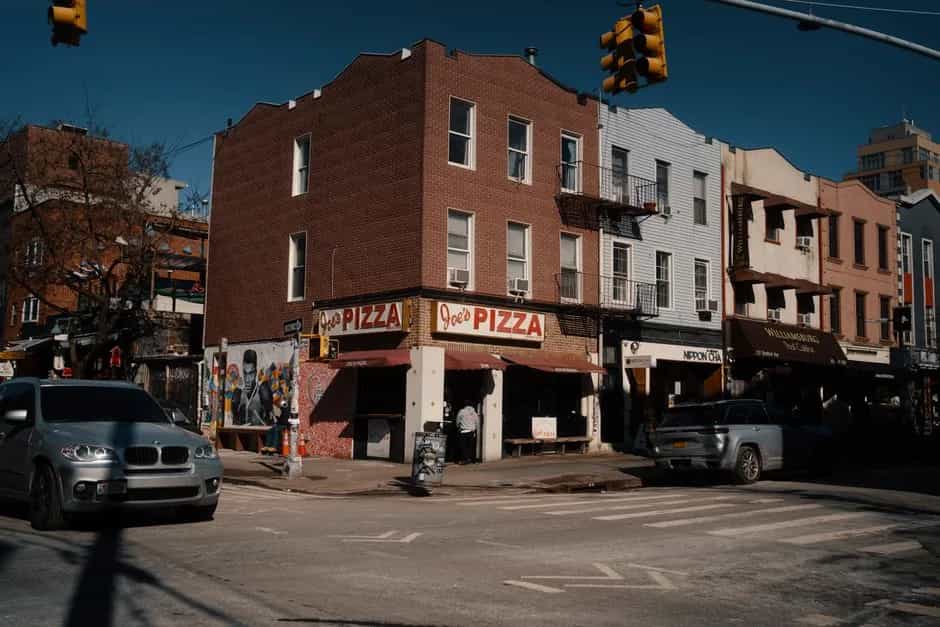
New to Williamsburg? A renter's starter guide
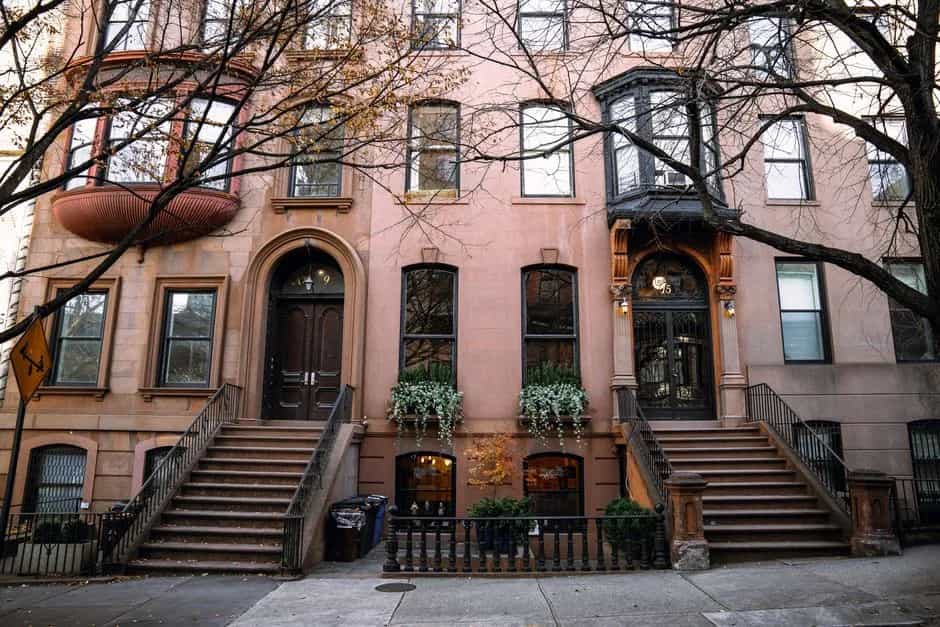
New to Crown Heights? A renter's starter guide
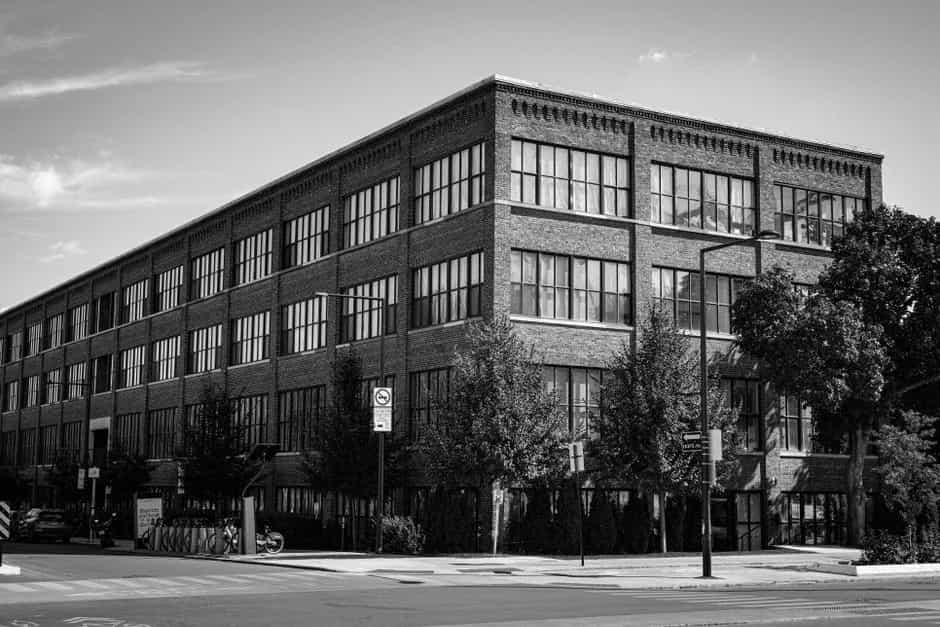
Renting in Gowanus: everything you need to know

What it's really like to rent in Fort Greene
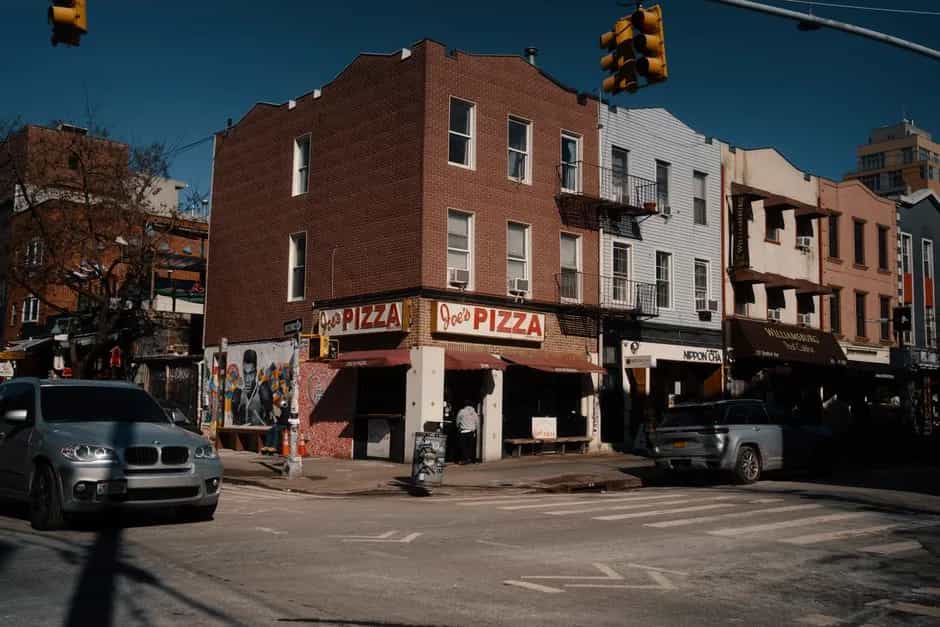
Renting in Brooklyn Heights: what to expect
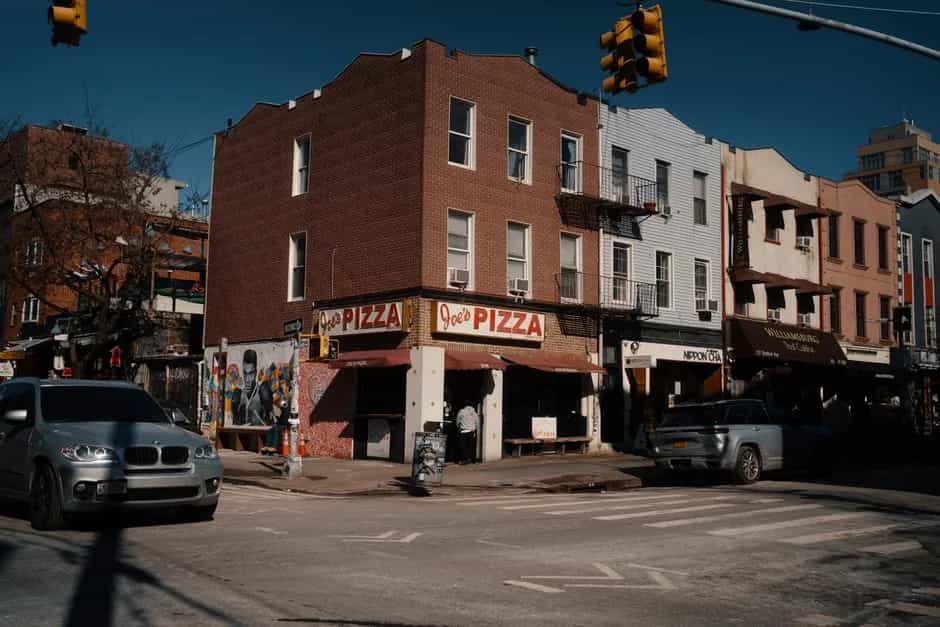
Renting in Bedford-Stuyvesant: what to expect
Other comparison pairs in the same theme — neighborhoods that come up in the same kinds of debates renters have when they're deciding where to live.

Carroll Gardens vs. Park Slope: which neighborhood fits your budget and lifestyle?
East Village vs. Morningside Heights: where should you rent?

East Village vs. Murray Hill: a renter's guide to choosing
Astoria vs. Park Slope: which neighborhood fits your budget and lifestyle?

Forest Hills vs. Park Slope: where should you rent?

Murray Hill vs. Upper East Side: which neighborhood is right for you?
Brooklyn Heights vs. Park Slope: where should you rent?

Park Slope or Upper West Side? A renter's comparison