

DUMBO vs. Hudson Yards: a renter's guide to choosing
Choosing between DUMBO in Brooklyn and Hudson Yards in Manhattan involves weighing several factors, with rent being a crucial consideration. Notably, DUMBO's median rent stands at $5,947, while Hudson Yards is slightly less expensive at $5,504. This differential will be pivotal for renters who have budget constraints or specific financial planning. With more active listings in Hudson Yards (131 compared to DUMBO's 36), prospective tenants have a wider range of units to consider in this Manhattan neighborhood. While both areas offer robust living options, the decision may hinge on personal preferences such as the surrounding environment and building amenities. Bear in mind, DUMBO has a higher percentage of pet-friendly buildings at 60%, compared to 41% in Hudson Yards. However, Hudson Yards excels with a higher percentage of rent-stabilized units, standing at 66% compared to DUMBO's 48%, offering more predictability in rental increases. As you explore further below, consider these key stats and the lifestyle differences presented by each neighborhood. The following sections detail more in-depth comparisons of buildings, tenant feedback, and transportation, equipping you with insights to make the right choice between these two distinct locales.
Quick verdict
When deciding between DUMBO and Hudson Yards, the key differentiator is the rental price and the number of available listings. Hudson Yards presents a more affordable median rent at $5,504 compared to DUMBO's $5,947, plus it offers a broader selection with 131 active listings versus DUMBO's 36. This makes Hudson Yards a more flexible choice for those who prioritize square footage or specific apartment features, thanks to its wider selection.
However, DUMBO might attract those who are looking for well-rated buildings since it boasts an average building rating of 4.13 compared to Hudson Yards' 3.64. Moreover, DUMBO offers a greater percentage of pet-friendly buildings at 60%, a notable consideration for pet owners. With only an 8% difference in median rents, this choice revolves around the availability of options versus overall apartment quality.
For many renters, the decision will likely rest on a balance of cost, building ratings, and availability of pet-friendly accommodations. Therefore, this guides them towards Hudson Yards for variety or DUMBO for quality and pet accommodations.
Rent compared: DUMBO vs. Hudson Yards
DUMBO's median rent is measured at $5,947, whereas Hudson Yards is slightly lower at $5,504, yielding an 8% difference in favor of the Manhattan spot. For renters prioritizing budget without compromising on location, Hudson Yards offers a marginally more affordable entry into urban living.
Exploring deeper into rental geography, Hudson Yards provides a broader range of apartment types and sizes, reflected by its larger active listing count of 131 compared to DUMBO's 36. This wider spread means a greater likelihood of finding a unit that fits exact financial parameters or personal preferences. Notably, both neighborhoods sit fairly close in per-bedroom averages, with Hudson Yards demanding $4,703 for studios, edged out slightly by DUMBO's $4,199.
When evaluating rental costs, potential tenants should be aware of the significant distinction in the percentage of no-fee listings; Hudson Yards has a substantial 71% no-fee listing count while DUMBO offers 44%. This could be a deciding factor for those wanting to avoid additional rental fees upfront, making Hudson Yards attractive for cost-conscious renters.
What each is like to live in
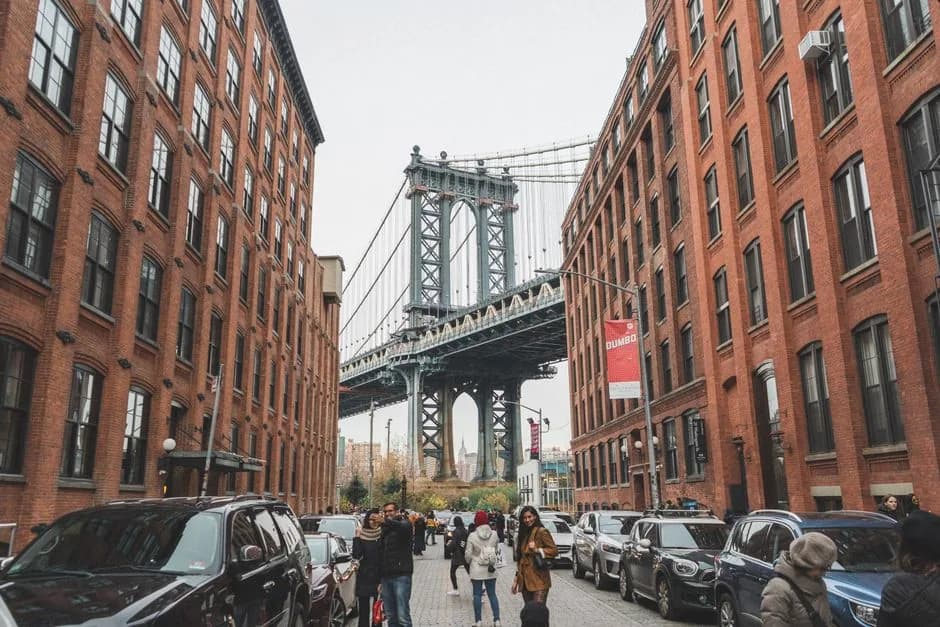
Living in DUMBO provides a lifestyle marked by its artistic community and proximity to notable Brooklyn attractions. The neighborhood's historic charm is complemented by a strong sense of community. Housing tends to be in converted lofts or new developments, providing spacious living often favored by those in creative professions. With a 48% rate of rent-stabilized apartments, residents here may find financial stability regarding rent increases more accessible than some alternative locations.
Hudson Yards, on the other hand, offers a distinctly urban Manhattan vibe with modern high-rises and comprehensive amenities. Residents often enjoy notable city views along with a range of luxury services. It’s an area designed for the modern professional seeking convenience and an immersive Manhattan experience. However, it features a relatively lower percentage of pet-friendly accommodations at 41%, which might be a consideration for pet owners.
Each neighborhood fosters a unique enclave, DUMBO leaning towards a serene, cultured atmosphere and Hudson Yards buzzing with urban convenience. Renters need to align their living experience expectations with these neighborhood dynamics, factoring in lifestyle preferences and family considerations.
Buildings and housing stock: DUMBO vs. Hudson Yards
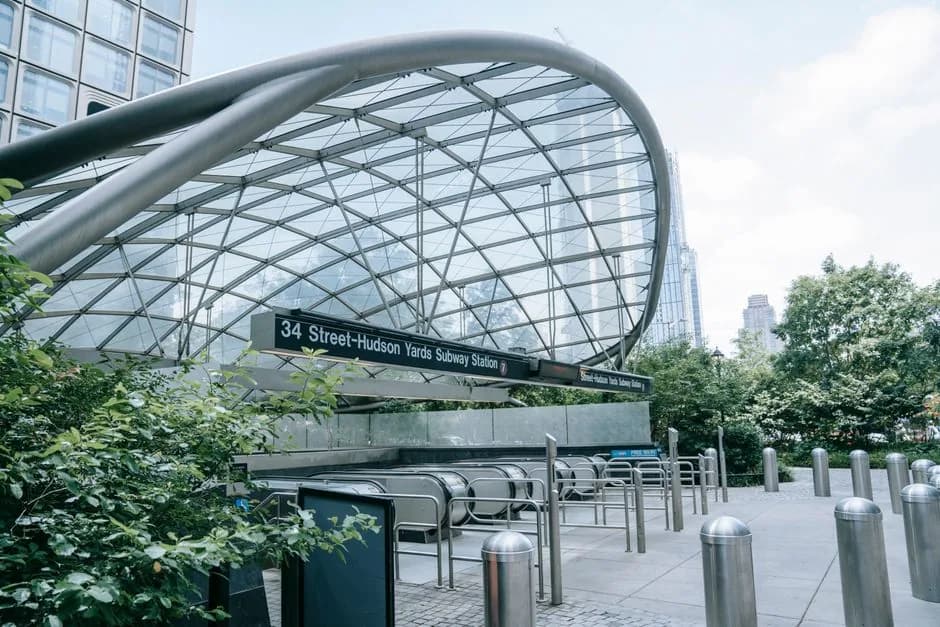
DUMBO showcases a relatively concentrated housing stock with 25 buildings, in stark contrast to the 93 found in Hudson Yards. This difference not only impacts the sheer number of choices available but also highlights the differing scales of development in each neighborhood. The building age in DUMBO tends toward a mix of preserved older lofts and modern renovations, resulting in a variety of architectural styles. Meanwhile, Hudson Yards, coming from a more recent redevelopment drive, presents predominantly contemporary, glass-heavy edifices.
Renters in DUMBO might appreciate the historical aesthetic, with many buildings holding higher average ratings at 4.13 compared to Hudson Yards’ 3.64. This could reflect a preference for smaller community buildings, often with more personalized management and maintenance responses. In contrast, those in Hudson Yards’ housing market might prioritize the newness and high-tech affinity of these modern constructions.
Though Hudson Yards provides more pet-friendly buildings, it also offers a significant number of rent-stabilized options, with 66% of its housing stock falling under this category, compared to DUMBO’s 48%. These stabilization measures can be a strong factor for renters looking for cost predictability in an ever-fluctuating market.
What tenants say: DUMBO vs. Hudson Yards
In DUMBO, tenants often laud the high-quality living experience, indicated by the neighborhood's average building rating of 4.13. Feedback typically highlights the sense of community and satisfaction with building management, especially within the top-rated buildings accounting for 76% of the area’s housing stock. With a single highly-reviewed building, community interactions and reputation matter significantly for potential renters looking for reliable insights.
Conversely, tenants in Hudson Yards offer a mixed bag of reviews, culminating in a modest average rating of 3.64 with 93 total reviews. Its modern infrastructure and luxury features occasionally garner praise, yet variability in service quality and the anonymous feel of some large developments play into its lukewarm reception. Notably, with 12 buildings classified as most-reviewed, perspective on living conditions might be clearer, offering transparency for those making decisions based on collective tenant experiences.
Overall, potential renters should weigh the significance they place on tenant feedback when considering these neighborhoods. DUMBO shines through on reputation and building quality as a steadily appealing choice, while Hudson Yards remains dependent on the appeal of its expansive and often impersonal developments.
Building condition and track record: DUMBO vs. Hudson Yards
The buildings in DUMBO generally hold a reputable standing, evidenced by a high average rating of 4.13, suggesting tenants are largely satisfied with their living conditions and building management. This neighborhood also features a significant proportion of top-rated buildings at 76%, demonstrating overall favorable living standards across a smaller albeit dedicated collection of buildings.
Meanwhile, in Hudson Yards, the average building rating dips to 3.64, indicating some tenant dissatisfactions within this expansive area. It features 44 top-rated buildings, reflecting diverse tenant experiences across different housing blocks. With a high number of buildings and rapid development pace, variation in quality is something prospective tenants should critically evaluate when touring options.
Both neighborhoods possess differing track records in rent-stabilization; Hudson Yards leads with 66% of its apartments under rent stabilization, which could appeal to those valuing rental price predictability. Conversely, DUMBO’s 48% may still provide reassurance to tenants mindful of long-term affordability and stability in rental contracts.
Getting around compared
DUMBO offers residents ready access to Brooklyn's node of transportation, making city commutes feasible for those who work either in Manhattan or elsewhere in Brooklyn. Practical for walking and biking, DUMBO’s smaller scale and distinctiveness in layout can cater to a lifestyle that prioritizes a relaxed, community-driven ambiance over immediate urban bustle.
In contrast, Hudson Yards commands proximity to Manhattan’s main transport infrastructures, facilitating accessibility across the city. This is particularly advantageous for renters with jobs dispersed through Manhattan or who frequently utilize transit hubs for broader commutes. The neighborhood is shaped for busier city lives where convenience often supersedes spaciousness, tailored to professionals that capitalize on Manhattan’s active tempo.
Prospective tenants should weigh the transit convenience against their personal travel needs and pace preferences. While DUMBO provides ample access within a less hectic setting, Hudson Yards might be better suited for those whose work-laden or social itineraries demand quick and wide-ranging mobility.
Which should you choose — DUMBO or Hudson Yards?
Choosing between DUMBO and Hudson Yards should fundamentally hinge on what you prioritize in a neighborhood. DUMBO shines with higher building ratings and a community-rich atmosphere, ideal for those seeking aesthetically pleasing environments and pet-friendly accommodations. Its median rent of $5,947 signals a premium that reflects its quality living experience.
On the other hand, Hudson Yards offers a more varied and affordable rental landscape, with a median rent of $5,504 and a substantial selection of no-fee listings. It appeals to renters who appreciate modern, large-scale developments and the benefits of central public transport links. Its 66% rent-stabilization rate offers reassurance in Manhattan’s high-rent climate.
Ultimately, prospective renters should consider their lifestyle preferences alongside budget constraints. Those interested in smaller communities and creative neighborhoods might lean towards DUMBO, while urbanites who enjoy hunting through numerous options for newer designs and central locations might find Hudson Yards more compelling.
At a glance
- DUMBO median rent is $5,947; Hudson Yards is $5,504.
- Hudson Yards offers 131 active listings, while DUMBO has 36.
- DUMBO's buildings rated higher at 4.13 vs. 3.64 in Hudson Yards.
- 60% of DUMBO's buildings are pet-friendly; Hudson Yards is 41%.
- Hudson Yards has 66% rent-stabilized apartments; DUMBO has 48%.
- Consider no-fee options: 71% in Hudson Yards, 44% in DUMBO.
FAQ
The bottom line
Browse current listings in DUMBO and Hudson Yards, or read what renters are saying about specific buildings on Openigloo.
Browse DUMBO listingsOther neighborhood guides nearby — same borough, different rent ranges and vibes. Useful when you're widening the search radius.

Moving to Downtown Brooklyn? Here's what renters should know

A complete renter's guide to Greenpoint
New to Williamsburg? A renter's starter guide
New to Crown Heights? A renter's starter guide

Renting in Gowanus: everything you need to know

What it's really like to rent in Fort Greene
Renting in Brooklyn Heights: what to expect
Renting in Bedford-Stuyvesant: what to expect
Other comparison pairs in the same theme — neighborhoods that come up in the same kinds of debates renters have when they're deciding where to live.

Carroll Gardens vs. Park Slope: which neighborhood fits your budget and lifestyle?
Cobble Hill vs. Park Slope: which neighborhood fits your budget and lifestyle?
East Village vs. Morningside Heights: where should you rent?

East Village vs. Murray Hill: a renter's guide to choosing

Astoria vs. Park Slope: which neighborhood fits your budget and lifestyle?

Forest Hills vs. Park Slope: where should you rent?

Murray Hill vs. Upper East Side: which neighborhood is right for you?
Brooklyn Heights vs. Park Slope: where should you rent?