

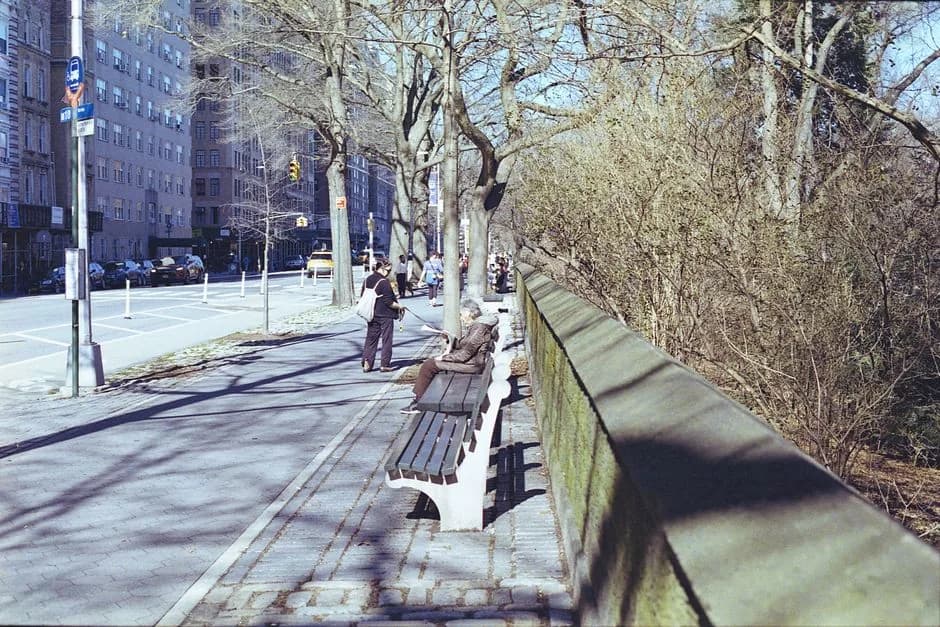
Inwood vs. Washington Heights: which neighborhood is right for you?
Choosing between Inwood and Washington Heights can be a complex decision, especially considering Manhattan's diverse neighborhoods. Inwood has a median rent of $3,224, while Washington Heights is slightly more affordable with a median rent of $3,200. This comparison will help you decide which neighborhood suits your lifestyle and budget best. One notable aspect is the number of active listings: Inwood has 21, whereas Washington Heights offers more options with 55 listings. This variety might influence your decision if having multiple choices is a priority. However, it's crucial to also consider building conditions, tenant reviews, and accessibility within the context of these neighborhoods. Throughout this comparison, we'll dig into the specifics of what living in each neighborhood entails, touching upon everything from building quality to tenant satisfaction. Our aim is to provide a clear, concise breakdown to assist you in determining which area aligns with your needs, using only data-supported insights.
Quick verdict
Choosing between Inwood and Washington Heights can often come down to subtle differences in personal preference and lifestyle needs. Inwood has a median rent of $3,224, while Washington Heights offers a slightly lower median rent of $3,200. Both neighborhoods are located in Manhattan, making them convenient for those who value a centrally located lifestyle. But the key difference lies in the availability of rental options: Inwood has 21 active listings, while Washington Heights boasts more variety with 55 active listings.
From a building perspective, Washington Heights outshines Inwood with its average building rating of 3.06 compared to Inwood's 2.98. This might indicate that tenants in Washington Heights generally report higher satisfaction with their living conditions. Furthermore, Washington Heights has a greater number of pet-friendly buildings, accounting for 41% of properties compared to Inwood's 38%. If pet accommodations are a priority, this could be a decisive factor.
Ultimately, the choice between these two neighborhoods might rest on broader lifestyle considerations, such as commuting needs and local amenities. For budget-conscious renters who prioritize variety and higher-rated building conditions, Washington Heights might be the preferable choice. Inwood may appeal to those seeking a slightly quieter environment or specific housing conditions that meet their needs.
Rent compared: Inwood vs. Washington Heights
In terms of rent, Inwood and Washington Heights are closely aligned, with Inwood having a slightly higher median rent of $3,224 compared to Washington Heights at $3,200. This nearly negligible difference implies that cost won't be a major differentiator for most renters when deciding between the two. However, examining further into the rental landscape reveals distinguishing features such as rental availability and no-fee listings.
Inwood has 21 active listings, with 62% being no-fee, thus potentially attracting renters looking to avoid additional move-in costs. In contrast, Washington Heights has a higher number of active listings at 55, but only 24% are no-fee. Renters who prioritize minimizing upfront costs might find Inwood more appealing due to this higher percentage of no-fee rentals.
When deciding on a neighborhood based on rental costs, it's important to also consider fluctuating rent ranges. Inwood’s rent range indicates a p25 value of $2,516, whereas Washington Heights starts at $2,890 for its p25, showing more stable lower-end options in Inwood. Potential renters should assess how these figures align with their budget and housing expectations to make an informed choice.
What each is like to live in
Living in Inwood offers an environment with a higher prevalence of rent-stabilized units at 92%, potentially providing more predictable rental costs over time. This is a stark contrast to Washington Heights, where only 86% of housing is rent-stabilized, though it still offers stability for many renters.
In terms of pet-friendliness, Washington Heights may be slightly more accommodating with 41% of buildings welcoming pets compared to Inwood’s 38%. For renters with pets, this difference might be an influential factor. Additionally, Washington Heights houses generally have better reviews, with an average building rating of 3.06, while Inwood's average is 2.98. This could reflect overall tenant satisfaction with building amenities and maintenance levels.
Both neighborhoods provide the advantage of being in Manhattan, facilitating easy access to various parts of the city. However, lifestyle and neighborhood atmosphere can differ. Prospective renters might want to consider surroundings, local social options, or ease of daily logistics, such as grocery shopping or access to outdoor spaces, before making a decision.

Buildings and housing stock: Inwood vs. Washington Heights
The housing stock in Washington Heights is notably larger than in Inwood, with 376 buildings compared to 179 in Inwood. This greater volume likely provides Washington Heights inhabitants with more diverse choices in terms of building types and layouts, contributing to its slight edge in average building ratings. With Washington Heights’ average rating at 3.06, compared to Inwood’s 2.98, renters might find a higher likelihood of encountering well-maintained and positively reviewed buildings.
Considering rent-stabilization, Inwood leads with 92% of its buildings featuring rent-stable apartments, adding a level of financial predictability that is attractive to many renters. Washington Heights follows closely with 86%, still a significant figure that can offer some rental stability over time. This might appeal to long-term residents who prioritize consistent rent costs.
For pet owners, Washington Heights again presents an advantage, offering 41% of its buildings as pet-friendly compared to Inwood’s 38%. Thus, understanding the nuances of each neighborhood’s building stock goes a long way in making an informed rental decision, especially for those with specific housing condition priorities or flexible living arrangements.
What tenants say: Inwood vs. Washington Heights
Tenant feedback is a crucial factor in evaluating a neighborhood, and in this context, Washington Heights tends to receive slightly more favorable reviews with an average building rating of 3.06 compared to Inwood’s 2.98. These ratings suggest a higher level of satisfaction among residents, which can be indicative of better-managed properties or more desirable living conditions.
However, it’s essential to consider what aspects are being reviewed and the margin of reviews. Washington Heights has accumulated a total of 372 reviews, honoring a broader perspective from its tenant base. On the contrary, Inwood collects feedback from 176 reviews. For prospective tenants, digging into specific tenant feedback on platforms like Openigloo can provide insights into issues or benefits not reflected in raw numbers, such as noise levels or neighborhood camaraderie.
Understanding these reviews and average ratings offer a fuller picture of what to expect day-to-day. Prospective renters should use this information to prioritize facility maintenance practices or neighborhood dynamics that most affect their quality of life.
Building condition and track record: Inwood vs. Washington Heights
Assessing building conditions in Inwood and Washington Heights shows some variance, with the condition of Washington Heights’ buildings receiving a slightly higher average rating of 3.06, compared to Inwood’s 2.98. This higher rating might reflect better overall building maintenance or more comprehensive landlord attention in Washington Heights, which could be pivotal for tenants seeking secure and well-managed living environments.
In terms of building age and renovation status, the sheer volume of buildings in Washington Heights at 376, as opposed to Inwood’s 179, implies a broader array of housing options that might cater to diverse aesthetic and functional preferences. Prospective renters should consider scheduling tours to verify that the building’s condition aligns with expectations set by reviews.
Further, given that Inwood’s buildings are predominantly rent-stabilized, renters might experience varied building conditions due to differing levels of prior investment in property upkeep. Renters should remain vigilant and conduct thorough building inspections, engaging directly with current tenants if possible, to gain an authentic understanding of maintenance and historical reliability.
Getting around compared
Transportation is a shared strength for both Inwood and Washington Heights due to their Manhattan location, providing residents with convenient access to the wider city. Although specific transit options aren't disclosed, the general availability of public transit accompanying a Manhattan address offers a beneficial connectivity characteristic.
Given the accessibility concerns, potential renters should consider trial commutes during peak travel times to understand the practical impediments or conveniences of navigating from these neighborhoods to other city parts. The differential active listing counts, with Washington Heights showcasing 55 and Inwood 21, may indirectly influence the living experience through crowding or transit ease during busy periods.
Both neighborhoods provide excellent platforms for those needing accessibility and integration with New York City's broader landscape. Renters should measure these regional positives against personal daily requirements when considering primary or secondary priorities, such as closeness to workplaces or preferred city hubs.
Which should you choose — Inwood or Washington Heights?
Choosing between Inwood and Washington Heights ultimately depends on your priorities as a renter. Both neighborhoods present distinct advantages tailored to varying renter needs underpinned by data-driven differences.
If your primary focus is on a diverse and abundant rental market, Washington Heights emerges as a leading choice with 55 active listings. Additionally, for those who value slightly higher building ratings of 3.06, Washington Heights may offer more satisfactory living experiences. However, note that only 24% of these listings are no-fee, which may impact shorter-term affordability.
On the other hand, Inwood might appeal more to budget-conscious renters given its 62% no-fee listings and its stronger predisposition towards rent-stabilized housing at 92%. Although its average building rating is slightly lower at 2.98, it offers potential cost stability over time, making it an attractive option for renters planning to stay longer.
Ultimately, evaluating personal criteria like budget flexibility, pet needs, commute convenience, and desired neighborhood dynamics are critical in choosing the right neighborhood. Assessing these parameters against the backdrop of our data can assist in your decision-making process.
At a glance
- Inwood median rent: $3,224; Washington Heights: $3,200.
- 21 active listings in Inwood, 55 in Washington Heights.
- 62% of Inwood listings are no-fee; Washington Heights only has 24%.
- Inwood: 92% rent-stabilized; Washington Heights: 86%.
- Washington Heights has higher building ratings: 3.06 vs. 2.98.
FAQ
The bottom line
Browse current listings in Inwood and Washington Heights, or read what renters are saying about specific buildings on Openigloo.
Browse Inwood listingsOther neighborhood guides nearby — same borough, different rent ranges and vibes. Useful when you're widening the search radius.

Is Hell's Kitchen a good place to live? A renter's guide

New to Upper West Side? A renter's starter guide

Renting in Financial District: everything you need to know

Renting in Kips Bay: everything you need to know
New to Murray Hill? A renter's starter guide
Moving to Yorkville? Here's what renters should know

New to East Village? A renter's starter guide

Renting in Chelsea: what to expect
Other comparison pairs in the same theme — neighborhoods that come up in the same kinds of debates renters have when they're deciding where to live.

Choosing between Greenpoint and Williamsburg: a renter's guide
Astoria or Long Island City? A renter's comparison
Renting in East Village vs. Lower East Side: how they compare
Park Slope vs. Prospect Heights: where should you rent?

Kips Bay vs. Murray Hill: which neighborhood fits your budget and lifestyle?
Bedford-Stuyvesant vs. Bushwick: where should you rent?

Hell's Kitchen or Midtown West: which is the better place to rent?

Crown Heights or Prospect Lefferts Gardens? A renter's comparison