

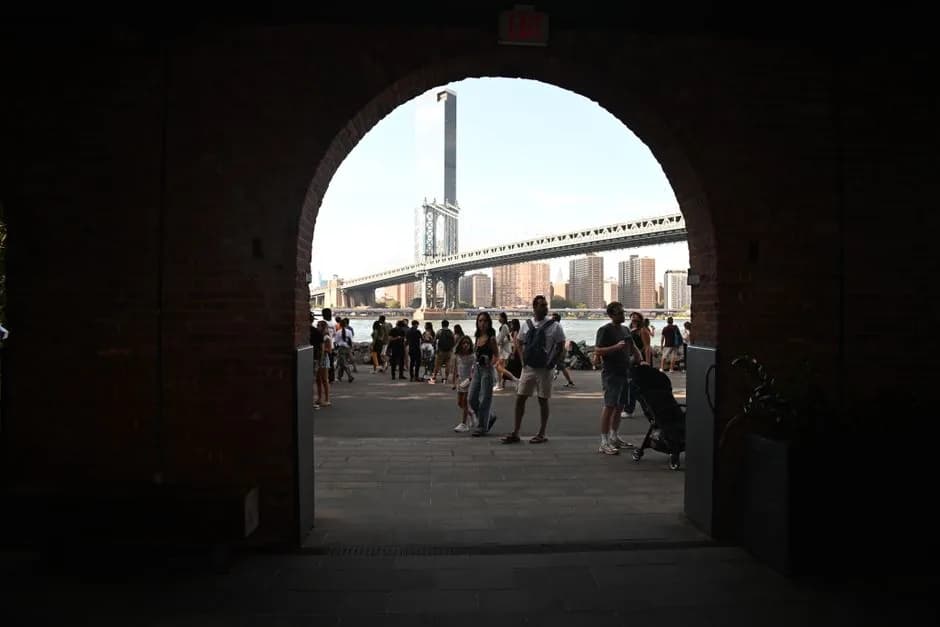
DUMBO vs. Tribeca: where should you rent?
Choosing between DUMBO and Tribeca as your next rental spot means considering factors such as rent, building quality, and community experience. In DUMBO, the median rent is currently $5,947, which is substantially lower compared to Tribeca's $7,500. This price difference could determine your decision based on budget constraints. Renters often weigh location, amenities, and community vibes when choosing a neighborhood. With a median rent difference of 20.7% in favor of DUMBO, those looking for a more affordable option on a comparative basis might lean towards DUMBO. However, Tribeca boasts a higher active listing volume at 107 compared to DUMBO's 36, offering greater choice. As you read on, each section delves into the comparative aspects of these neighborhoods. Evaluate pros and cons, like building conditions and tenant reviews, to find which area fits your lifestyle best.
Quick verdict
For those deciding between DUMBO and Tribeca, cost is a significant factor. DUMBO has a median rent of $5,947, which is $1,553 lower than Tribeca's $7,500. This makes DUMBO a more budget-friendly option for renters concerned about affordability. Additionally, DUMBO's percentage of rent-stabilized buildings at 48% is higher than Tribeca's 43%, potentially providing more stability for long-term renters.
However, Tribeca offers a wider range of available apartments with 107 active listings compared to DUMBO’s 36. This means greater immediate availability and perhaps faster housing turnover. This contrast might appeal to those seeking a wider variety of options or those who prefer a more immediate decision-making process. DUMBO, while smaller in scale, might cater more to those who value quality over quantity as it maintains a higher building average rating of 4.13.
In summary, if budget constraints are pivotal, DUMBO should be considered, particularly for its comparatively spacious rent-stabilized options. If choice variety and accessibility are priorities, take a deeper dive into Tribeca's offerings to find the rental that satisfies your needs.
Rent compared: DUMBO vs. Tribeca
In analyzing rental prices, DUMBO's median rent stands at $5,947, which is significantly more affordable than Tribeca’s $7,500 median. This represents a price difference of approximately 20.7%. For renters, this discrepancy in pricing might play a decisive role, especially for those weighing location benefits against direct living costs.
The differences extend into bedroom-specific pricing schemes. For example, the median rent for a one-bedroom apartment in DUMBO is $5,768, whereas in Tribeca, it's significantly higher at $7,425. Tribeca also sees higher values across the board for multi-bedroom spaces. Consequently, Tribeca may attract renters looking for luxury residences, whereas DUMBO appeals to those keen on locating a comparably luxurious lifestyle with lighter financial strain.
When selecting a neighborhood, renters should consider their personal financial realities. Rent in DUMBO may be more suitable for budget-conscious individuals or those who are new to the city and looking to establish ahead of higher costs that Tribeca commands. Evaluating rent differences in tandem with your lifestyle requirements will navigate you towards a decision better suited to your housing aspirations.
What each is like to live in
Living in DUMBO or Tribeca provides notably different experiences shaped by their respective boroughs. DUMBO, situated in Brooklyn, boasts a feeling of industrial and creative fusion with its historic cobblestone streets and converted warehouse spaces. This area is characterized by a display of art spaces and a proximity to breathtaking waterfront views.
In contrast, Tribeca, located in Manhattan, is synonymous with luxury, offering upscale dining, boutique shopping, and a strong sense of privacy that is appealing to those looking for exclusivity. As a Manhattan neighborhood, Tribeca is known to blend a residential serenity with Manhattan's vibrancy, creating a unique environment that's urban yet residential.
While Tribeca offers a larger range of lifestyle amenities given its higher development and infrastructure density, DUMBO attracts those who seek a more small-scale yet urban lifestyle without completely diving into an exceedingly active NYC hub. Renters might find Tribeca alluring for its exclusivity and quality, while DUMBO provides a slightly more accessible community without sacrificing the modern loft-style allure.
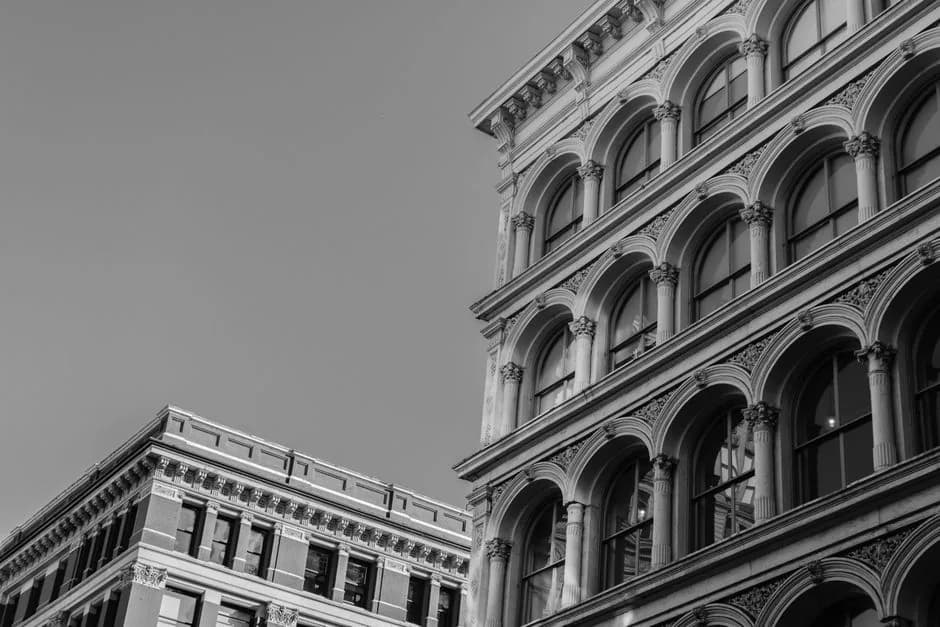
Buildings and housing stock: DUMBO vs. Tribeca
In DUMBO, there are 25 buildings with a higher average building rating of 4.13, reflecting high tenant satisfaction. With 60% being pet-friendly, DUMBO caters well to pet owners. The smaller building count suggests a more intimate residential environment, which could appeal to those seeking a quieter living space.
Contrastingly, Tribeca offers 72 buildings with an average rating of 3.96. Despite the lower rating, Tribeca's building stock is expansive, providing a significant variety of residence types within its borders. This might appeal to renters seeking specific amenities or unique floor plans that are more likely to be found in larger housing selections.
When evaluating housing stock, consider DUMBO’s quality-focused, smaller scale experience against Tribeca’s broader selection. Depending on your preference — whether a more personal community feel or a wider set of housing options — your choice between neighborhoods becomes clearer. It's crucial to consider not only initial impressions but how each aligns with your anticipated lifestyle adjustments and preferences.
What tenants say: DUMBO vs. Tribeca
Tenant feedback offers valuable insights into what living in these neighborhoods is truly like. In DUMBO, the average building rating is 4.13, which suggests tenant satisfaction is generally high across its 25 buildings. The relatively small amount of total reviews at 24 might indicate residents have fewer grievances, contributing to a more cohesive community.
On the other hand, Tribeca’s average building rating is slightly lower at 3.96, collected from a larger pool of reviews totaling 68. This indicates a mix of experiences among tenants, with more varied opinions likely due to the number of buildings and residents. Tribeca's wider range could suggest that tenant experiences depend highly on the specific building, pointing to the importance of conducting thorough research on individual properties before renting.
Listening to existing tenants’ experiences provides a relatable narrative surrounding the benefits and challenges of each area. While DUMBO is likely favorable for those seeking a calmer residential profile, Tribeca may appeal to individuals who enjoy being part of a larger, more diverse community. Prospective tenants should consider the value of personal testimonials as they navigate this decision.
Building condition and track record: DUMBO vs. Tribeca
DUMBO boasts a higher proportion of top-rated buildings, with 19 out of 25 achieving this status. The higher rating indicates robust maintenance practices and potentially newer construction materials or renovations. Furthermore, 48% of DUMBO's buildings are rent-stabilized, offering a level of tenant security directly associated with longevity preferences.
Tribeca, with its larger portfolio of 72 buildings, has 41 top-rated structures despite a slightly lower average rating of 3.96. The significant number of top-rated buildings suggests that Tribeca offers plenty of well-maintained options. However, the more expansive landscape means that tenant experiences are likely more variable, depending on building management efficacy.
Having confidence in building integrity is crucial for long-term tenant satisfaction. As you explore these neighborhoods, assessing not just ratings but real-time interactions with property management can enhance understanding of what life could be like under potential scenarios. Prioritize investigating buildings with consistent, favorable reviews to inform your final choice and assure your future dwelling fits your expectations regarding condition sustainability and management reliability.
Getting around compared
When comparing transportation options, both DUMBO and Tribeca benefit from well-integrated public transit systems typical of urban New York areas. DUMBO's location in Brooklyn indicates access to thoroughfare routes scattered throughout its vicinity, which may serve individuals who appreciate walking-friendly streets.
Tribeca's Manhattan location situates it centrally, providing comprehensive transit choices that are generally a hallmark of NY living, making it a pragmatic choice for city-wide connectivity. With 107 active apartment listings, Tribeca's ecosystem might appeal more to those commuting to various parts of the city for work or pleasure, given the broader access routes available.
Both neighborhoods offer efficient transit but differentiate in their specific offerings and accessibility scopes. Your choice should reflect day-to-day routines, such as work commutes and recreational travel, ensuring your living area supports your lifestyle. Investigate local transport details and consider the proximity of your chosen building to transit points for an unimpeded future urban experience.
Which should you choose — DUMBO or Tribeca?
Deciding between DUMBO and Tribeca depends primarily on individual priorities and lifestyle requirements. DUMBO is the more economical option with a median rent of $5,947, presenting opportunities for budget-conscious renters or those seeking comfortable industrial district dynamics. The neighborhood offers several pet-friendly options — 60% of its buildings — and a calm, artistic atmosphere.
Tribeca's appeal lies in its range and luxury proposition. With a median rent of $7,500, it is more tailored to those who place higher value on exclusivity, convenience, and access to a dynamic urban context. It offers more extensive choices, granted by its considerable 107 active listings, ensuring something for everyone under its inclusive spectrum.
Consider your budgetary boundaries alongside personal preferences such as building aesthetics, neighborhood spirit, and transit orientation. Ultimately, experiences of each area and how it aligns with your aspirations will inspire a decision aligned with your vision of an ideal living scenario. In this context, exploring both neighborhoods firsthand could bring further clarity to inform your final choice.
FAQ
The bottom line
Browse current listings in DUMBO and Tribeca, or read what renters are saying about specific buildings on Openigloo.
Browse DUMBO listingsOther neighborhood guides nearby — same borough, different rent ranges and vibes. Useful when you're widening the search radius.
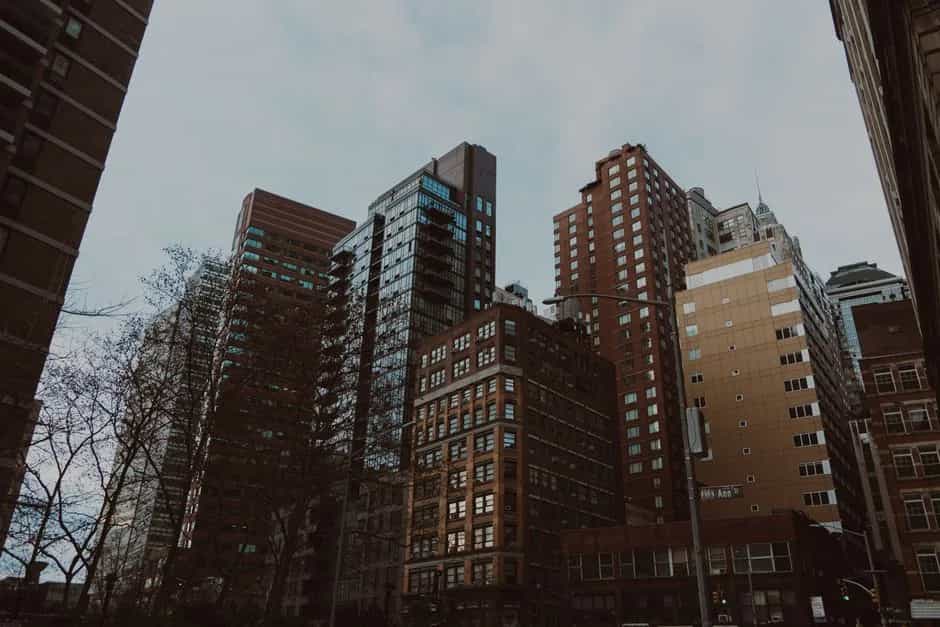
Moving to Downtown Brooklyn? Here's what renters should know

A complete renter's guide to Greenpoint
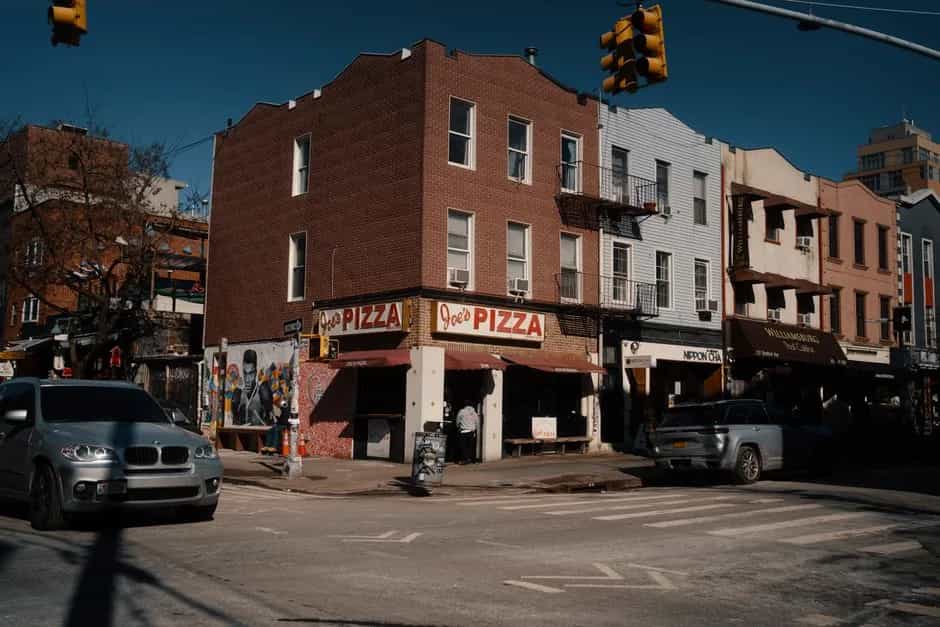
New to Williamsburg? A renter's starter guide
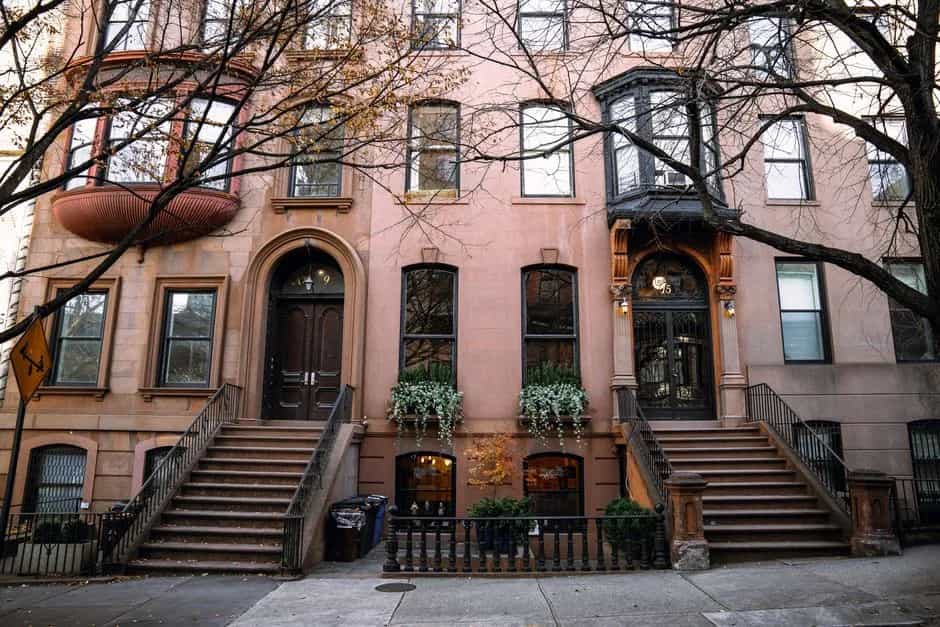
New to Crown Heights? A renter's starter guide
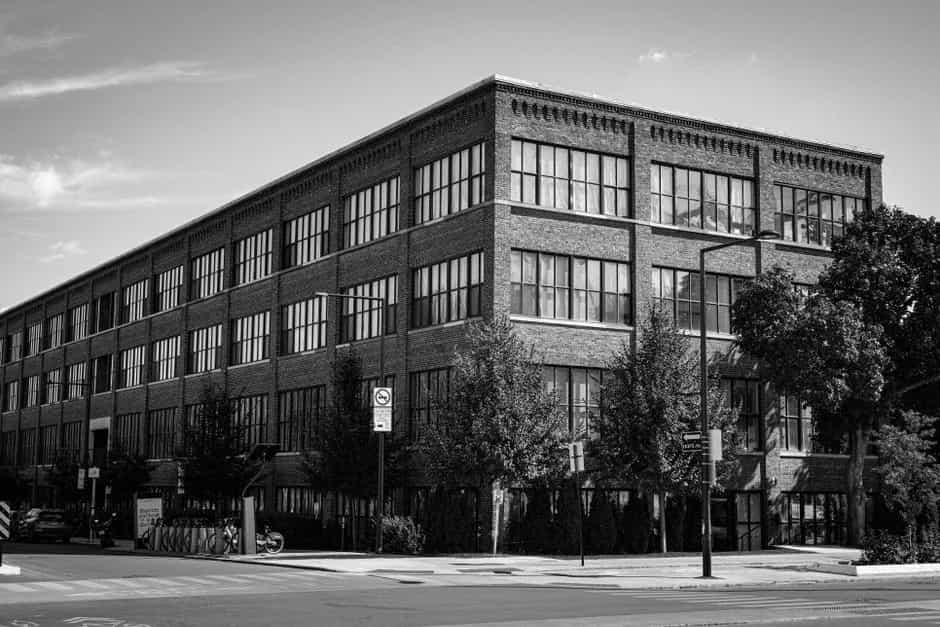
Renting in Gowanus: everything you need to know
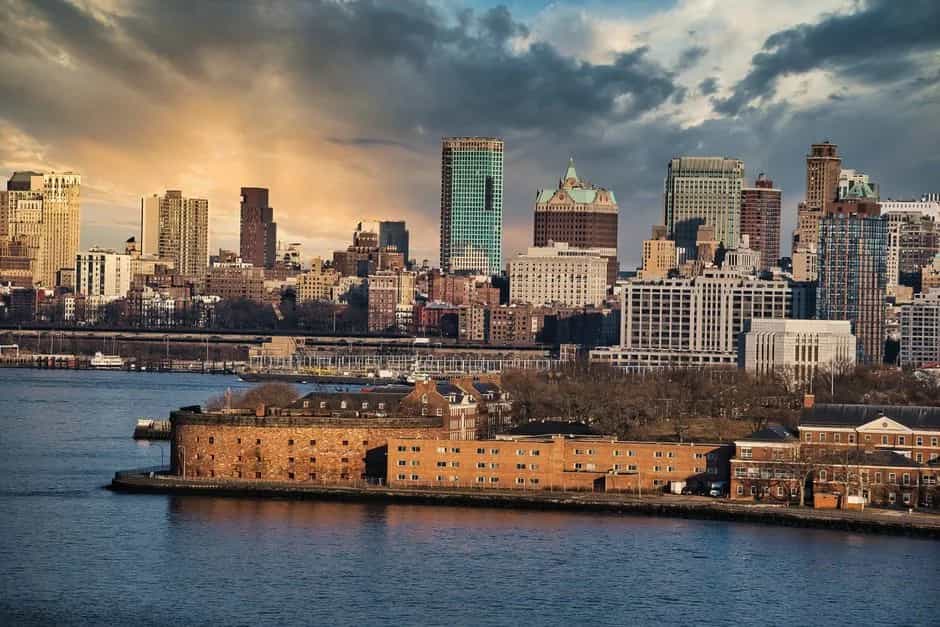
What it's really like to rent in Fort Greene
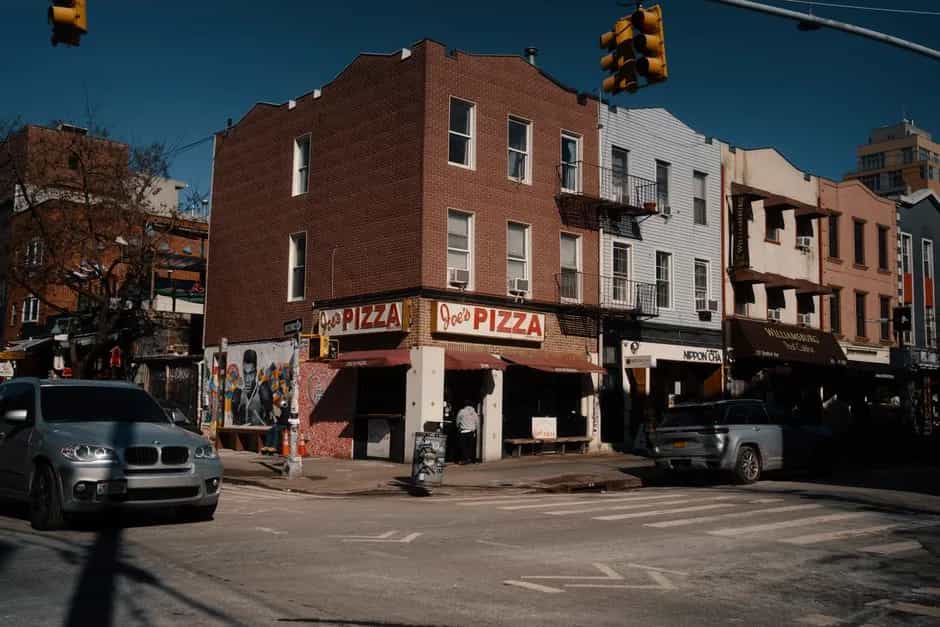
Renting in Brooklyn Heights: what to expect
Renting in Bedford-Stuyvesant: what to expect
Other comparison pairs in the same theme — neighborhoods that come up in the same kinds of debates renters have when they're deciding where to live.
Upper East Side vs. Upper West Side: where should you rent?

East Village or Williamsburg: which is the better place to rent?
Park Slope or Williamsburg? A renter's comparison
Should you rent in Park Slope or West Village?
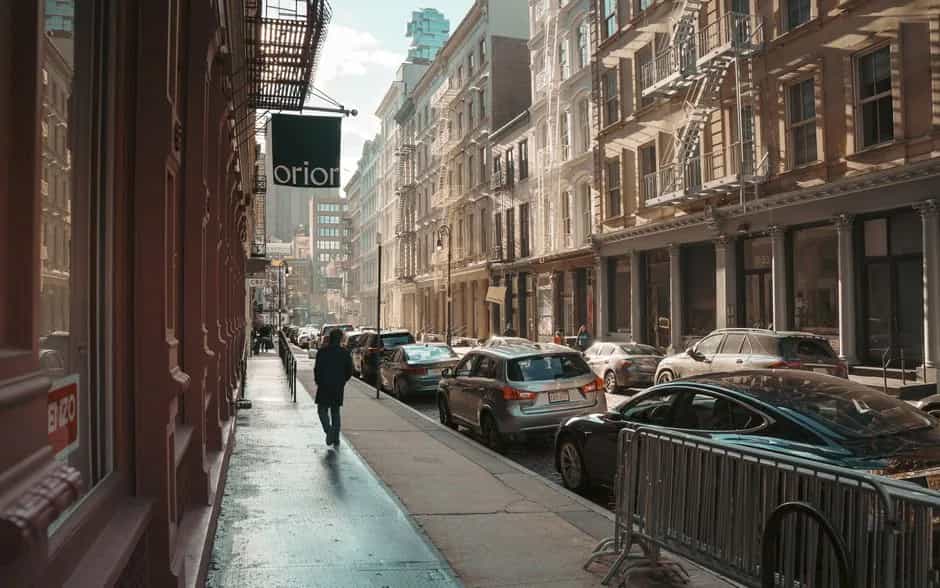
Choosing between Soho and Tribeca: a renter's guide

Tribeca vs. West Village: rent, buildings, and what to expect in each
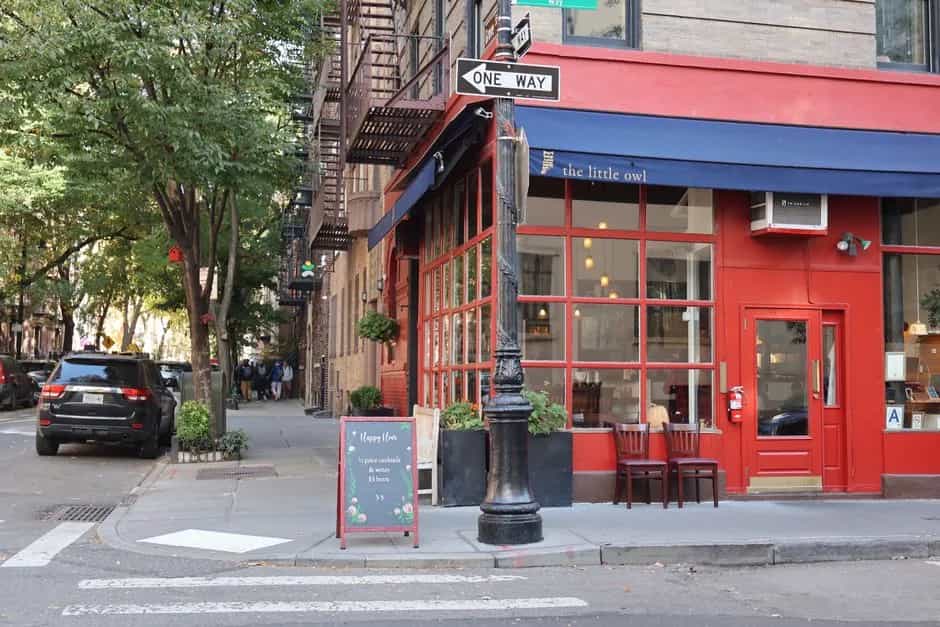
East Village vs. Nolita: a renter's guide to choosing
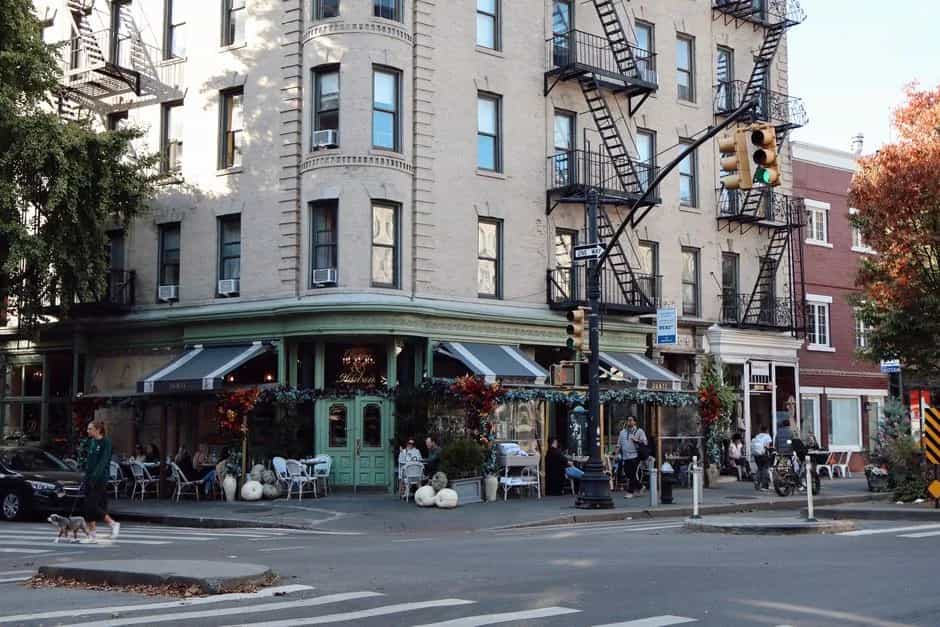
What's the difference between renting in Greenwich Village and West Village?