


Park Slope or Williamsburg? A renter's comparison
When choosing between Park Slope and Williamsburg, two notable Brooklyn neighborhoods, the rental options offer a distinct difference in median rents. Park Slope offers a more affordable median rent of $3,674, which is significantly lower than Williamsburg's median rent of $5,280. These neighborhoods have their own unique characteristics and appeal to different renter needs. If you're weighing where to live based on your rental budget, the cost difference between these two neighborhoods is crucial. Williamsburg, with its higher rents, typically caters to those seeking more upscale living or access to a greater number of listings, marked by its 156 active listings compared to Park Slope's modest 14. However, Park Slope might appeal more if affordability and a smaller neighborhood feel are what you seek. This article will guide you through the variations between these neighborhoods, from their housing stock to tenant feedback. With this guide, renters can make an informed decision about where to call home within Brooklyn.
Quick verdict
Choosing between Park Slope and Williamsburg often boils down to budget and lifestyle preferences. Park Slope, with a median rent of $3,674, offers affordability compared to Williamsburg's $5,280. This significant rental cost difference might influence your decision if budget is a priority.
Beyond rent, the number of apartment options also sets them apart. Williamsburg boasts 156 active listings, offering a wider selection for renters, whereas Park Slope has only 14, suggesting competition might be higher for available units. However, what's critical is how these figures translate into daily living. While Williamsburg offers a greater variety in housing options, it may also point to a busy environment that attracts a variety of residents. Meanwhile, Park Slope's fewer listings might reflect its community-oriented neighborhood feel.
Your decision ultimately hinges on whether you prioritize a more expansive market with more options like Williamsburg or the potentially closer-knit community atmosphere of Park Slope. Evaluate what matters more, because each neighborhood delivers a distinct living experience considering these factors.
Rent compared: Park Slope vs. Williamsburg
Rent is a crucial factor when deciding between Park Slope and Williamsburg. Park Slope's median rent stands at $3,674, a clear advantage over Williamsburg, where the median rent reaches $5,280. This difference highlights how Park Slope might suit budget-conscious renters better.
Williamsburg offers higher average rents, with studio apartments starting at $4,237 compared to Park Slope's $3,368. Notably, larger apartment options see a similar disparity. For instance, a three-bedroom in Williamsburg would require a significantly higher budget, with rents averaging $8,242, compared to Park Slope's $5,741 average for similar units.
The different pricing tiers can substantially affect your renting decision, especially if you are weighing costs seriously. Consider what type of unit you're planning to rent and whether the added costs align with the amenities and lifestyle in Williamsburg, or if Park Slope's relatively lower rents provide the necessary balance for your budget.
What each is like to live in
Living in Park Slope offers a different experience compared to Williamsburg. Park Slope is known for a quieter residential atmosphere, reflected in its smaller pool of residential options with only 14 active listings. This smaller selection contributes to a more community-focused environment, which may appeal to families or those seeking a more familiar neighborhood vibe.
On the other hand, Williamsburg is characterized by a much wider array of housing options with 156 active listings. This variety might suggest a more active environment, potentially appealing to a broader demographic range. The larger selection and the propensity for higher rents also hint at a neighborhood that might cater to professionals or those seeking a modern and possibly luxury apartment experience.
When deciding, consider what kind of daily experience you're looking for. If a tight-knit community and serenity appeal to you, Park Slope could be ideal. Alternatively, if you're drawn to an abundance of choices and a dynamic urban lifestyle, Williamsburg may suit you better. The choice boils down to which ambiance aligns more closely with your personal lifestyle preferences.
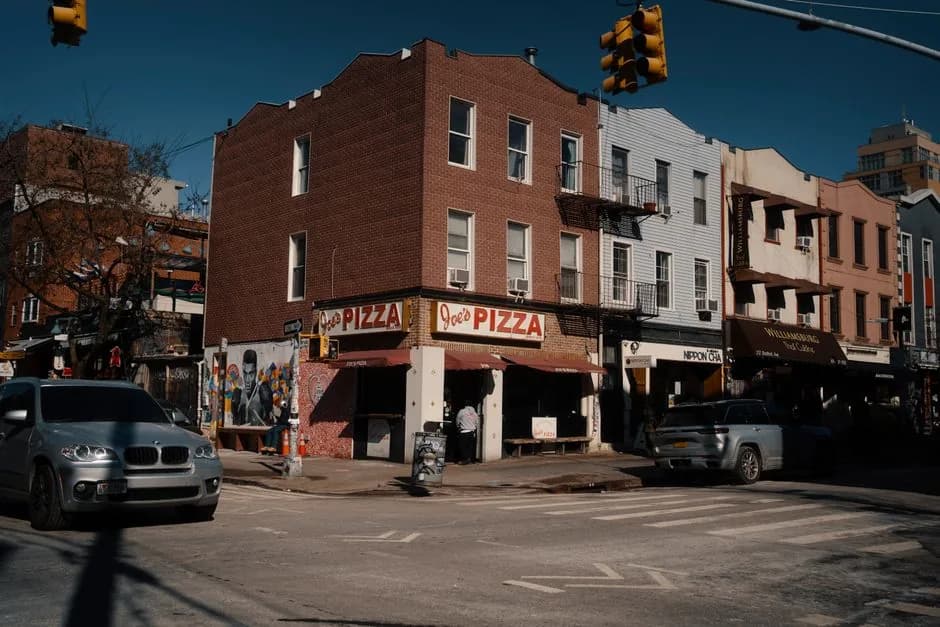
Buildings and housing stock: Park Slope vs. Williamsburg
When it comes to housing stock, Williamsburg offers nearly double the number of buildings compared to Park Slope, with 1,273 buildings versus 650. This discrepancy can drastically influence the variety of living situations available to renters. Williamsburg's wider selection could mean a broader range of architectural styles and building types, which might better cater to individual tastes.
In terms of pet-friendliness, both neighborhoods are fairly accommodating. Park Slope has 39% of its buildings being pet-friendly, while Williamsburg edges slightly higher with 40%. Rent-stabilized options are also present in both, with Park Slope having 41% and Williamsburg slightly leading at 42%. This aspect is essential for renters looking for long-term affordability.
While deciding between them, consider how these stats interplay with your housing needs. If building variety and the potential for modern amenities are paramount, Williamsburg's diverse stock has much to offer. However, if you're comfortable with a smaller selection and a more intimate neighborhood feel, Park Slope is worth considering. It's about finding the right balance between choice and community feel.
What tenants say: Park Slope vs. Williamsburg
Tenants' feedback provides invaluable insights into what living in Park Slope and Williamsburg is genuinely like. In Park Slope, where the building average rating is 3.65, residents might appreciate the neighborhood's charm and community sense. However, with fewer total reviews (645), it's worth noting that there might be less of a communal voice available online compared to Williamsburg.
Conversely, Williamsburg has amassed 1260 total reviews across its buildings. With an average building rating of 3.55, it indicates a slightly lower satisfaction level among tenants. However, the higher number of reviews could reflect a more transient or diverse tenant base, possibly due to the larger selection of buildings and apartments.
Listening to current residents' voices allows potential renters to gauge what to expect. Keep in mind that reviews can point to recurring themes such as maintenance issues or landlord responsiveness. It's wise to visit potential apartments and discuss with current renters to understand the community culture better and verify if the reviews align with your expectations.
Building condition and track record: Park Slope vs. Williamsburg
In terms of building condition and track record, the neighborhoods exhibit notable differences. Park Slope boasts 291 top-rated buildings compared to Williamsburg's 463, which suggests a higher concentration of well-maintained properties in Williamsburg. A greater number of top-rated buildings could mean consistency in quality across the housing within Williamsburg.
However, for the number of most-reviewed buildings, Park Slope trails significantly with only six compared to Williamsburg's robust 40. This indicates that tenants in Williamsburg are more engaged in sharing their experiences, potentially reflecting a active renter community that is both vocal and active in providing feedback.
When evaluating these neighborhoods, consider how vital building quality is to you. Prospective renters should weigh the emphasis on well-rated buildings, which may reflect better management or amenities. This information can guide you in selecting a housing option that meets your expectation for comfort and satisfaction, regardless of which neighborhood you choose.
Getting around compared
Both Park Slope and Williamsburg are situated in Brooklyn, meaning access to public transit is generally straightforward. However, the number of listings and neighborhood size contribute to different transit dynamics. Park Slope, with its smaller number of 14 active listings, might appeal to those who prefer a more walkable neighborhood with easy access to local amenities.
In contrast, Williamsburg's 156 active listings point to a broader, more expansive area with potentially greater connectivity. The larger number of buildings and housing options speaks to a active transit culture, possibly making it easier to reach nearby areas or engage in frequent commuting for work or leisure.
Whether you prioritize quick access to local stops or prefer a residential area where everything is at your doorstep can influence your choice. It's important to evaluate transit not merely for ease of commute but also in how it fits your lifestyle needs. Consider visiting the neighborhoods to assess fallow-up transportation options.
Which should you choose — Park Slope or Williamsburg?
Deciding between Park Slope and Williamsburg can hinge on various factors, including budget, lifestyle preferences, and housing needs. Park Slope presents as a more affordable option with a median rent of $3,674 compared to Williamsburg's $5,280. For budget-conscious renters, this difference could be pivotal in making a decision.
On the other hand, Williamsburg offers more active listings at 156 compared to Park Slope’s 14, indicating a more dynamic housing market. This can be advantageous if you're looking for diversity in housing types and are flexible on price. Williamsburg's variety might cater well to individuals seeking modern amenities and luxury.
Ultimately, consider what lifestyle aligns more with your personal needs. Park Slope's smaller community and potentially closer-knit environment might appeal to those seeking familiarity. Williamsburg, with its broader options and active rental scene, could be more suited to someone looking for a active urban experience. Evaluating these aspects will help you find the neighborhood that best fits your expectations.
At a glance
- Park Slope median rent is $3,674, Williamsburg's is $5,280.
- Williamsburg has 156 active listings; Park Slope has 14.
- Park Slope is 39% pet-friendly; Williamsburg is 40%.
- Park Slope ratings average 3.65; Williamsburg's average 3.55.
- Consider transit options based on local listings count.
- Verify tenant feedback with current residents.
- Compare housing stock diversity when touring.
FAQ
The bottom line
Browse current listings in Park Slope and Williamsburg, or read what renters are saying about specific buildings on Openigloo.
Browse Park Slope listingsOther neighborhood guides nearby — same borough, different rent ranges and vibes. Useful when you're widening the search radius.
Moving to Downtown Brooklyn? Here's what renters should know

A complete renter's guide to Greenpoint
New to Williamsburg? A renter's starter guide
New to Crown Heights? A renter's starter guide
Renting in Gowanus: everything you need to know

What it's really like to rent in Fort Greene
Renting in Brooklyn Heights: what to expect
Renting in Bedford-Stuyvesant: what to expect
Other comparison pairs in the same theme — neighborhoods that come up in the same kinds of debates renters have when they're deciding where to live.
Upper East Side vs. Upper West Side: where should you rent?

East Village or Williamsburg: which is the better place to rent?

Should you rent in Park Slope or West Village?
Choosing between Soho and Tribeca: a renter's guide

Tribeca vs. West Village: rent, buildings, and what to expect in each
East Village vs. Nolita: a renter's guide to choosing
DUMBO vs. Tribeca: where should you rent?
What's the difference between renting in Greenwich Village and West Village?