


Should you rent in Park Slope or West Village?
Choosing between Park Slope in Brooklyn and the West Village in Manhattan requires considerations around lifestyle and financial commitments. Park Slope offers a median rent of $3,674, making it more budget-friendly compared to West Village's $5,915 median rent. This difference might influence renters who prioritize cost over location. Both neighborhoods provide their own distinct living experiences. Park Slope is known for its accessibility to Brooklyn amenities, while West Village is centrally located in Manhattan. The range of available apartments and their conditions vary between these neighborhoods, affecting the choice for renters seeking specific housing styles. Comparing these factors is crucial when deciding which neighborhood suits you best. As you explore your options, use this guide to understand key differences such as rent, housing stock, tenant feedback, and overall living experience. The decision between Park Slope and West Village should be informed by both your financial situation and desired lifestyle, ensuring a choice that aligns with your needs.
Quick verdict
Park Slope's median rent of $3,674 makes it significantly more budget-friendly than West Village, where the median rent stands at $5,915. If affordability is a top consideration, Park Slope may be the preferable choice, offering a lower financial commitment without compromising on essential amenities. Additionally, Park Slope offers a selection of 14+ active listings, which can be somewhat limiting when compared to West Village's 136+ active listings. However, this gives Park Slope a unique edge for those who value a smaller, more community-centered neighborhood.
On the other hand, West Village, with its higher rent, offers a broader selection of apartments and the benefit of residing in a highly desirable Manhattan locale. It attracts individuals who are willing to invest in proximity to Manhattan’s opportunities and entertainment options. For renters prioritizing availability and diversity of listings, West Village might present a more suitable environment. Ultimately, the decision boils down to what weighs more in importance: cost efficiencies or the lifestyle benefits of Manhattan living. Consider both your financial situation and lifestyle preferences to make an informed choice.
Rent compared: Park Slope vs. West Village
In the debate of rent between Park Slope and West Village, affordability is a clear differentiator. Park Slope's median rent is $3,674, which is substantially lower than West Village's median rent of $5,915—a difference of $2,241. For budget-conscious renters, this makes Park Slope an appealing option, particularly given the comparable quality of life and amenities available.
The price difference isn't just significant in absolute terms, but also in its impact on potential lifestyle changes. If you opt for Park Slope instead of West Village, you gain potential savings that could be allocated to other lifestyle aspects such as dining, leisure activities, or personal savings. West Village, while offering more apartment listings at 136+, represents the higher demand and premium that comes with its sought-after location.
When choosing between these neighborhoods, consider if the cost savings from living in Park Slope outweigh the potential lifestyle advantages that an address in West Village might offer. Evaluate your own financial priorities and how each setting aligns with them before making a decision.
What each is like to live in
Living in Park Slope, you'll find 650+ residential buildings that cater to a range of renters, from those seeking rent-stabilized options to pet-friendly homes. Approximately 41% of Park Slope's buildings offer rent-stabilized units, providing more predictable rental costs, while 39% are pet-friendly, accommodating those with furry companions. The neighborhood's average building rating of 3.65 indicates generally satisfactory accommodations from those who've lived there.
Conversely, life in West Village is characterized by 413+ buildings, with a high proportion of rent-stabilized options—72%—making it an attractive option if stability and security are prioritized. Although fewer in number than Park Slope's, these options include pet-friendly facilities, with 37% of buildings allowing pets. The community atmosphere in West Village benefits from its Manhattan centrality, making it a point of interest for culture and events. Here, the average building rating is slightly higher at 3.66, reflecting similar renter satisfaction as in Park Slope.
Both neighborhoods have their distinct atmospheres, with Park Slope leaning towards a more relaxed, family-friendly vibe, while West Village fosters a active, energetic pace typical of Manhattan living. Determine what kind of daily experience suits you best—whether it's Park Slope's tranquil charm or West Village's metropolitan buzz.
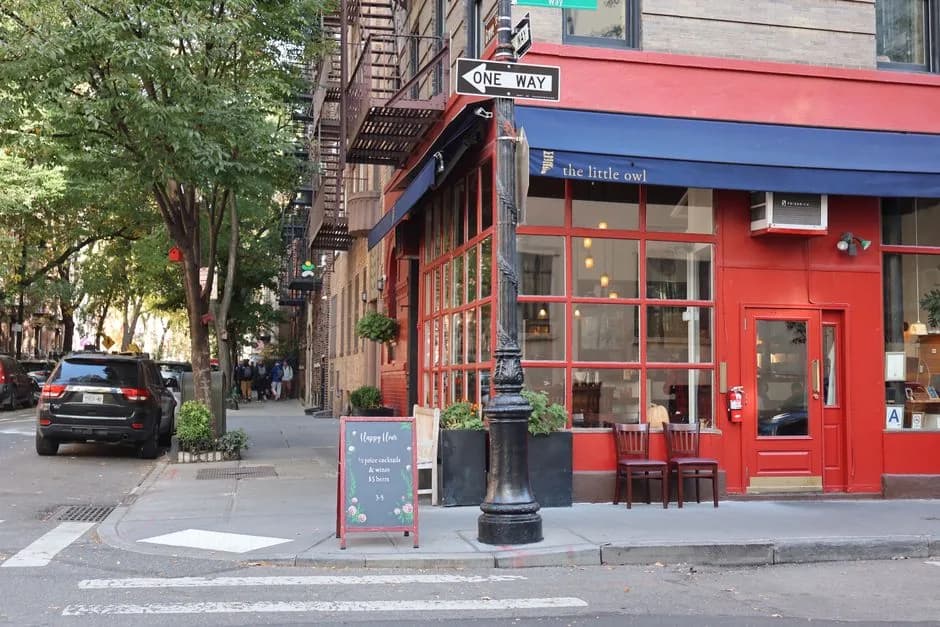
Buildings and housing stock: Park Slope vs. West Village
Park Slope hosts a considerable number of buildings at 650+, offering a wide array of residential options from classic brownstones to modern apartments. This neighborhood is characterized by 39% pet-friendly buildings, accommodating pet owners, and 41% rent-stabilized, which can appeal to those looking for long-term residency with financial predictability. With 291 top-rated buildings, Park Slope offers quality living environments.
In contrast, West Village's 413+ buildings present a more concentrated offering of residential options, with 72% designated as rent-stabilized, ensuring a high level of housing security for renters concerned with long-term affordability. Despite having fewer buildings overall, the high proportion of stabilized options makes it attractive for those prioritizing housing stability in a popular area. The neighborhood features 151 pet-friendly buildings and 175 top-rated establishments, providing a varied living experience.
When exploring housing choices, consider whether Park Slope’s wider selection of buildings matches your criteria better, or the stability and exclusivity of a West Village residence fits your lifestyle desires. Assess how each neighborhood’s housing characteristics align with your expectations for a new home.
What tenants say: Park Slope vs. West Village
Tenant feedback in Park Slope reveals satisfaction with the neighborhood's emphasis on community and family-friendly amenities. With over 645 total reviews, a significant portion highlights the accessibility of local services and the peaceful environment conducive for families and individuals alike. While diversity in building styles speaks to Park Slope’s broad appeal, some renters cite occasional dissatisfaction with the older infrastructure typical in certain buildings.
In West Village, tenants often commend the convenience offered by its prime Manhattan location. With over 410 reviews, many praise the active lifestyle and access to cultural activities. The significant presence of rent-stabilized apartments is another advantage that attracts long-term residents seeking security. Nonetheless, the higher rent prices are a common point of contention, albeit considered a trade-off for the neighborhood's extensive amenities and centrality.
Feedback suggests that each neighborhood satisfies different priorities for renters: Park Slope’s community focus versus West Village’s cultural and locational perks. Gathering insights on tenant experiences can further help determine which factors align most closely with your living preferences.
Building condition and track record: Park Slope vs. West Village
When it comes to building conditions, Park Slope presents a well-rounded offering with an average building rating of 3.65, reflecting steady renter satisfaction across its 650+ buildings. With 291 top-rated structures, tenants hold favorable views about the upkeep and amenities available, although some older buildings might require more maintenance—be sure to verify conditions during a visit.
West Village, with an average building rating of 3.66, closely mirrors Park Slope in tenant satisfaction. It hosts 175 top-rated buildings among the 413+ available, but its higher concentration of rent-stabilized properties indicates significant tenant security, albeit with fewer high-end amenities compared to non-stabilized residences. During your search, ask about building renovations or any issues addressed in recent reviews to ensure you’re moving into a well-maintained property.
Both neighborhoods provide sound choices depending on priorities—Park Slope for broader selection and potential affordability, West Village for stability and location perks. Your due diligence during building tours can uncover specifics that sway your decision, focusing on features that best complement your living requirements.
Getting around compared
Both Park Slope and West Village are well-serviced by public transit, facilitating easy commutes and exploration of their respective boroughs. Park Slope, nestled in Brooklyn, benefits from a network of transit options that link residents to key locations within Brooklyn and other boroughs. This accessibility makes it an appealing choice for those requiring straightforward commutes within Brooklyn.
West Village, due to its strategic placement in Manhattan, offers even more extensive public transportation options, making it advantageous for those who need regular access to multiple Manhattan districts. The dense transit infrastructure in West Village supports efficient navigation throughout the city, adding an extra layer of convenience for daily activities as well as social outings.
When considering how each neighborhood can enhance your daily routine, evaluate the transit conveniences in line with where you work, study, or socialize most frequently. This assessment could greatly influence which neighborhood aligns better with your lifestyle and mobility requirements.
Which should you choose — Park Slope or West Village?
Deciding between Park Slope and West Village hinges largely on your budget, lifestyle, and housing preference. Park Slope appeals with its lower median rent of $3,674, providing an economically wise choice for those looking to reduce monthly expenses without sacrificing the quality of life. Its family-friendly environment and community-centric perks make it suitable for a range of renters seeking comfort and stability.
West Village, with a higher median rent of $5,915, caters to those who wish for the quintessential Manhattan experience, complete with cultural richness and easy access to urban hotspots. It offers a diverse array of properties, many of which are rent-stabilized, providing predictability to renters willing to pay a premium for location and Manhattan-centric lifestyle. Consider your long-term housing goals, neighborhood ambiance, and proximity needs, as these will guide your ultimate choice.
Ultimately, choosing between these locales means evaluating trade-offs: cost savings and community-feel in Park Slope versus location benefits and lifestyle amenities in West Village. Align these with your personal priorities to make a confident decision that supports your living aspirations.
At a glance
- Park Slope's median rent is $3,674, more affordable than West Village's $5,915.
- West Village boasts 136+ active listings, offering more variety than Park Slope's 14+.
- Park Slope has 41% rent-stabilized buildings offering predictable costs.
- West Village offers 72% rent-stabilized, providing housing security.
- Both neighborhoods have similar tenant satisfaction scores: 3.65 in Park Slope, 3.66 in West Village.
FAQ
The bottom line
Browse current listings in Park Slope and West Village, or read what renters are saying about specific buildings on Openigloo.
Browse Park Slope listingsOther neighborhood guides nearby — same borough, different rent ranges and vibes. Useful when you're widening the search radius.

Moving to Downtown Brooklyn? Here's what renters should know

A complete renter's guide to Greenpoint
New to Williamsburg? A renter's starter guide
New to Crown Heights? A renter's starter guide
Renting in Gowanus: everything you need to know

What it's really like to rent in Fort Greene
Renting in Brooklyn Heights: what to expect
Renting in Bedford-Stuyvesant: what to expect
Other comparison pairs in the same theme — neighborhoods that come up in the same kinds of debates renters have when they're deciding where to live.
Upper East Side vs. Upper West Side: where should you rent?

East Village or Williamsburg: which is the better place to rent?

Park Slope or Williamsburg? A renter's comparison
Choosing between Soho and Tribeca: a renter's guide

Tribeca vs. West Village: rent, buildings, and what to expect in each
East Village vs. Nolita: a renter's guide to choosing
DUMBO vs. Tribeca: where should you rent?
What's the difference between renting in Greenwich Village and West Village?