


East Village or Williamsburg: which is the better place to rent?
When considering renting in either East Village or Williamsburg, there are meaningful factors to weigh. The median rent in East Village is $5,500, compared to Williamsburg's slightly lower median of $5,280. This difference can significantly impact your budget, especially over time. East Village offers more active listings, with 265 available options, making it attractive if you prefer a wider selection of apartments. Both neighborhoods have unique characteristics that cater to distinct lifestyles. While East Village is in Manhattan, offering easy access to the city's core, Williamsburg in Brooklyn presents a different kind of urban experience. Each area's number of pet-friendly buildings, building quality, and tenant reviews also vary, influencing your decision. This article aims to provide a comprehensive comparison to help you decide between these two neighborhoods. From rental costs to the pros and cons of the living environment, and transportation, we will cover all essential points to aid your rental search.
Quick verdict
Choosing between East Village and Williamsburg largely depends on your priorities. In East Village, the median rent is $5,500, whereas Williamsburg's median rent stands at $5,280. This $220 per month difference might seem minor but can accumulate significantly over time, especially if you're on a tight budget.
East Village offers a greater number of apartment choices, with 265 active listings compared to Williamsburg’s 156. This broader range of options may make it easier to find a place that fits your specific needs in East Village. Furthermore, East Village has a higher percentage of rent-stabilized buildings—69%, offering more potential stability in rent.
Conversely, if building quality and tenant satisfaction are high on your list, you might prefer Williamsburg. Over 463 buildings in Williamsburg are top-rated, compared to 319 in East Village. This suggests a generally higher satisfaction level among tenants. Ultimately, your choice comes down to whether you prioritize rental affordability and variety over tenant satisfaction and building quality.
Rent compared: East Village vs. Williamsburg
East Village's median rent is $5,500, slightly higher than Williamsburg's median of $5,280. Though the difference is only $220, it adds up to $2,640 annually, which might be pivotal for renters on a budget. The range for East Village shows rents dispersing from the 10th percentile at $3,516 to the 90th percentile, reaching $8,995. In contrast, Williamsburg ranges from $3,747 at the 10th percentile to $8,671 at the 90th.
For those searching for a studio, East Village has a median rent of $3,941, whereas Williamsburg's hits $4,237. For one-bedroom apartments, you'll find East Village at $4,495 and Williamsburg at $5,389, displaying Williamsburg as a pricier option for smaller units.
If no-fee listings are essential, East Village provides 47% of their listings without fees, while Williamsburg offers 55%. Renters looking to save on upfront costs might find Williamsburg more appealing due to this higher percentage of fee-free listings.
What each is like to live in
Living in East Village means residing in Manhattan, with its more concentrated urban experience and access to a wider array of cultural offerings. With 265 active listings, the neighborhood is busy with numerous options for potential tenants. Its high percentage of rent-stabilized buildings (69%) offers potential financial stability to tenants wary of future rent hikes.
Williamsburg, situated in Brooklyn, provides a different feel. While it has fewer active listings at 156, it compensates with a community vibe that blends residential comfort and industrial chic. With 55% of listings as no-fee options, newcomers may find initial leasing processes easier on their wallets. Although rent stabilization isn't as prevalent as in East Village, Williamsburg's mix of modern developments and heritage buildings provides diverse living experiences.
Evaluating both, your preference will depend on if you lean towards the fast-paced, center-of-things experience of Manhattan or the more laid-back, creative atmosphere offered by Brooklyn. The level of rent stabilization and the convenience of fee-less rentals are key considerations for each area.
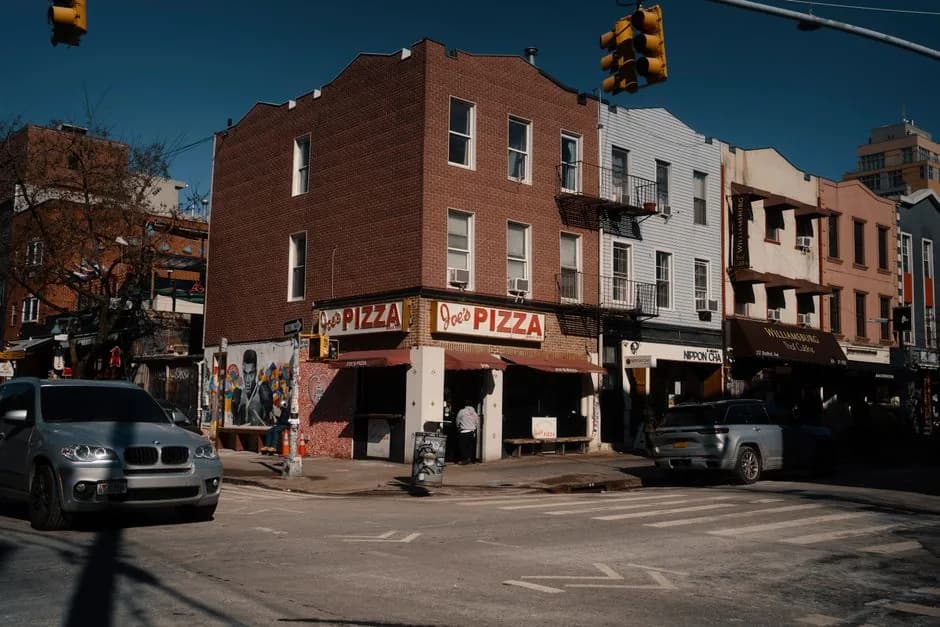
Buildings and housing stock: East Village vs. Williamsburg
East Village hosts 1,068 buildings, slightly fewer than Williamsburg's 1,273. This reflects the more densely built environment of Williamsburg. In terms of pet-friendliness, both areas are identical with 40% of the buildings allowing pets, appealing to tenants with furry companions.
Rent stabilization is more prominent in East Village, where 69% of the buildings are rent-stabilized, compared to just 42% in Williamsburg. This aspect makes East Village more appealing for tenants looking for long-term affordability amid New York City's shifting real estate landscape.
While both neighborhoods offer unique architectural elements, the slightly higher number of top-rated buildings in Williamsburg can sway renters who prioritize newer, higher-quality housing. However, the tradeoff may be less predictability in rent costs compared to East Village. Weigh these factors to decide which area's housing characteristics align best with your needs.
What tenants say: East Village vs. Williamsburg
Tenant reviews play a crucial role in understanding the living experience in East Village and Williamsburg. With an average building rating of 3.5 in East Village, and a slightly higher 3.55 in Williamsburg, tenants generally express satisfaction, though with slight variations.
East Village tenants praise its accessibility to Manhattan staples and diverse culinary and entertainment options, though some mention noise and the urban hustle as potential inconveniences. The neighborhood's high percentage of rent-stabilized buildings contributes to its appeal among those seeking long-term rental stability.
In Williamsburg, the higher 3.55 average rating indicates slightly better tenant contentment. Reviewers appreciate the neighborhood’s mix of cultural venues and relaxed atmosphere, ideal for those valuing a balanced lifestyle. However, some note that future development might alter this vibe. Prospective renters should weigh personal priorities like neighborhood culture against potential lifestyle changes over time.
Building condition and track record: East Village vs. Williamsburg
Building conditions are often reflected by tenant ratings, and Williamsburg leads slightly with an average of 3.55 compared to East Village's 3.5. This minor edge might reflect newer constructions or better upkeep of properties in Williamsburg, a factor worth considering for tenants valuing their living environment above all else.
In East Village, 319 buildings are top-rated, suggesting that there are well-maintained properties available. Meanwhile, Williamsburg excels with 463 top-rated buildings, indicating a higher overall satisfaction in property condition among tenants.
Despite Williamsburg’s stronger track record in terms of tenant ratings, prospective renters should check property maintenance details during visits and ask about recent renovations or upcoming repairs. This ensures the property meets quality and safety expectations while also aligning with personal living standards. Seeking advice from current residents can provide additional insights to help make a well-informed choice.
Getting around compared
Both East Village and Williamsburg benefit from efficient transportation options, given their urban settings. However, the accessibility nuances differ due to their borough locations. Situated in Manhattan, East Village provides direct access to Manhattan's comprehensive transit network, facilitating simpler commutes within the city core.
Williamsburg, located in Brooklyn, also offers significant transit options suitable for those navigating between Brooklyn and Manhattan. Its inter-borough connectivity might suit residents who frequently travel between these areas.
Each neighborhood's positioning affects commuting preferences, with East Village's more centralized location perhaps tying more into direct urban interconnectivity. Meanwhile, Williamsburg offers its benefits by connecting Brooklyn's distinctive creativity with Manhattan’s economic opportunities. Renters should consider the availability of transportation routes relative to potential workplaces and personal commuting habits.
Which should you choose — East Village or Williamsburg?
Deciding between East Village and Williamsburg depends on personal preferences and lifestyle needs. East Village, offering a median rent of $5,500, appeals to those wanting direct access to Manhattan's urban core. With 69% of its housing being rent-stabilized, it's an attractive option for those seeking rental predictability and stability.
However, Williamsburg's slightly lower median rent of $5,280—though modest—could lead to savings over the long term. This neighborhood's higher percentage of no-fee listings benefits those looking for reduced upfront costs. Moreover, Williamsburg stands out for housing satisfaction, with 463 top-rated buildings, appealing to renters prioritizing quality living conditions.
Ultimately, the decision boils down to choosing an area that aligns best with your priorities—whether that is the active energy of Manhattan or the artistic community atmosphere of Brooklyn. Variables such as finances, commuting preferences, and lifestyle will guide this decision-making process, ensuring a choice that satisfies both practical and personal aspects of city living.
At a glance
- East Village median rent: $5,500, Williamsburg: $5,280.
- East Village; 69% rent-stabilized vs. Williamsburg's 42%.
- Williamsburg has 463 top-rated buildings, East Village 319.
- Both areas are 40% pet-friendly.
- East Village offers 265 listings, Williamsburg 156.
- Williamsburg has 55% no-fee listings, East Village 47%.
- East Village average building rating: 3.5, Williamsburg: 3.55.
FAQ
The bottom line
Browse current listings in East Village and Williamsburg, or read what renters are saying about specific buildings on Openigloo.
Browse East Village listingsOther neighborhood guides nearby — same borough, different rent ranges and vibes. Useful when you're widening the search radius.

Is Hell's Kitchen a good place to live? A renter's guide

New to Upper West Side? A renter's starter guide

Renting in Financial District: everything you need to know

Renting in Kips Bay: everything you need to know

New to Murray Hill? A renter's starter guide

Moving to Yorkville? Here's what renters should know

Renting in Chelsea: what to expect

Is West Village worth renting in? A local guide
Other comparison pairs in the same theme — neighborhoods that come up in the same kinds of debates renters have when they're deciding where to live.

Upper East Side vs. Upper West Side: where should you rent?

Park Slope or Williamsburg? A renter's comparison

Should you rent in Park Slope or West Village?

Choosing between Soho and Tribeca: a renter's guide

Tribeca vs. West Village: rent, buildings, and what to expect in each

East Village vs. Nolita: a renter's guide to choosing

DUMBO vs. Tribeca: where should you rent?
What's the difference between renting in Greenwich Village and West Village?