


Tribeca vs. West Village: rent, buildings, and what to expect in each
Choosing between Tribeca and West Village for your next rental can significantly influence your living experience due to their distinct character and rental markets. In Tribeca, the median rent is $7,500, reflecting its luxury market and upscale vibe. In contrast, the West Village offers a comparatively lower median rent of $5,915, making it a more affordable option for many renters. Besides cost, this guide explores key factors that impact living in these Manhattan neighborhoods, such as the condition and quality of available housing, tenant satisfaction, and building amenities. With Tribeca's active listing count at 107, versus the West Village's 136, understanding your options becomes crucial for making an informed decision. Use this comparison to weigh the pros and cons of each neighborhood based on real numbers, and decide which aligns best with your lifestyle and budget. From amenities to tenant feedback, this guide has you covered.
Quick verdict
When it comes to choosing between Tribeca and the West Village, affordability is a key factor. West Village emerges as the more affordable option, with a median rent of $5,915 compared to Tribeca's $7,500. This significant price difference can heavily influence your decision, especially if you're budget-conscious.
In terms of housing stock, the West Village has a larger inventory with 413 buildings, compared to Tribeca's 72. This means you're likely to find a wider variety of apartments to suit different tastes and needs in the West Village. Additionally, the percentage of rent-stabilized buildings in the West Village stands at 72%, offering more options for those looking to secure a stable rent.
The final choice between Tribeca and West Village will depend on your budget tolerance and preference for size versus prestige. Tribeca offers a more luxurious setting with higher rental costs and significantly fewer buildings, implying a more exclusive housing market. Meanwhile, West Village provides variety and relative affordability, making it an inviting choice for a broader audience.
Rent compared: Tribeca vs. West Village
The difference in median rent between Tribeca and the West Village is significant, with Tribeca's median rent at $7,500 and West Village's at $5,915. This $1,585 gap represents a substantial 26.8% difference in monthly costs. Such a difference can sway potential renters who are weighing neighborhood allure against practical financial considerations.
Tribeca's rental market is characterized by its higher-end appeal, where average apartment rents hover around $9,495. This reflects Tribeca’s acclaimed reputation for luxury living and consequently higher living expenses. Meanwhile, the West Village presents a more budget-friendly option with average rents of $6,485, which can be a substantial saving over the years.
Deciding between these neighborhoods is not purely about rental cost. Tribeca’s elevated prices can mean advanced amenities and possibly newer constructions, whereas the West Village, with its affordable rents, offers a charm that attracts those seeking community living in a scenic setting without as hefty a price tag. Evaluate what financial impact each will have both now and over time.
What each is like to live in
Life in Tribeca comes with its hallmark of luxury and exclusivity, reflective in its high rent figures. Tribeca is known for its well-known lofts, art galleries, and proximity to the financial district, catering to those who value sophisticated aesthetics and quick access to upscale amenities. The median rent of $7,500 in Tribeca underscores the area's appeal to a more affluent renter base.
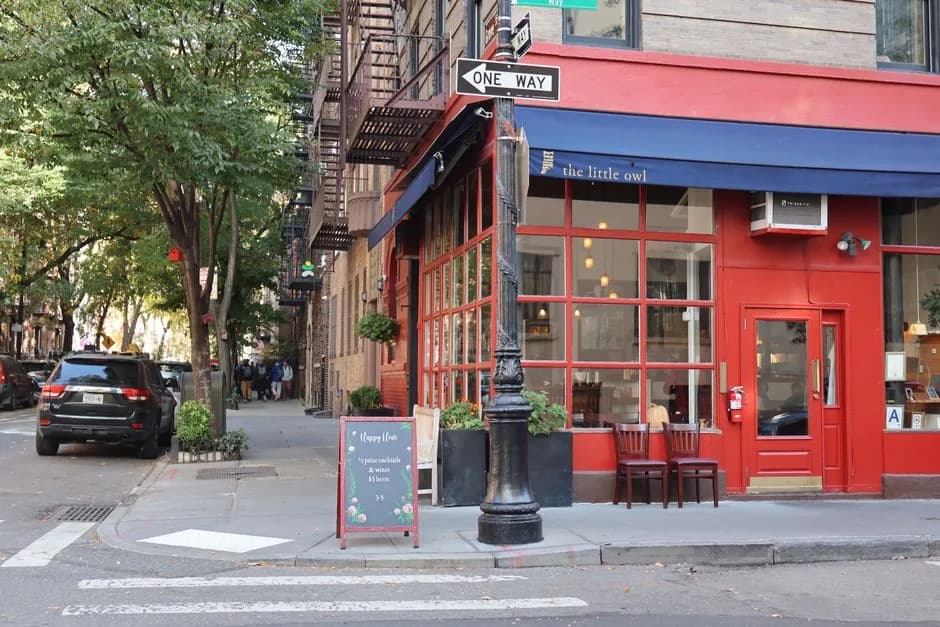
The West Village, on the other hand, offers a different living experience, often described as small-scale with its tree-lined streets and historic townhouses. With a more accessible median rent of $5,915, it attracts a diverse array of residents, including creatives, professionals, and long-standing locals. The assortment of affordable dining and boutique shops offers a community atmosphere that is less apparent in Tribeca’s sleek skyline.
Choosing between these areas boils down to what kind of lifestyle you prefer. If you're inclined towards a high-end, urban lifestyle with modern touches, Tribeca might be your destination of choice. However, if a community-focused environment with character-rich housing appeals more, the West Village provides that without as steep a price increase.
Buildings and housing stock: Tribeca vs. West Village
In terms of housing variety, the West Village significantly outweighs Tribeca. With 413 buildings compared to Tribeca's 72, West Village offers a broader selection for prospective tenants. This higher volume indicates a larger degree of variability in housing styles, sizes, and amenities, making it easier to find something that fits your specific needs in West Village.
Tribeca's smaller building count highlights its more selective range and potential for exclusivity. This limited stock aligns with Tribeca's reputation for upscale living spaces, often featuring luxury amenities that justify the higher costs. While each building might offer high-quality options, the choice is less diverse than in the West Village.
Prospective renters should consider their preferences: if a wide range of choices and styles is important to you, the West Village likely offers better flexibility. The diversity of buildings might also translate to varied pricing and leasing options. However, if your priority is exclusivity and upscale amenities, Tribeca’s more compact housing stock might better meet your criteria.
What tenants say: Tribeca vs. West Village
Tenant experiences in Tribeca and the West Village highlight differing priorities and satisfaction levels. In Tribeca, the average building rating sits at 3.96, slightly higher than the West Village's 3.66. This suggests a marginally better overall tenant experience in Tribeca, possibly due to the higher-end amenities and newer construction that the neighborhood typically offers.
The West Village, while scoring slightly lower, thrives on its sense of community and character, which can overshadow the need for pristine modern facilities. It is not uncommon for residents to express contentment with the neighborhood's unique appeal and cultural vibrancy, which often compensates for less luxurious features. This satisfaction is reflected in the number of reviews, where the West Village outnumbers Tribeca with 410 total reviews, indicating an engaged and communicative tenant base.
Prospective renters should weigh the importance of engaging community and charm against desire for higher-end facilities. If interactions and local ambience are critical to your living experience, West Village might suit you best. Conversely, for those prioritizing a slightly higher tenant satisfaction rating and modern accommodation, Tribeca could hold more appeal.
Building condition and track record: Tribeca vs. West Village
Examining building condition and maintenance track records is crucial when choosing between Tribeca and West Village. Tribeca features a higher percentage of top-rated buildings, with 41 out of 72 buildings fitting this category. This proportion indicates a notable focus on quality and condition across the neighborhood’s housing stock, often matching the expectations tied to its higher rent prices.
In contrast, the West Village, while offering 175 top-rated buildings, has a more considerable overall inventory, which may dilute the concentration of top-notch buildings somewhat. However, the West Village presents a uniquely high percentage of rent-stabilized properties — 72% of its stock, which can often imply consistent maintenance due to regulatory oversight.
Tenant reviews and historical building performance in Tribeca suggest reliable upkeep in line with higher-end market standards. Conversely, in the West Village, the high volume of rent-stabilized properties is a plus for those concerned with potential rent hikes and maintenance stability. Renters should verify current building conditions and management reputations, ensuring both align with the lifestyle expectations in each neighborhood.
Getting around compared
Both Tribeca and the West Village offer well-connected transport options given their Manhattan location, yet tenants should consider how commute times and accessibility may vary based on their specific destinations within the city. Tribeca’s more centralized location might offer slightly shorter commutes to the Financial District and Lower Manhattan, catering to those working in these areas or seeking quick access to local amenities.
The West Village, with its well-known narrow streets and public transit options, provides excellent connectivity to midtown and other cultural hubs of Manhattan. This ensures that whether for work or leisure, residents have relatively easy access to different parts of the city, suiting those who prioritize cultural experiences and quick trips uptown.
Prospective renters should take into account not only their work commute but also preferences for accessing various urban experiences. Consider trial commutes during potential apartment viewings to realistically assess travel times of key interest points, to ensure they align with personal time constraints and lifestyle choices.
Which should you choose — Tribeca or West Village?
Choosing between Tribeca and West Village hinges on a combination of budget, lifestyle preference, and housing priorities. Tribeca, with a median rent of $7,500, is tailored toward renters seeking a luxury urban experience, often accompanied by state-of-the-art amenities and a more exclusive feel due to fewer buildings. It suits those who value upscale living and proximity to certain high-end conveniences.
On the other hand, the West Village offers a more affordable median rent at $5,915, making it attractive for a broader demographic that appreciates historical charm and variety in housing options. With 413 buildings, it offers more choices in housing configurations, which can include small-scale townhouses and classic apartment setups, fitting diverse renter needs.
Ultimately, your decision may depend on whether you prioritize luxury and exclusivity (Tribeca) or affordability and charm (West Village). Each neighborhood presents distinct advantages that should align with your personal expectations and financial situation. Conduct walkthroughs of selected units and engage with current tenants if possible, to ensure the choice harmonizes with both practical requirements and lifestyle aspirations.
At a glance
- Compare Tribeca's $7,500 median rent to West Village's $5,915.
- West Village offers 413 buildings, Tribeca 72.
- Tribeca's avg building rating is 3.96; West Village's is 3.66.
- Tribeca has 41 top-rated buildings, West Village 175.
- 72% of West Village buildings are rent-stabilized.
- Tribeca offers more exclusive, luxury amenities.
- West Village has a higher number of tenant reviews.
FAQ
The bottom line
Browse current listings in Tribeca and West Village, or read what renters are saying about specific buildings on Openigloo.
Browse Tribeca listingsOther neighborhood guides nearby — same borough, different rent ranges and vibes. Useful when you're widening the search radius.

Is Hell's Kitchen a good place to live? A renter's guide

New to Upper West Side? A renter's starter guide

Renting in Financial District: everything you need to know

Renting in Kips Bay: everything you need to know

New to Murray Hill? A renter's starter guide
Moving to Yorkville? Here's what renters should know

New to East Village? A renter's starter guide

Renting in Chelsea: what to expect
Other comparison pairs in the same theme — neighborhoods that come up in the same kinds of debates renters have when they're deciding where to live.

Upper East Side vs. Upper West Side: where should you rent?

East Village or Williamsburg: which is the better place to rent?

Park Slope or Williamsburg? A renter's comparison

Should you rent in Park Slope or West Village?
Choosing between Soho and Tribeca: a renter's guide

East Village vs. Nolita: a renter's guide to choosing

DUMBO vs. Tribeca: where should you rent?
What's the difference between renting in Greenwich Village and West Village?