

Buildings with low open violation rates near the C train in Hell's Kitchen
Hell’s Kitchen is a dense Manhattan neighborhood where many renters prioritize getting close to major subway lines like the C train. This page focuses on buildings in the area that meet the “low open violations” filter, so you can compare options with a compliance-signal lens. In Hell’s Kitchen, rated buildings have an average building rating of 3.5/5 across 193 rated buildings. (building-level trends; individual units can differ)
This page helps you find buildings with low open-violation rates near the C train in Hell’s Kitchen, with 414+ eligible buildings to compare. Openigloo brings building ratings from rated buildings plus open-data signals from NYC records, so you can narrow your search before tours. Then use renter-first details in the listing pages and community Q&A to confirm what matters for your lease.
Buildings with low open violation rates near the C train in Hell's Kitchen
Showing 181–198 of 414 buildings with low open violation rates near the C train in Hell's Kitchen.

300 West 55 Street
Hell's Kitchen

550 West 54 Street
Hell's Kitchen

520 West 43 Street
Hell's Kitchen

350 West 42 Street
Hell's Kitchen
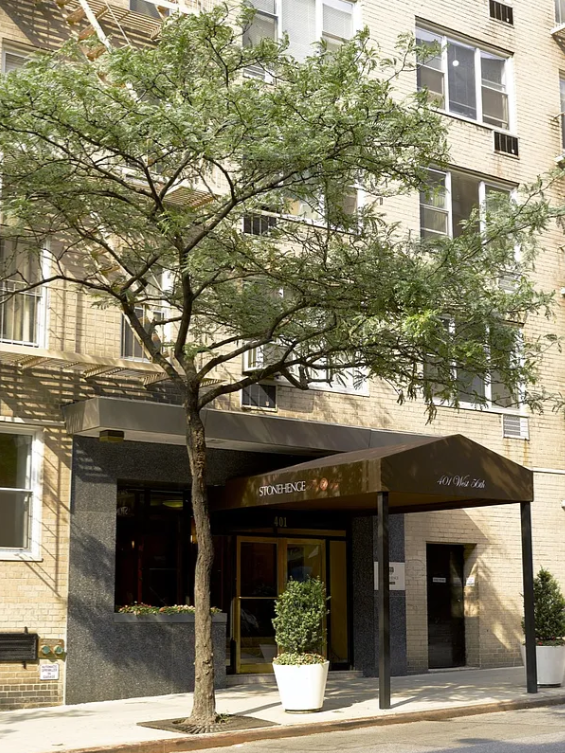
401 West 56 Street
Hell's Kitchen

460 West 42 Street
Hell's Kitchen

341 West 45 Street
Hell's Kitchen

416 West 52 Street
Hell's Kitchen

1 Columbus Place
Hell's Kitchen

525 West 52 Street
Hell's Kitchen
805 8 Avenue
Hell's Kitchen
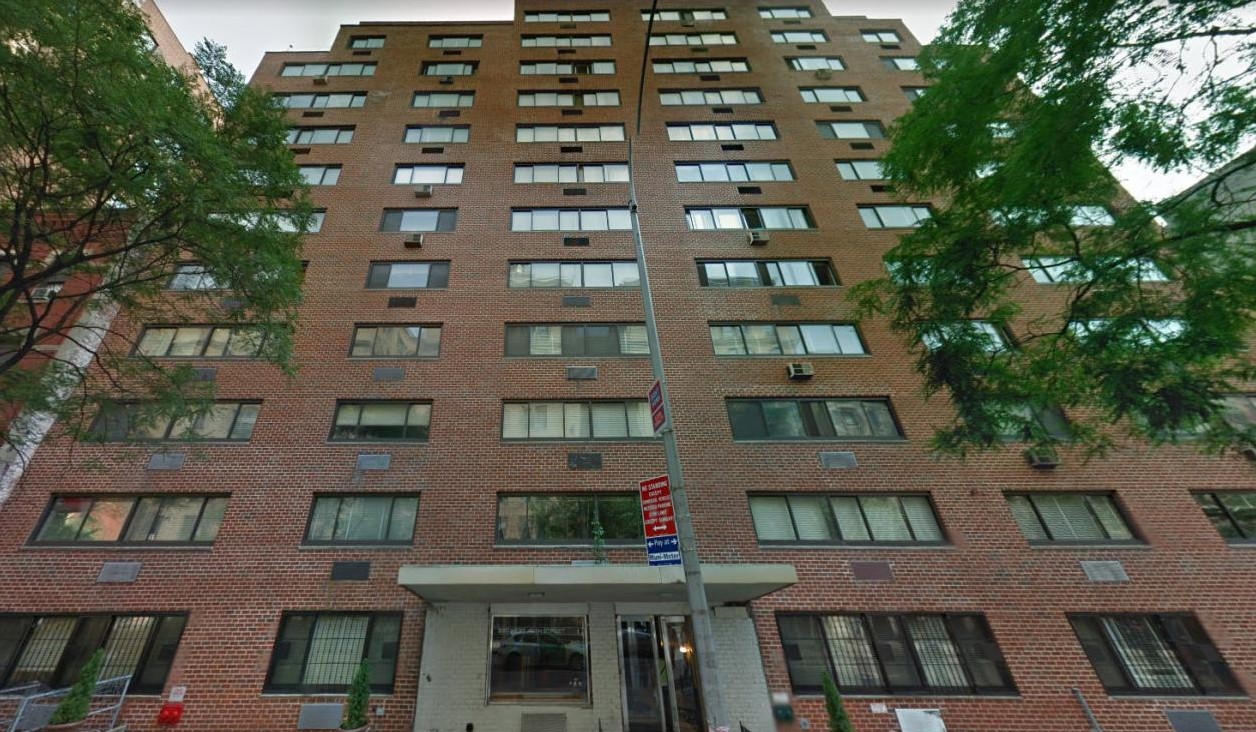
330 West 45 Street
Hell's Kitchen

426 West 47 Street
Hell's Kitchen
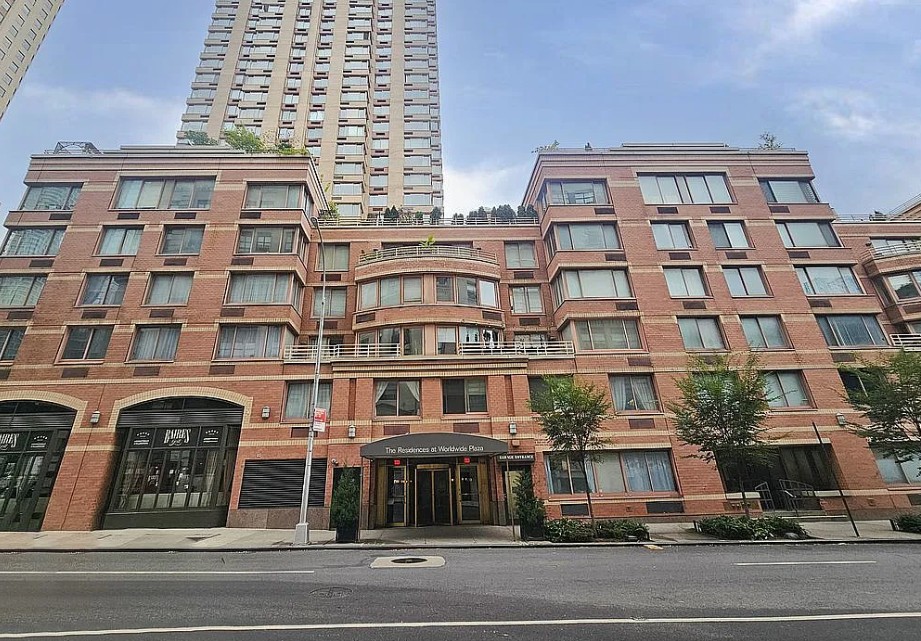
350 W 50 St
Hell's Kitchen
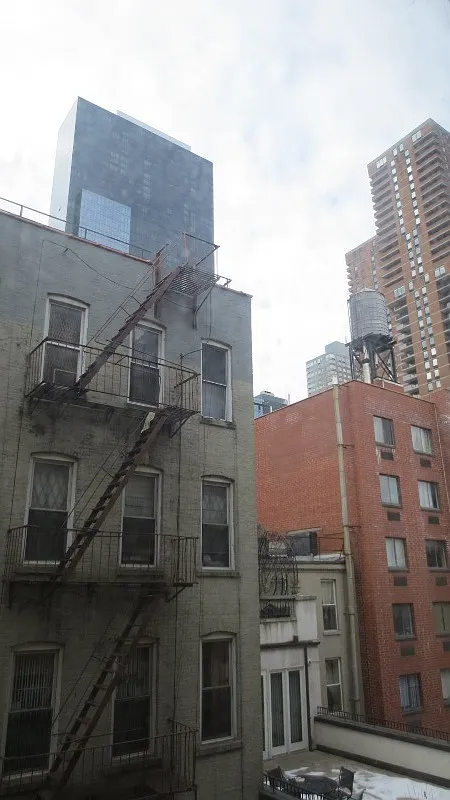
414 West 44 Street
Hell's Kitchen
/-73.987662,40.763992,14/640x640@2x?access_token=pk.eyJ1Ijoib3BlbmlnbG9vIiwiYSI6ImNsYjNmMjVwdzBjeHgzd21wYmJmZDB0eGYifQ.XZvZCOh51yXuDBE-I3Bg0A)
355 West 51 Street
Hell's Kitchen
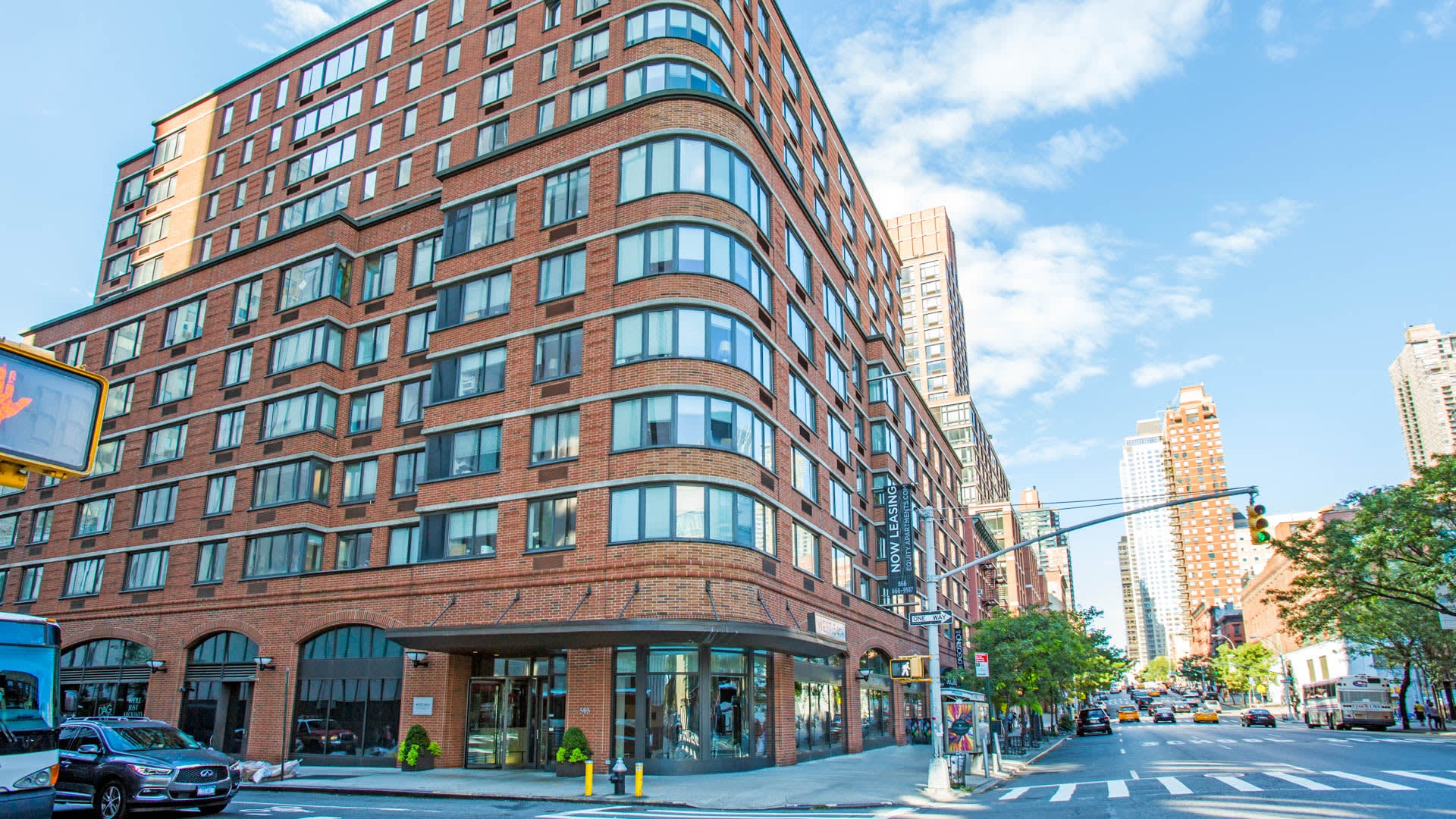
505 West 54 Street
Hell's Kitchen
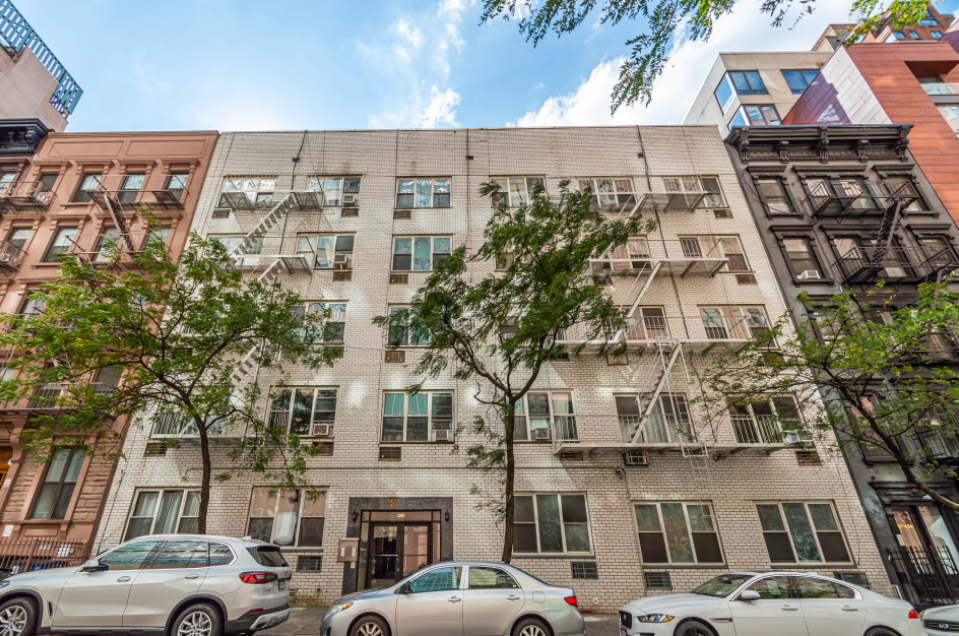
450 West 58 Street
Hell's Kitchen
What to check before choosing a building with low open violation rates near the C train in Hell's Kitchen
- Use the C train filter as your commute anchor, then sort within the results to focus on buildings with low open-violation rates.
- Check the building’s current status directly with management (records can lag real-world conditions), especially before you sign.
- Review the posted lease terms and any building-specific rules that affect your move-in timeline (move-in dates, approvals, and required paperwork).
- Compare the full move-in cost you’ll pay beyond the asking rent (fees, deposits, and any utility responsibilities).
- Use the rated-building score as a starting point, then confirm specifics with tenants via Q&A where available.