

Buildings with low rent increases in Manhattan
This page covers Manhattan buildings with low rent increases, with 3,853+ buildings in scope. Use it to compare buildings where tenant-friendly renewal and rent-increase patterns may matter more to your budget. Openigloo organizes the decision around what you can verify: building records surfaced as open-data signals, tenant Q&A from residents, and review context that can help you ask better questions before you sign. You can also filter by what’s available right now, then cross-check details directly with the building or management.
Buildings with low rent increases in Manhattan
Showing 145–162 of 3,853 buildings with low rent increases in Manhattan.

9 West 31 Street
Midtown South
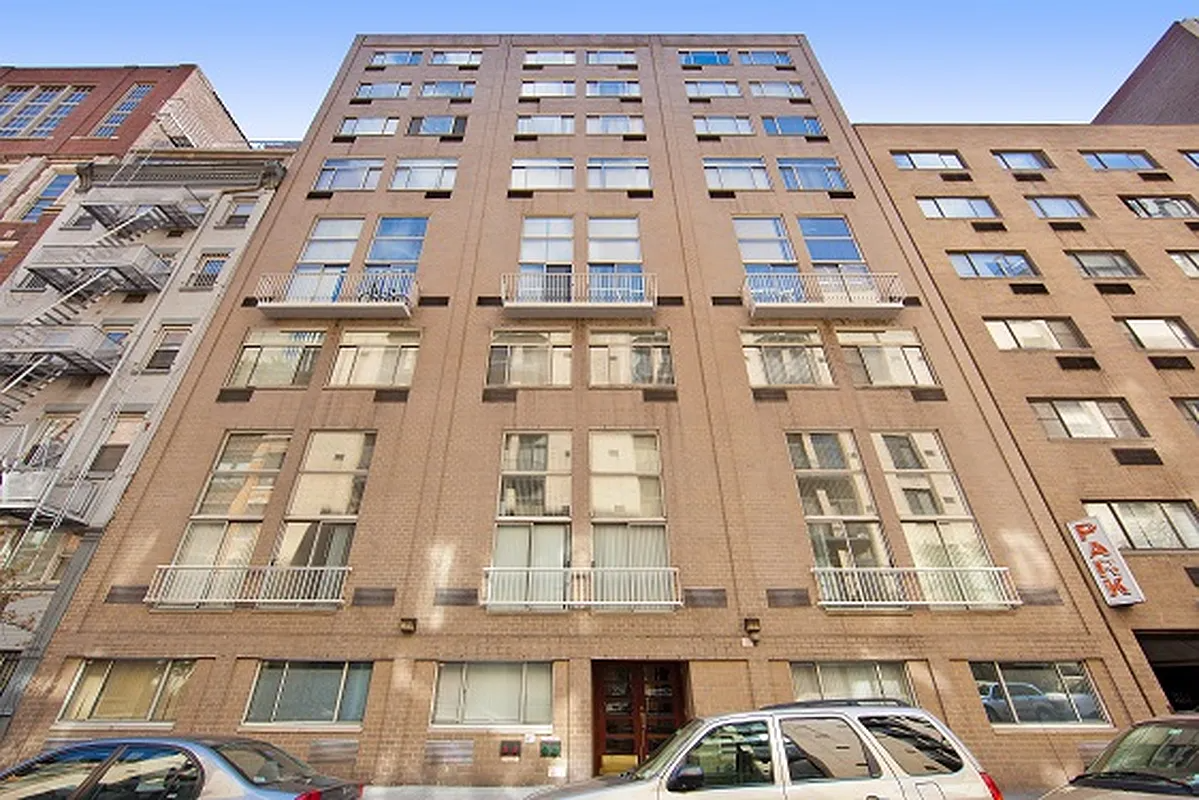
220 East 24 Street
Kips Bay

200 W 70 St
All Upper West Side
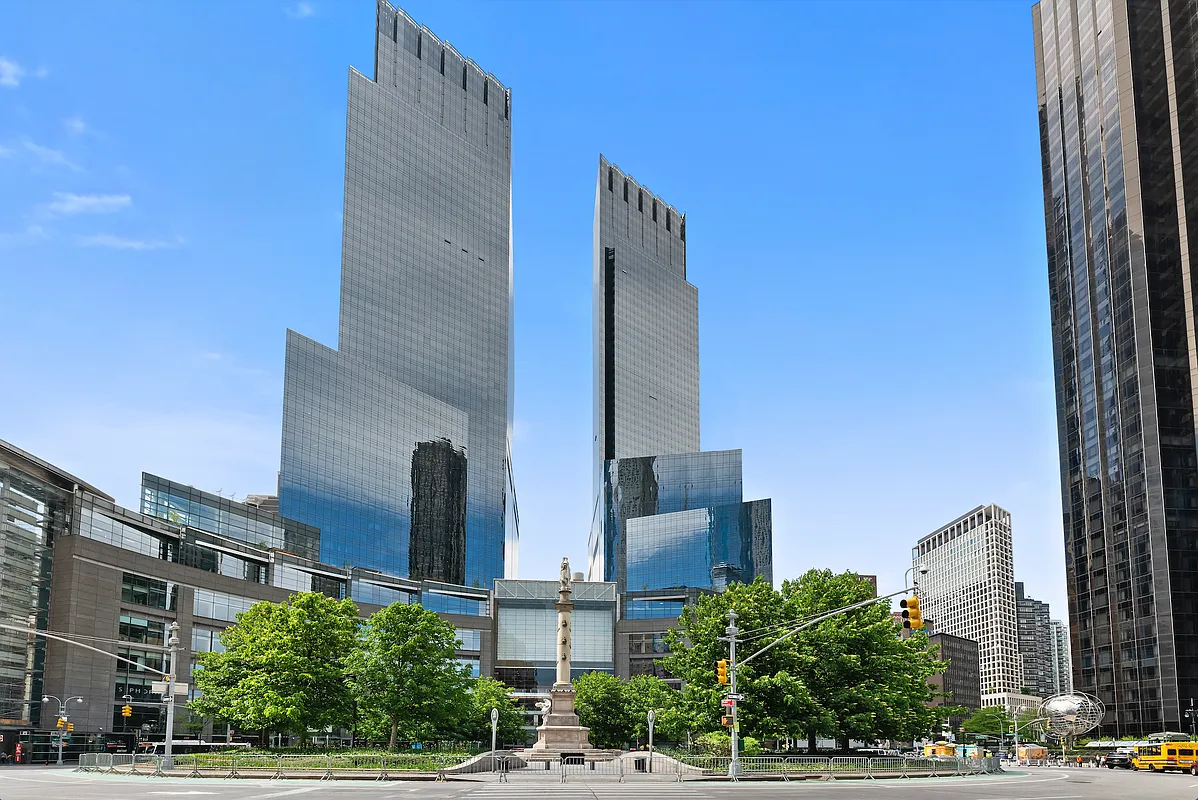
235 West 63 Street
All Upper West Side

45 Tiemann Place
Morningside Heights
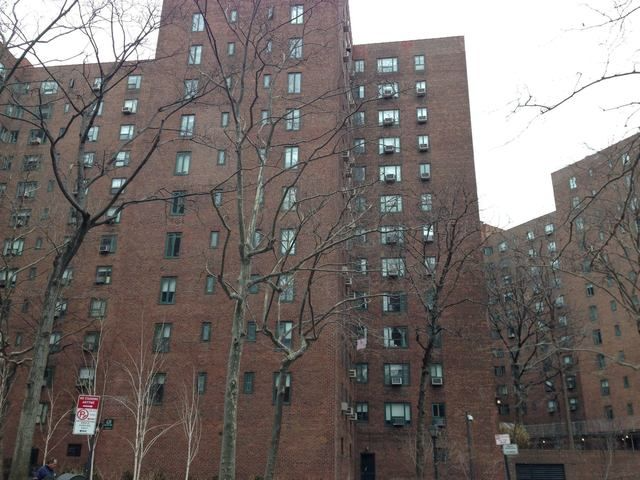
624 E 20 St
Stuyvesant Town/PCV

525 W 28Th St
West Chelsea

244 West 72 Street
Upper West Side

88 Leonard Street
Tribeca

626 1 Avenue
Murray Hill

319 Avenue C
Stuyvesant Town/PCV

145 West 67 Street
All Upper West Side
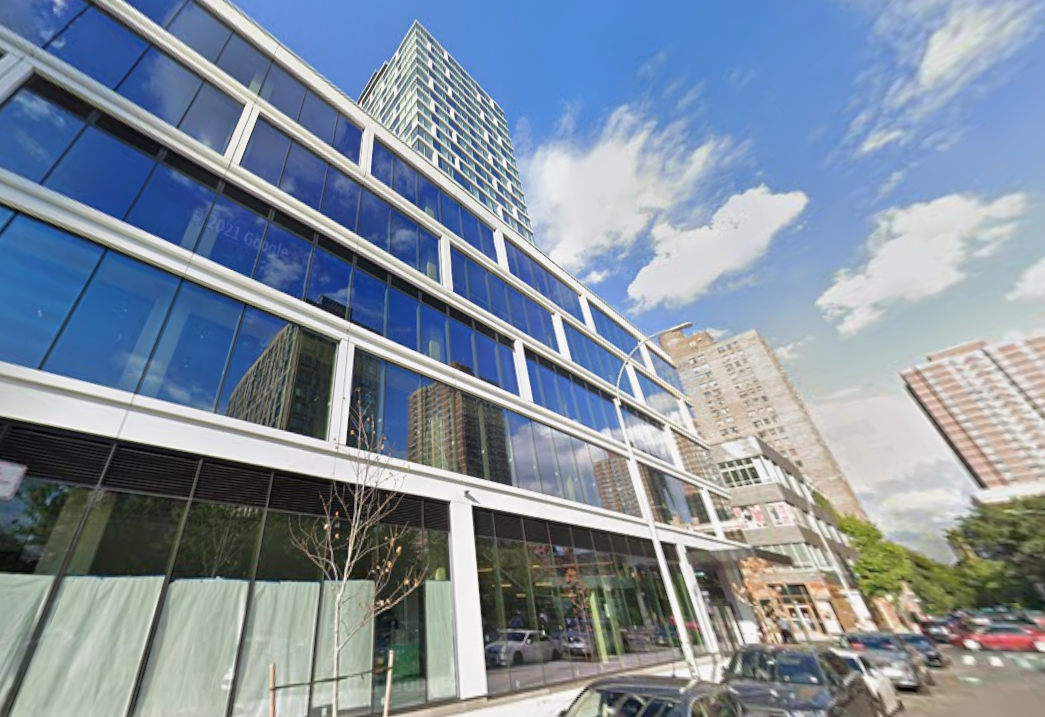
188 Broome Street
Lower East Side
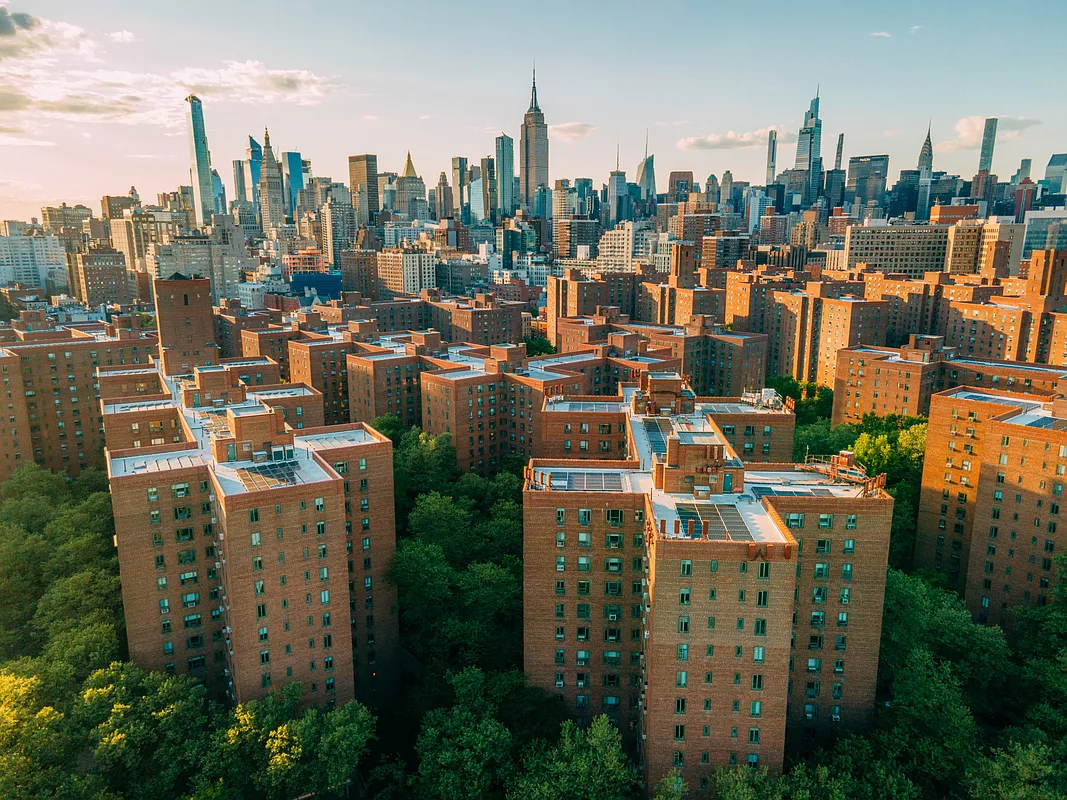
309 Avenue C
Stuyvesant Town/PCV

400 Chambers Street
Battery Park City

41 River Terrace
Battery Park City

166 2 Avenue
East Village

510 West 52 Street
Hell's Kitchen
What to check before choosing a building with low rent increases in Manhattan
- Start with the 3,853+ buildings list, then narrow by what you need (availability, building basics, and any restrictions you care about).
- Before touring, confirm the lease terms in writing: renewal terms, rent-change history where available, and whether any benefits or protections apply to your specific unit.
- Ask how rent increases are calculated in practice (timing, notices, and what triggers an increase) and whether staff can provide a unit-specific expectation.
- Check practical costs beyond rent: broker fee rules, security deposit, and any typical move-in or recurring charges tied to the lease.
- Use tenant Q&A and reviews to identify process issues (response times, maintenance follow-through, and how the building communicates notices).
- Treat any “low increase” signal as a starting point and verify directly with management for the unit you’re considering. Policies and unit circumstances can differ.