


Renting in Brooklyn Heights vs. Upper West Side: how they compare
If you're deciding between Brooklyn Heights and the Upper West Side for your next apartment rental, understanding the key differences can help make your choice clearer. Brooklyn Heights is situated in Brooklyn with a median rent of $5,775 and 61 active rental listings. Conversely, the Upper West Side in Manhattan boasts a median rent of $5,699, making it marginally more affordable, and has a significantly higher number of active rental listings at 357. This article breaks down what these numbers mean for potential renters looking in either area. Our goal is to highlight not just the rental differences, but also what living in each neighborhood is like in terms of building quality, renter experiences, and ease of commute. It's important to balance your budget with your living preference, and this guide will help clarify those pivotal factors. Use this comparison to weigh your priorities—whether it's the historic charm of Brooklyn Heights or the urban convenience of the Upper West Side. Knowing how these neighborhoods stack up in practical terms helps in making a decision that's right for your lifestyle.
Quick verdict
When choosing between Brooklyn Heights and the Upper West Side, the choice may ultimately come down to availability and personal preference. Brooklyn Heights, with a median rent of $5,775, offers a more exclusive environment with 61 active rental listings. This limited supply could suggest a tighter, more community-centric living experience, possibly appealing to those looking for a close-knit neighborhood feel.
In contrast, the Upper West Side presents a slightly more affordable option with a median rent of $5,699 and a far greater availability of listings at 357. This increased availability may provide renters with more options, potentially leading to better deals and choices in terms of apartment features and amenities. A more diverse number of apartments might also imply a broader spread of types, from classic pre-war buildings to modern high-rises.
Practically, renters should consider their priorities—whether they value a smaller, potentially tranquil setting in Brooklyn Heights, or the busy vibe and extensive options in the Upper West Side. It's important to explore both areas in person if possible, as living dynamics can be quite different from what numbers suggest.
Rent compared: Brooklyn Heights vs. Upper West Side
In Brooklyn Heights, the median rent stands at $5,775, while in the Upper West Side, it is slightly lower at $5,699, differing by a modest $76. Renters might not feel a significant distinction in cost between the two, placing more emphasis on personal preference and neighborhood attributes rather than sheer affordability.
Brooklyn Heights offers fewer rental options with just 61 active listings, possibly indicating higher demand or less frequent turnover. For renters, this could mean a competitive market where acting quickly on openings is crucial. Additionally, securing a no-fee apartment in Brooklyn Heights might be easier, given that 54% of listings have no fee attached, compared to just 40% in the Upper West Side.
The Upper West Side, with its significantly higher number of active listings (357), provides a larger market to explore, potentially allowing for better negotiation opportunities or more diverse apartment styles and locations. This could appeal to renters who prioritize choice and flexibility in their apartment search. The presence of a substantial rental market might also lead to seasonal fluctuations in rent prices, offering chances to secure a deal depending on the time of year.
What each is like to live in
Living in Brooklyn Heights versus the Upper West Side offers distinctive experiences connected to the character of each area. Brooklyn Heights is known for its historic ambiance and close-knit community feel, which is reflected in its 176 buildings, many of which offer classic architectural features. For renters looking for a neighborhood that offers a serene environment while still being well-connected to the rest of Brooklyn's amenities, Brooklyn Heights can be ideal.
The Upper West Side, located in Manhattan, with a significantly higher building count of 908, offers a more diverse and urban residential experience. The area is known for its busy street life and cultural opportunities, presenting an environment that appeals to renters who thrive in active urban settings. This neighborhood offers a range of building types, from luxurious high-rise apartments to comfortable pre-war buildings, providing ample choices for different lifestyles.
When considering where to live, potential renters should visit both areas to get a true sense of their daily life dynamics. Each neighborhood provides unique social and cultural settings, which can significantly influence the overall living satisfaction.
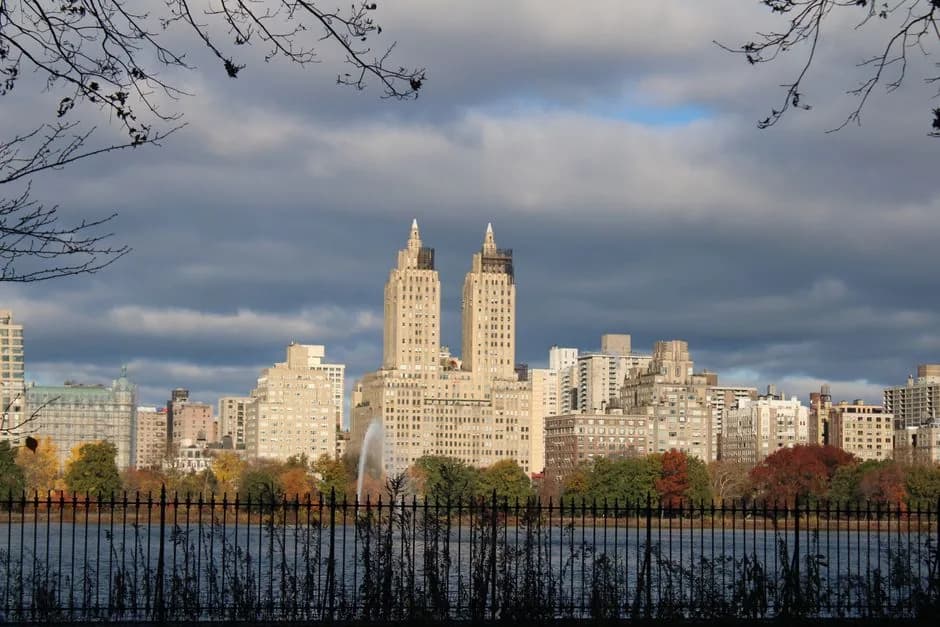
Buildings and housing stock: Brooklyn Heights vs. Upper West Side
Brooklyn Heights comprises 176 residential buildings, with 38% of these being top-rated on Openigloo. Meanwhile, the Upper West Side boasts a much larger number of buildings at 908, with 44% achieving top ratings. This broader range of buildings in the Upper West Side could translate to more diverse apartment styles and amenities, giving renters many options to choose from.
In Brooklyn Heights, the smaller number of buildings might mean renters can expect more consistent architectural charm, often found in classic brownstones and historic structures. Approximately 65% of these buildings are rent-stabilized, offering some financial predictability amidst New York's dynamic rental market.
By contrast, the Upper West Side's extensive housing stock means more variability not just in price and layout, but also in landlord policy and management, which can affect renter satisfaction. Renters should inspect building conditions and read reviews on Openigloo to understand management track records and tenant experiences before making a decision.
What tenants say: Brooklyn Heights vs. Upper West Side
Tenants in Brooklyn Heights have given 172 reviews on Openigloo, resulting in an average rating of 3.75. In contrast, the Upper West Side buildings have received a total of 887 reviews, with a slightly lower average rating of 3.74. These ratings suggest that while tenant satisfaction levels are comparable, the volume of reviews for the Upper West Side indicates a more active tenant community.
Brooklyn Heights' smaller number of reviews might reflect its less transient population, which can be ideal for renters seeking a more stable community. The slightly higher average rating implies a general contentment with the living experience here, possibly influenced by factors like building condition or neighborhood atmosphere.
For the Upper West Side, the extensive number of reviews showcases a wider variety of tenant experiences. This could be invaluable for potential renters who want a comprehensive view of renter feedback, covering aspects from management reliability to amenities and communal facilities. Thus, engaging with these reviews and conducting additional research can help form a well-rounded picture of life in either neighborhood.
Building condition and track record: Brooklyn Heights vs. Upper West Side
The condition and management track records of buildings can significantly impact the rental experience. In Brooklyn Heights, 65% of buildings are rent-stabilized, implying a degree of affordability and stability, while 37% are pet-friendly, appealing to animal lovers. The average building rating is 3.75, indicating a generally positive tenant experience despite the lower number of total reviews.
Conversely, the Upper West Side offers a larger volume of rent-stabilized units at 74%, with a notable 43% of buildings being pet-friendly. These figures suggest higher chances of finding budget-friendly or pet-accommodating apartments. However, with an average rating of 3.74 from more reviews, potential renters should investigate these reviews for consistent issues or praises, providing insight into common tenant concerns or advantages.
Prospective tenants should prioritize visiting potential apartments and thoroughly reading Openigloo reviews to evaluate maintenance standards. This approach will help avoid surprises after signing a lease, ensuring that the physical conditions meet expectations laid out during the negotiation process.
Getting around compared
Both neighborhoods, Brooklyn Heights and the Upper West Side, offer well-integrated public transportation options typical to their boroughs, making commuting relatively straightforward. While the specific transit options aren't specified, typically Manhattan and Brooklyn are well-served, allowing residents to access multiple lines.
Brooklyn Heights' location could be ideal for those who frequently travel to other parts of Brooklyn or lower Manhattan, aligning with its role as a quieter, more residential enclave. Its proximity to waterfront parks could offer leisurely walk options and potentially faster commutes when crowds are lighter.
The Upper West Side's position in Manhattan means typical access to major transport hubs, appealing to those whose work or social engagements center around the city. It's convenient for accessing a wide range of cultural and entertainment venues, likely reducing the need for extended travel.
When evaluating these neighborhoods for their commuting convenience, renters should consider the distance to key destinations such as workplaces or frequent leisure venues, making sure to visit each location to judge the practicality and comfort of daily travel.
Which should you choose — Brooklyn Heights or Upper West Side?
Choosing between Brooklyn Heights and the Upper West Side depends largely on what characteristics resonate most with your lifestyle and rental priorities. If having immediate access to a broad array of listings is crucial, the Upper West Side's 357 active listings provide a wider selection, making it a compelling choice for those who appreciate having many options.
Conversely, Brooklyn Heights appeals with its exclusive atmosphere and slightly higher median rent of $5,775, which may suit renters looking for an intimate, higher-end neighborhood feel, albeit with fewer immediate housing options. The close-knit environment and historical charm make it an appealing choice for those who favor community-focused living.
Ultimately, renters should consider what's more important: the practical benefits of the Upper West Side's abundant options or the serene appeal of Brooklyn Heights' charm and architectural allure. An in-person visit to both neighborhoods can offer invaluable insights, allowing for a more informed decision that aligns with both personal and financial needs.
At a glance
- Brooklyn Heights median rent: $5,775, 61 listings.
- Upper West Side median rent: $5,699, 357 listings.
- Brooklyn Heights: 38% top-rated buildings, 65% rent-stabilized.
- Upper West Side: 44% top-rated buildings, 74% rent-stabilized.
- Brooklyn Heights: smaller community, historic feel.
- Upper West Side: diverse housing stock, urban environment.
- Brooklyn Heights: 37% pet-friendly buildings.
FAQ
The bottom line
Browse current listings in Brooklyn Heights and Upper West Side, or read what renters are saying about specific buildings on Openigloo.
Browse Brooklyn Heights listingsOther neighborhood guides nearby — same borough, different rent ranges and vibes. Useful when you're widening the search radius.
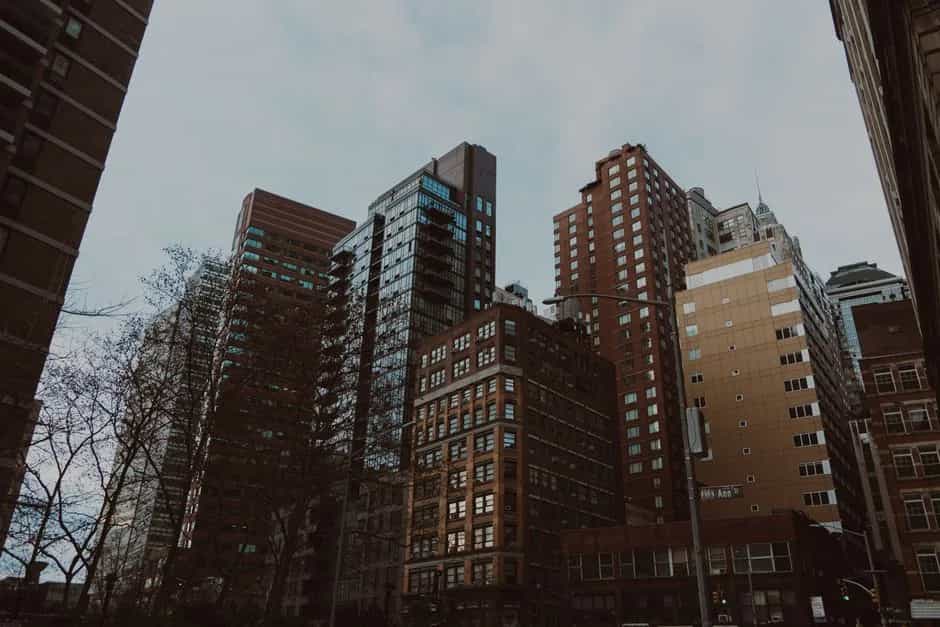
Moving to Downtown Brooklyn? Here's what renters should know

A complete renter's guide to Greenpoint
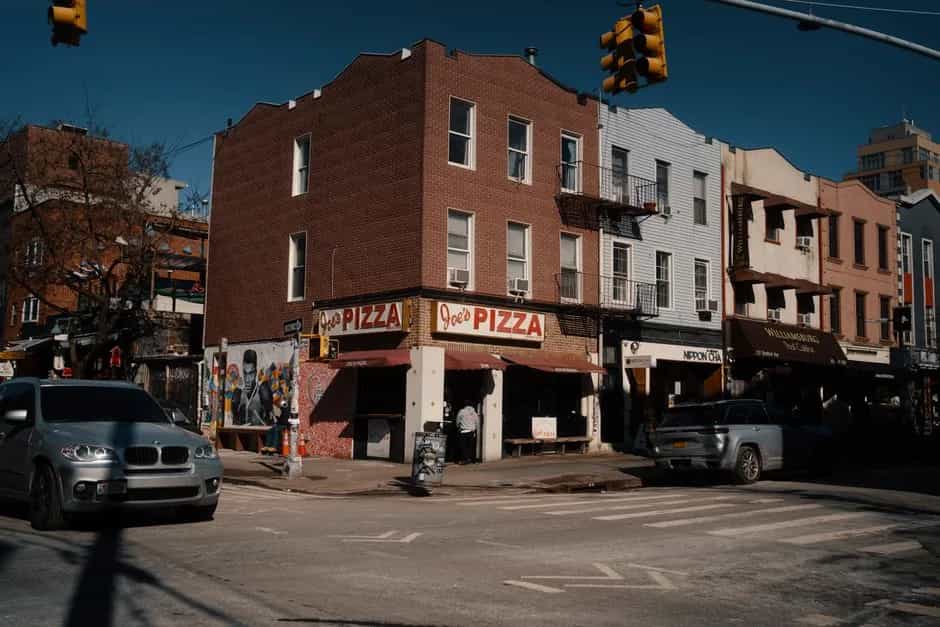
New to Williamsburg? A renter's starter guide
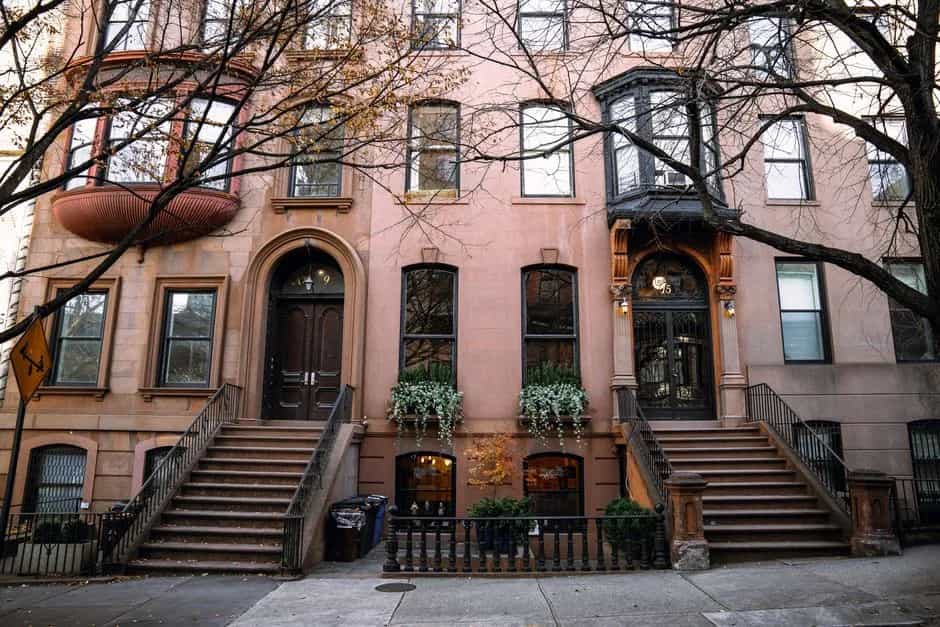
New to Crown Heights? A renter's starter guide
Renting in Gowanus: everything you need to know

What it's really like to rent in Fort Greene
Renting in Bedford-Stuyvesant: what to expect
Is Bushwick worth renting in? A local guide
Other comparison pairs in the same theme — neighborhoods that come up in the same kinds of debates renters have when they're deciding where to live.
Upper East Side vs. Upper West Side: where should you rent?

East Village or Williamsburg: which is the better place to rent?

Park Slope or Williamsburg? A renter's comparison

Should you rent in Park Slope or West Village?
Choosing between Soho and Tribeca: a renter's guide

Tribeca vs. West Village: rent, buildings, and what to expect in each
East Village vs. Nolita: a renter's guide to choosing
DUMBO vs. Tribeca: where should you rent?