

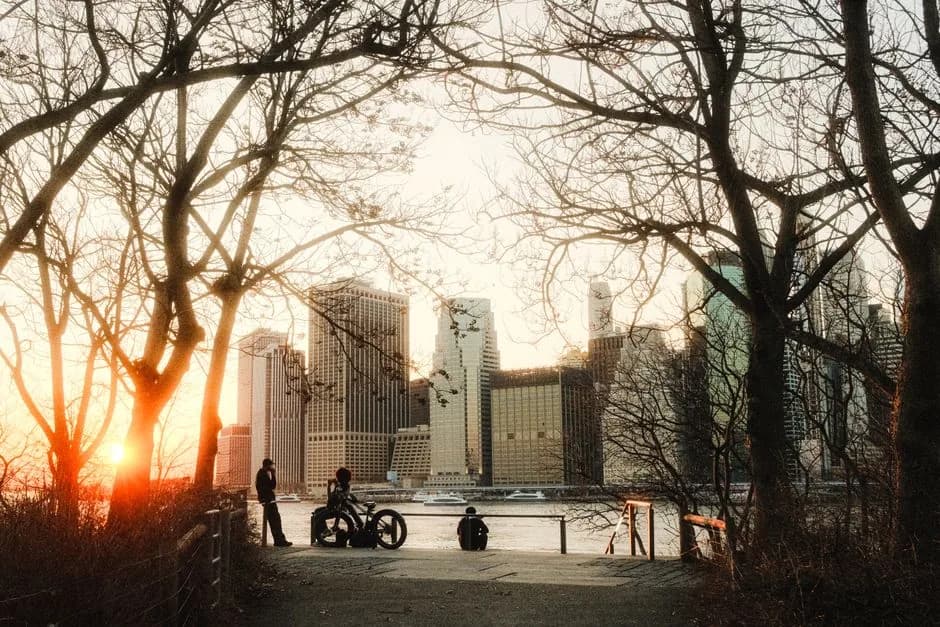
Park Slope or Upper East Side? A renter's comparison
For prospective renters considering between Park Slope in Brooklyn and the Upper East Side in Manhattan, the decision hinges largely on budget and lifestyle preferences. Park Slope features a median rent of $3,674, which starkly contrasts with the Upper East Side’s hefty median rent of $7,646. This rent disparity makes Park Slope a more economical choice for many. Beyond the financial aspect, the neighborhood vibe and amenities play a crucial role. Park Slope offers a mix of historical charm and residential tranquility, while the Upper East Side provides access to upscale living and cultural landmarks. These neighborhoods also vary significantly in rent-stabilized housing: Park Slope has 41% rent-stabilized units, compared to 71% in the Upper East Side. This article will delve deeper into the pros and cons of living in each area, considering factors such as building conditions, tenant feedback, and transportation options. This comparative guide aims to provide a comprehensive understanding, equipping renters with insights needed to make the best decision for their lifestyle.
Quick verdict
Choosing between Park Slope and the Upper East Side often comes down to budget and lifestyle. In terms of financial consideration, Park Slope offers a more affordable median rent of $3,674, which is significantly lower than the Upper East Side's $7,646. This makes Park Slope a compelling option for those mindful of monthly housing costs, offering a lower entry point into a desirable neighborhood.
Lifestyle preferences also matter significantly. Park Slope, situated in Brooklyn, is known for its neighborhood feel, often appealing to families and those seeking a quieter environment without sacrificing access to amenities. In contrast, the Upper East Side, located in Manhattan, offers a more high-end living experience, appealing to those who prioritize proximity to cultural institutions and upscale shopping. Each neighborhood presents distinct advantages based on individual priorities.
Renters should weigh these differences in rent, lifestyle, and the proportion of rent-stabilized buildings when making their decision. Verifying conditions on-site and speaking with current residents during tours can offer additional insights beyond just numbers.
Rent compared: Park Slope vs. Upper East Side
The contrast in rental prices between Park Slope and the Upper East Side is quite pronounced. Park Slope's median rent stands at $3,674, a striking difference from the Upper East Side's median of $7,646. This near $4,000 differential can significantly impact budget-conscious renters who are deciding between these two neighborhoods.
Park Slope not only offers affordability but also provides a range of rental options with 14 active listings currently available. On the other side, the Upper East Side has 16 active listings, but they come with a substantially higher price tag. For those interested in no-fee apartments, Park Slope offers 21% of its listings as no-fee, slightly less than the Upper East Side's 25%.
Renters should consider their long-term financial plans when comparing these neighborhoods. Park Slope is not only cheaper but also offers stability through higher percentages of rent-stabilized units compared to the Upper East Side. Visiting both areas and talking to potential landlords about what is included in rent, such as utilities or amenities, can provide additional clarity.
What each is like to live in
Living in Park Slope, Brooklyn conveys a residential feel with a balanced pace, which suits families and individuals who prefer a quieter lifestyle without forgoing convenience. The neighborhood is known for its architectural diversity and a variety of local amenities. With a notable 39% of its buildings being pet-friendly, it's particularly attractive for pet owners seeking a home that accommodates their lifestyle.
In contrast, the Upper East Side in Manhattan offers a more urban living experience. The neighborhood boasts luxurious accommodations and is known for its proximity to a host of cultural and retail attractions. Being 44% pet-friendly, it also caters well to those with pets, while providing a large portion - 71% - of rent-stabilized housing, making it feasible for those looking to maintain long-term residency.
Whether opting for Park Slope's laid-back environment or the Upper East Side's busy energy depends on what elements of urban life are prioritized by the renter. Prospective tenants should sample daily life in each by visiting at different times of day to gauge commute times and street activity, ensuring the neighborhood aligns with their lifestyle expectations.

Buildings and housing stock: Park Slope vs. Upper East Side
Comparison of the building stock between Park Slope and the Upper East Side reveals key differences in quantity and type. Park Slope's landscape is dotted with 650 buildings, offering a broad spectrum of architectural styles, from historic brownstones to modern apartments. This variety can appeal to renters seeking choice in both style and property age.
Meanwhile, the Upper East Side features fewer buildings, with a count of 73, but these typically embody upscale and sophisticated living environments. The Upper East Side's housing stock is often more luxurious, providing entrances to a high-end Manhattan lifestyle, frequently accompanied by privacy and elite amenities standard to the area.
Renters assessing these neighborhoods should also consider the extent of rent-stabilization and pet-friendliness reflected in building offerings. Park Slope offers a relatively balanced range of options, especially for those prioritizing pet-friendly environments. Inspecting properties in both areas for conditions of common spaces, security features, and maintenance regularity is advisable during the decision-making process.
What tenants say: Park Slope vs. Upper East Side
Feedback from tenants varies significantly between Park Slope and the Upper East Side, helping shape the perception of these neighborhoods. Park Slope tenants highlight the community-driven atmosphere and family-friendly parks, which cater to those seeking a neighborhood feel within a larger city landscape. The average building rating here is 3.65, reflecting a positive but varied experience among residents.
In contrast, tenants in the Upper East Side often note the convenience of being close to Manhattan's commercial hustle and cultural institutions. With a slightly higher average building rating of 3.75, the Upper East Side appears to meet the expectations of residents who prioritize location and access to luxury amenities.
When choosing between the two, renters should consider these tenant perspectives along with physical visits to build their impressions. Checking building reviews and speaking with current tenants can also uncover insights into management responsiveness and community dynamics, potentially guiding more informed decisions.
Building condition and track record: Park Slope vs. Upper East Side
Evaluating building conditions and track records between Park Slope and the Upper East Side reveals subtle insights into renting experiences in these two areas. Park Slope features a relatively large number of top-rated buildings with 291 earning high marks from tenants, however, its average building rating rests at 3.65. This suggests some variability in tenant satisfaction, likely due to the diversity in building age and style.
The Upper East Side, although having fewer buildings overall, maintains a slightly higher average rating of 3.75, with 33 buildings recognized as top-rated. These ratings point towards a consistent level of satisfaction among tenants, often linked to the generally newer and well-maintained structures typical of this Manhattan locale.
Renters should ensure prospective buildings meet their standards by examining available reviews and direct inspections, particularly targeting high-rated properties. Understanding the history of maintenance and any upcoming renovations or updates can be crucial, as these factors directly affect rental experience and cost implications.
Getting around compared
Both Park Slope in Brooklyn and the Upper East Side in Manhattan provide convenient transportation options, suited for those valuing accessibility. Park Slope benefits from Brooklyn's well-serviced transit, allowing easy navigation to the rest of the city. Its urban layout facilitates walking and biking, which is attractive to residents who favor eco-friendly transportation.
The Upper East Side offers extensive transit options typical of Manhattan, appealing to those who require frequent and varied means of travel across the city. The area's connectedness makes commuting manageable, allowing access to multiple parts of New York City quickly and efficiently.
For renters considering either location, proximity to transit stops can influence daily commuting ease and journey times. It’s wise to walk prospective routes during rush hours to accurately assess travel times. Additionally, understanding how each neighborhood’s specific transit availability meets personal commuting needs is essential before making a final decision.
Which should you choose — Park Slope or Upper East Side?
The choice between Park Slope and the Upper East Side ultimately hinges on budgetary constraints and lifestyle preferences. Park Slope’s affordable median rent of $3,674 presents a compelling case for those looking for budget-friendly yet active urban living, replete with architectural charm and community ethos. This area suits those who prefer a residential environment and value the presence of rent-stabilized and pet-friendly housing options, with 41% of buildings being rent-stabilized.
The Upper East Side, with its median rent of $7,646, appeals to renters seeking high-end living conditions and proximity to cultural landmarks. The neighborhood’s 71% rent-stabilization is a practical point for those desiring long-term tenancy security in a premium location. Its slightly higher no-fee listing percentage at 25% is a plus for those avoiding additional rental costs.
Renters should conduct personal tours of both neighborhoods, considering factors such as local amenities and distance to work or social activities. Deciding between these two areas involves choosing between Park Slope’s affordability and community spirit, and the Upper East Side’s luxury and convenience.
At a glance
- Park Slope's median rent is $3,674.
- Upper East Side's median rent is $7,646.
- Park Slope has 14 active listings; Upper East Side has 16.
- 41% of Park Slope buildings are rent-stabilized versus 71% in Upper East Side.
- 39% of Park Slope buildings are pet-friendly compared to 44% in Upper East Side.
- Top-rated buildings in Park Slope: 291; Upper East Side: 33.
FAQ
The bottom line
Browse current listings in Park Slope and Upper East Side, or read what renters are saying about specific buildings on Openigloo.
Browse Park Slope listingsOther neighborhood guides nearby — same borough, different rent ranges and vibes. Useful when you're widening the search radius.
Moving to Downtown Brooklyn? Here's what renters should know

A complete renter's guide to Greenpoint
New to Williamsburg? A renter's starter guide
New to Crown Heights? A renter's starter guide
Renting in Gowanus: everything you need to know

What it's really like to rent in Fort Greene
Renting in Brooklyn Heights: what to expect
Renting in Bedford-Stuyvesant: what to expect
Other comparison pairs in the same theme — neighborhoods that come up in the same kinds of debates renters have when they're deciding where to live.
Upper East Side vs. Upper West Side: where should you rent?

East Village or Williamsburg: which is the better place to rent?

Park Slope or Williamsburg? A renter's comparison

Should you rent in Park Slope or West Village?
Choosing between Soho and Tribeca: a renter's guide

Tribeca vs. West Village: rent, buildings, and what to expect in each
East Village vs. Nolita: a renter's guide to choosing
DUMBO vs. Tribeca: where should you rent?