

Buildings highly rated for trash management near the M34-SBS bus in NYC
Find buildings highly rated for trash management near the M34-SBS bus in NYC. This page focuses on the combined filters “best-trash-management” and “m34-sbs-bus,” with 158+ buildings showing up right now. Openigloo brings together what renters report and what buildings indicate through open-data signals, so you can narrow down faster. Use the building pages to read review summaries, check the underlying details, and ask questions before you sign a lease—especially on practical issues like trash rooms, pickup practices, and cleanliness consistency.
Buildings highly rated for trash management near the M34-SBS bus in NYC
Showing 19–36 of 158 buildings highly rated for trash management near the M34-SBS bus in NYC.
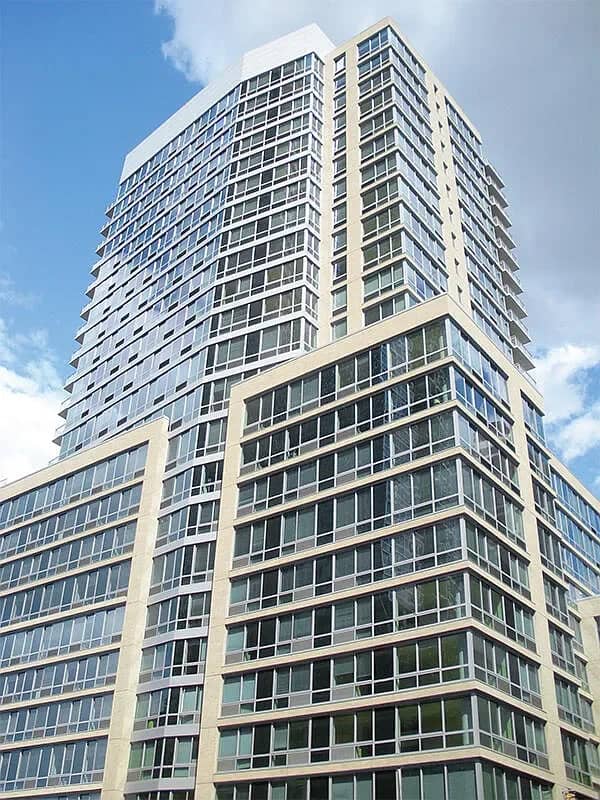
455 West 37 Street
Hudson Yards
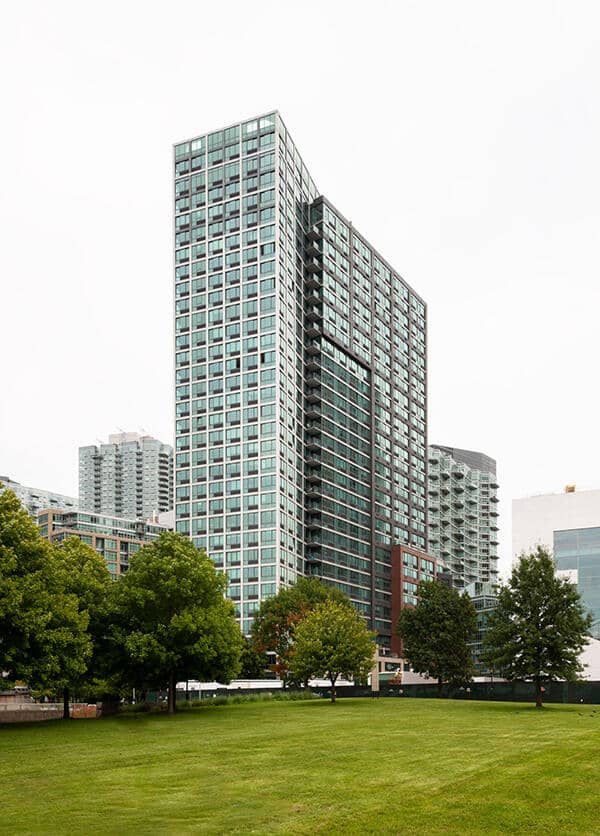
4720 Center Blvd
Hunters Point

340 East 34 Street
Kips Bay
630 1 Avenue
Murray Hill

435 West 31 Street
Hudson Yards
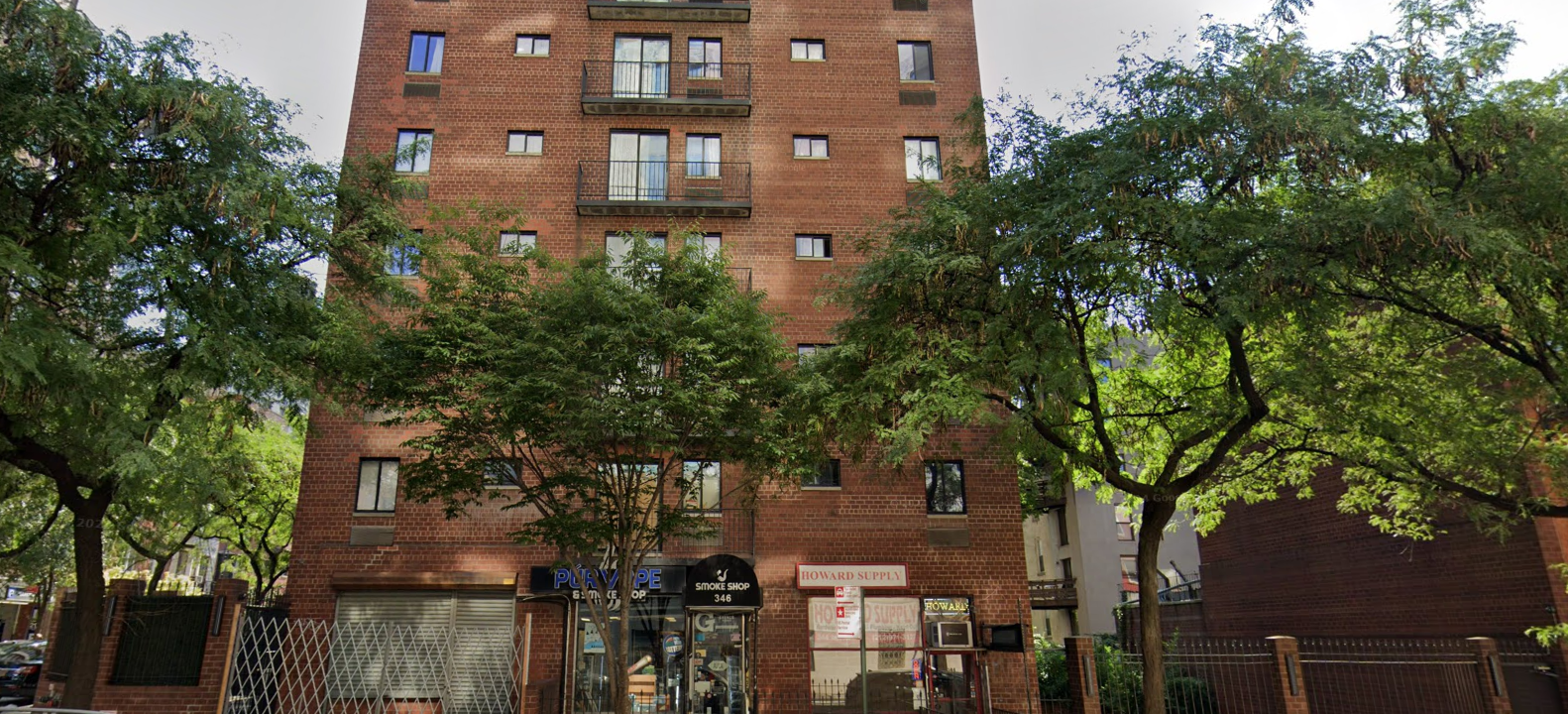
370 West 30 Street
Chelsea
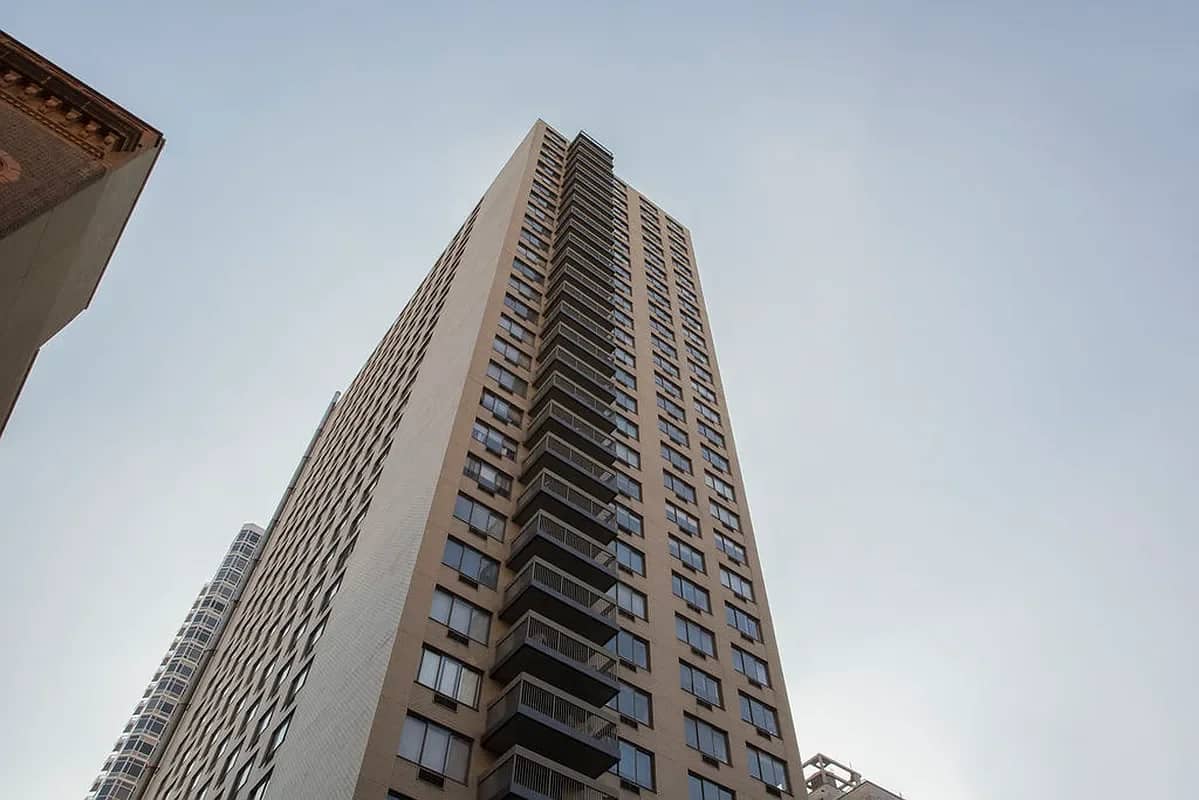
200 E 33 St
Kips Bay

555 10 Ave
Hudson Yards
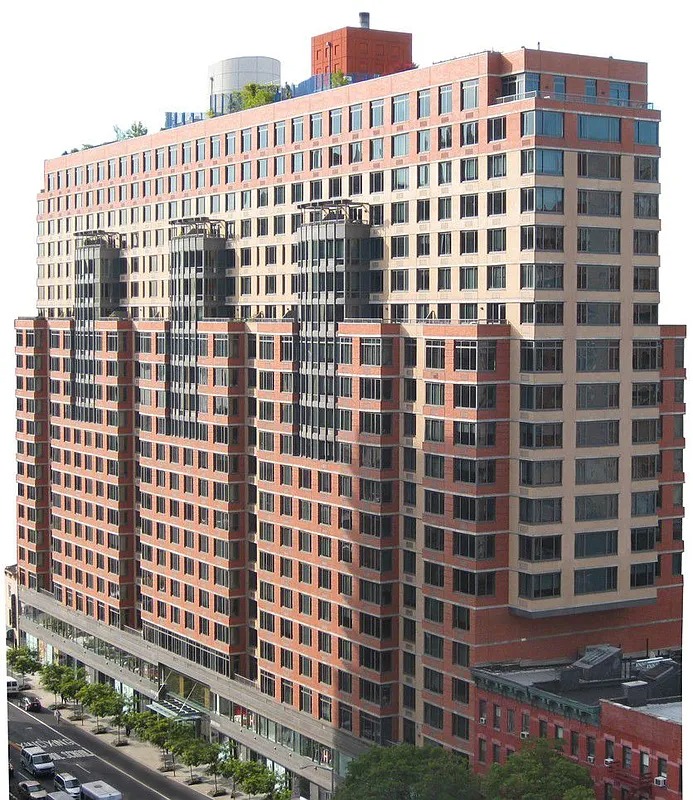
222 East 34 Street
Kips Bay

515 9 Avenue
Hudson Yards
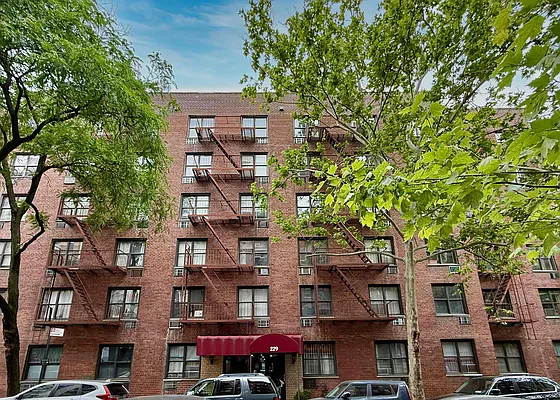
229 E 29 St
Kips Bay
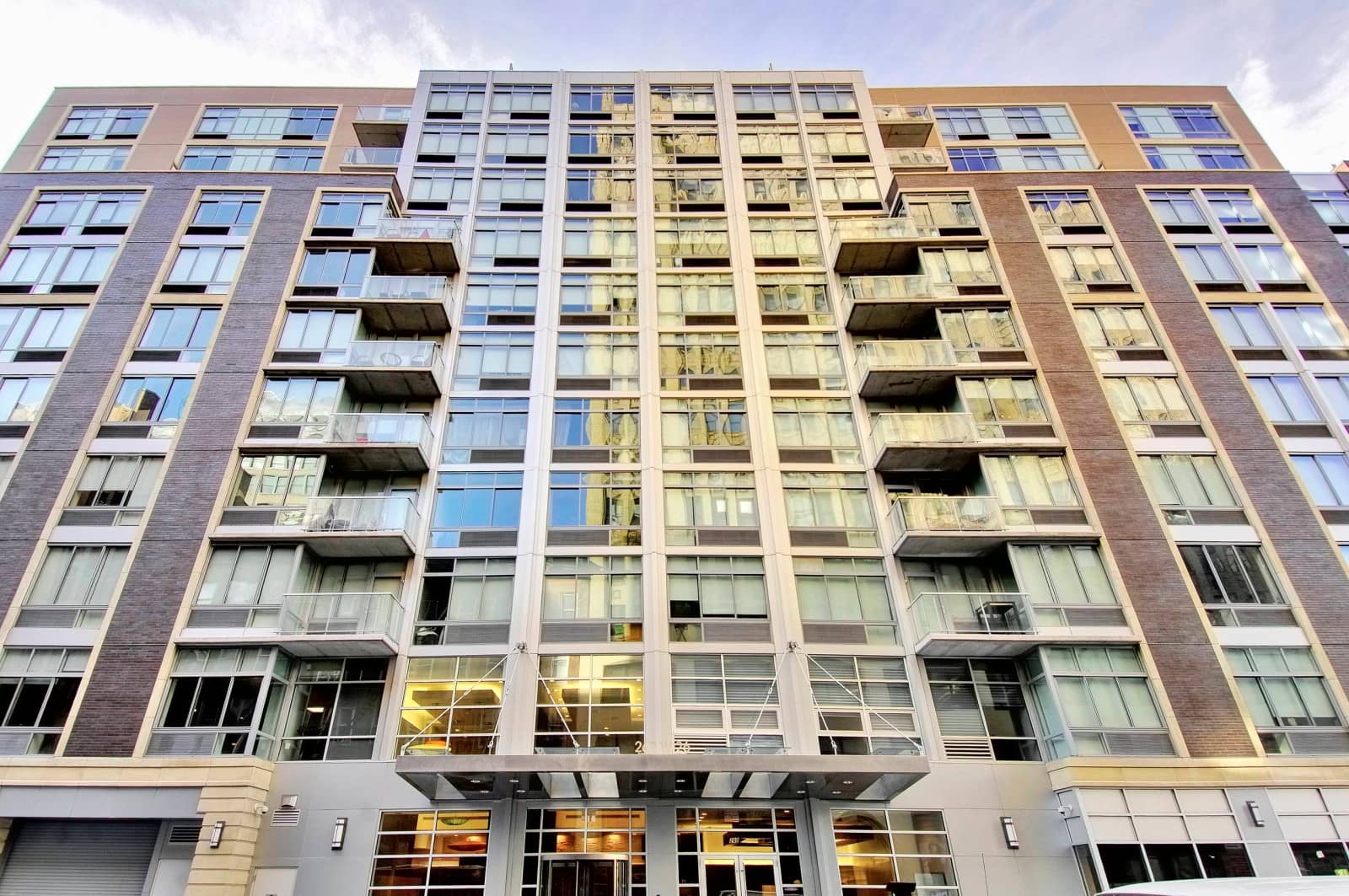
260 West 26 Street
Chelsea

165 East 35 Street
Murray Hill
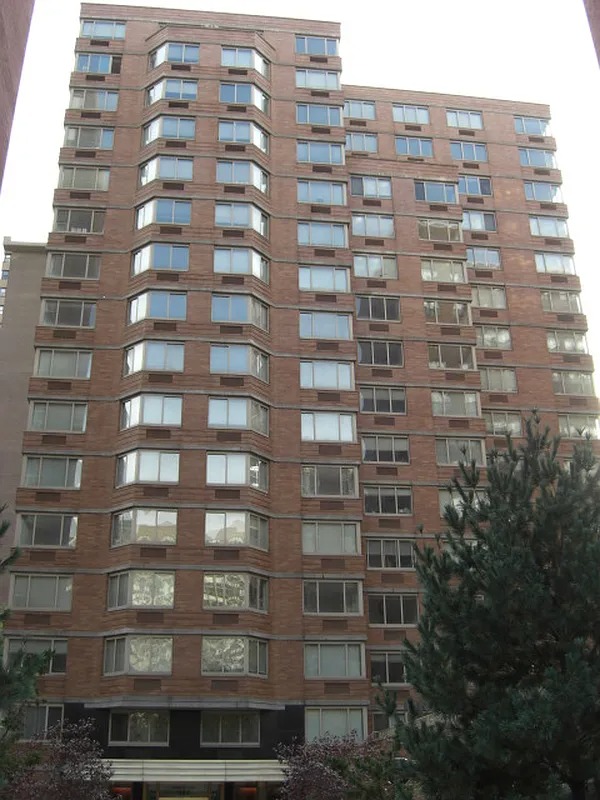
340 East 29 Street
Kips Bay
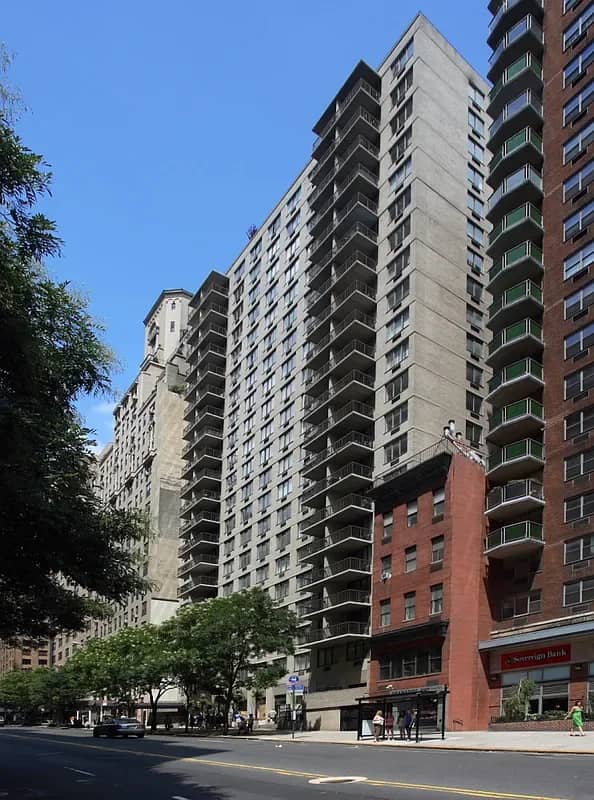
115 East 34 Street
Murray Hill
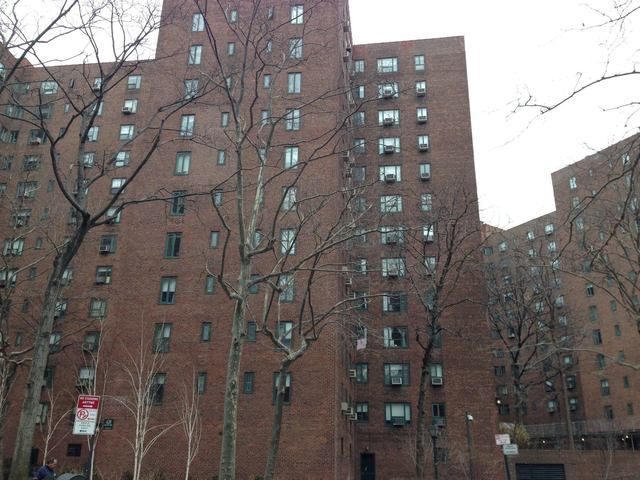
622 East 20 Street
Stuyvesant Town/PCV

282 11 Avenue
West Chelsea

626 1 Avenue
Murray Hill
What to check before choosing a building highly rated for trash management near the M34-SBS bus in NYC
- Use the filters to shortlist buildings near the M34-SBS bus that are flagged for strong trash-management performance.
- Confirm logistics in the lease conversation: trash room access hours, where bins are stored, and how bulk item pickup is handled.
- Ask how the building manages missed pickups and overflow (who to contact, response time, and whether the issue is escalated).
- Check whether there are recurring resident rules (bag types, bag sealing expectations, sorting requirements) and how violations are addressed.
- If you’re sensitive to smells or pests, visit at multiple times of day and request the building’s most recent pest-prevention approach—data can lag real-world conditions.