

Buildings with rent-stabilized apartments near the 3 train in Manhattan
Find buildings with rent-stabilized apartments near the 3 train in Manhattan. This filter covers regulatory protections tied to rent stabilization and focuses your search on buildings in the 3 train corridor, with 4,277+ eligible buildings right now. Openigloo brings building-level signals together so you can narrow faster: compare what’s currently available, read rated building notes, and use tenant Q&A to confirm how policies work in practice (especially around renewals, maintenance, and paperwork).
Buildings with rent-stabilized apartments near the 3 train in Manhattan
Showing 2,251–2,268 of 4,277 buildings with rent-stabilized apartments near the 3 train in Manhattan.
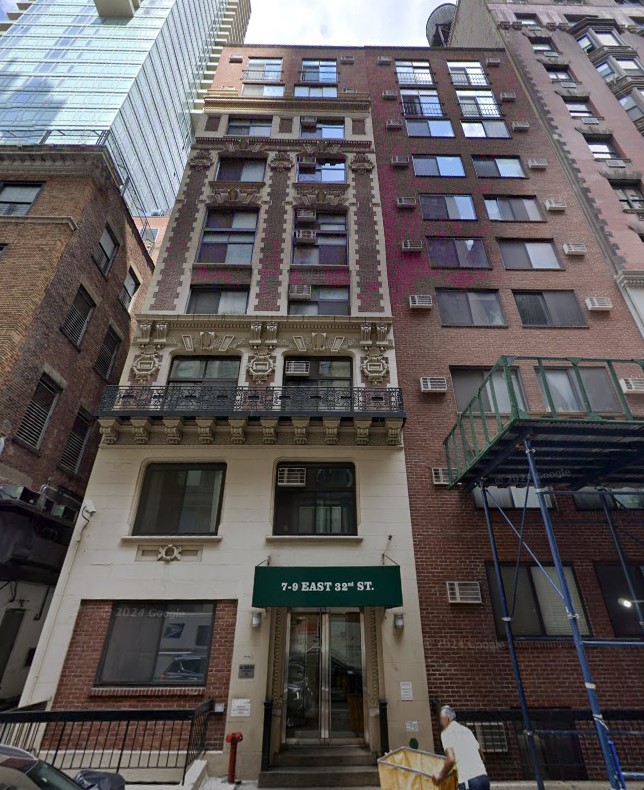
7 East 32 Street
Midtown South

244 West 72 Street
Upper West Side

88 Leonard Street
Tribeca

752 W End Ave
Upper West Side

145 West 67 Street
All Upper West Side

400 Chambers Street
Battery Park City

41 River Terrace
Battery Park City
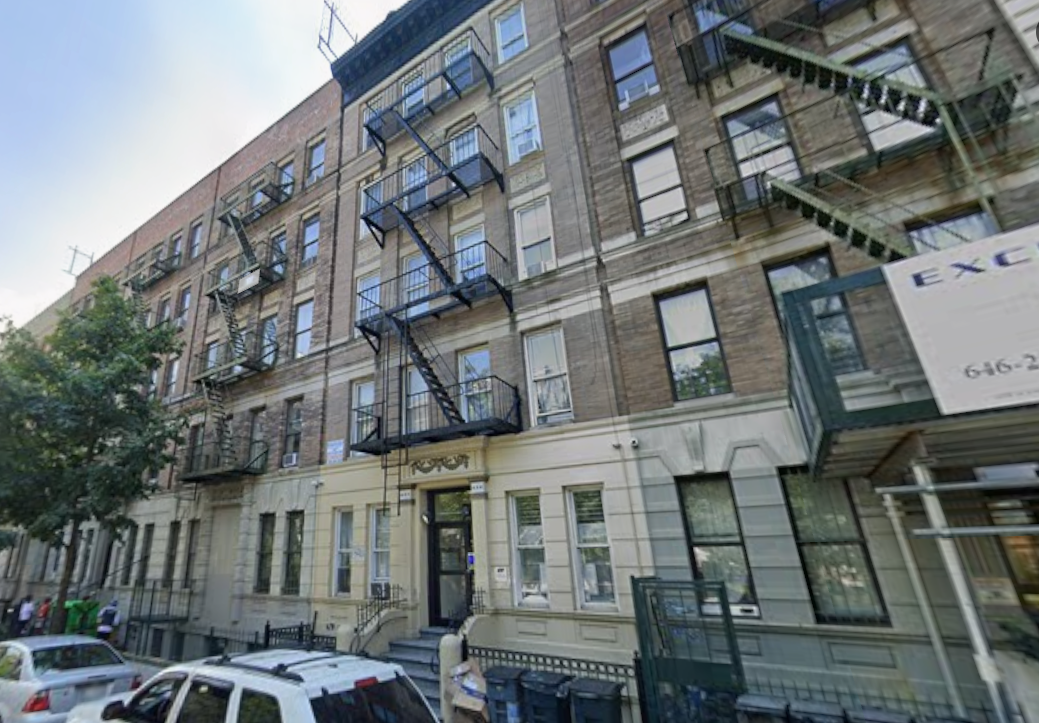
118 West 114 Street
South Harlem
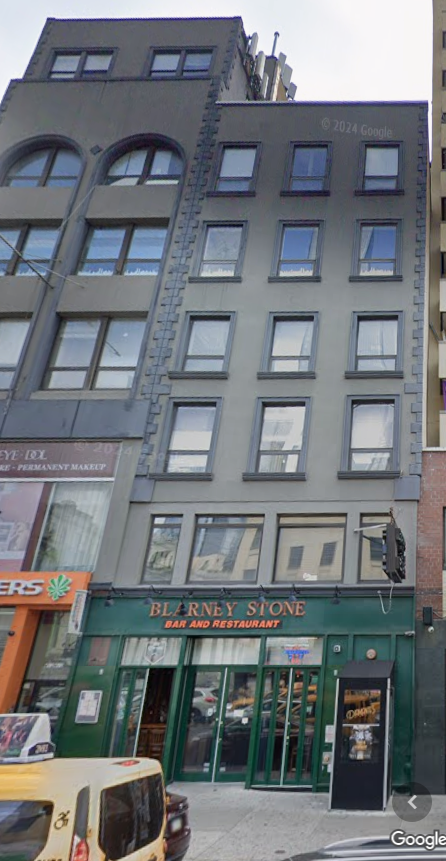
406 West 31 Street
Hudson Yards
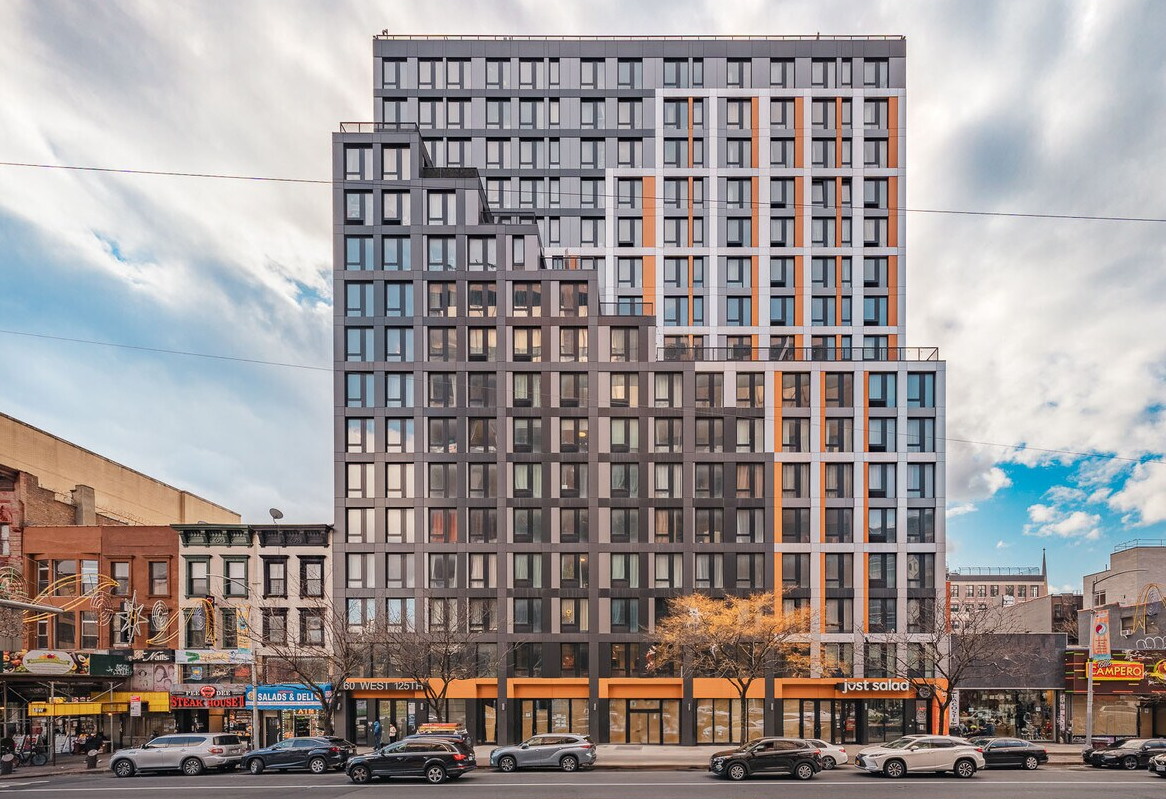
56 West 125 Street
South Harlem

95 Horatio Street
West Village
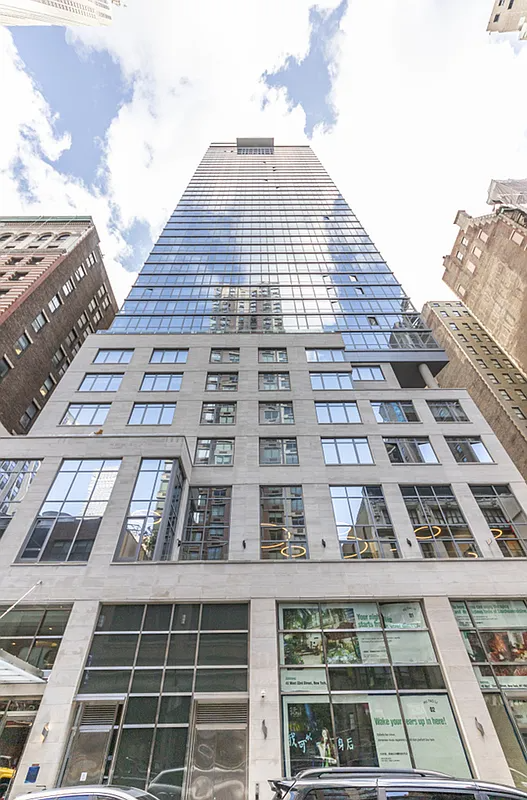
42 West 33 Street
Midtown South
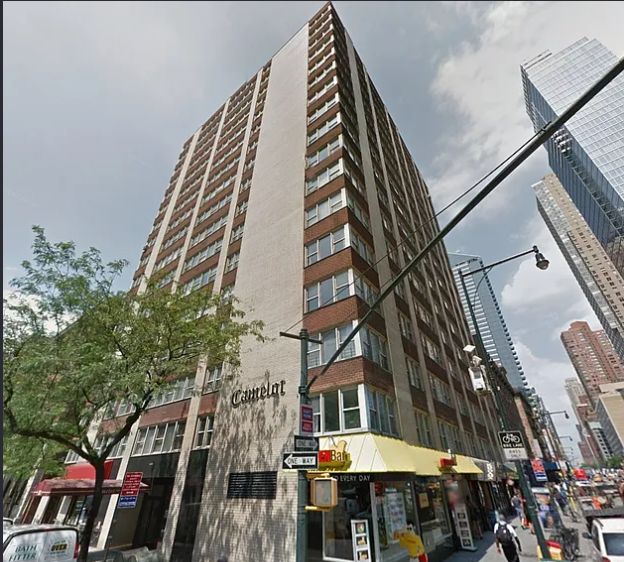
301 West 45 Street
Hell's Kitchen

69 East 125 Street
Central Harlem

212 West 91 Street
Upper West Side
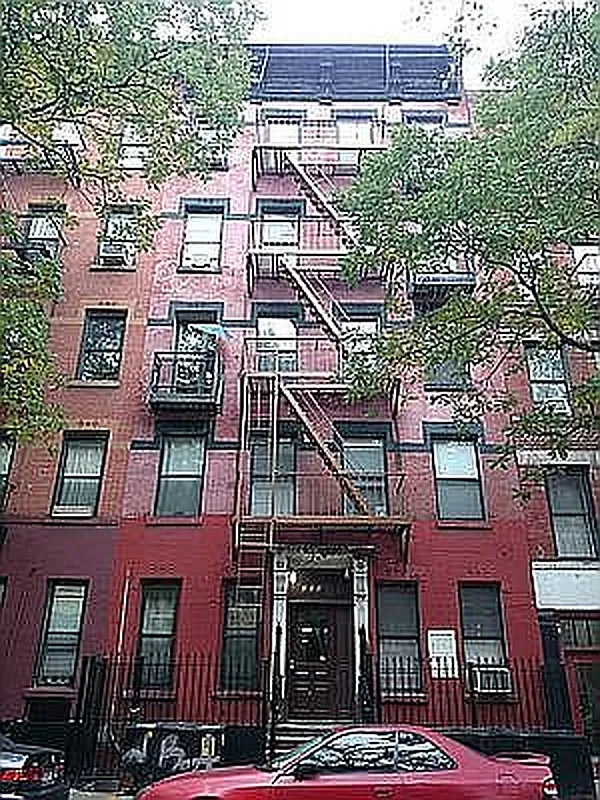
236 West 16 Street
Chelsea

808 Columbus Avenue
Upper West Side
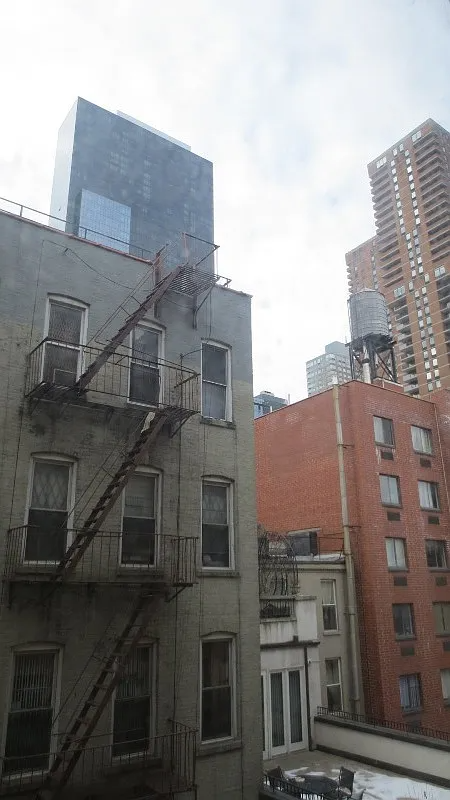
414 West 44 Street
Hell's Kitchen
What to check before choosing a building with rent-stabilized apartments near the 3 train in Manhattan
- Confirm the specific unit’s status: “rent-stabilized” applies to regulated units in the building, but availability can change day to day.
- Use the 3 train filter as a location starting point, then verify the walk/time you’ll actually use to commute and access the building.
- Before signing, ask how renewals are handled (timing, documentation, and any add-ons) and whether the building uses consistent notice practices.
- Check fees beyond rent: application costs, move-in deposits, and any required paperwork or administrative charges the building may apply.
- If you’re comparing multiple buildings, rely on building-level signals and tenant Q&A rather than assuming similar policies across buildings.