

Pre-war buildings near the L train in Manhattan
Pre-war buildings near the L train in Manhattan: 3,238+ buildings matched for this L-train + pre-war filter pair. That means you’re looking for older pre-1947 buildings located along/near L line commutes. Openigloo helps you narrow down buildings faster by showing which buildings match your commute and age filters, plus building-level signals like ratings and review notes. You can also use tenant Q&A and the open-data-backed context to flag questions to ask before you sign, so you compare buildings with the same baseline in mind.
Pre-war buildings near the L train in Manhattan
Showing 1,657–1,674 of 3,238 pre-war buildings near the L train in Manhattan.

117 East 7 Street
East Village
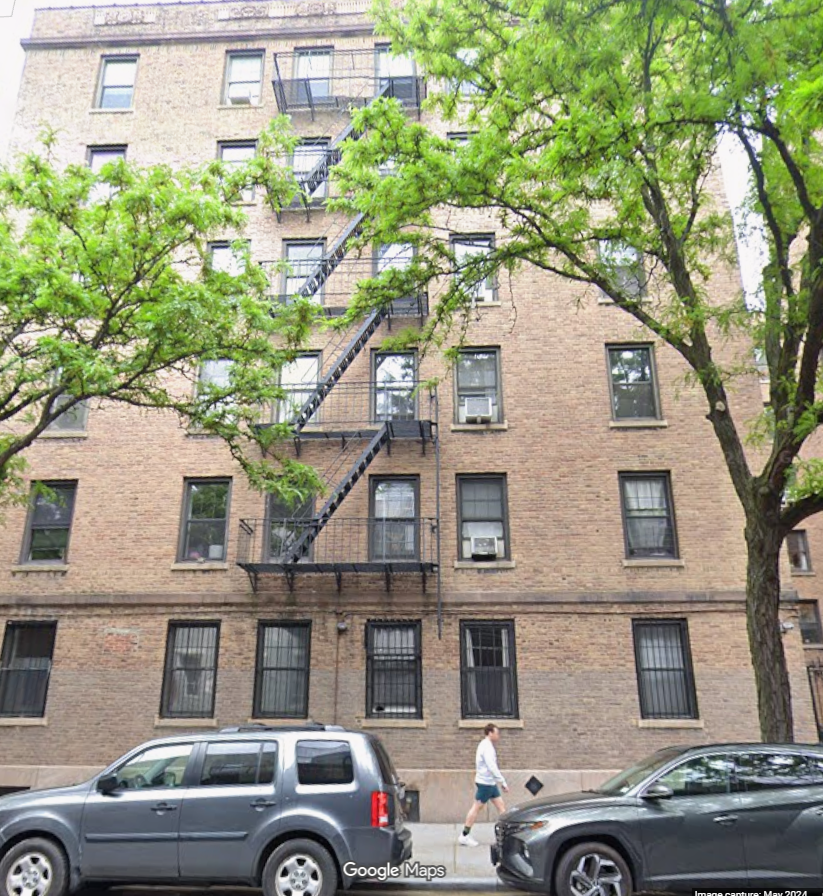
313 West 19 Street
Chelsea
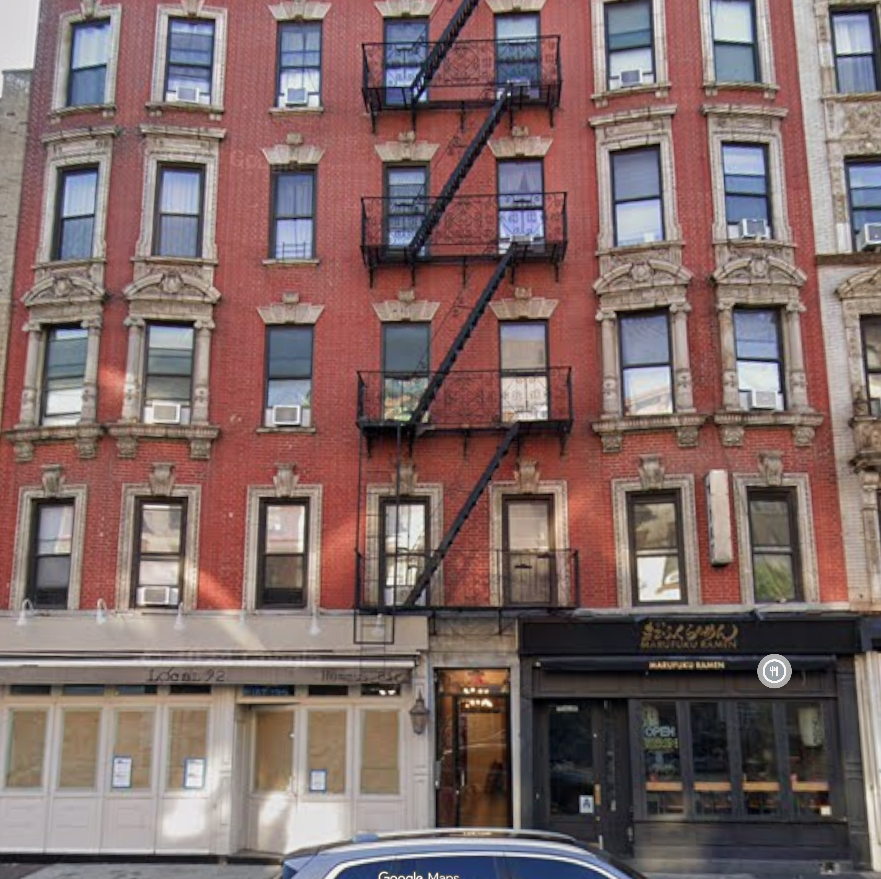
92 2 Avenue
East Village
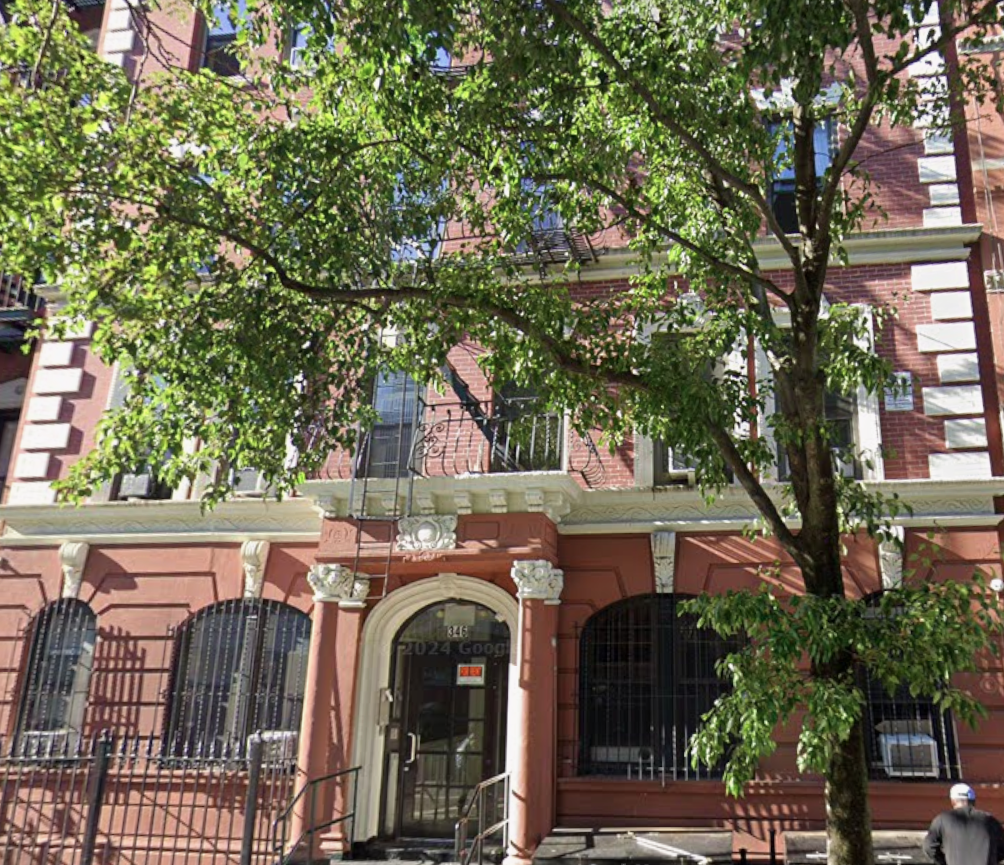
346 E 13 St
East Village

107 St Marks Place
East Village
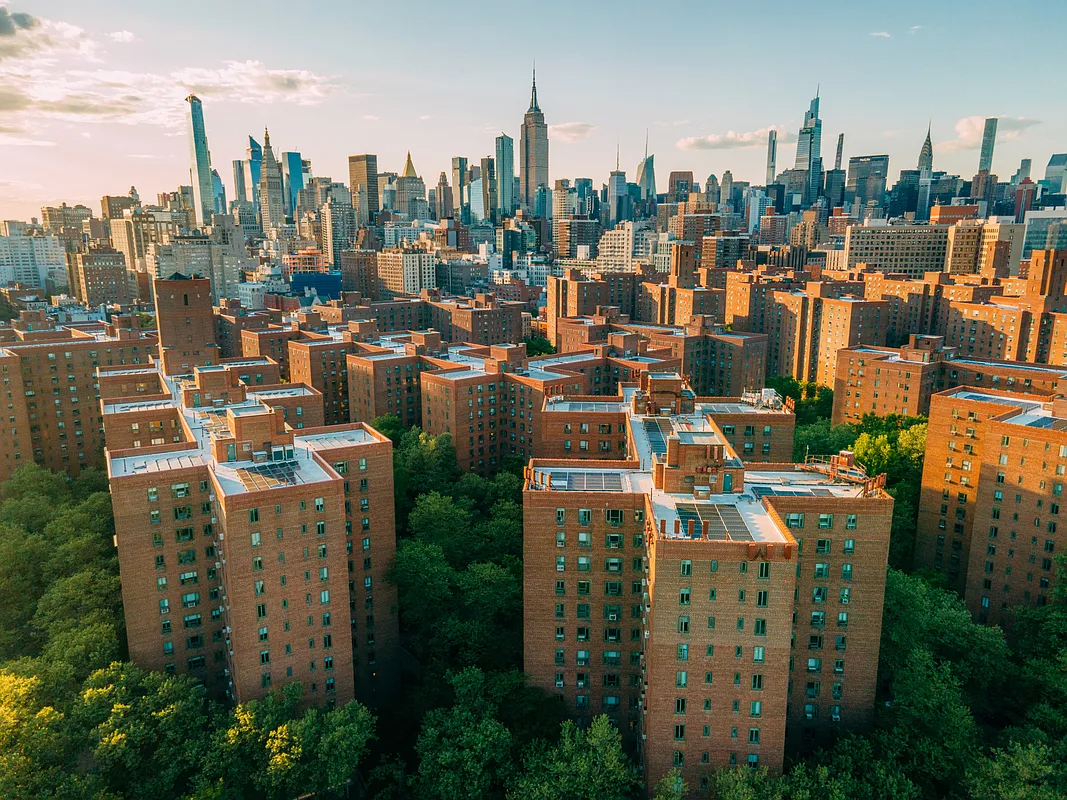
635 East 14 Street
Stuyvesant Town/PCV
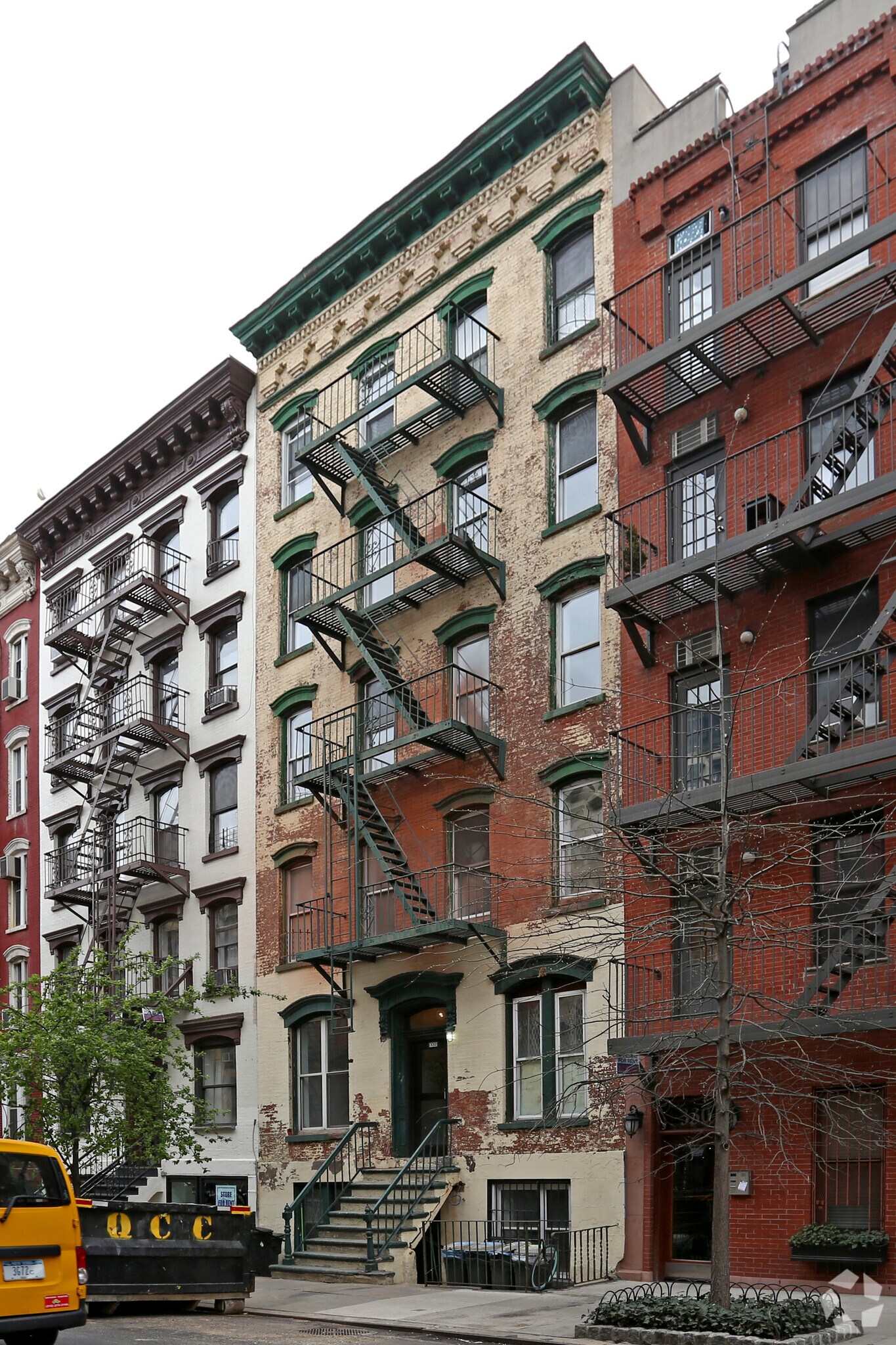
332 East 6 Street
East Village

220 East 22 Street
Gramercy Park

521 East 14 Street
Stuyvesant Town/PCV
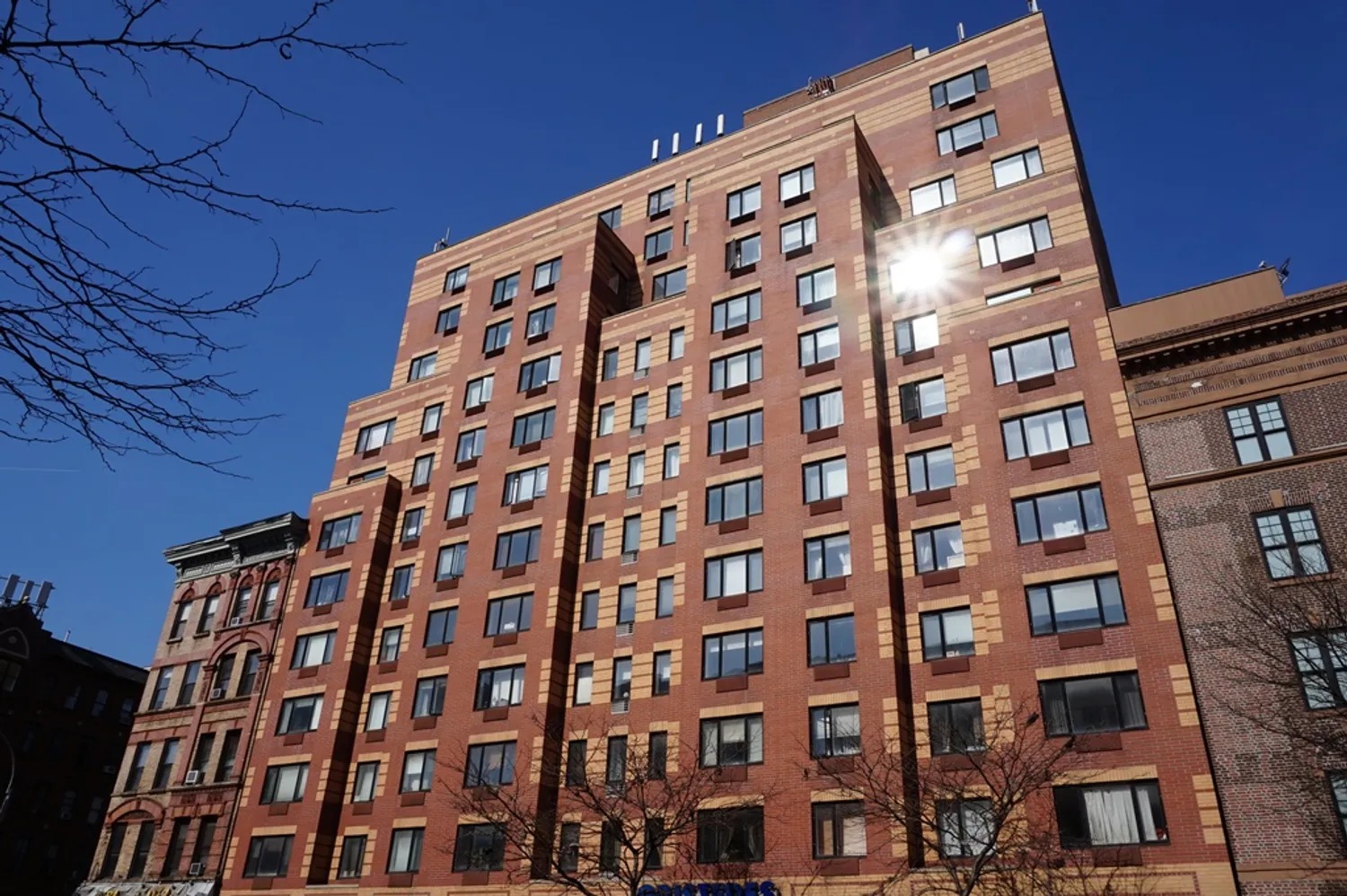
303 West 21 Street
Chelsea
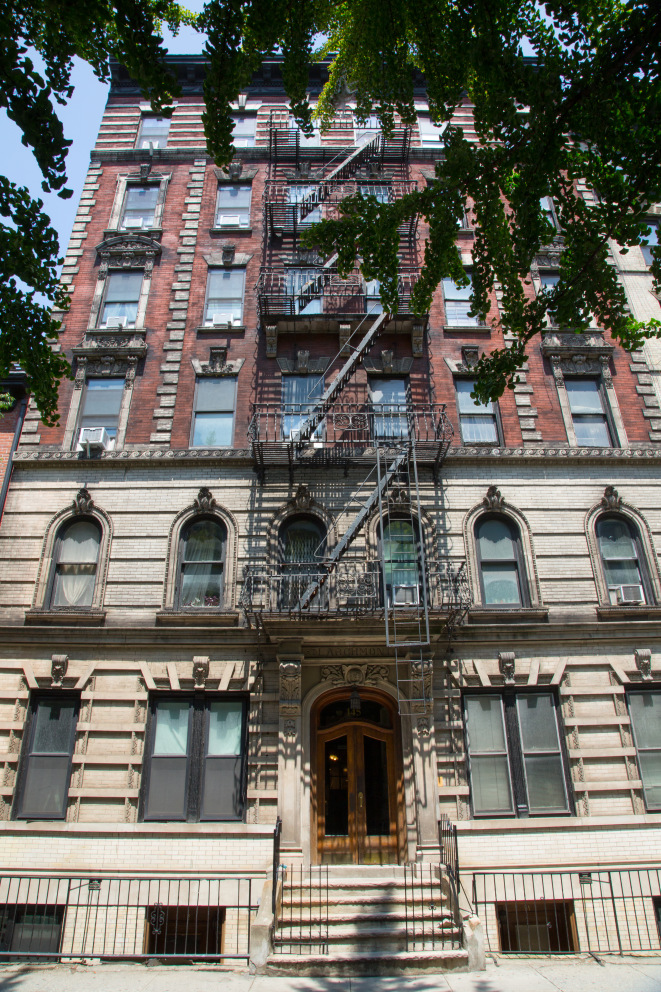
145 West 10 Street
West Village

535 East 14 Street
Stuyvesant Town/PCV

120 East 10 Street
East Village
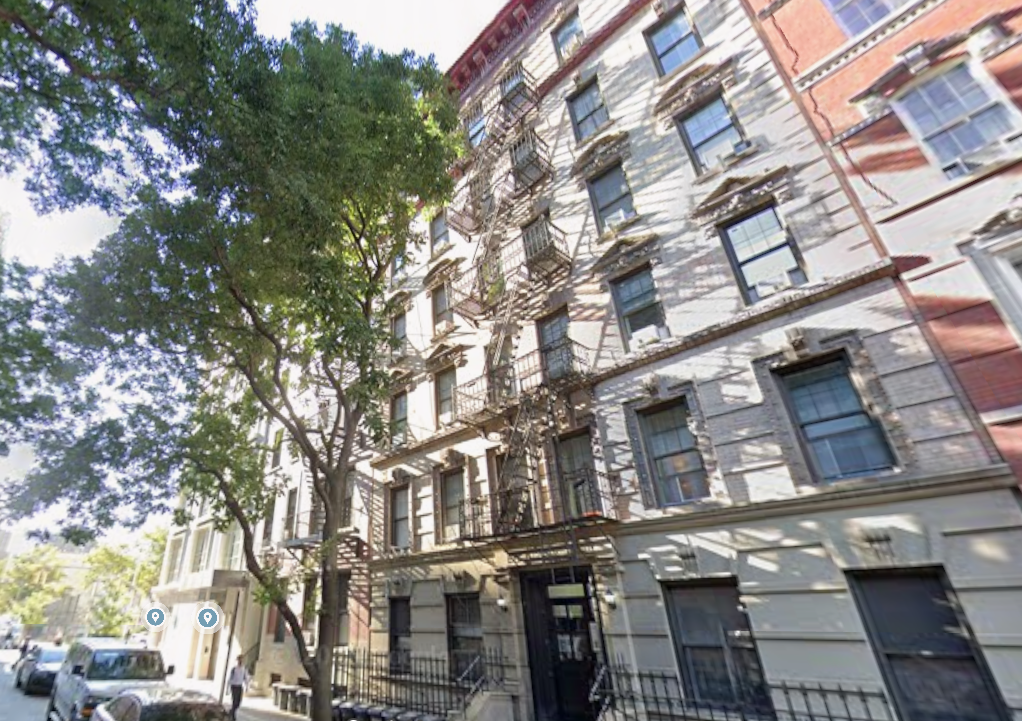
244 East 21 Street
Gramercy Park

7 Cornelia Street
West Village
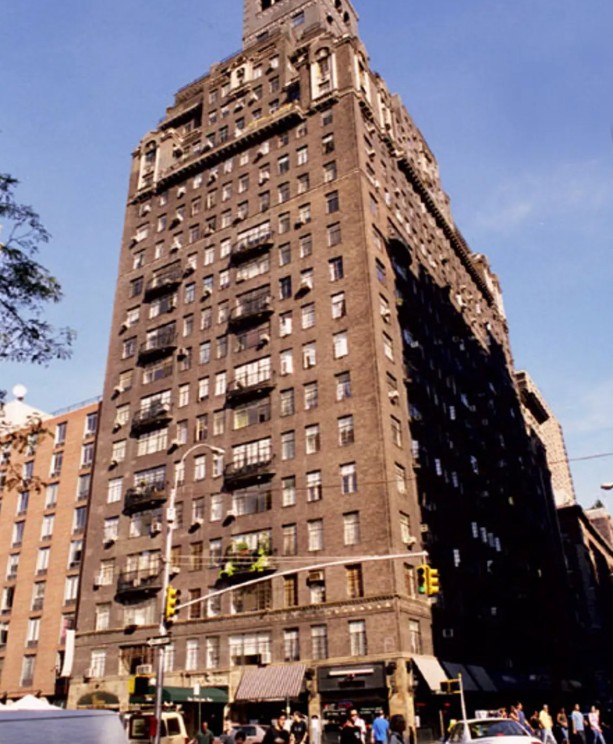
1 University Place
Greenwich Village

166 2 Avenue
East Village

345 East 12 Street
East Village
What to check before choosing a pre-war building near the L train in Manhattan
- Confirm the commute: check the exact stop(s) you’ll use and typical walking time from the building address to your platform entry.
- Verify the building’s condition for your unit: ask about recent work (windows, boiler/HVAC, plumbing, elevators) even if the building is pre-war.
- Check rent and move-in costs beyond the base rent (security deposit, broker fees, any move-in fees, and utility responsibility).
- Look closely at lease terms: renewal timing, rent changes, and any documented restrictions tied to your unit type.
- Use tenant Q&A and reviews to identify recurring issues (heat/hot water consistency, noise, building staff responsiveness), then ask for specifics for the exact unit.
- If you’re considering a viewing, ask what’s included in “pre-war” from the building’s perspective (renovation scope, layout changes, and any pest-prevention practices).