

Buildings with low open violation rates near the M15-SBS bus in NYC
This page highlights NYC buildings with low open violation rates near the M15-SBS bus, based on Openigloo’s building data. You can start with 2,917+ buildings that match this filter pair, then narrow by what matters to you before you commit. Openigloo helps you vet buildings using building-level history signals, tenant-submitted experience (where available), and structured information you can cross-check. Use the building page details and ask questions in context of the open-data signals, not just the asking price or photos.
Buildings with low open violation rates near the M15-SBS bus in NYC
Showing 1,333–1,350 of 2,915 buildings with low open violation rates near the M15-SBS bus in NYC.
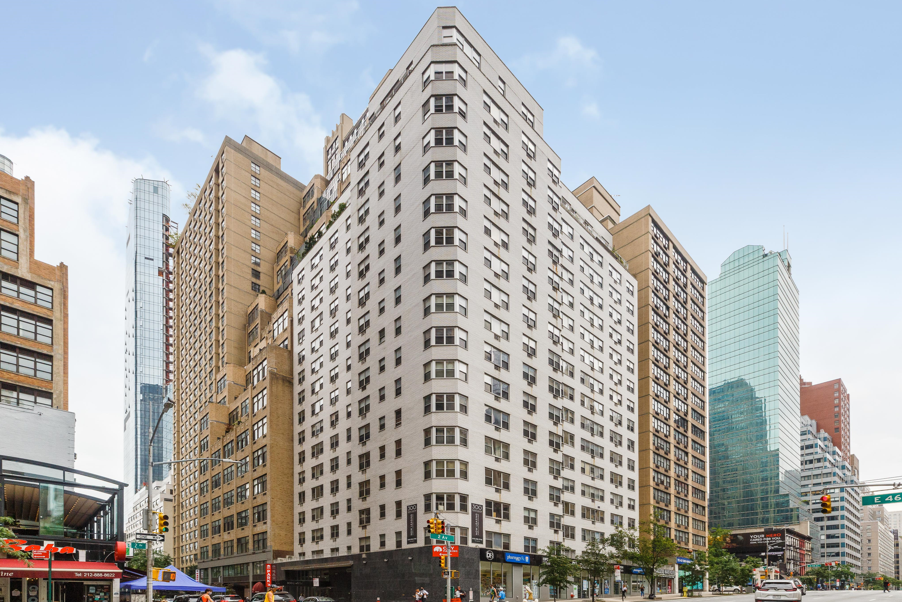
300 East 46 Street
Turtle Bay
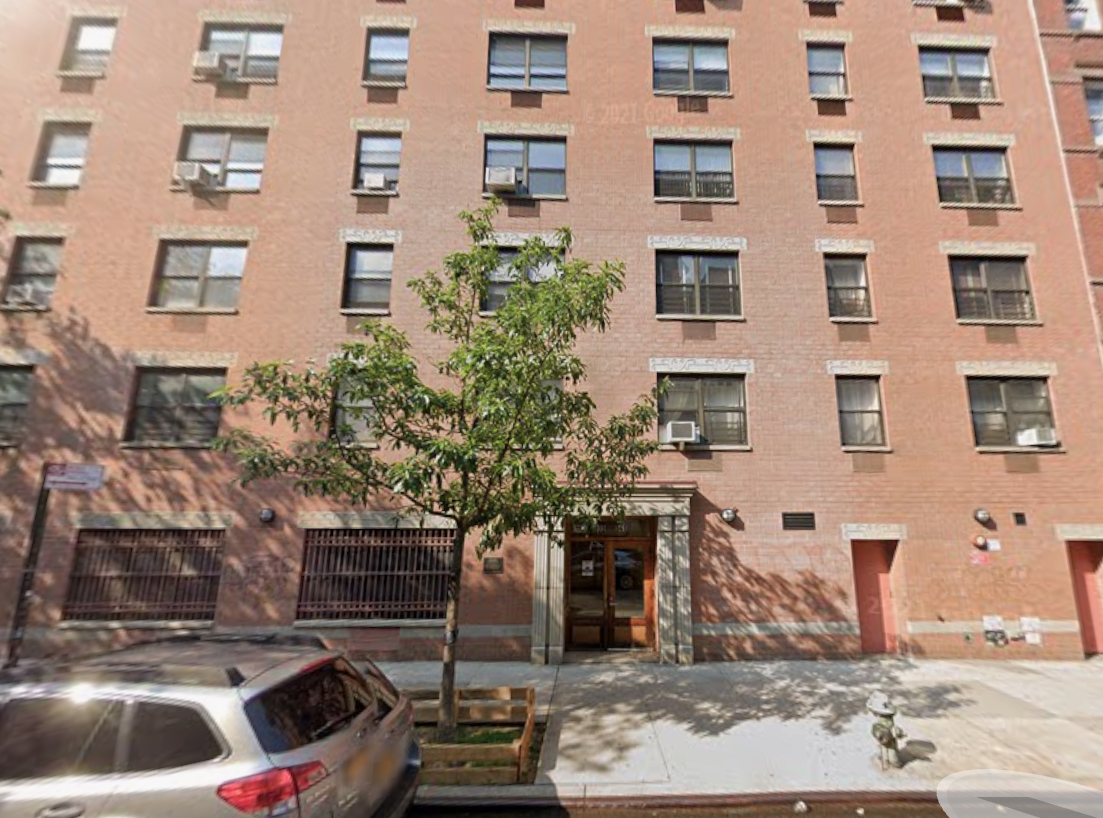
540 E 5 St
East Village
630 1 Avenue
Murray Hill

200 East 72 Street
Lenox Hill
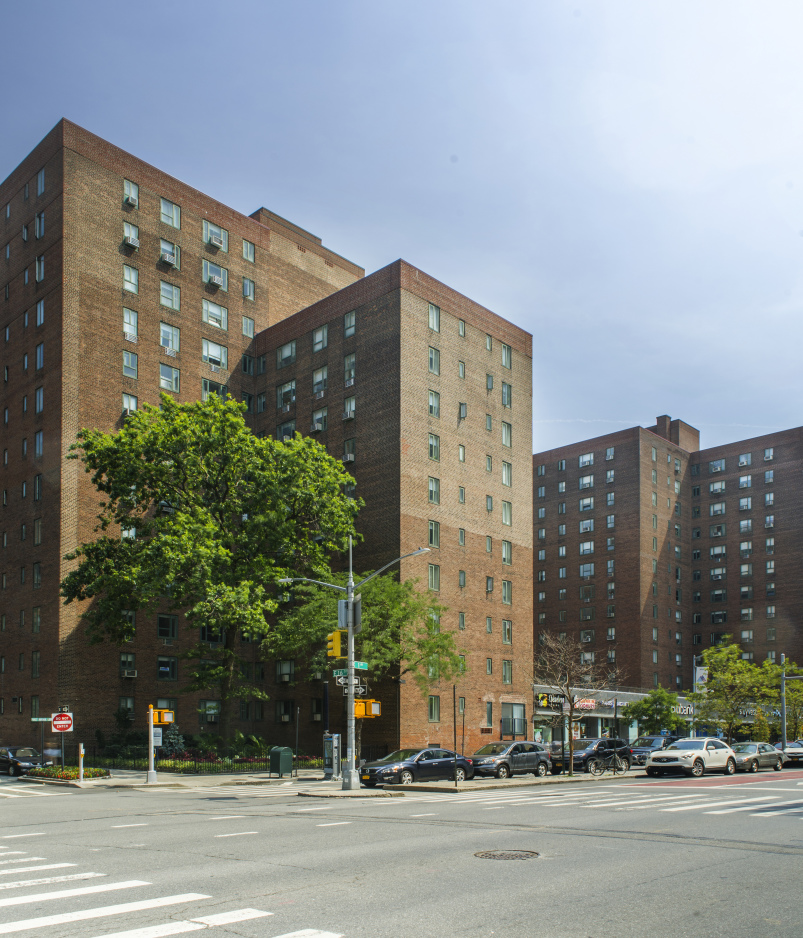
250 1 Avenue
Stuyvesant Town/PCV

215 East 95 Street
Yorkville

201 East 69 Street
Lenox Hill

75 Wall Street
Financial District

80 Delancey Street
Lower East Side

175 E 96 St
Carnegie Hill

117 East 7 Street
East Village
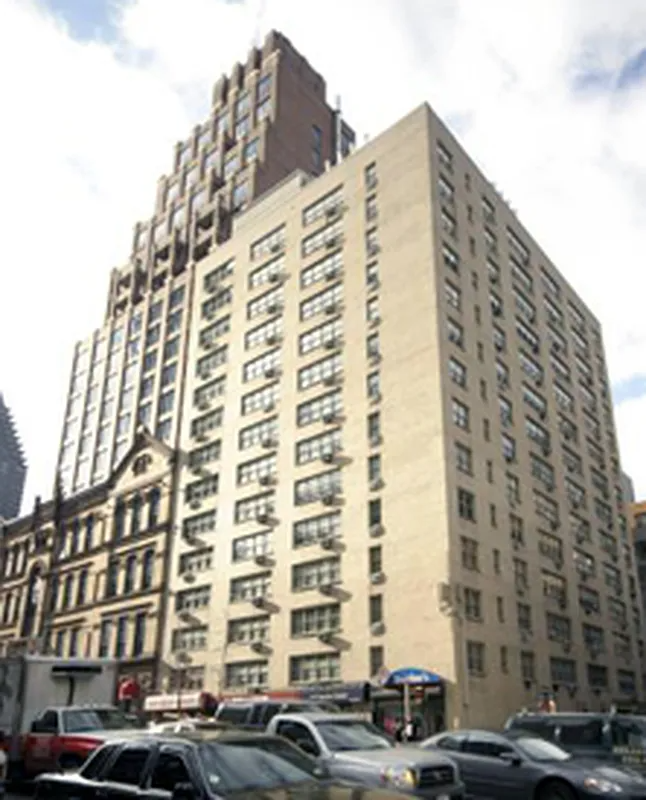
350 East 52 Street
Turtle Bay
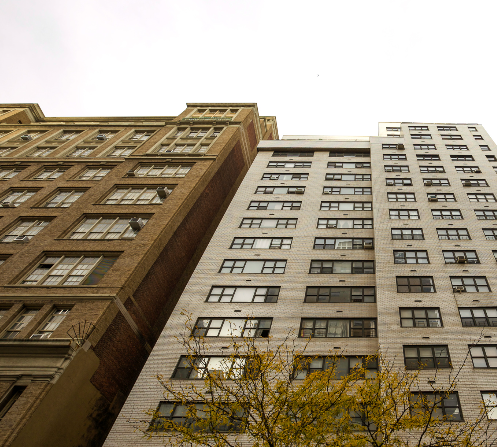
145 East 16 Street
Gramercy Park

429 East 52 Street
Turtle Bay
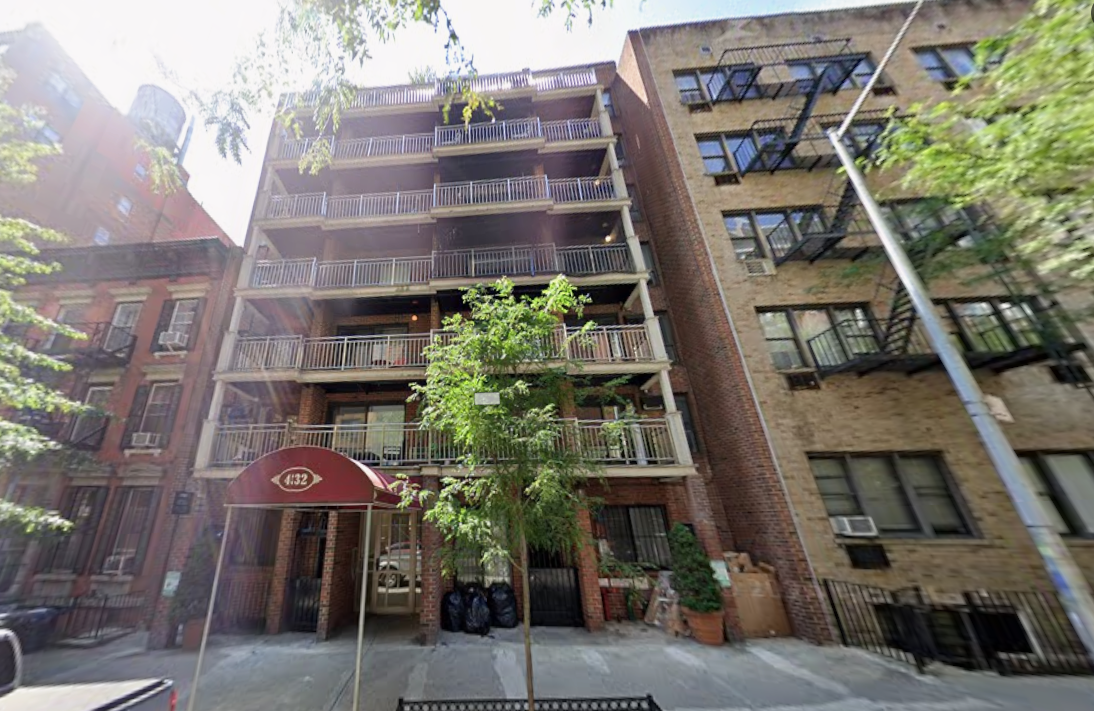
432 East 88 Street
Yorkville
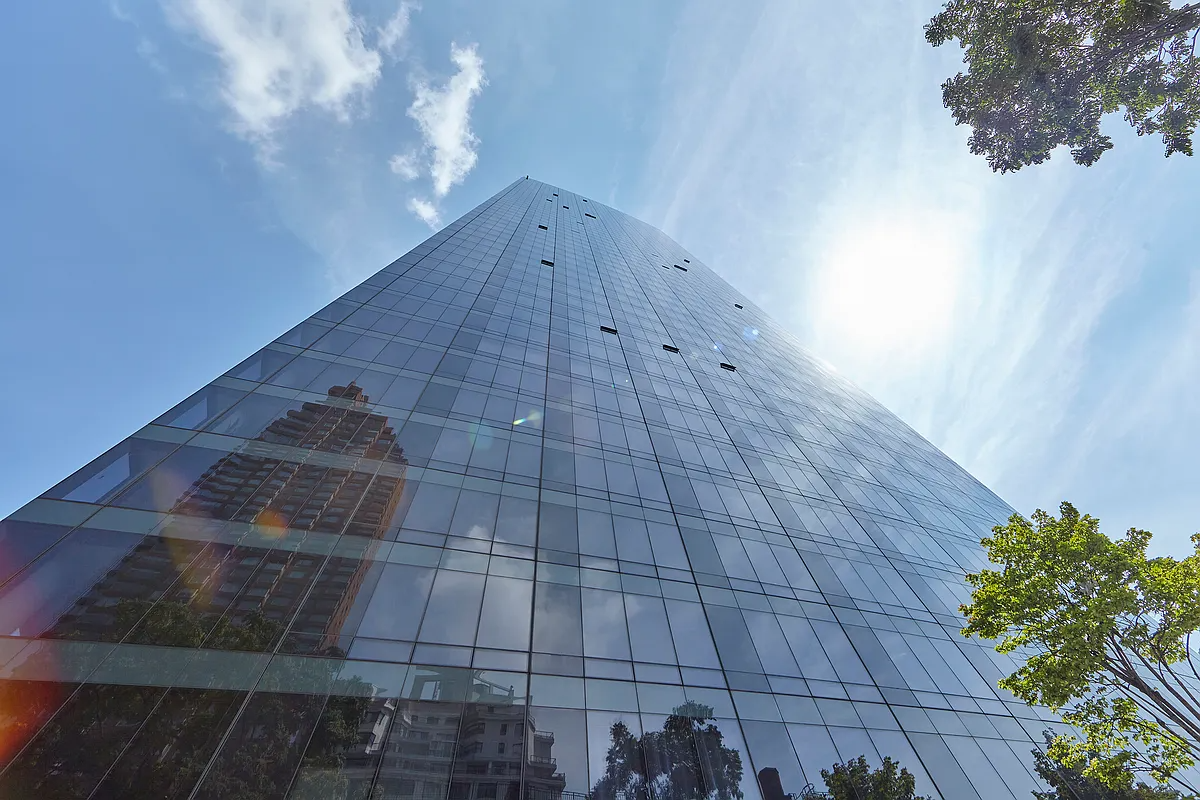
530 East 73 Street
Lenox Hill
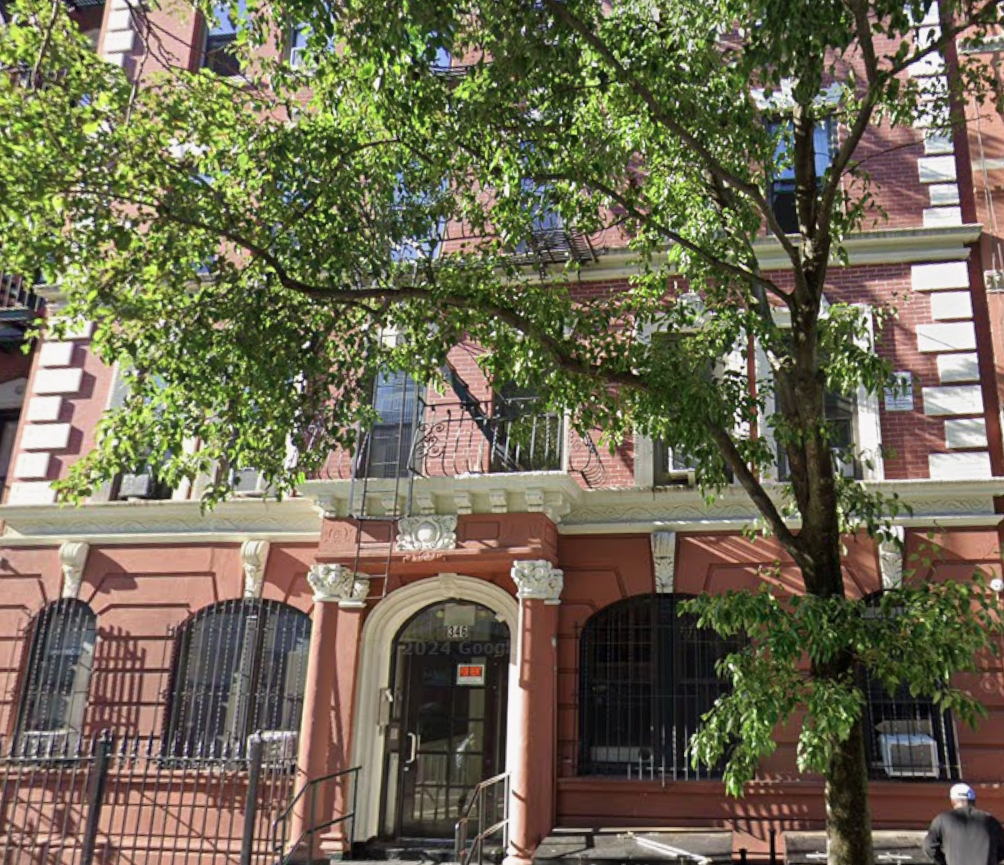
346 E 13 St
East Village

107 St Marks Place
East Village
What to check before choosing a building with low open violation rates near the M15-SBS bus in NYC
- Confirm the exact address and building entrance distance to the M15-SBS stop you plan to use, since “near” can vary by block.
- If a building flags as low-open-violations, still read the latest notes on the building page and ask management about the current status and remediation timeline for any active issues.
- Look for what’s actually included with the apartment: utilities, maintenance responsiveness, and any building rules that affect your daily routine.
- Check lease terms and move-in costs (security deposit, broker fee, and any non-refundable fees) before you schedule a viewing.
- Use the Openigloo details and tenant Q&A to verify practical concerns like pests, heat/hot water reliability, and turnaround times for repairs.
- Treat “low open violations” as a screening signal, not a guarantee—conditions can change faster than open-record updates.