

Buildings with high tenant retention in Manhattan
This page narrows Manhattan buildings that show high tenant retention—3,555+ buildings matching the signal in Openigloo. Use it to focus your search on properties where tenants tend to stay, then verify details that affect your lease and monthly cost. Openigloo helps you evaluate buildings with renter-first reviews, building-level context, and tenant questions you can use to confirm expectations before signing. The high-retention filter is a starting point based on observable tenant-stay patterns, not a guarantee of any specific unit condition or rent outcome.
Buildings with high tenant retention in Manhattan
Showing 109–126 of 3,555 buildings with high tenant retention in Manhattan.

194 East 2 Street
East Village
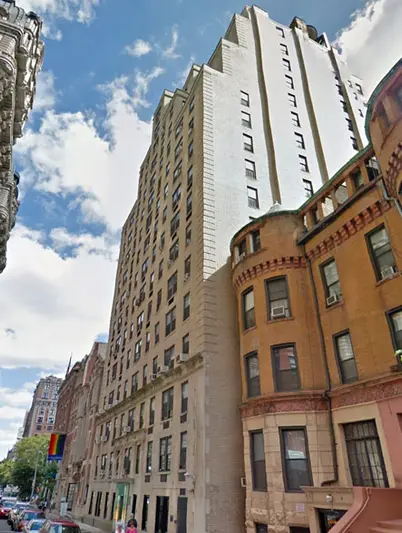
240 West 73 Street
Upper West Side
1309 5 Avenue
South Harlem

515 9 Avenue
Hudson Yards

120 West 21 Street
Chelsea

450 W 17 St
West Chelsea

345 East 94 Street
Yorkville

220 West 98 Street
Upper West Side
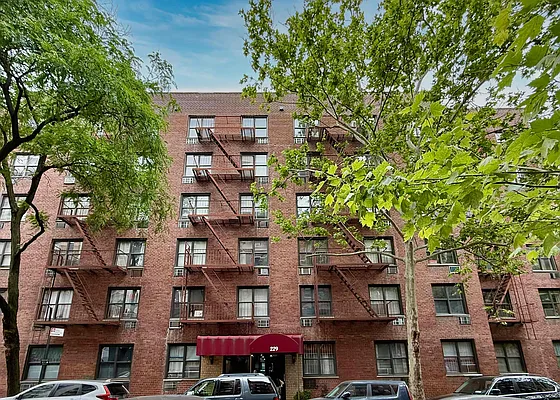
229 E 29 St
Kips Bay

245 E 44 St
Turtle Bay

414 West 52 Street
Hell's Kitchen
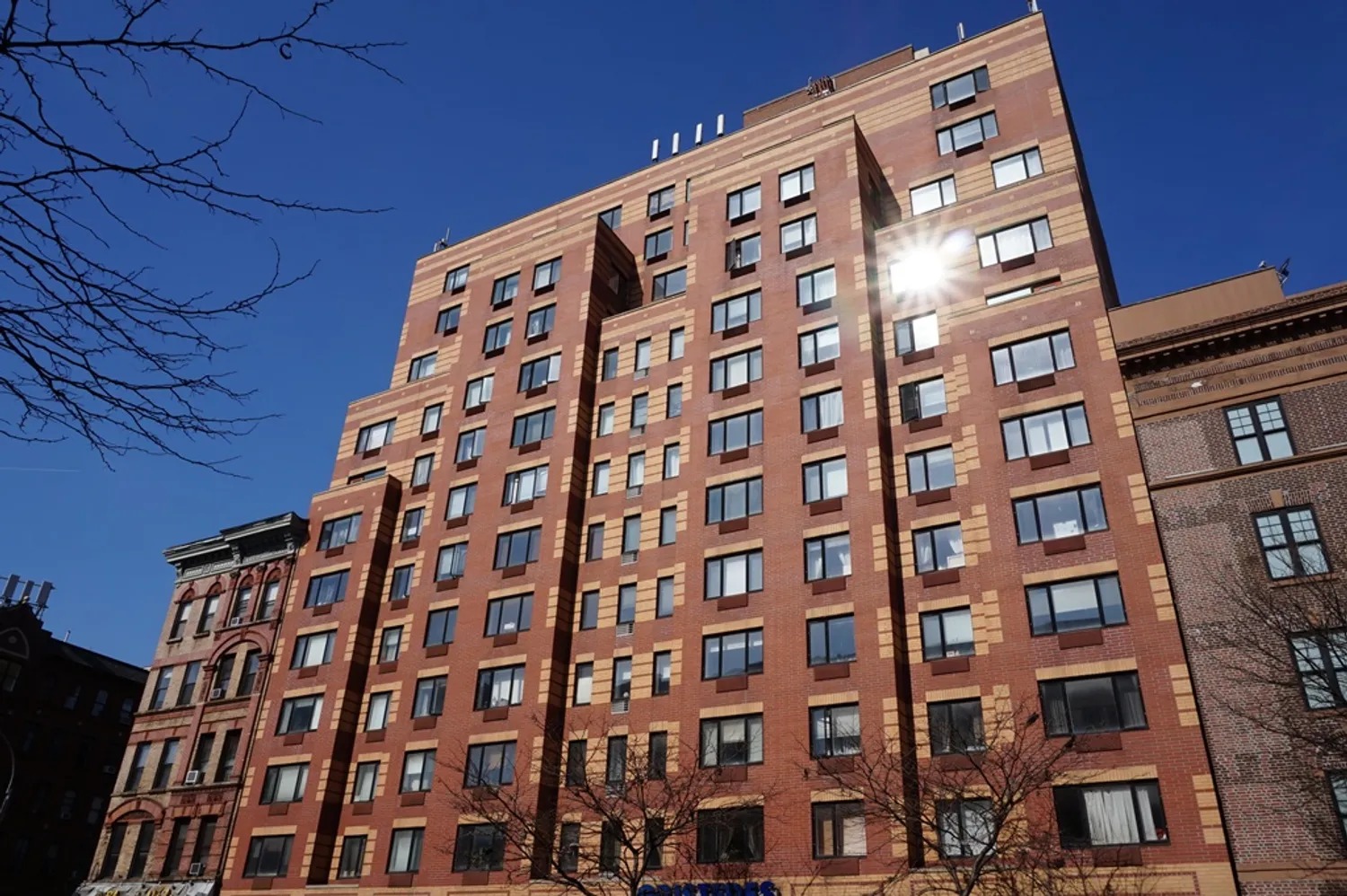
303 West 21 Street
Chelsea
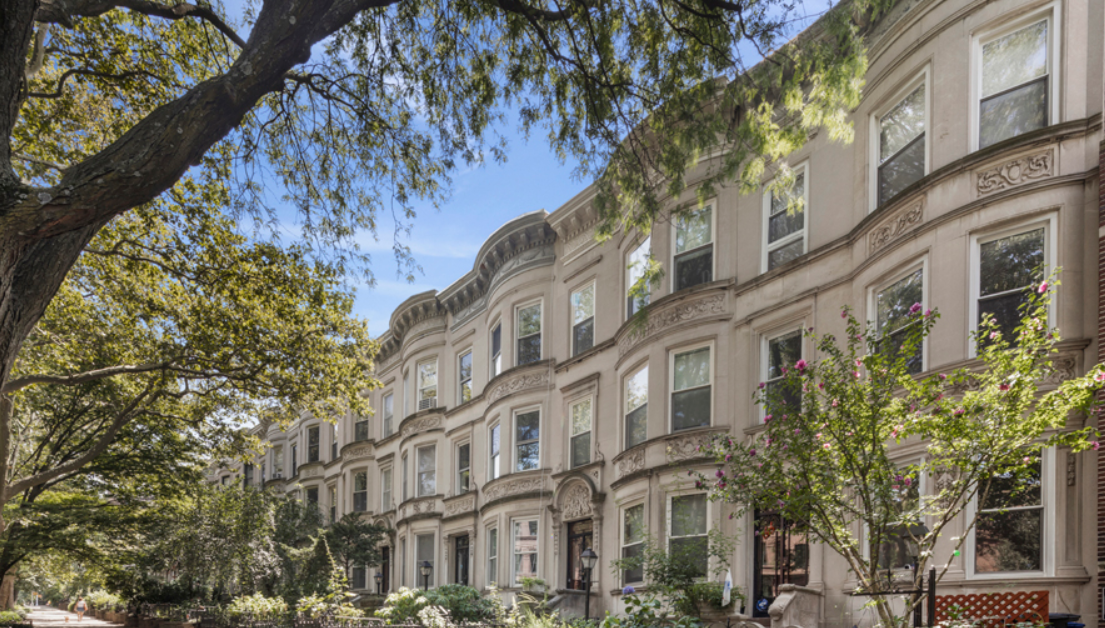
165 East 35 Street
Murray Hill
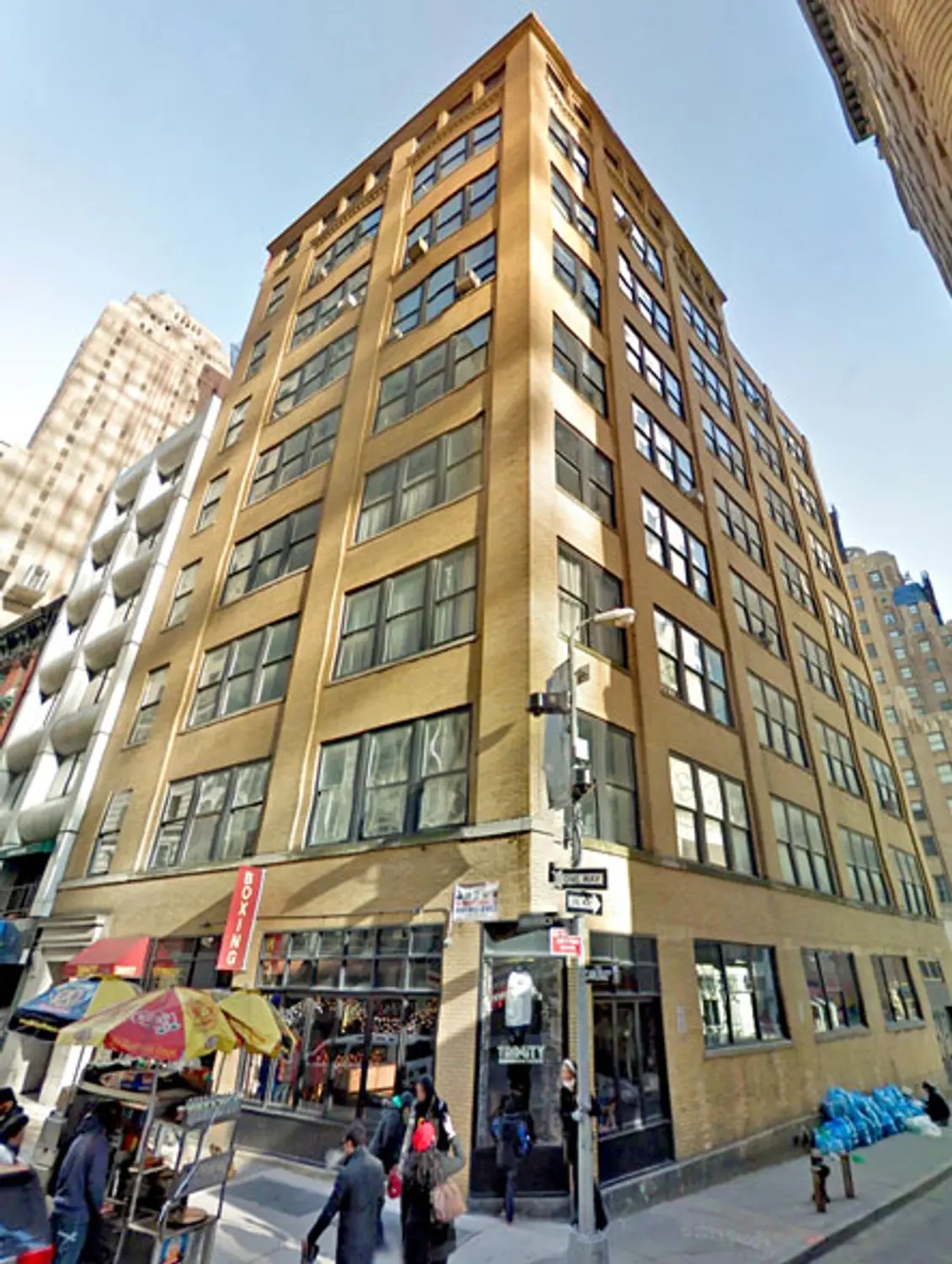
110 Greenwich Street
Financial District
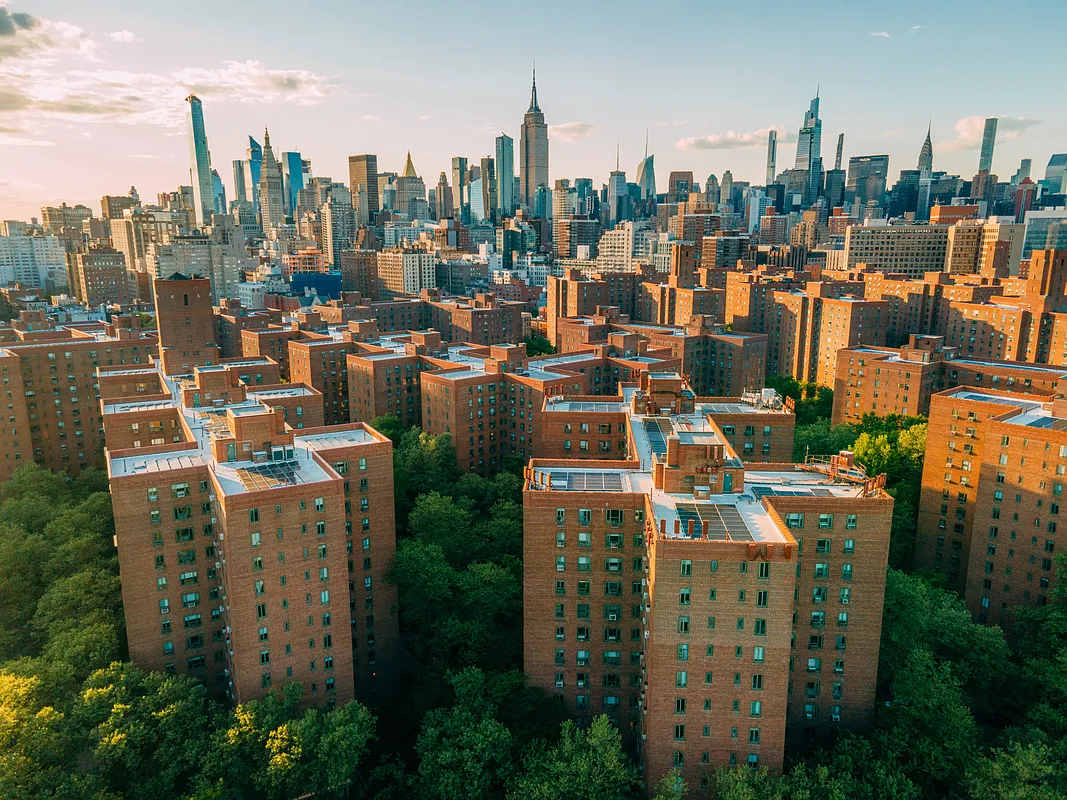
17 Stuyvesant Oval
Stuyvesant Town/PCV

124 West 60 Street
All Upper West Side

1675 York Avenue
Yorkville

1 Columbus Place
Hell's Kitchen
What to check before choosing a building with high tenant retention in Manhattan
- Start with the retention signal, then check unit-level facts like layout, light, noise, and whether the building meets your move-in timeline.
- Confirm lease terms and renewal process directly with the building or broker, even if the building has strong tenant retention.
- Use tenant Q&A and review notes to identify recurring issues (maintenance turnaround, elevator reliability, building management responsiveness).
- Ask about full monthly costs beyond rent: typical deposits, any move-in fees, parking or laundry charges, and utilities you may be responsible for.
- If you’re touring, review the most recent conditions in-person (water pressure, pests, HVAC performance, cleanliness) since signals reflect patterns over time, not today’s state.