

Buildings highly rated for water pressure near the M train in Manhattan
Find buildings highly rated for water pressure near the M train in Manhattan. This page includes 577+ buildings matched to the “best-water-pressure” signal, plus the M-train corridor filter. Openigloo brings together building-level ratings from renters, open-data signals, and tenant-to-tenant Q&A so you can sanity-check what “good water pressure” means in everyday use. Instead of relying on marketing language, you can compare feedback patterns across buildings and ask practical questions before you sign a lease.
Buildings highly rated for water pressure near the M train in Manhattan
Showing 55–72 of 577 buildings highly rated for water pressure near the M train in Manhattan.
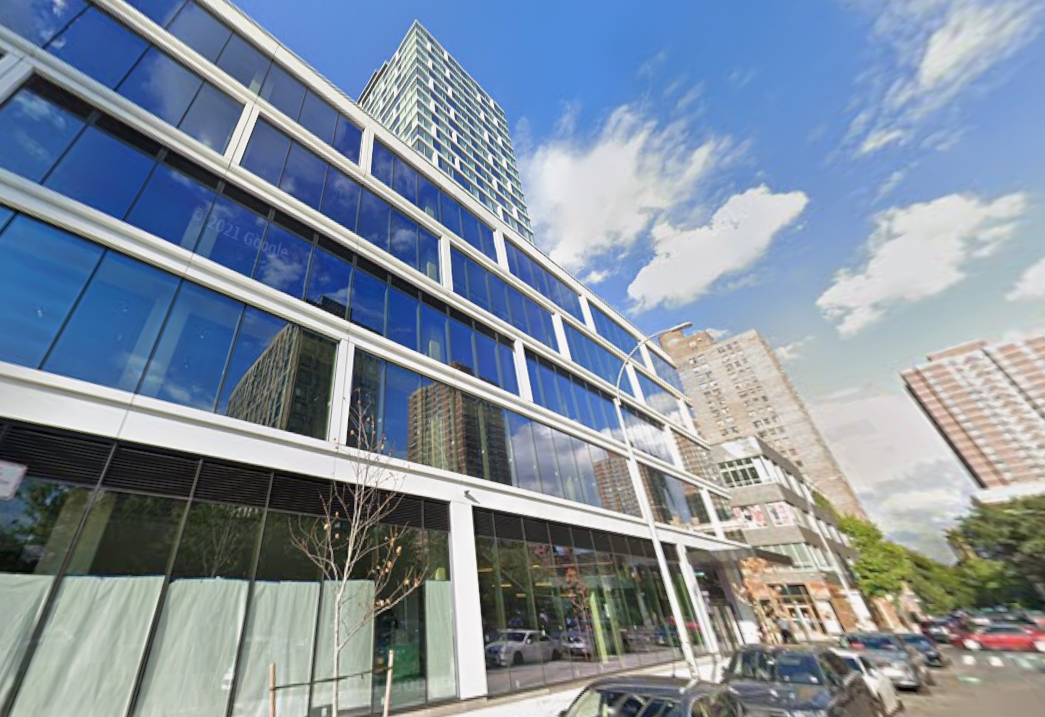
188 Broome Street
Lower East Side
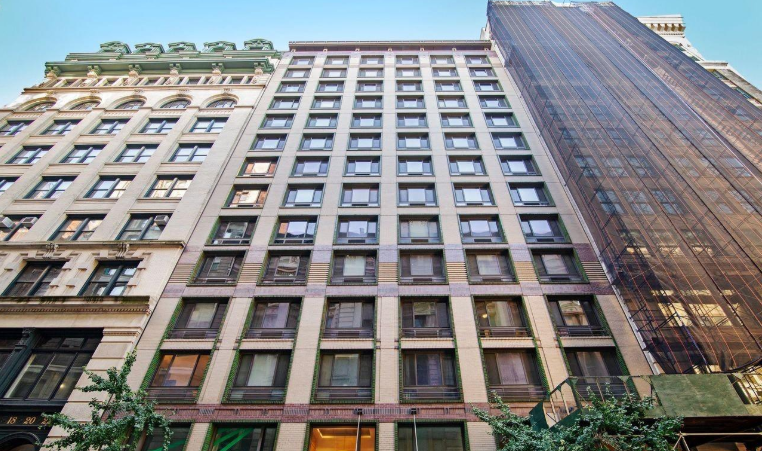
30 West 18 Street
Flatiron
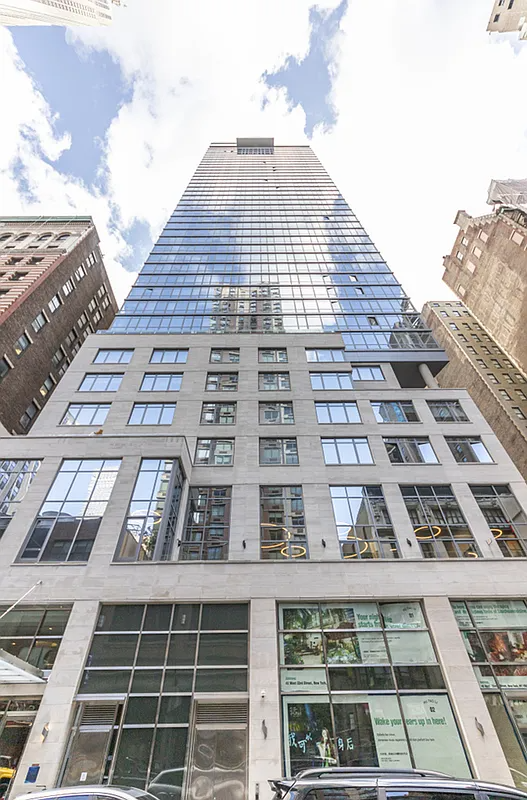
42 West 33 Street
Midtown South
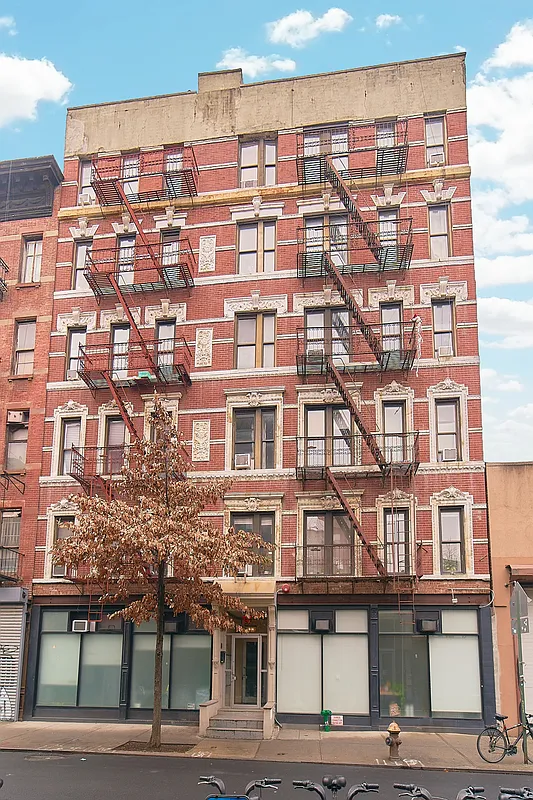
157 Suffolk Street
Lower East Side
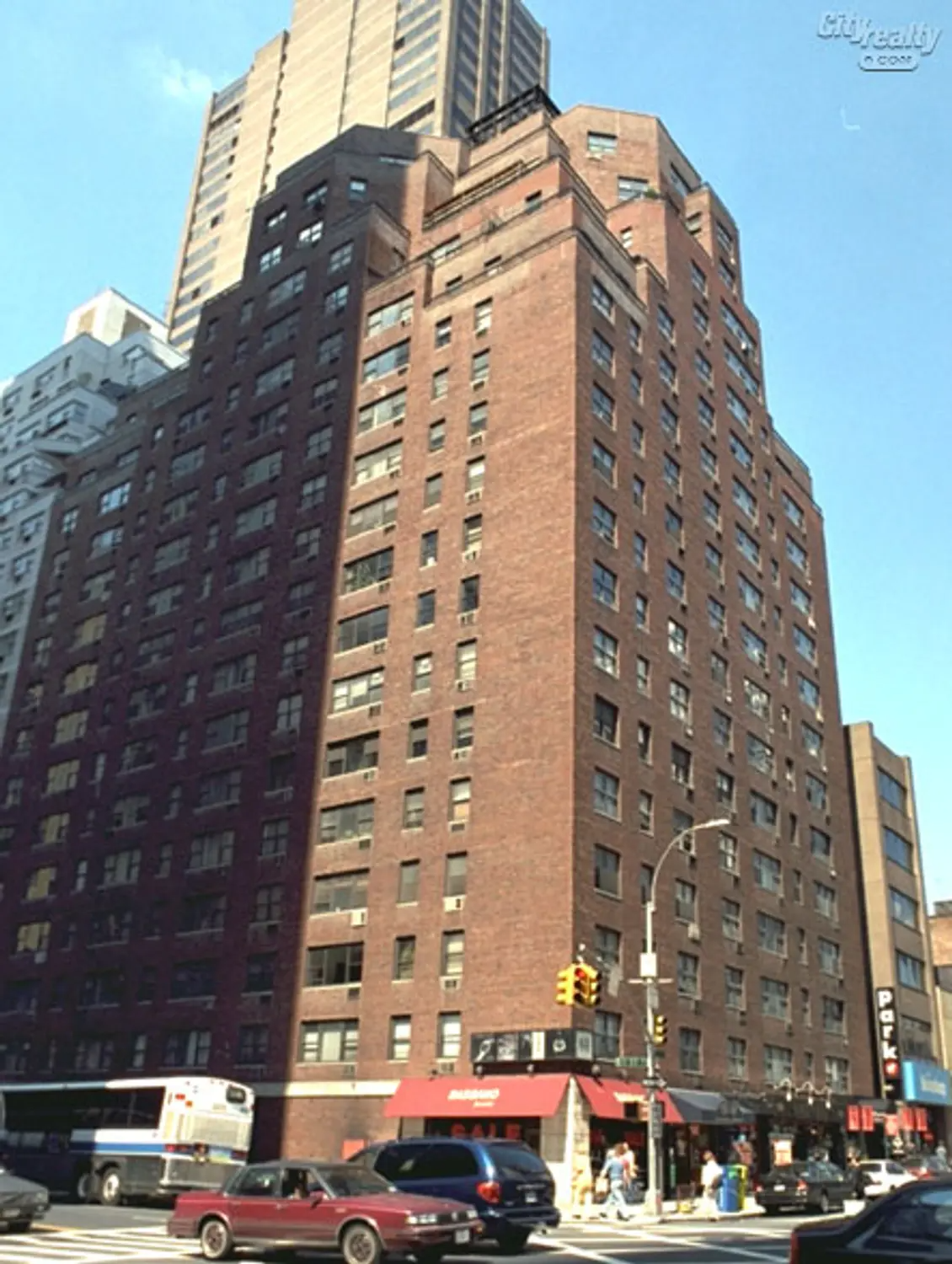
157 East 57 Street
Sutton Place

405 E 56 St
Sutton Place

10 East 29 Street
NoMad

11 East 1 Street
East Village

55 W 25 St
NoMad
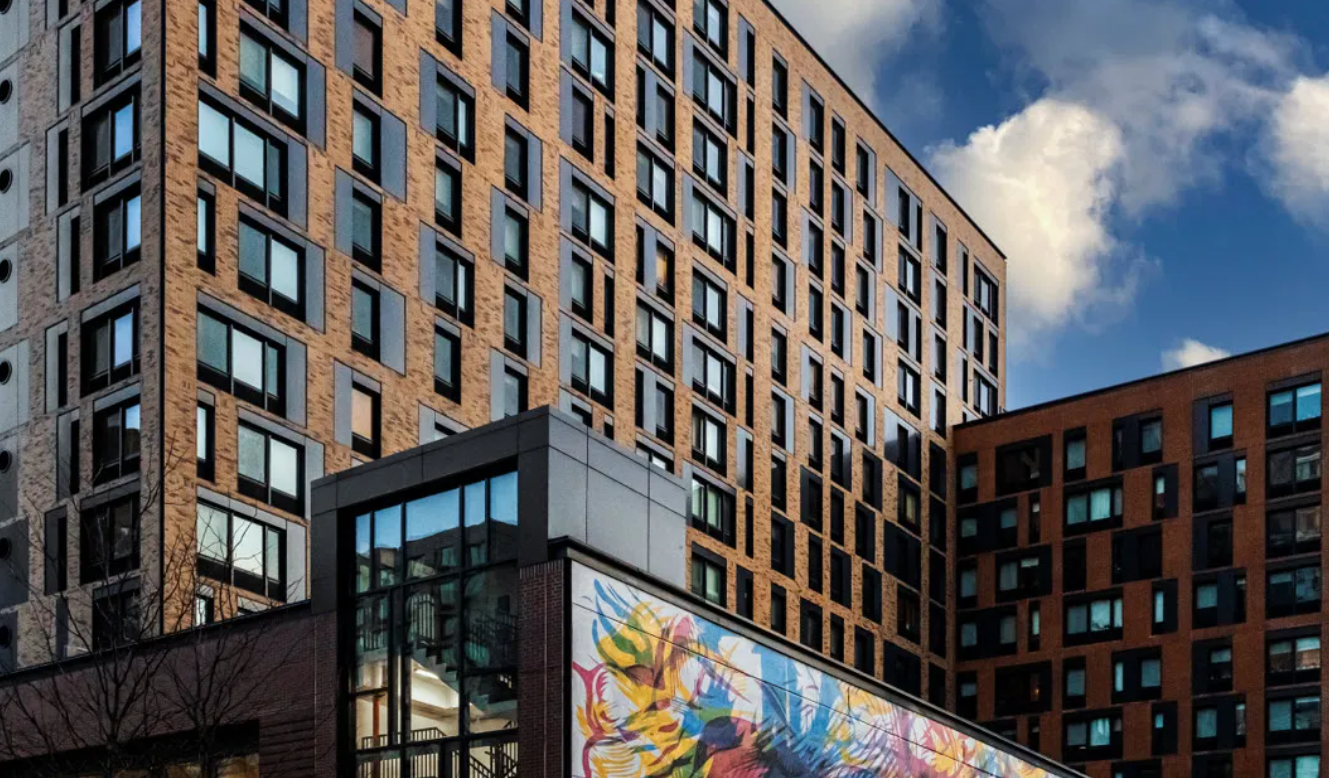
145 Clinton Street
Lower East Side

150 East 57 Street
Sutton Place

24 5 Avenue
Greenwich Village
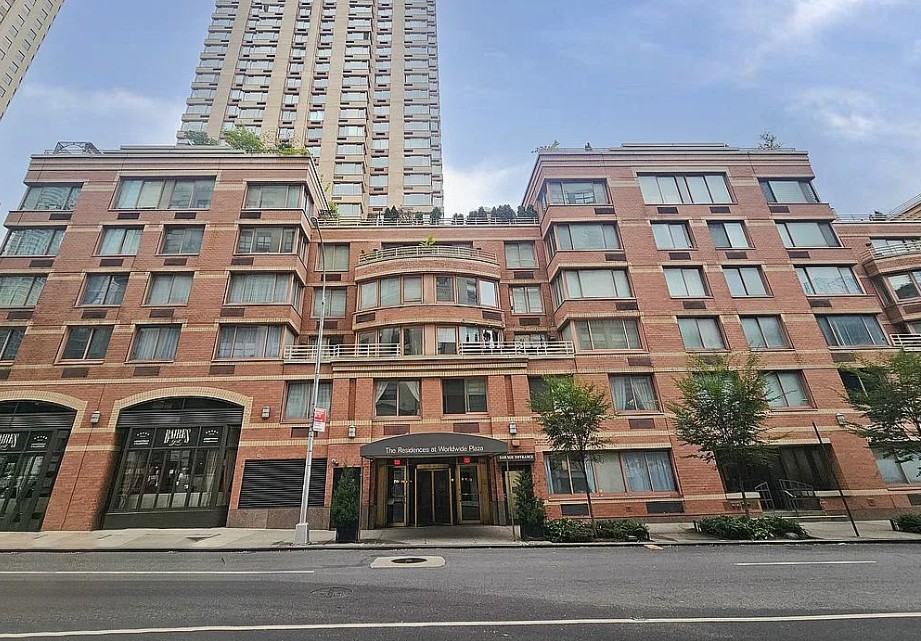
350 W 50 St
Hell's Kitchen

101 West 55 Street
Midtown
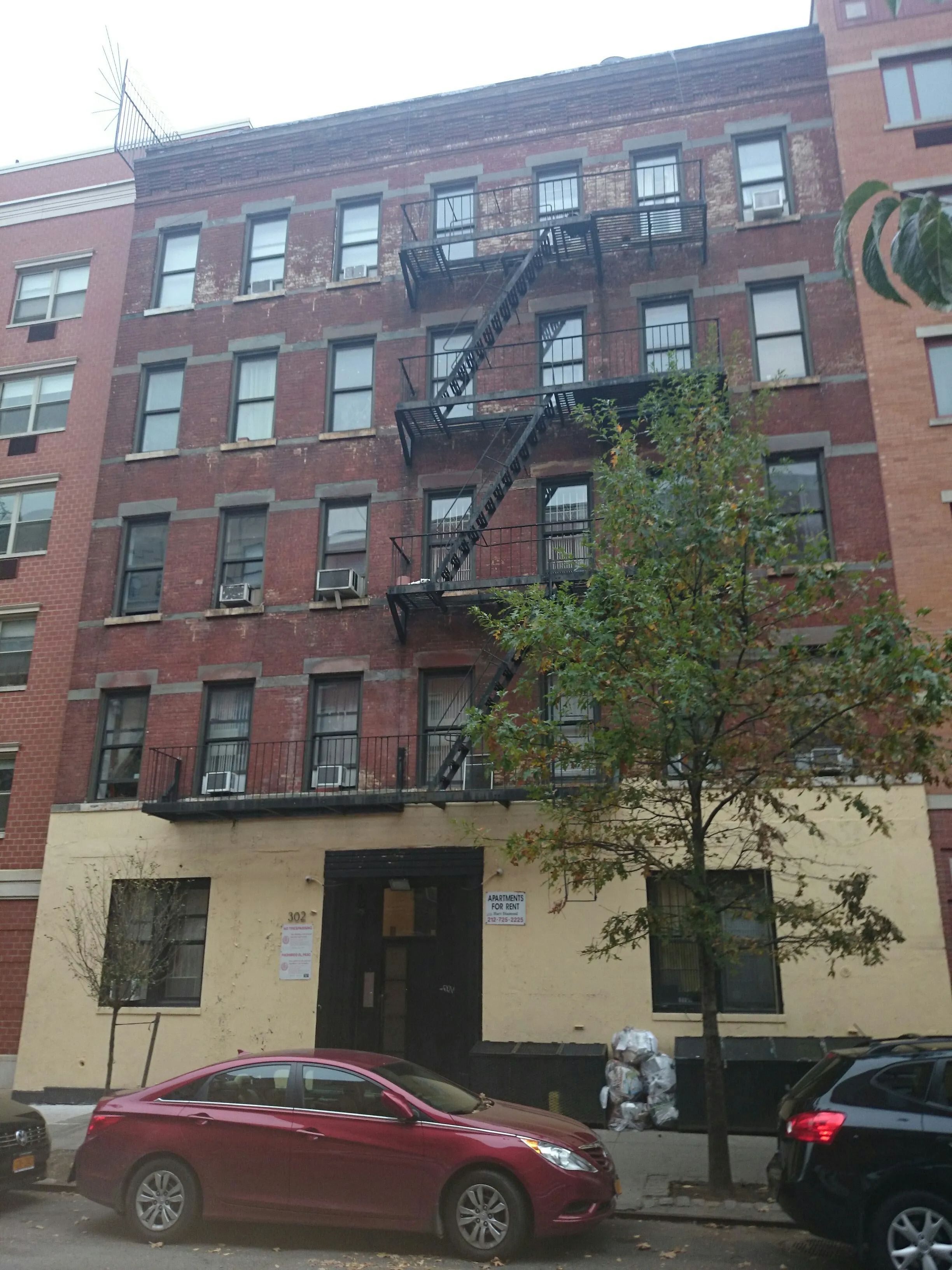
302 East 3 Street
East Village
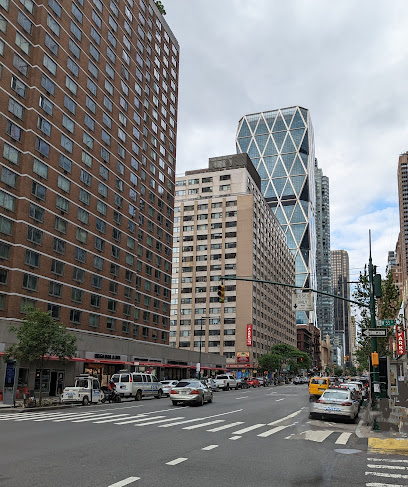
888 8 Avenue
Midtown

100 West 26 Street
Chelsea
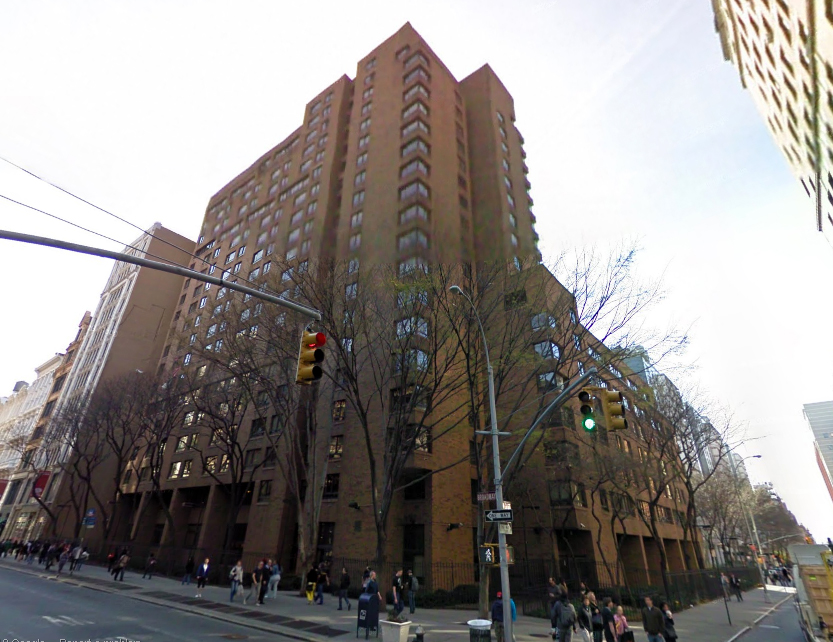
240 Mercer Street
Greenwich Village
What to check before choosing a building highly rated for water pressure near the M train in Manhattan
- Use the water-pressure filter as a starting point, then confirm unit-level details with the super or leasing office (current water pressure can vary by floor and maintenance history).
- Before touring, ask how the building handles pressure issues (common causes include aging plumbing, valve settings, and maintenance response times).
- Look at how recent the water-pressure feedback is in Openigloo for each building; if the latest comments are older, request an on-site test.
- If a building is farther from the M line than you expected, check the exact address and walking time; the corridor match should align with your commute.
- Before signing, clarify any building policy that affects utilities and access (for example, timing windows for plumbing work and whether access is required for repairs).