

Buildings with low open violation rates near the B train in NYC
This page helps you find buildings with low open violation rates near the B train in NYC. Eligible buildings: 7,880+. The filters combine proximity to the B line with low open violation signals from NYC open records. Openigloo makes it easier to compare buildings by pairing these open-data signals with what renters share and what you can verify. Use building pages, ratings from rated buildings, and renter-focused context like recent questions and tenant Q&A so you know what to ask before you sign a lease.
Buildings with low open violation rates near the B train in NYC
Showing 5,131–5,148 of 7,880 buildings with low open violation rates near the B train in NYC.
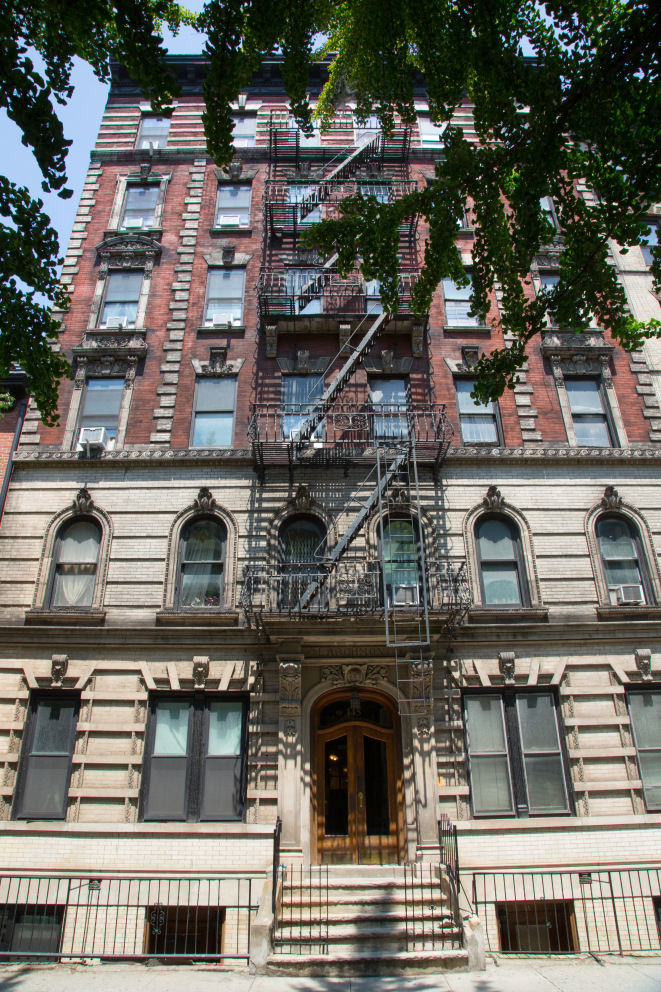
145 West 10 Street
West Village
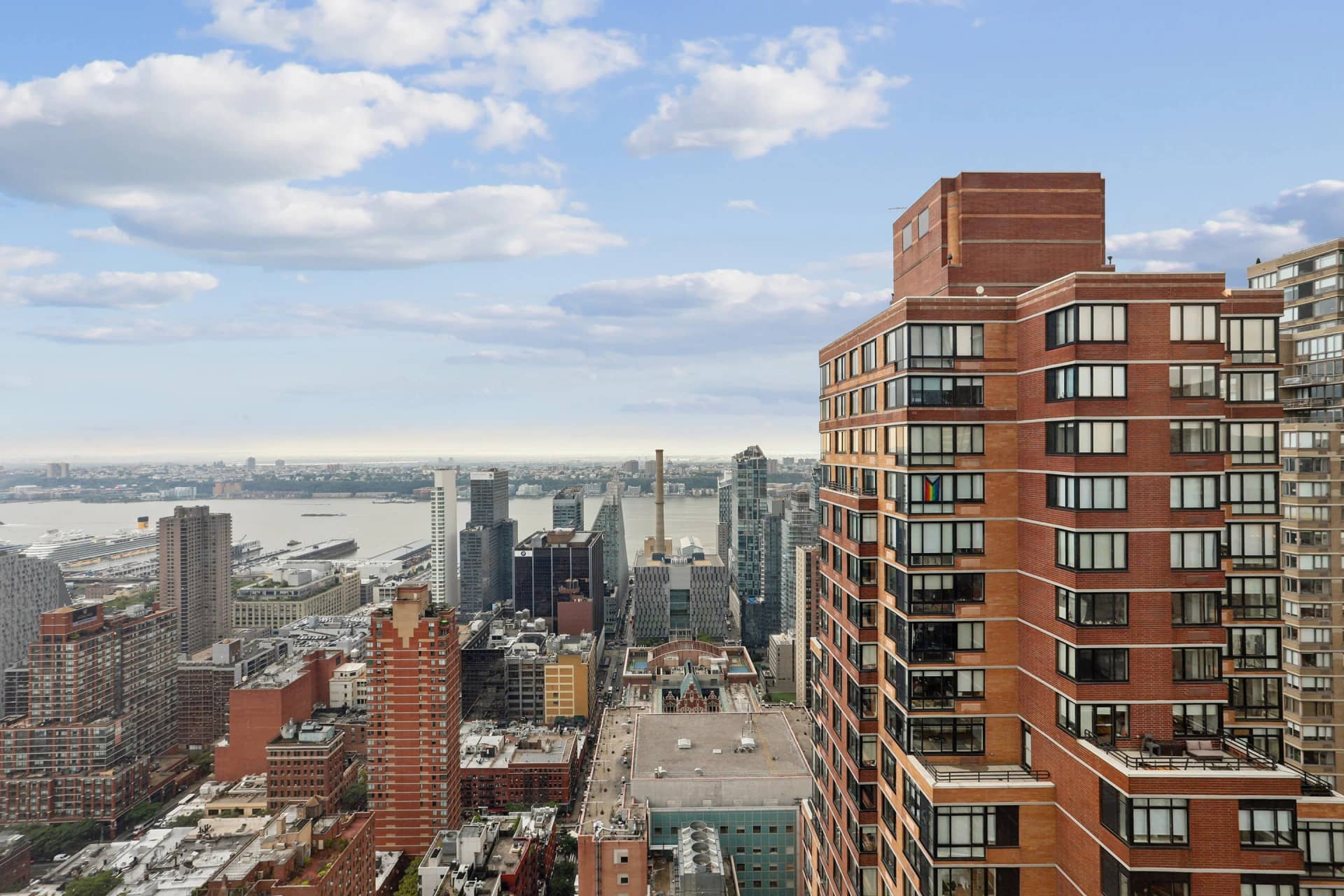
1 Columbus Place
Hell's Kitchen
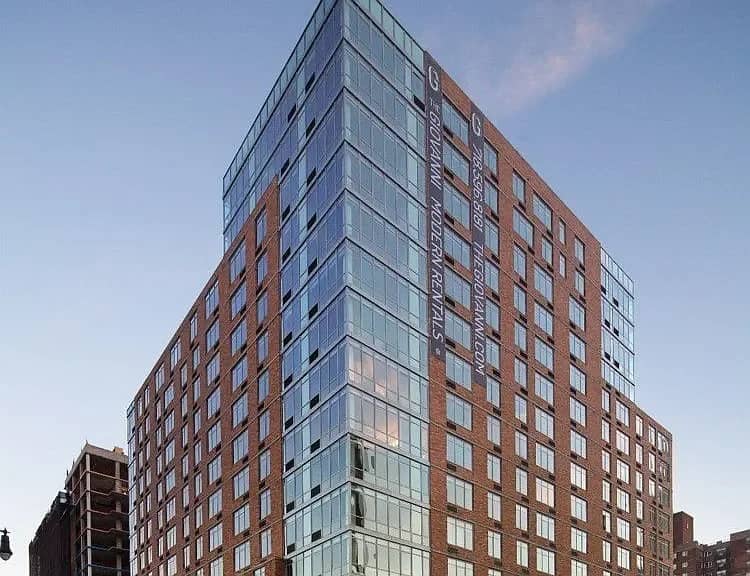
81 Fleet Place
Downtown Brooklyn
300 West 49 Street
Hell's Kitchen
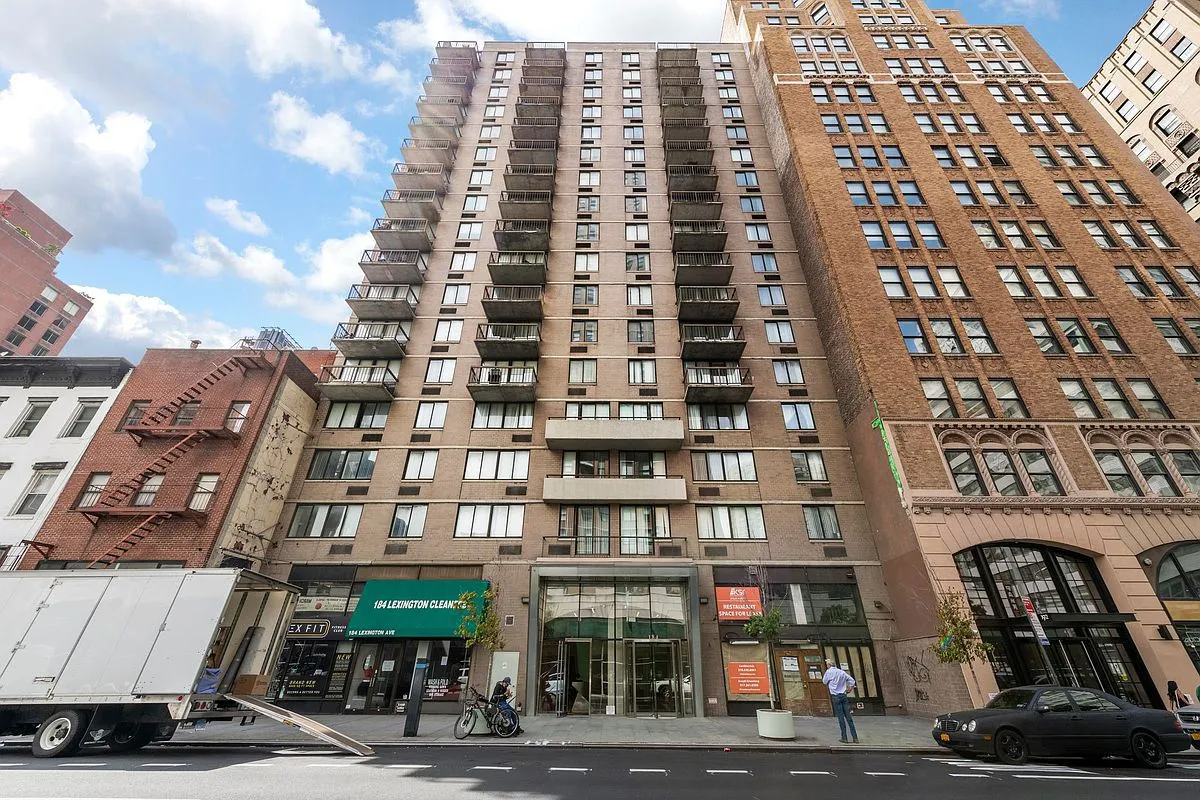
184 Lexington Avenue
Midtown East
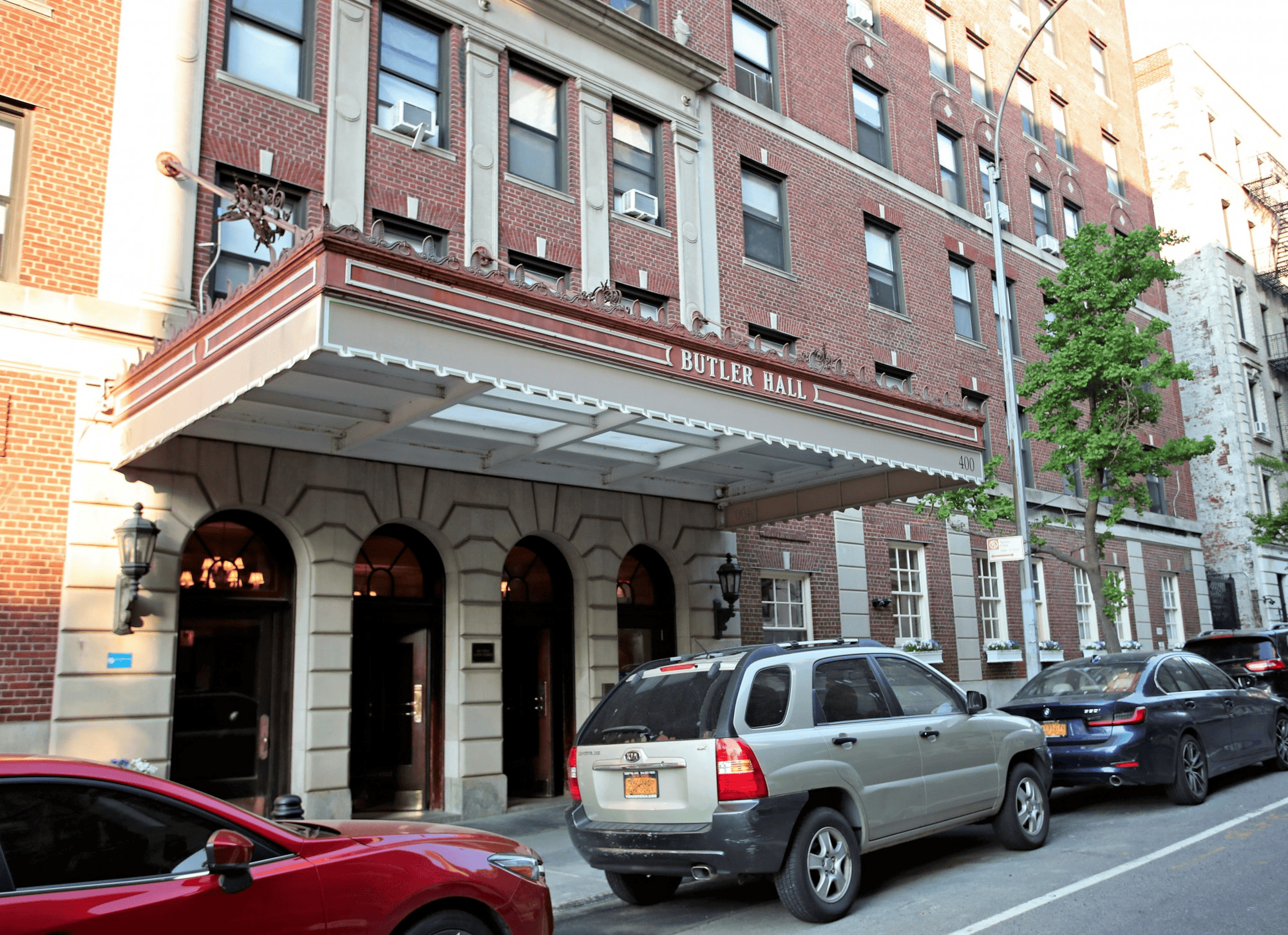
400 West 119 Street
Morningside Heights
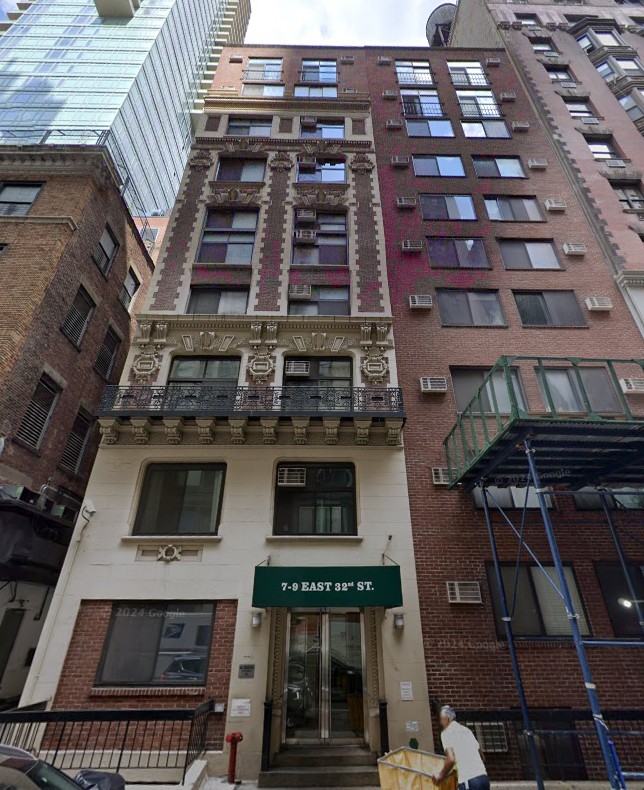
7 East 32 Street
Midtown South
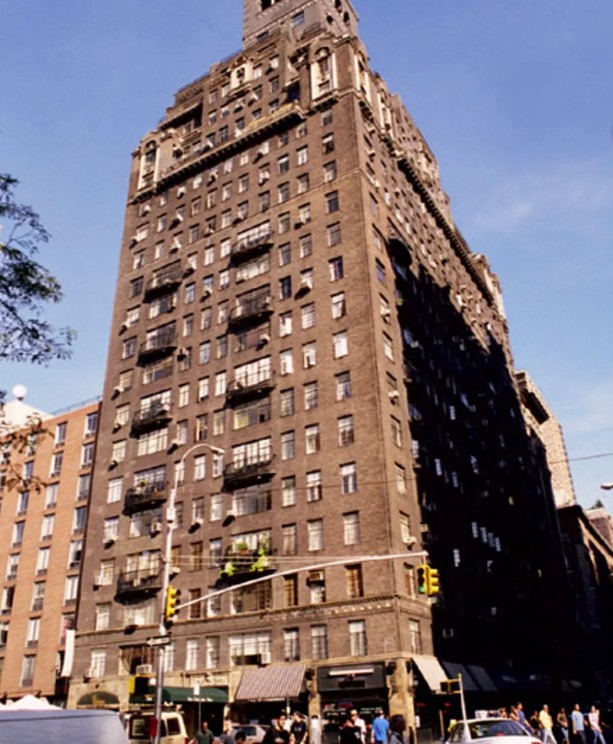
1 University Place
Greenwich Village
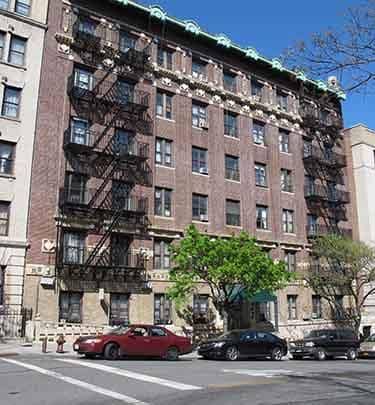
45 Tiemann Place
Morningside Heights
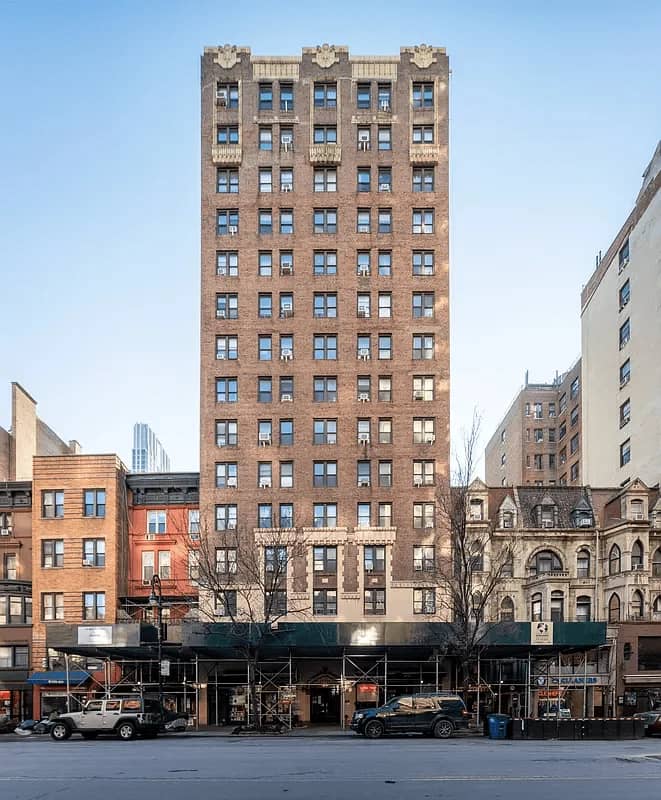
244 West 72 Street
Upper West Side
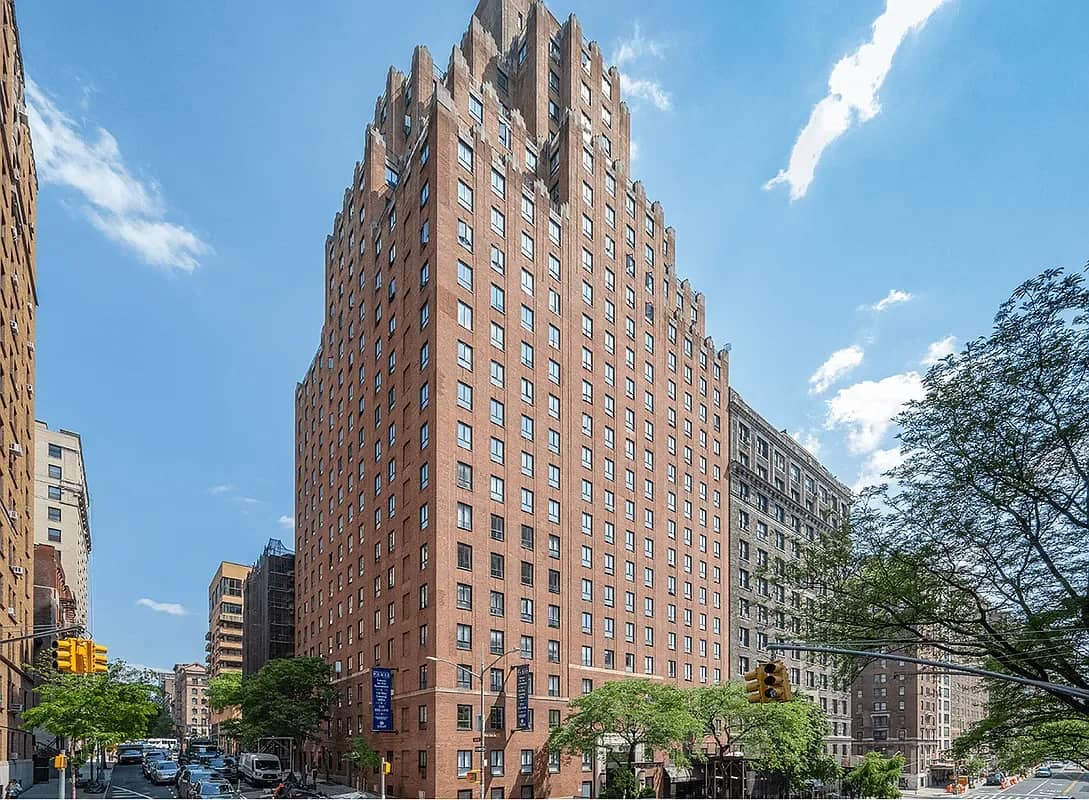
752 W End Ave
Upper West Side
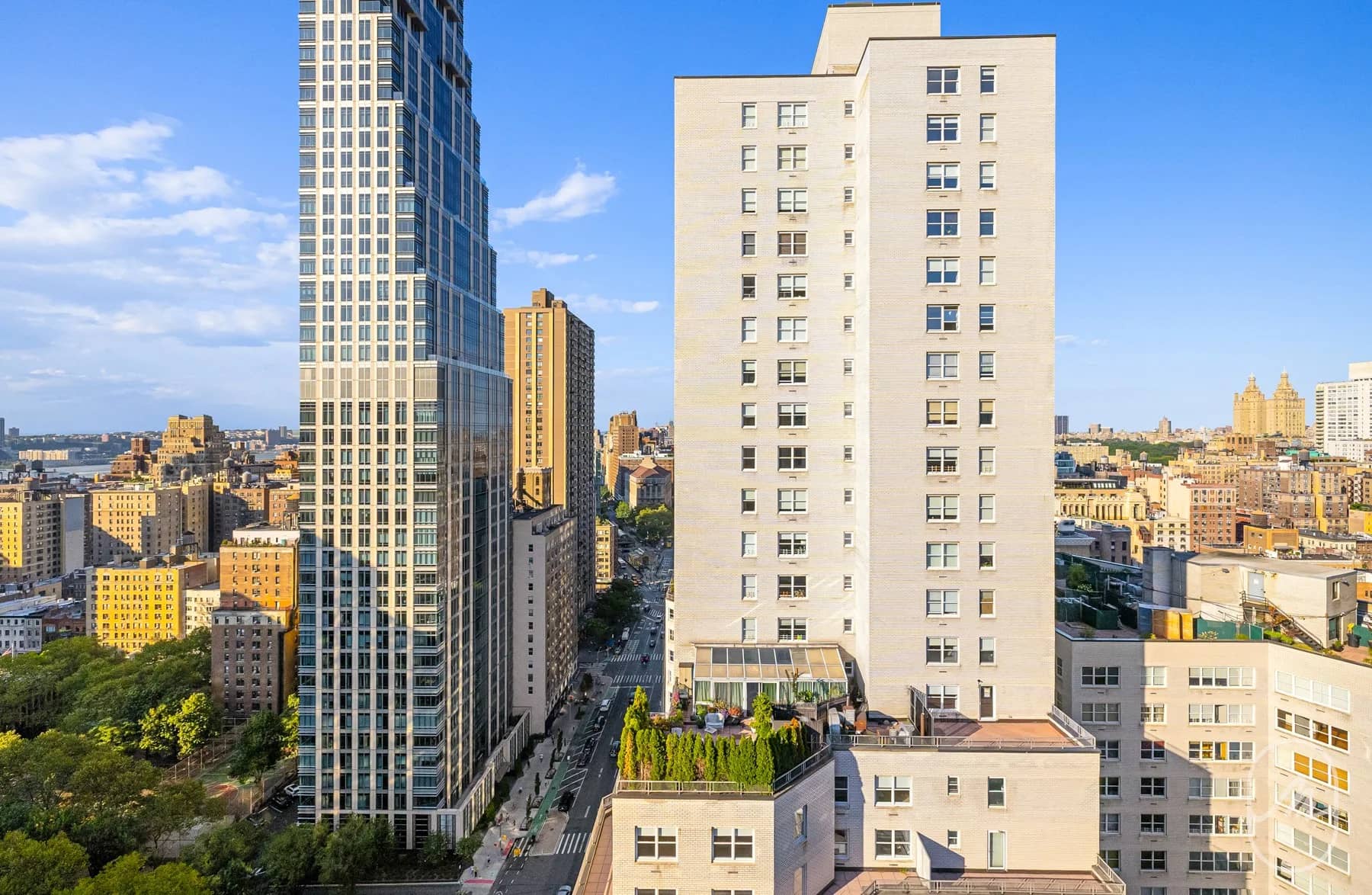
145 West 67 Street
All Upper West Side
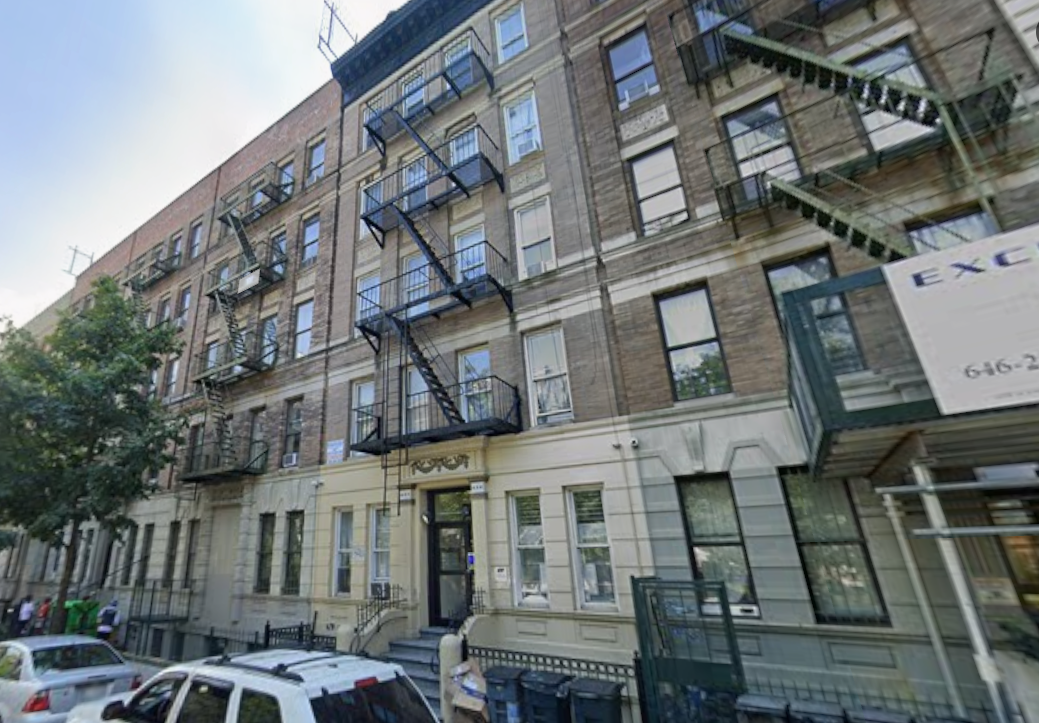
118 West 114 Street
South Harlem
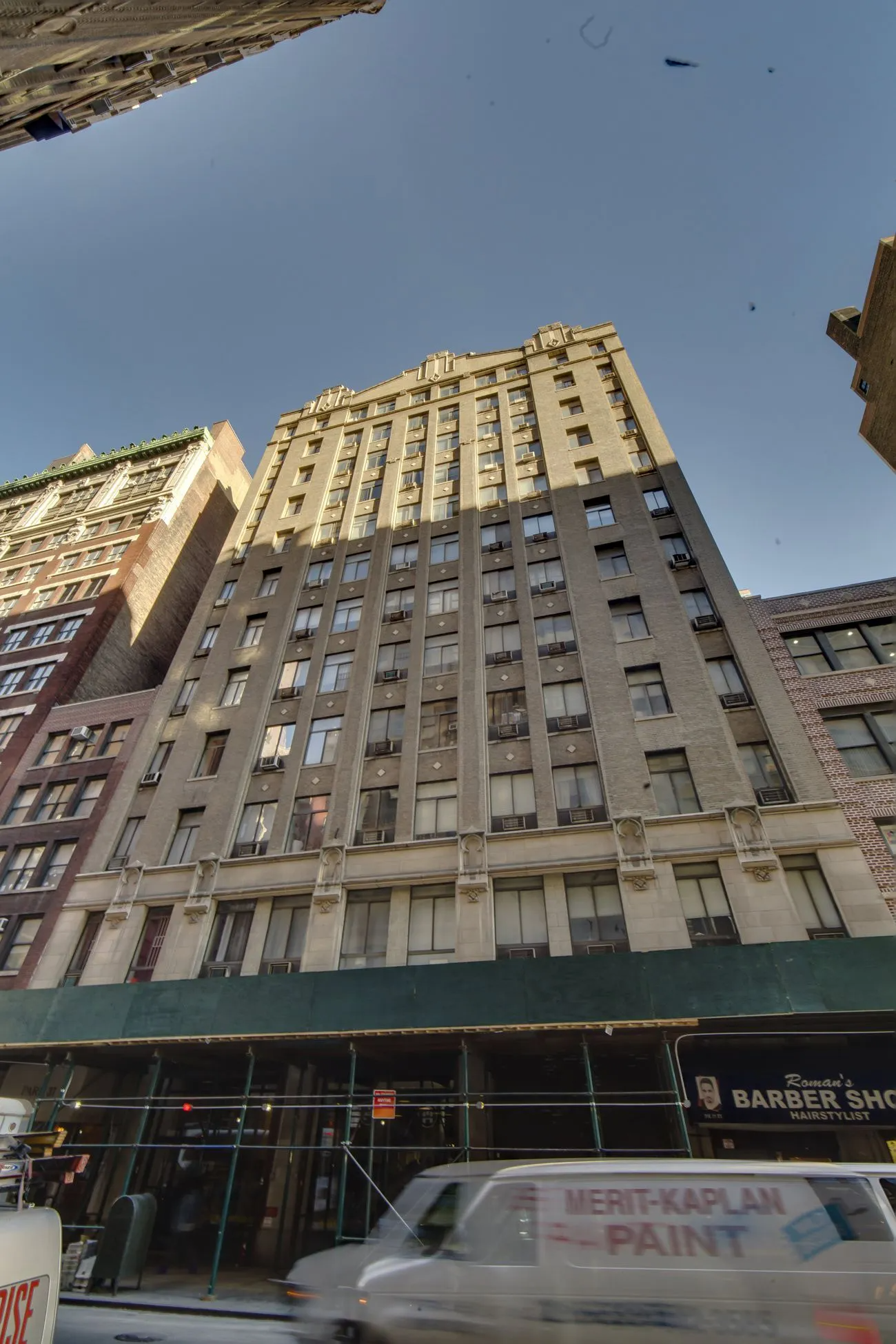
31 East 31 Street
Midtown East
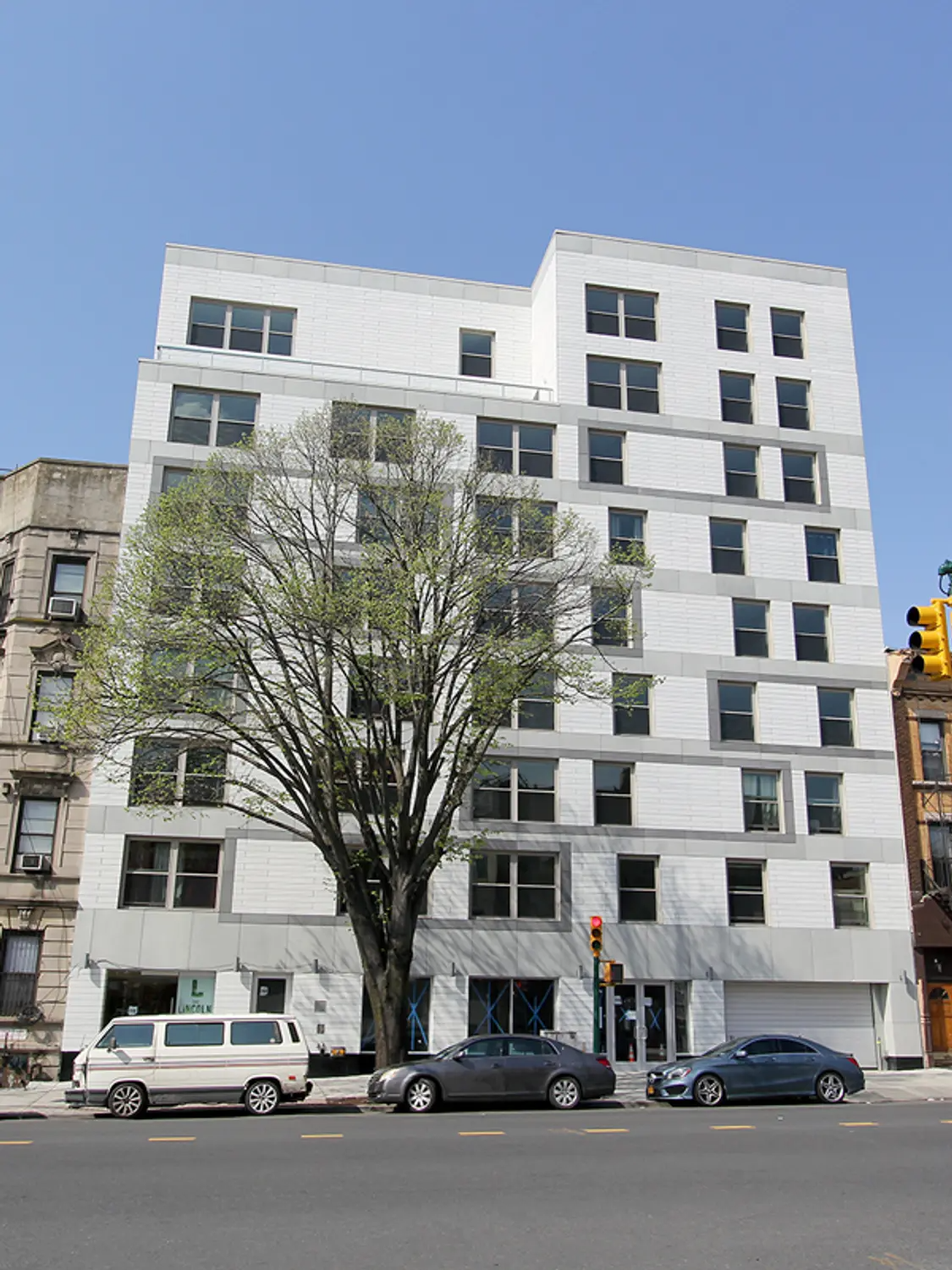
510 Flatbush Avenue
Prospect Lefferts Gardens
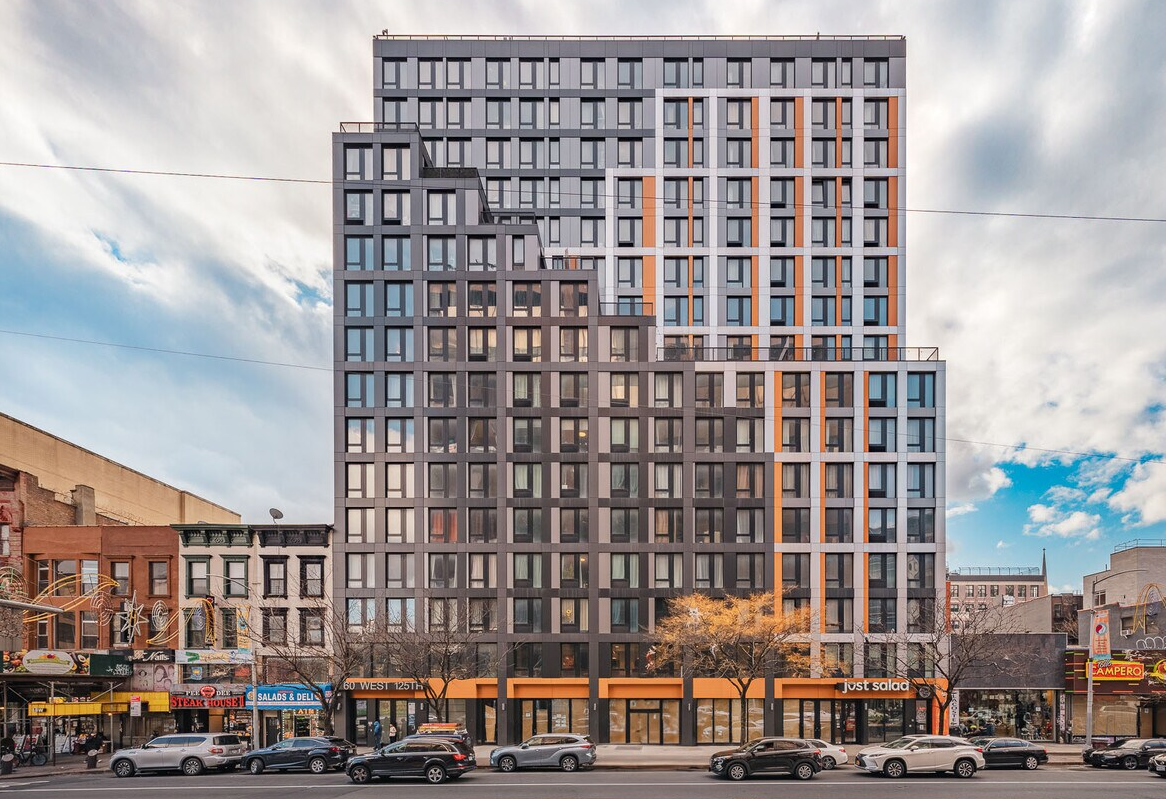
56 West 125 Street
South Harlem
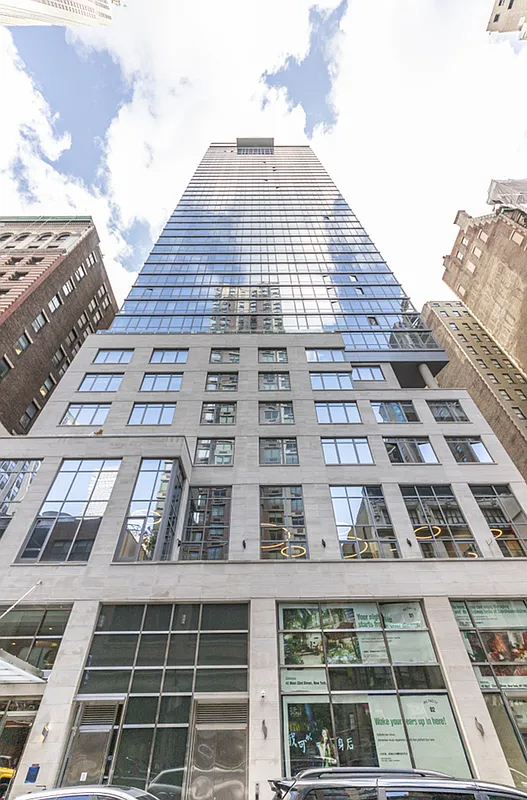
42 West 33 Street
Midtown South
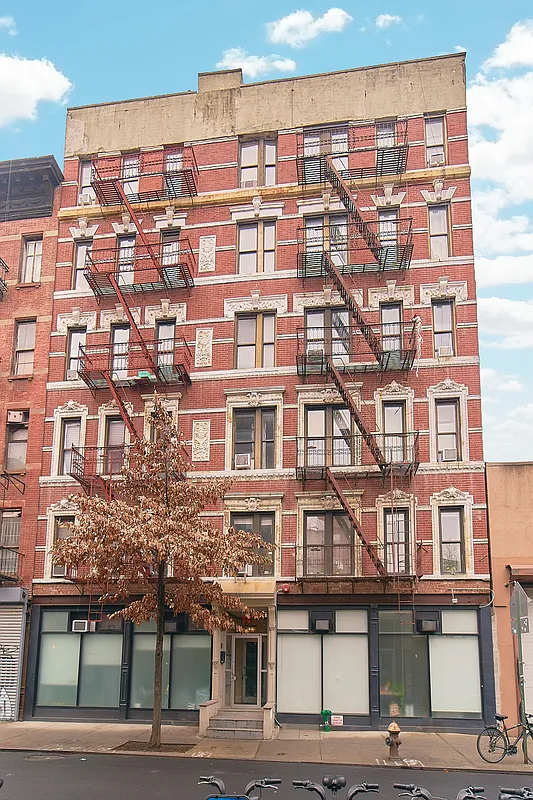
157 Suffolk Street
Lower East Side
What to check before choosing a building with low open violation rates near the B train in NYC
- Use the B-train proximity filter to focus your search on commutable options, then sort by the lowest open violation rates available on each building page.
- Confirm details with the management office: whether maintenance issues are currently addressed, and how often inspections and repairs are completed.
- If you’re planning to move soon, check current availability on Openigloo so you can line up showings and applications around your timeline.
- Ask about lease mechanics and fees that can affect your total monthly cost, including deposits and any move-in charges beyond rent.
- Treat open-violation data as a starting point. A “low” rate doesn’t guarantee a unit has no current problems; ask about the specific unit you’re considering.