

Buildings highly rated for heat near the M103 bus in NYC
These buildings are selected by two filters: “best-heat” and location near the M103 bus, with 861+ buildings showing qualifying signals right now. If heat is a priority, this page narrows your options to buildings that have stronger heating-related performance based on Openigloo’s available data. Openigloo helps you compare buildings using renter-first signals like rated building feedback, and the structured details you can verify before you sign. You can also use tenant Q&A patterns and building information to ask the right questions about heating reliability, response times, and maintenance follow-through.
Buildings highly rated for heat near the M103 bus in NYC
Showing 19–36 of 861 buildings highly rated for heat near the M103 bus in NYC.

226 E 70 St
Lenox Hill

120 East 34 Street
Midtown East

10 Rutgers Street
Two Bridges

150 East 34 Street
Kips Bay

205 East 95 Street
Yorkville

1990 Lexington Avenue
East Harlem

229 Chrystie Street
Lower East Side

330 East 46 Street
Turtle Bay

200 E 72 St
Lenox Hill

196 Stanton St
Lower East Side
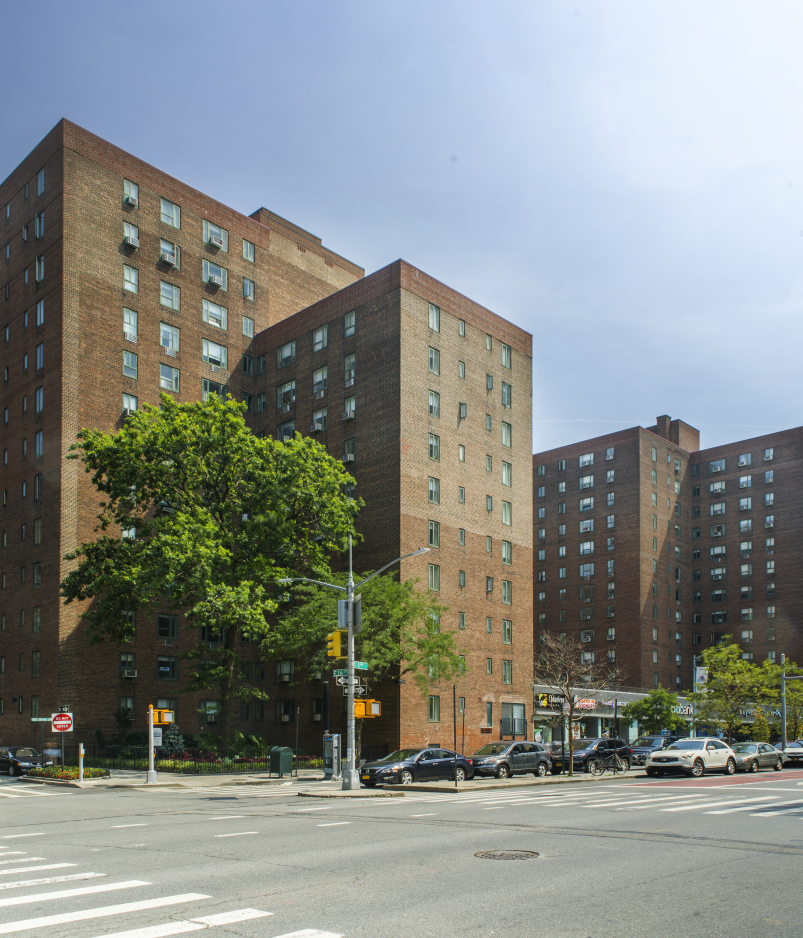
250 1 Avenue
Stuyvesant Town/PCV

215 East 95 Street
Yorkville

150 East 44 Street
Turtle Bay

160 East 48 Street
Turtle Bay

284 Mott Street
Nolita

201 East 69 Street
Lenox Hill

140 East 46 Street
Turtle Bay
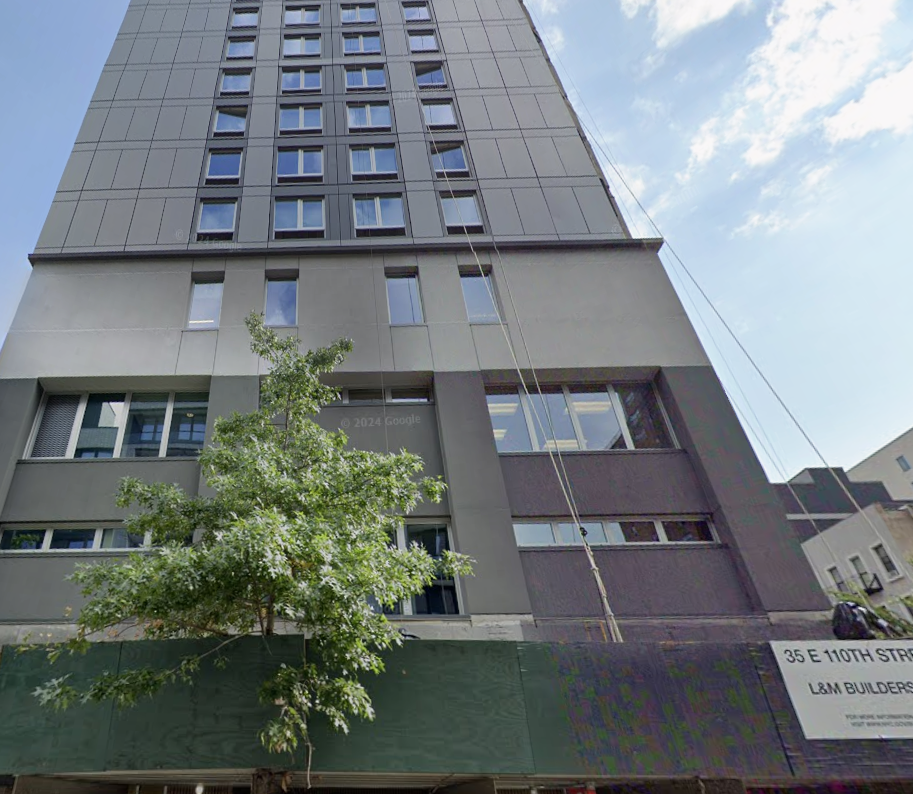
1660 Madison Avenue
South Harlem
What to check before choosing a building highly rated for heat near the M103 bus in NYC
- Confirm what “best-heat” means for the building you’re considering by checking any heat-related notes in the listing details and the building’s history in tenant feedback.
- Before signing, ask how heat is maintained during cold snaps (resident reports, typical response time, and whether repairs are common).
- Check the lease for terms tied to utilities and heat delivery (who pays, what’s included, and any service expectations).
- If you’re viewing in person, test radiator/thermostat operation and ask the super or leasing office how the building handles complaints.
- Compare across buildings on reliability, not just reported performance—maintenance follow-through matters as much as initial readings.