

Buildings highly rated for heat near transit in NYC
This page focuses on NYC buildings with high heat performance and easy access to transit: filter pair “best-heat” + “near-transit.” You’re viewing 3,782+ buildings that match the scope right now. Openigloo helps you narrow faster using building-level signals and renter-focused context. Use heat-related ratings and nearby-transit proximity, then read what people reported about comfort and reliability. You can also cross-check details using open-records indicators and ask tenant questions through the building’s page before you sign.
Buildings highly rated for heat near transit in NYC
Showing 91–108 of 3,782 buildings highly rated for heat near transit in NYC.

225 East 95 Street
Yorkville

560 West 43 Street
Hell's Kitchen

1875 Atlantic Avenue
Stuyvesant Heights
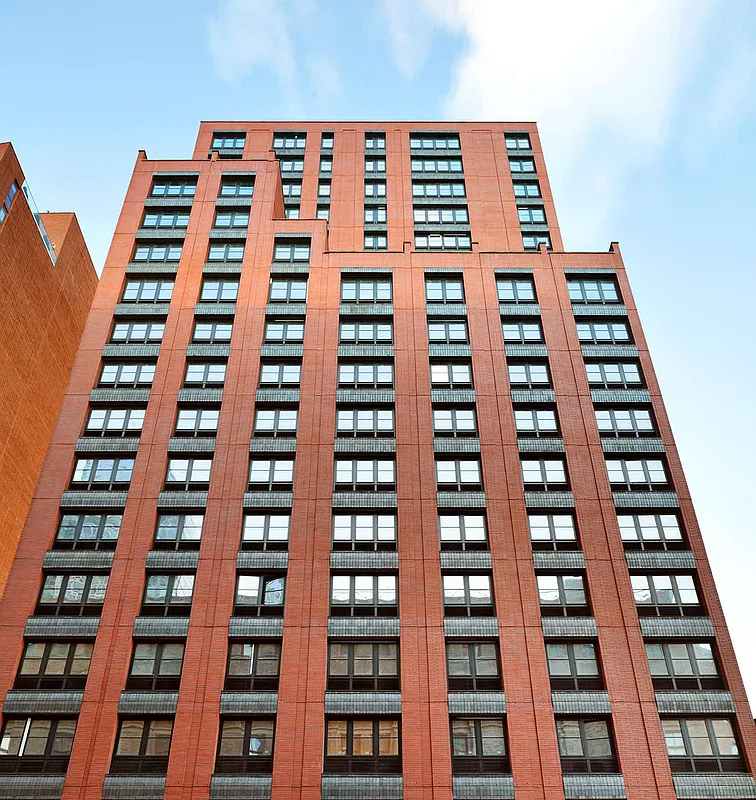
237 Duffield Street
Downtown Brooklyn

62 Avenue B
East Village

60 Clarkson Avenue
Flatbush

300 West 55 Street
Hell's Kitchen

19 Dutch Street
Fulton/Seaport

461 Dean Street
Prospect Heights

45 Hoyt Street
Downtown Brooklyn

480 2 Avenue
Kips Bay

409 Eastern Parkway
Crown Heights

80 Dekalb Avenue
Fort Greene

41-42 24 St
Long Island City

247 East 28 Street
Kips Bay

226 E 70 St
Lenox Hill

120 East 34 Street
Midtown East

155 W 68 St
All Upper West Side
What to check before choosing a building highly rated for heat near transit in NYC
- Expect buildings ranked for heat and located near subway/bus routes, so commuting time is usually shorter; still confirm the exact commute from the unit to your work/school.
- Before applying, ask the super/property manager how heat is controlled for your specific unit (thermostat access, radiator vs. forced air, and whether heat varies by floor/exposure).
- Check lease terms for heating responsibility and any energy-cost split, even if the building is rated well for heat.
- Confirm when and how repairs are handled during the heating season (who responds, typical timelines, and whether emergency heat outages qualify for faster service).
- Compare full move-in cost and monthly totals (utilities, deposits, and any one-time fees), since “heat quality” doesn’t always mean lower overall costs.