

Buildings highly rated for heat near the B44-SBS bus in Williamsburg
Williamsburg is a Brooklyn neighborhood where renters often look for day-to-day convenience while still comparing building-level details before applying. This page narrows to buildings associated with the Williamsburg area and focuses on heat-related signals. Across the neighborhood, rated buildings average a 3.5/5 rating across 354 rated buildings (building-level trends; individual units can differ)
These buildings in Williamsburg (135+ total) are flagged as highly rated for heat near the B44-SBS bus. Use the b44-sbs-bus + best-heat filters to narrow to buildings with better heat reliability signals, then compare what’s actually in each unit and lease. Openigloo helps you pressure-test the details before you sign by combining live building data with tenant-relevant signals and ratings. You can review what rated buildings report, then check landlord policies and any documented maintenance history surfaced through open records and community discussion.
Buildings highly rated for heat near the B44-SBS bus in Williamsburg
Showing 1–18 of 135 buildings highly rated for heat near the B44-SBS bus in Williamsburg.

101 Bedford Avenue
Williamsburg
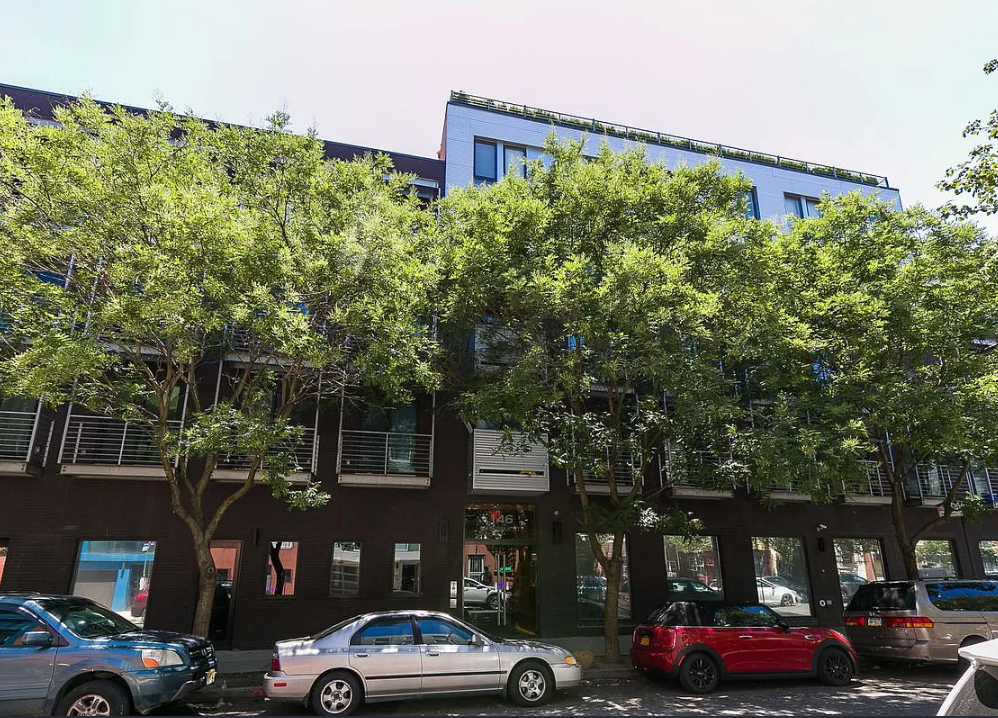
146 Meserole Street
Williamsburg

420 Kent Avenue
Williamsburg
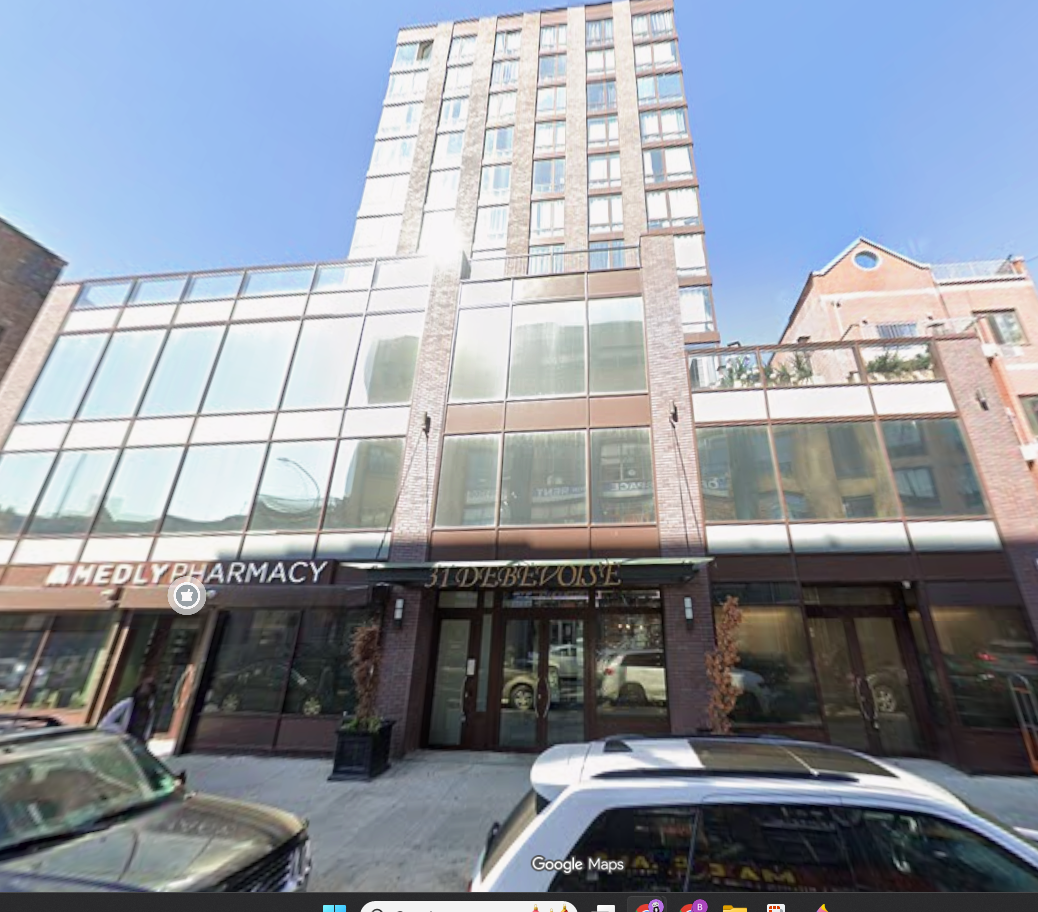
31 Debevoise Street
Williamsburg

325 Kent Avenue
Williamsburg
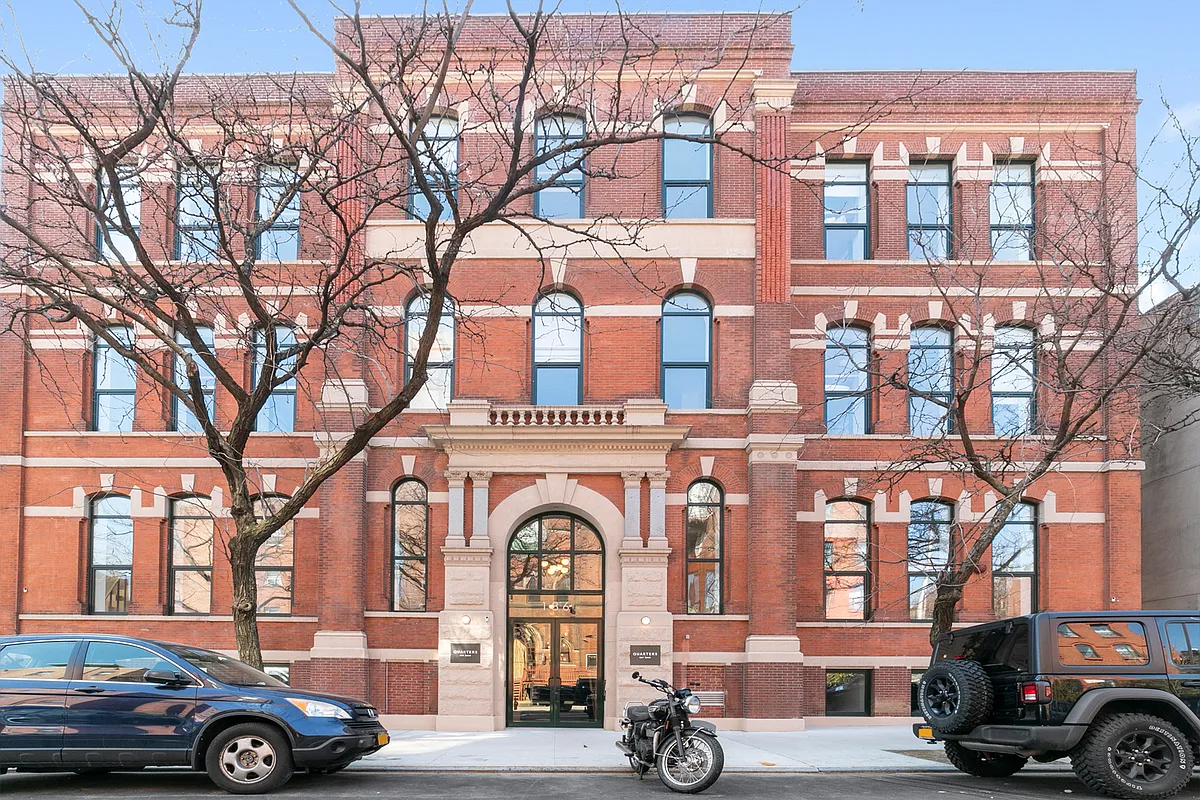
186 North 6 Street
Williamsburg
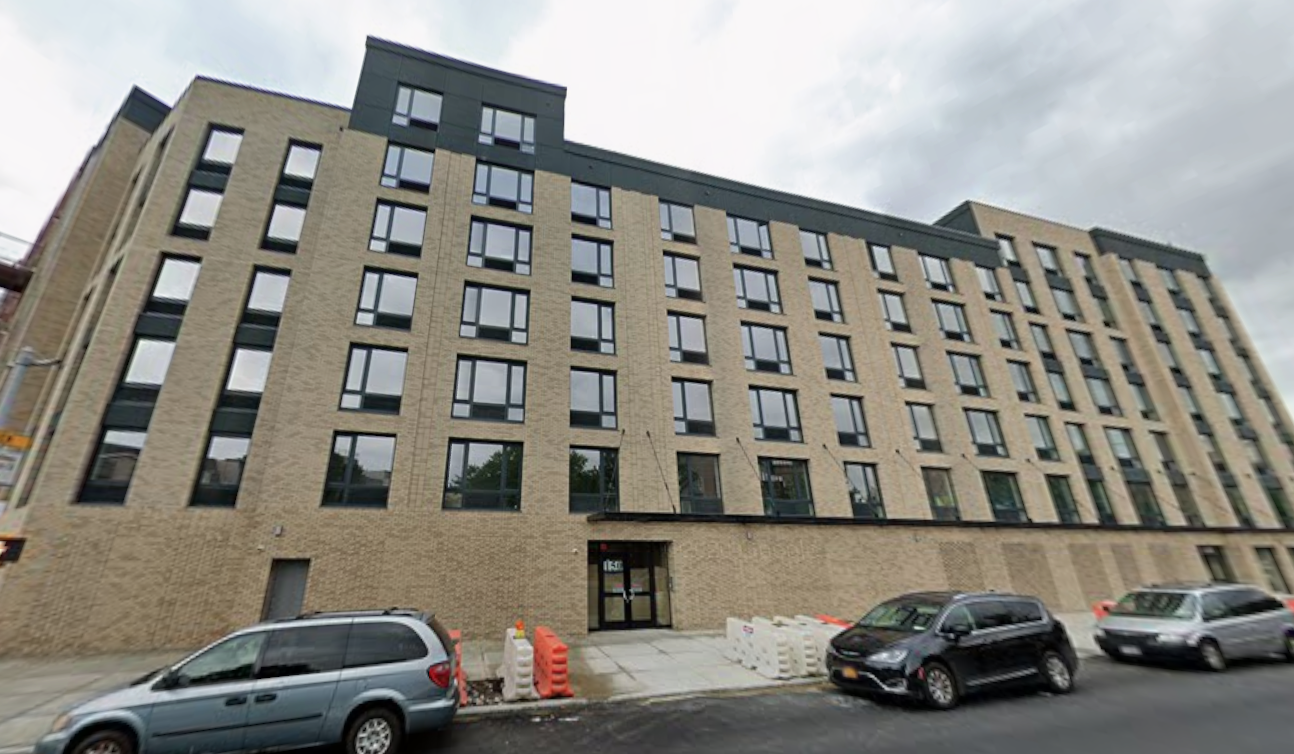
150 Union Avenue
Williamsburg
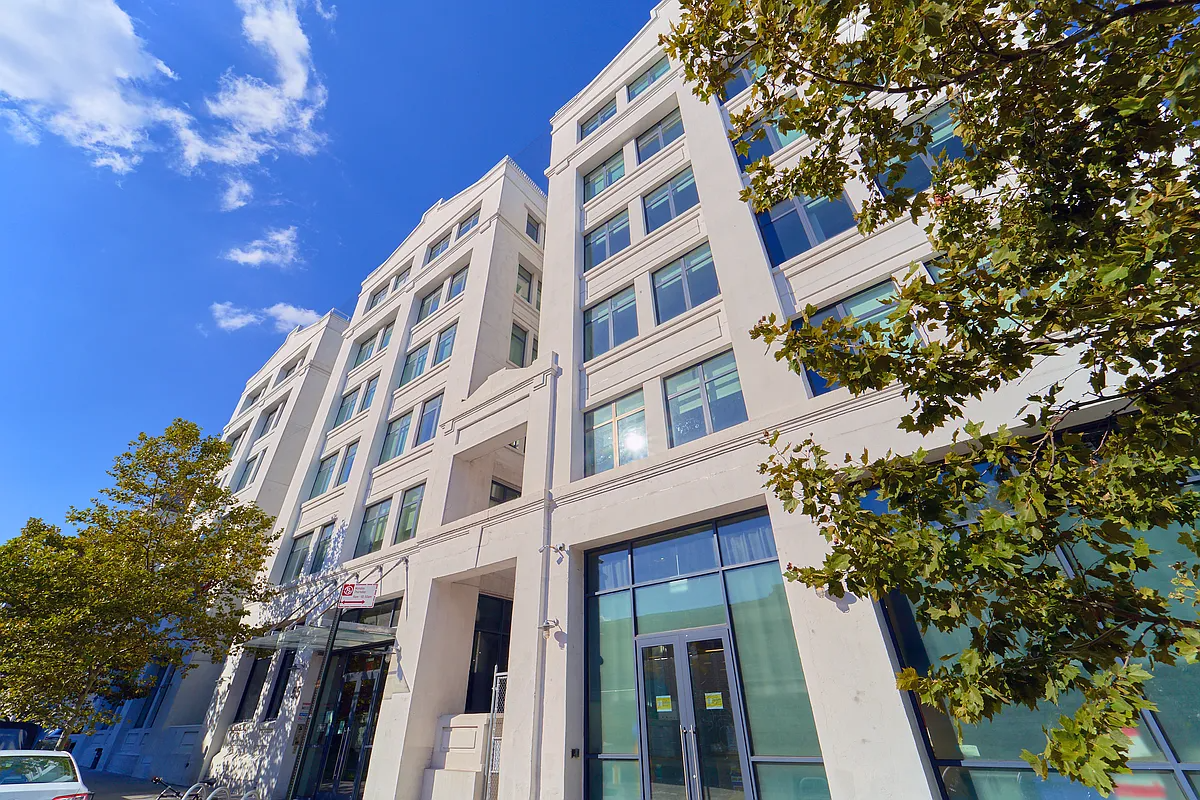
55 Hope Street
Williamsburg

250 North 10 Street
Williamsburg
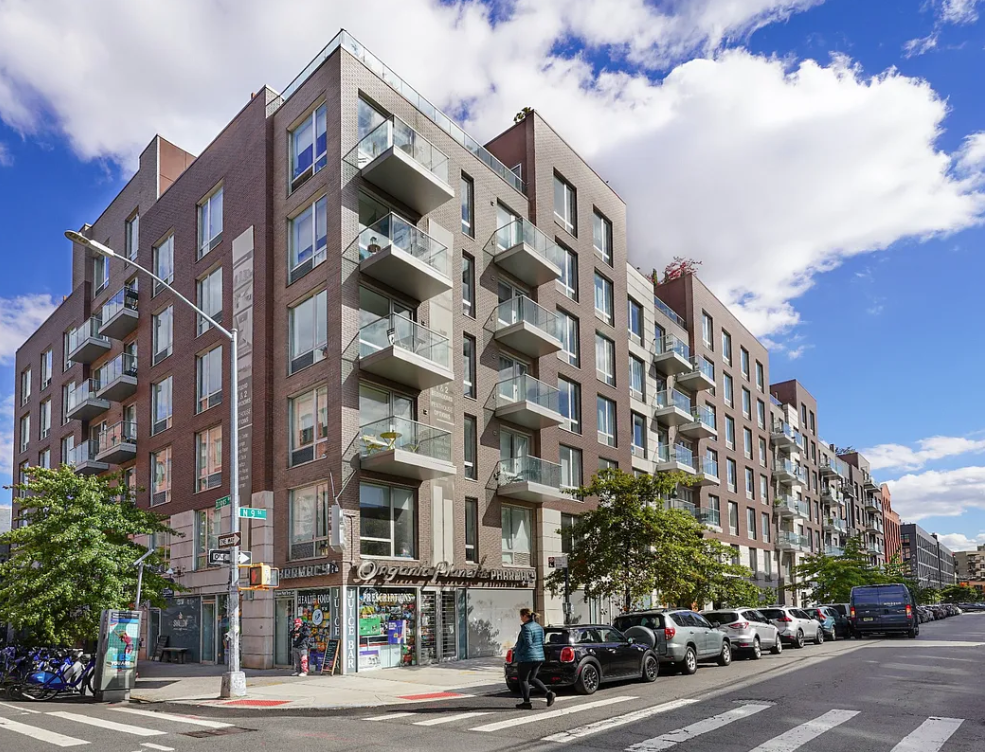
205 N 9 St
Williamsburg
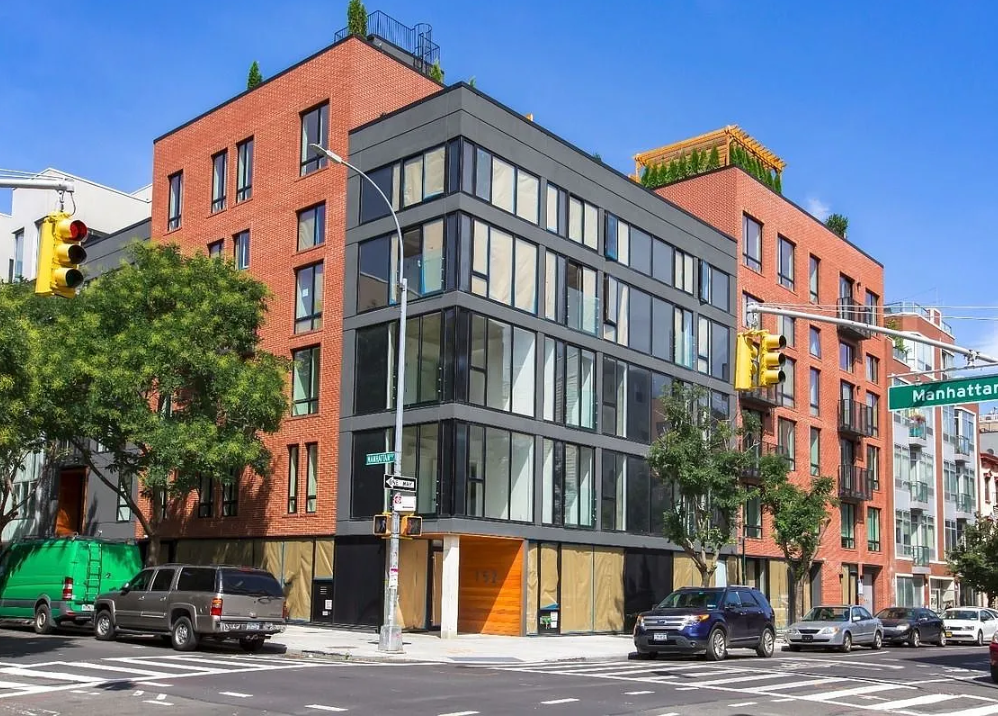
152 Manhattan Avenue
Williamsburg
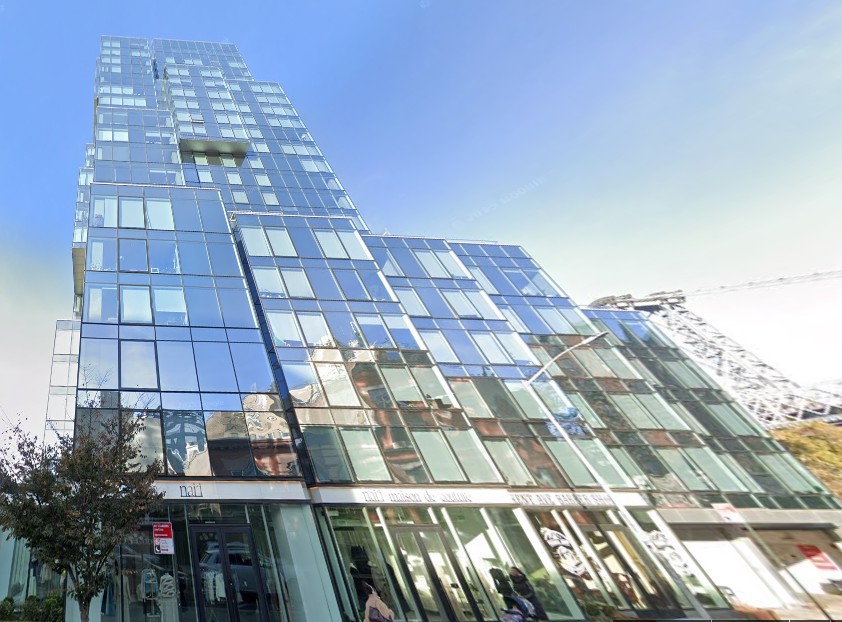
416 Kent Avenue
Williamsburg
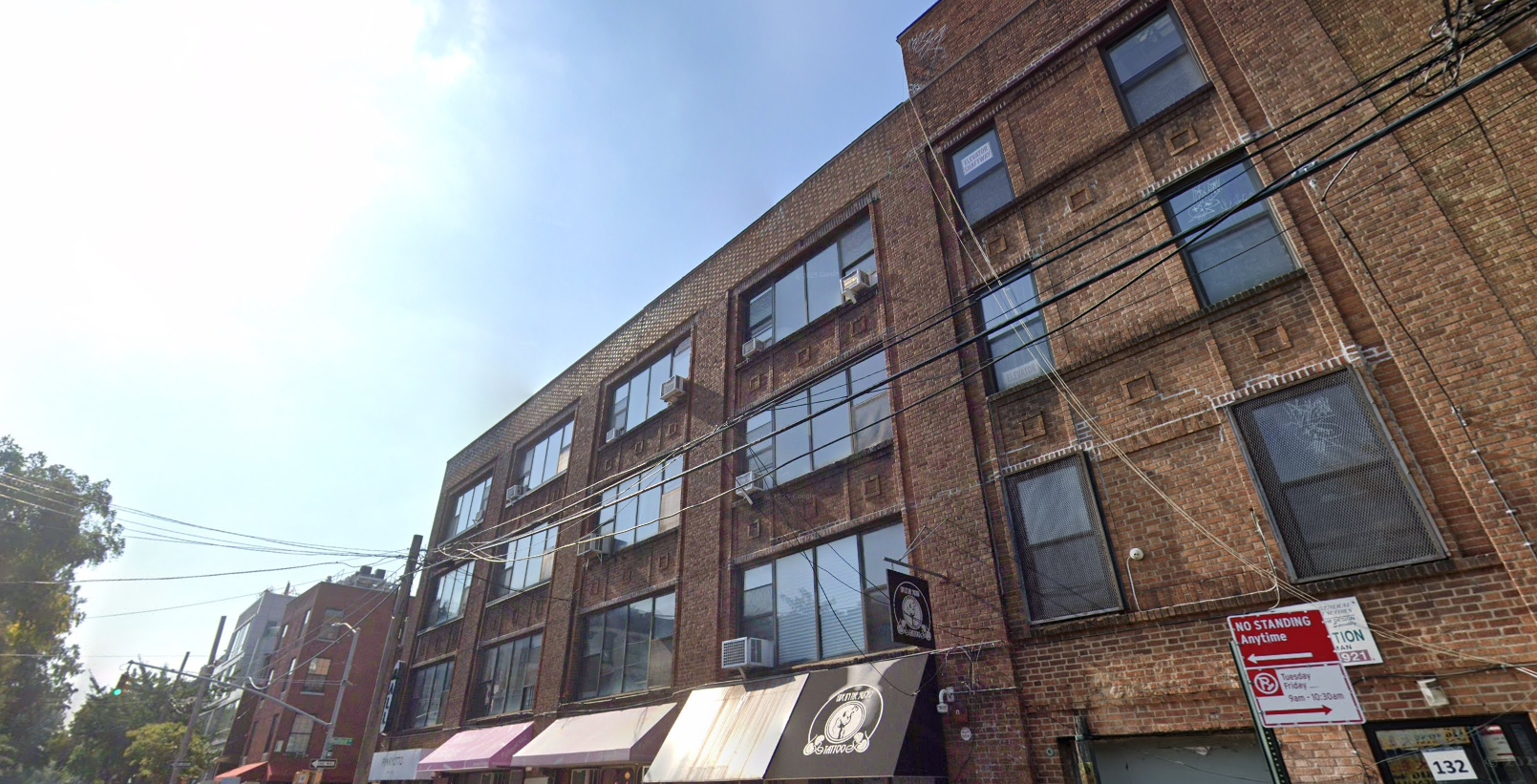
218 Bedford Avenue
Williamsburg

76 North 4 Street
Williamsburg
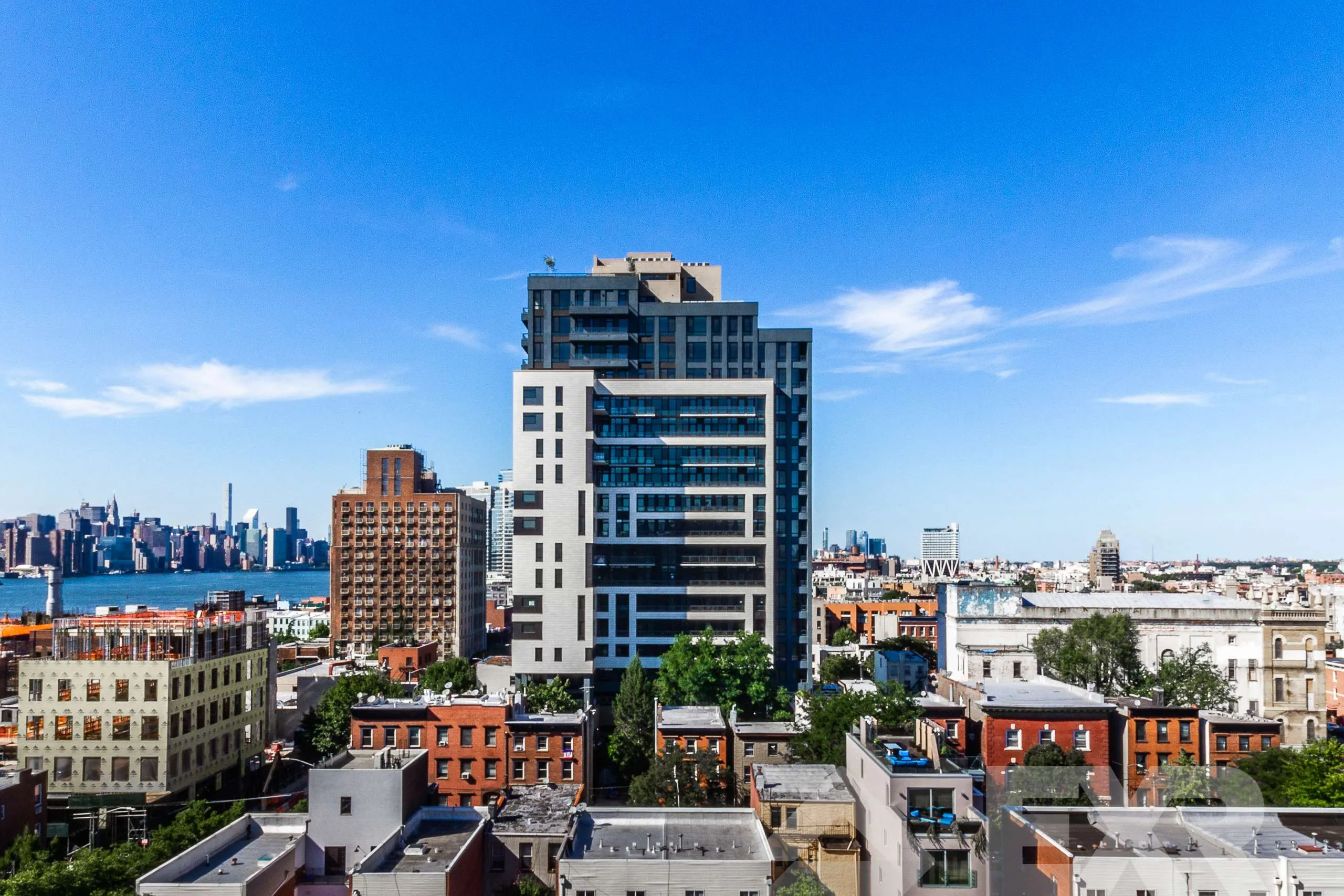
321 Wythe Avenue
Williamsburg
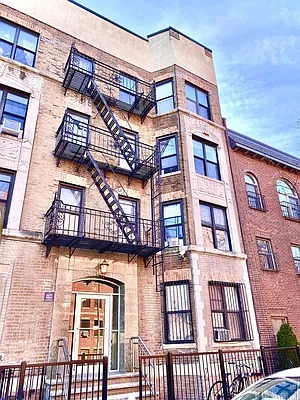
14 Maujer Street
Williamsburg
/-73.952554,40.71182,14/640x640@2x?access_token=pk.eyJ1Ijoib3BlbmlnbG9vIiwiYSI6ImNsYjNmMjVwdzBjeHgzd21wYmJmZDB0eGYifQ.XZvZCOh51yXuDBE-I3Bg0A)
140 Hope Street
Williamsburg
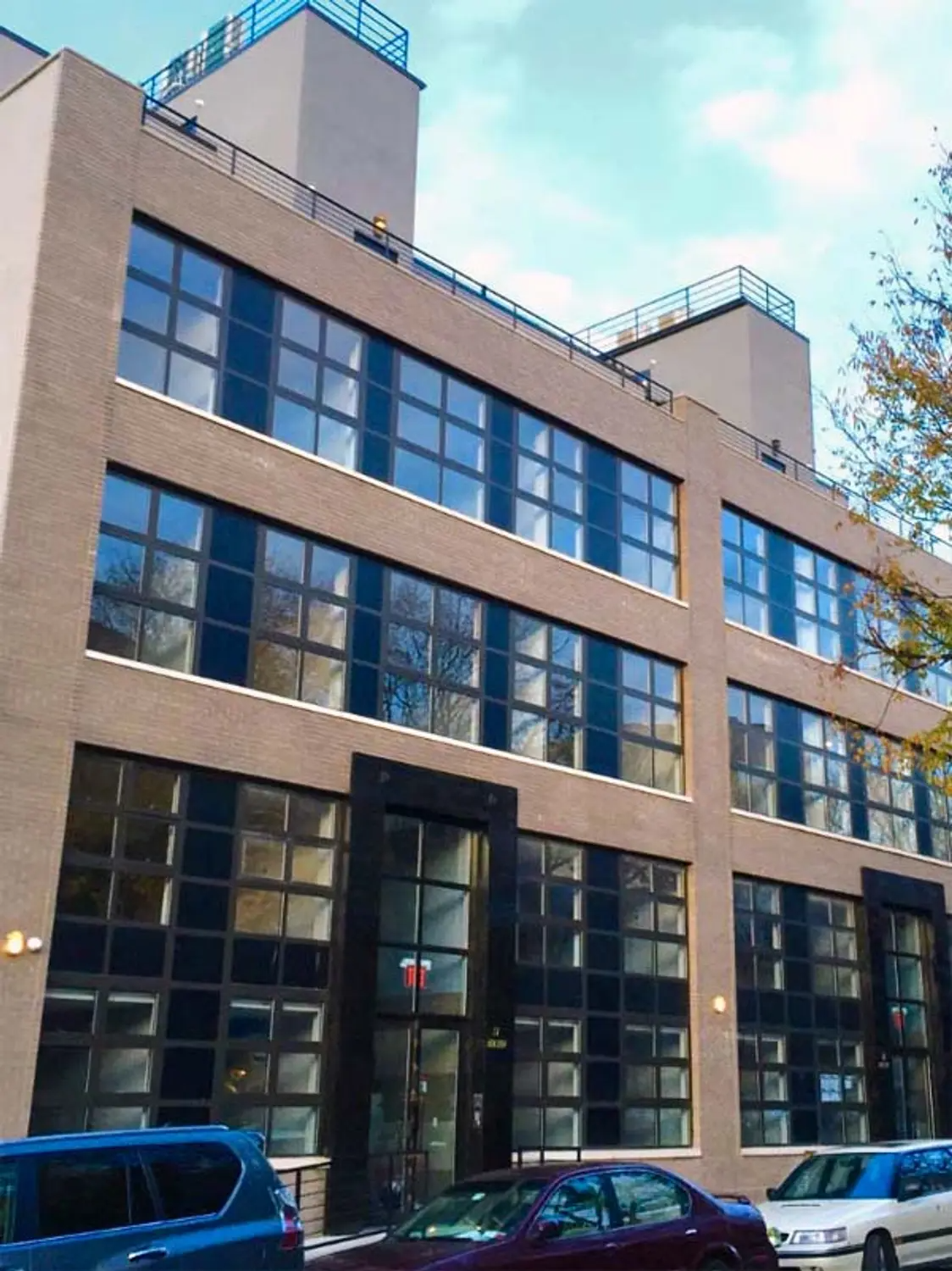
17 Devoe Street
Williamsburg
What to check before choosing a building highly rated for heat near the B44-SBS bus in Williamsburg
- Confirm how heat is handled per lease: included vs. separate charges, thermostat controls, and who pays for utilities.
- Ask about recent boiler/HVAC maintenance and average response times for heat issues, even if the building is rated for heat.
- Verify unit-level fit: radiator condition, window insulation, and whether the unit faces wind exposure that can affect heating.
- Check for any restrictions tied to current rules or renovations that could change heat performance (for example, work schedules or temporary system swaps).
- Use the Openigloo signals as a starting point, then request the same info in writing from building management for your specific unit.