

Buildings with low rent increases near the L train in NYC
This page helps you find buildings with low rent increases near the L train in NYC. Use it to focus your search on buildings where rent growth tends to be more controlled, with 1,596+ buildings matching right now. Openigloo brings together building-level details, renter feedback, and open-data signals to help you narrow choices before you tour. You can also use tenant Q&A to pressure-test what matters in real life: how management responds, how renewals are handled, and what costs show up beyond the monthly asking rent.
Buildings with low rent increases near the L train in NYC
Showing 37–54 of 1,596 buildings with low rent increases near the L train in NYC.
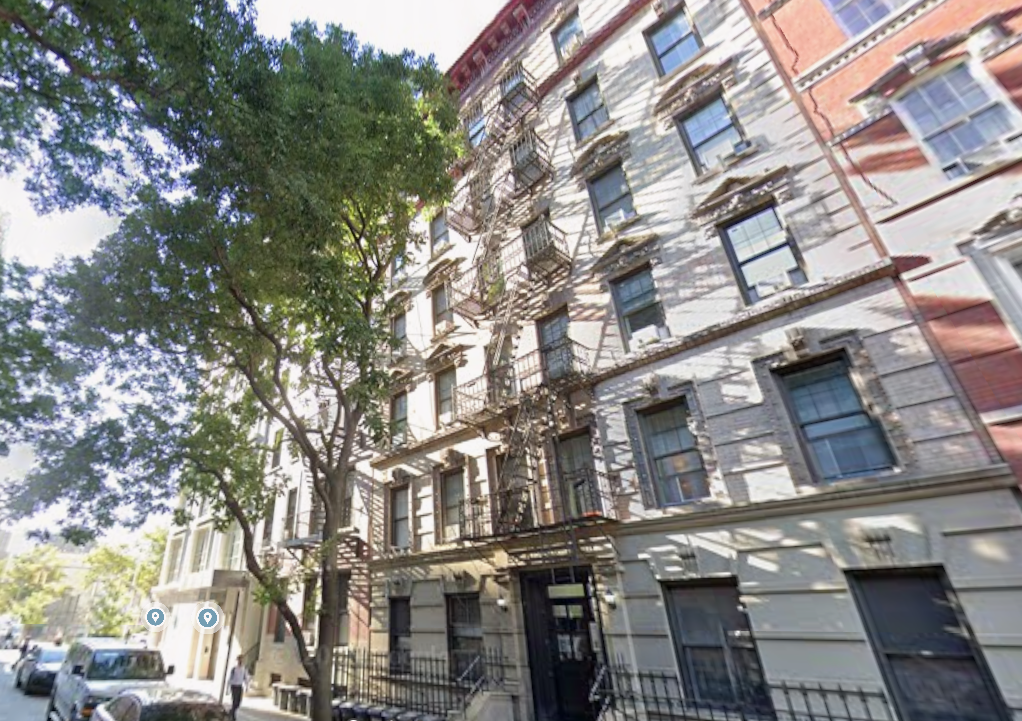
244 East 21 Street
Gramercy Park
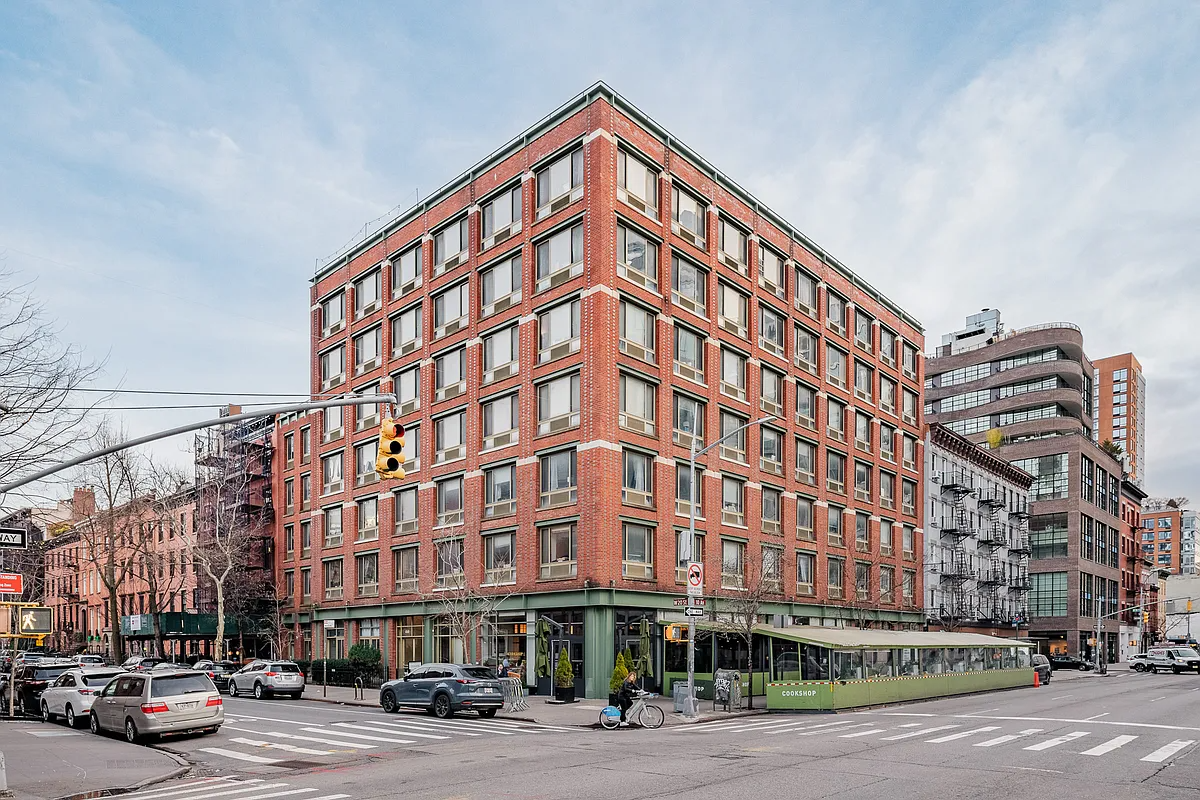
460 West 20 Street
West Chelsea
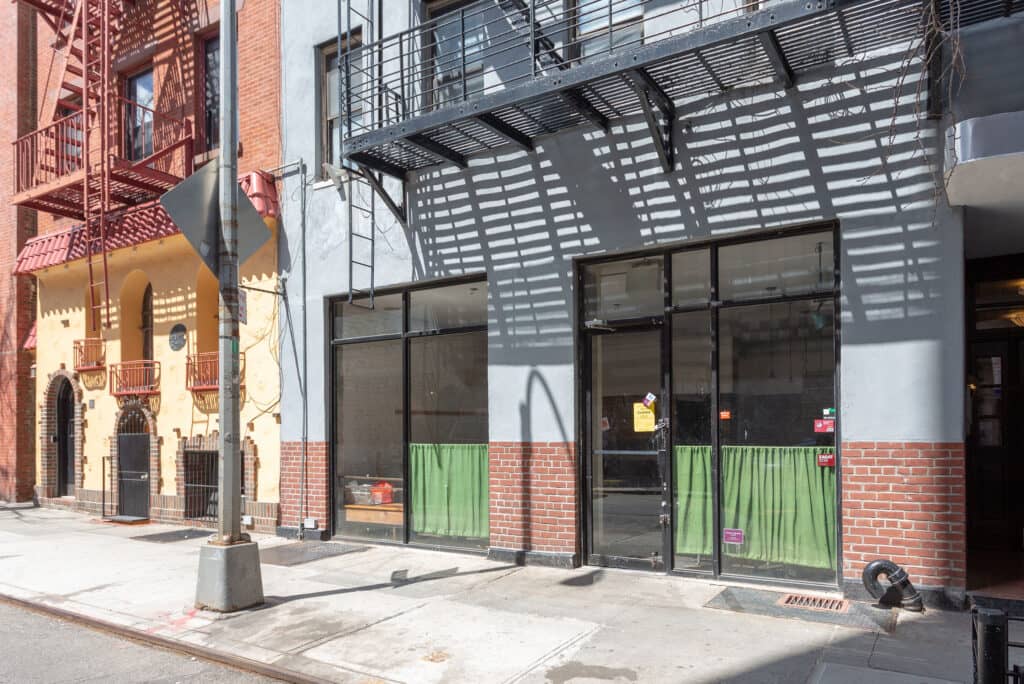
7 Cornelia Street
West Village
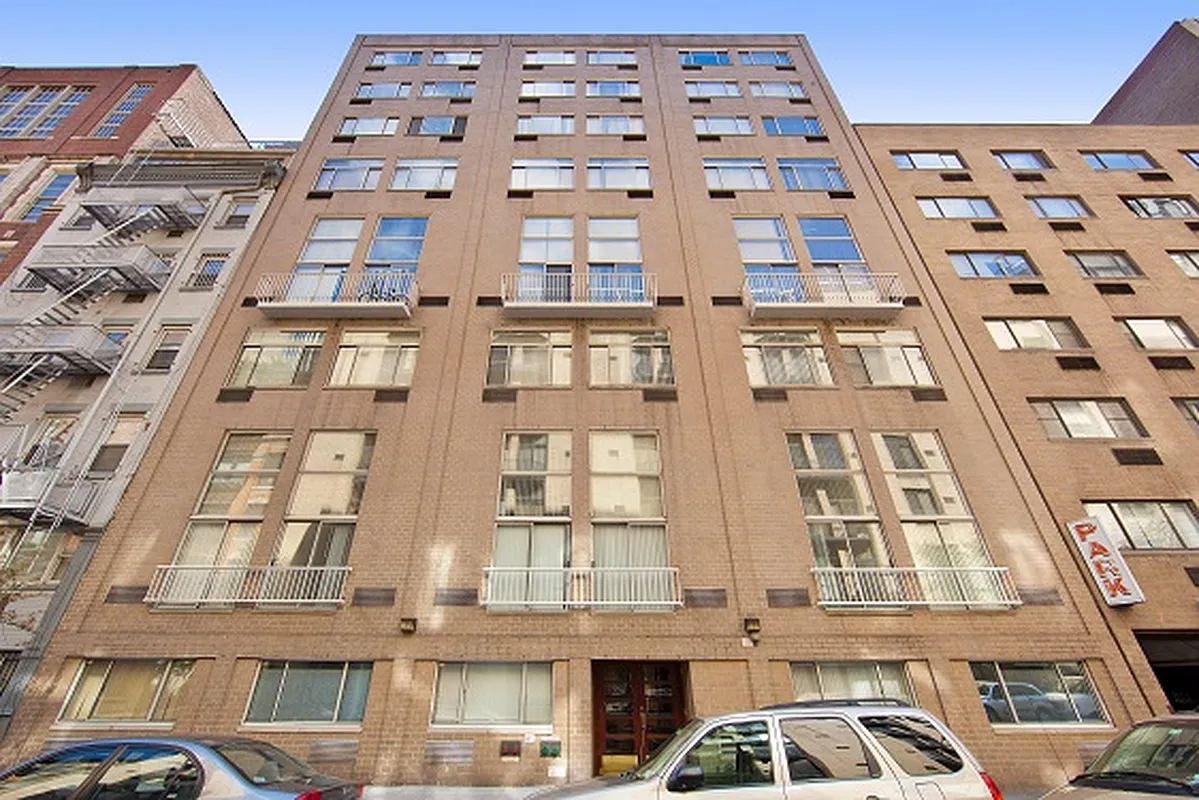
220 East 24 Street
Kips Bay
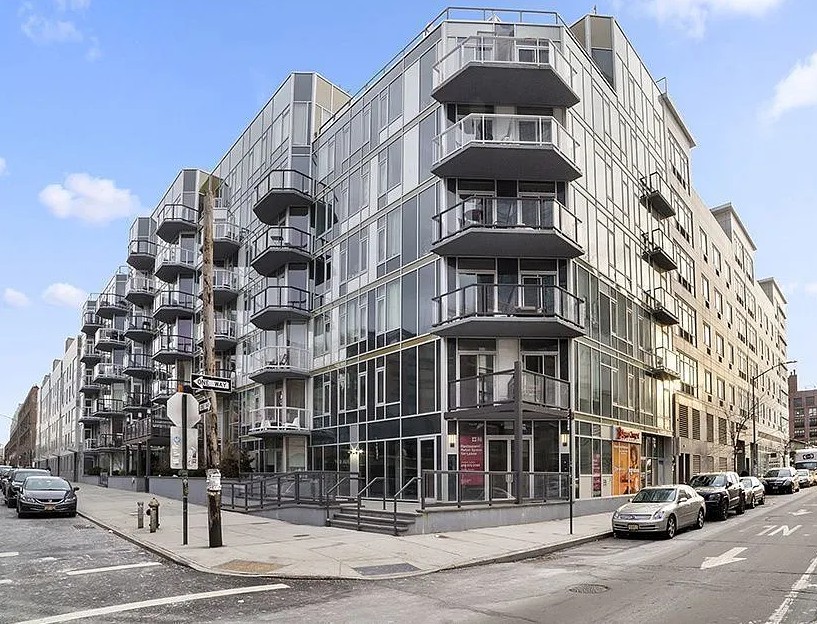
40 North 4 Street
Williamsburg
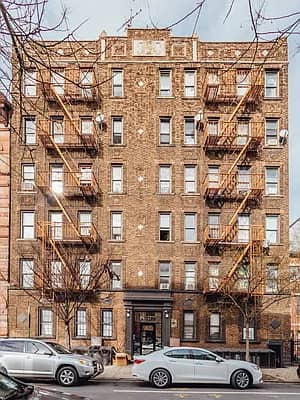
383 South 3 Street
Williamsburg
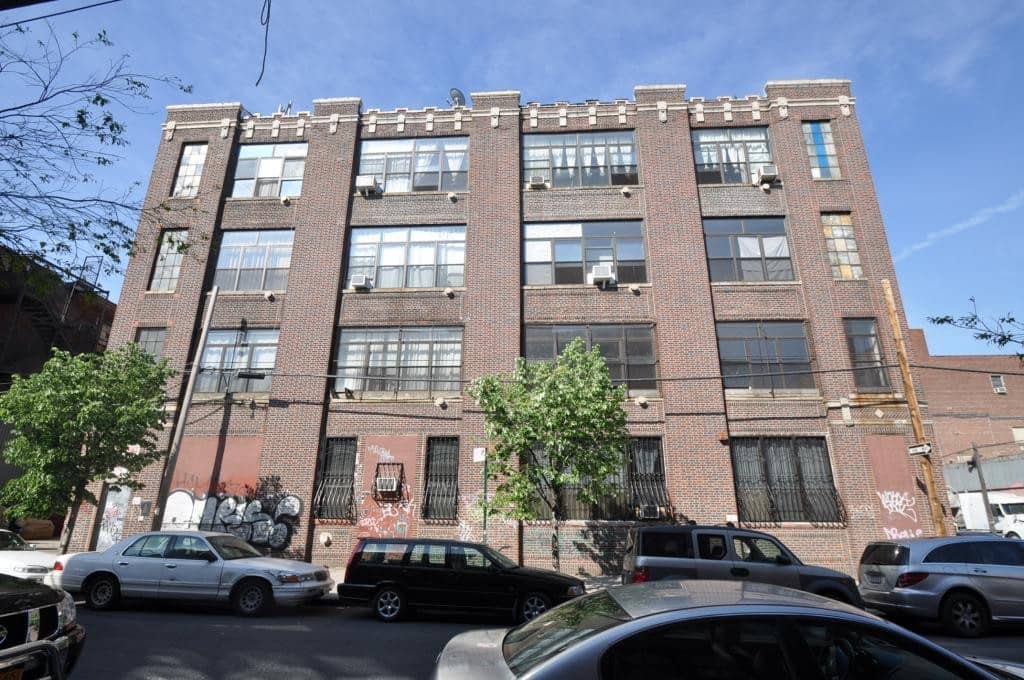
9 White Street
East Williamsburg
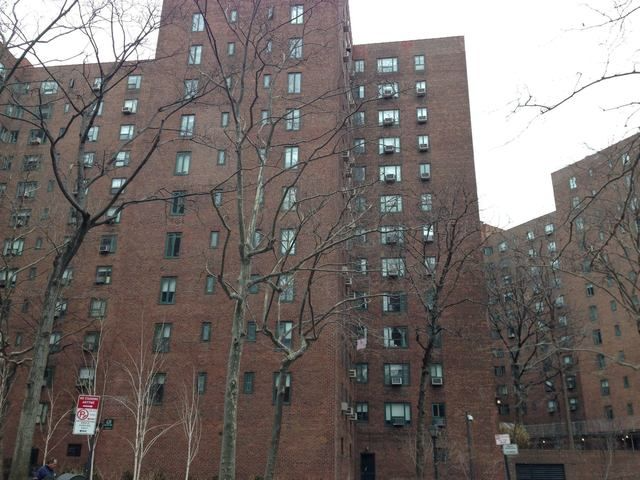
624 E 20 St
Stuyvesant Town/PCV
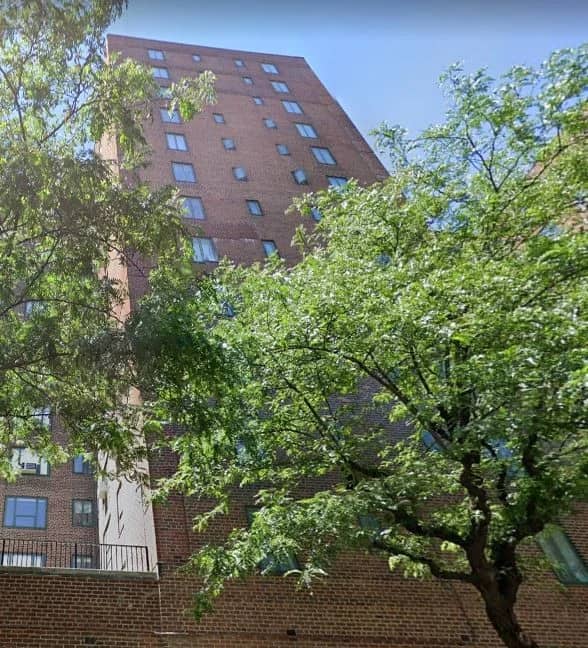
319 Avenue C
Stuyvesant Town/PCV
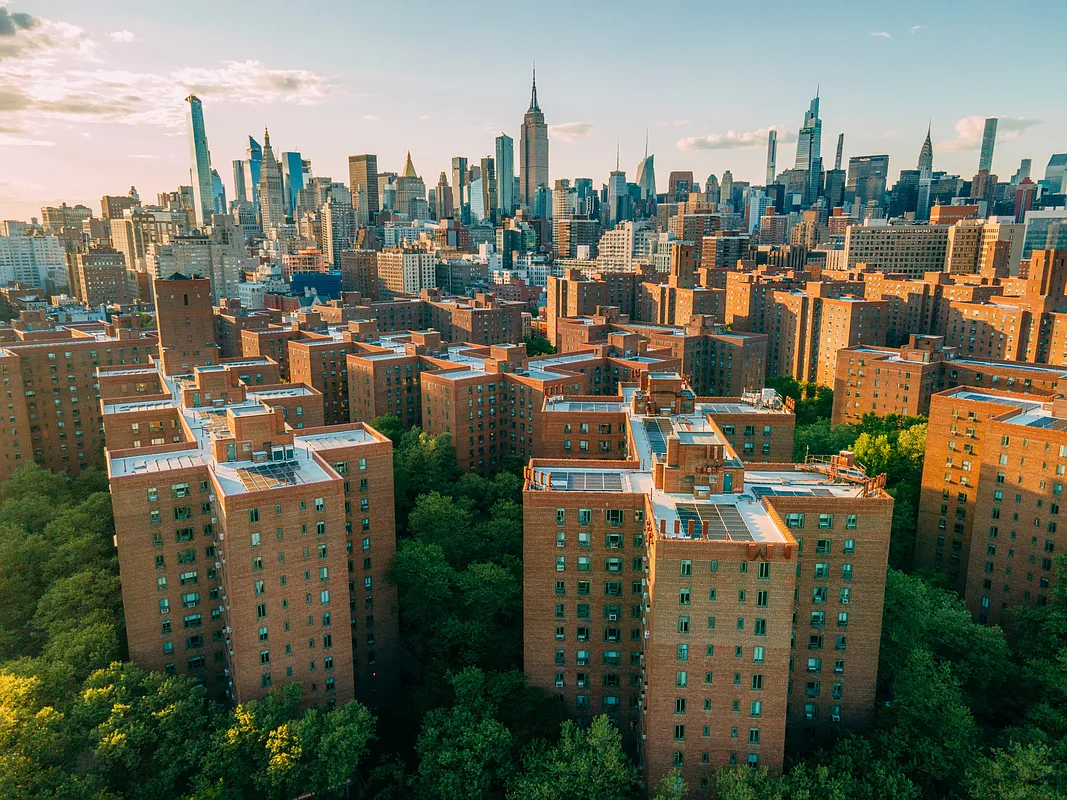
309 Avenue C
Stuyvesant Town/PCV
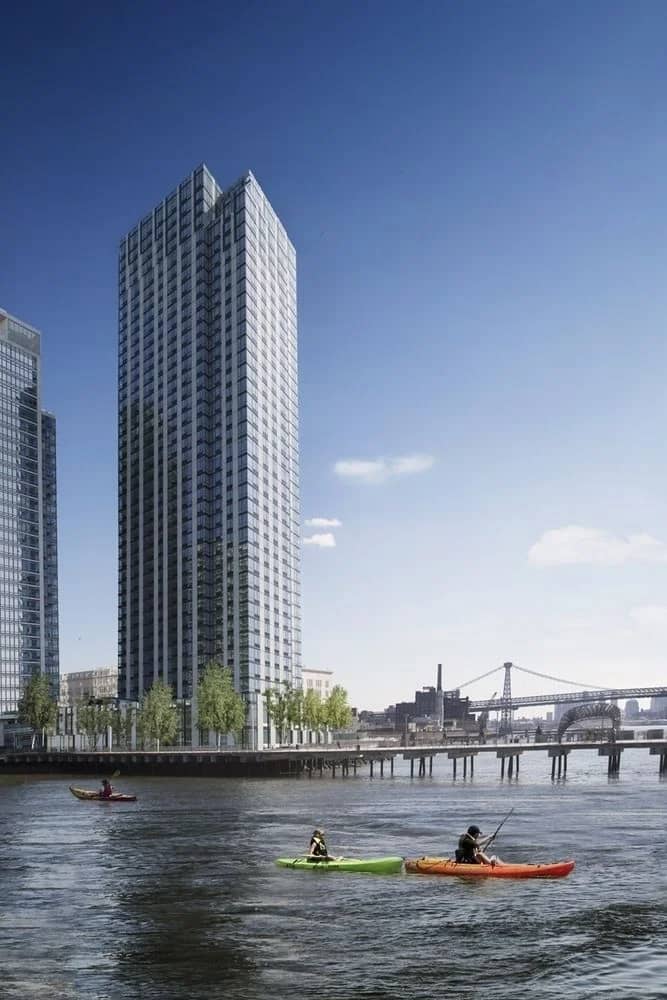
1 North 4 Place
Williamsburg
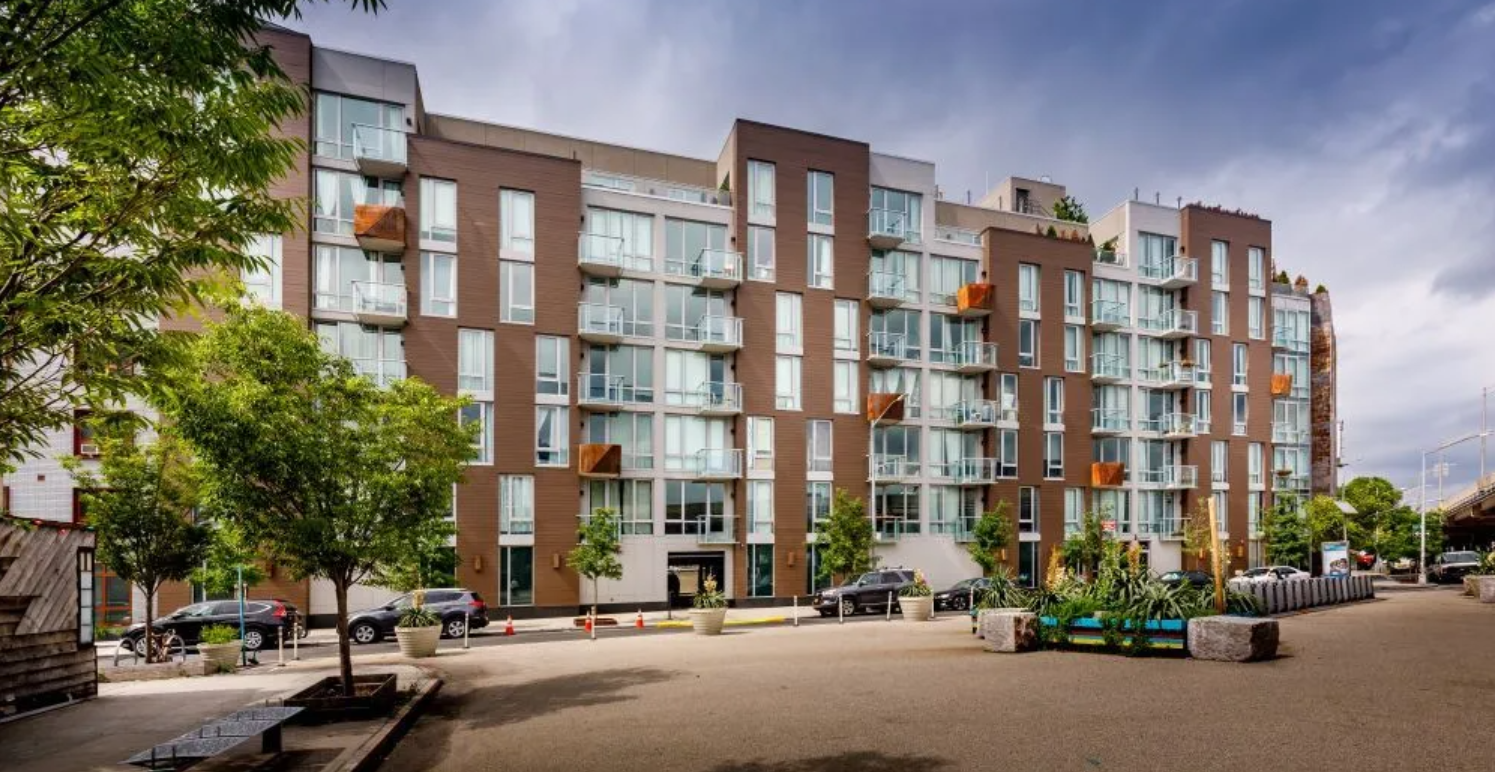
395 Leonard Street
Williamsburg
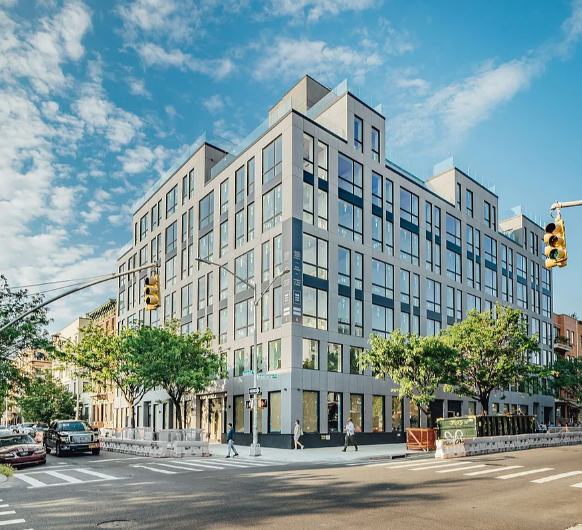
188 Humboldt Street
Williamsburg

166 2 Avenue
East Village
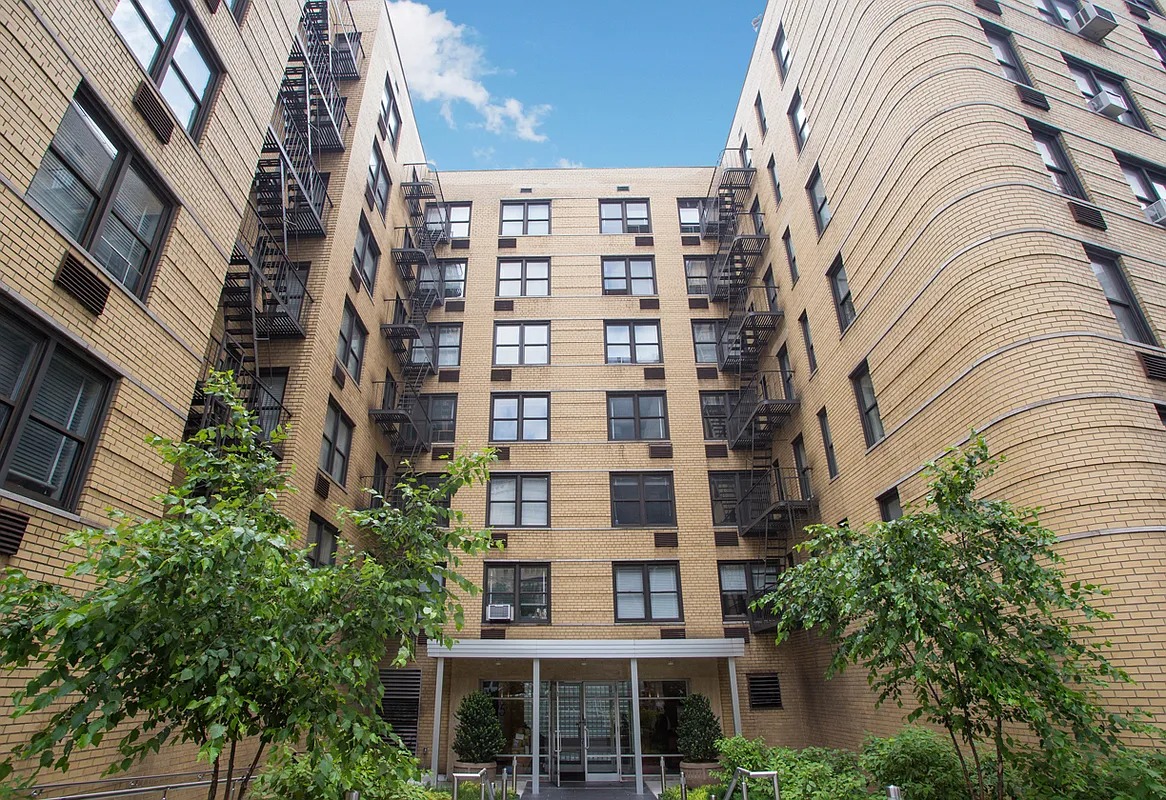
85 4 Avenue
East Village
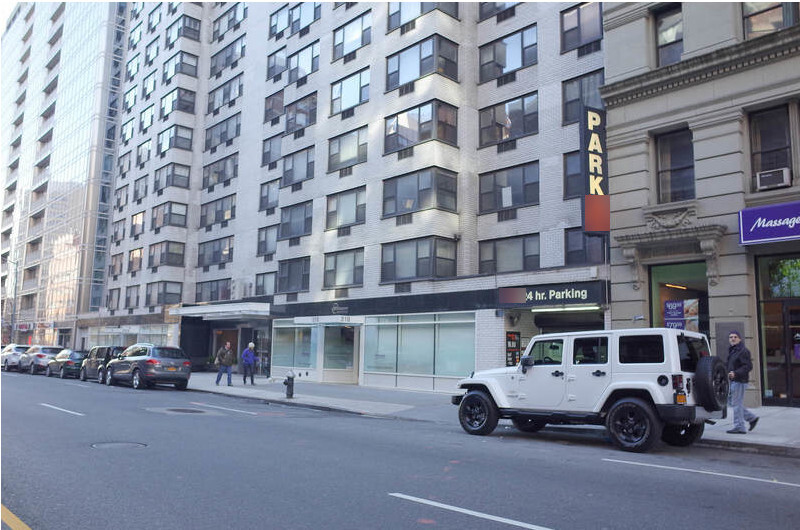
320 East 23 Street
Gramercy Park
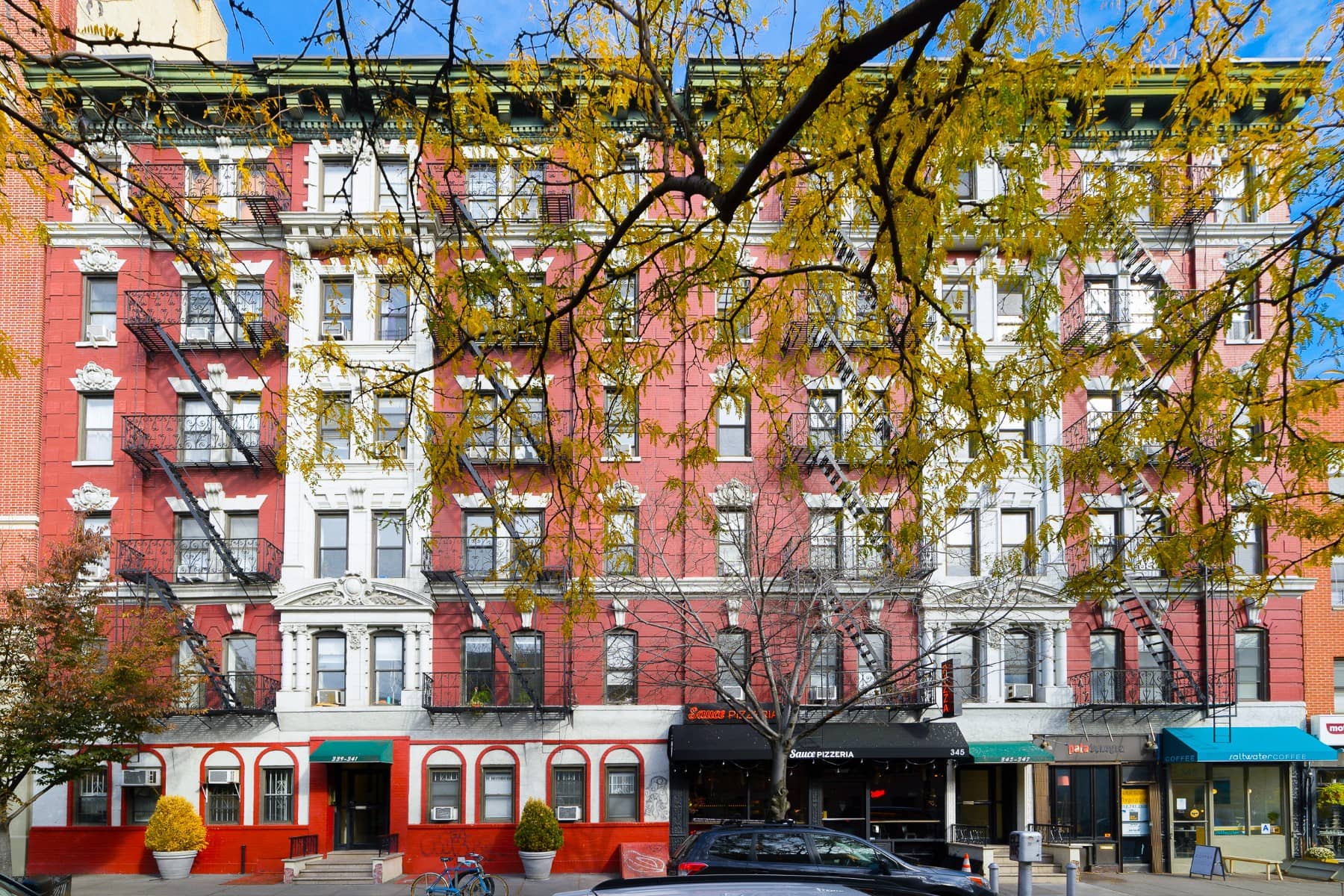
345 East 12 Street
East Village
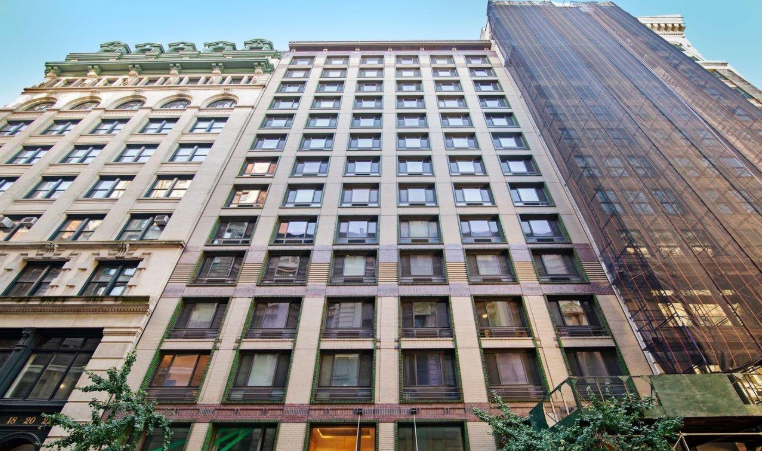
30 West 18 Street
Flatiron
What to check before choosing a building with low rent increases near the L train in NYC
- Start with the live 1,596+ building pool, then narrow by what you can verify (neighborhood block, commute, building amenities, and unit layout).
- Confirm the lease terms in writing: renewal language, rent-increase history where available, and any conditions tied to specific unit types.
- Ask what “low rent increases” looks like for your exact situation (renewal type, unit status, and how management documents increases).
- Get the full monthly cost breakdown before applying: deposit, fees, and any recurring charges that aren’t included in the asking rent.
- Use Openigloo reviews and tenant Q&A to spot patterns in communication and maintenance, then validate them with direct questions to the building.
- Treat any open-data signals as a starting point—policies and enforcement can vary by building and even by managing entity.