

Buildings highly rated for trash management near the M101 bus in Kips Bay
Kips Bay is a Manhattan neighborhood scope for renters comparing buildings with lived-in, practical signals. On Openigloo, this page limits results to buildings near the M101 bus route and tagged for strong trash-management performance. For this Kips Bay scope, rated buildings average 3.7/5 (across 138 rated buildings). (building-level trends; individual units can differ)
These buildings are tagged for best-trash-management and are near the M101 bus in Kips Bay, with 48+ eligible buildings right now. Use this page to narrow down where day-to-day trash handling appears to be managed well. Openigloo combines building-level signals with tenant-first notes, so you can review ratings and filter results, then confirm details in the Q&A. The goal is to help you compare buildings faster, not replace asking the building directly about how trash pickup and storage work in your specific unit’s setup.
Buildings highly rated for trash management near the M101 bus in Kips Bay
Showing 1–18 of 48 buildings highly rated for trash management near the M101 bus in Kips Bay.

240 East 27 Street
Kips Bay

155 East 31 Street
Kips Bay

230 East 30 Street
Kips Bay

155 East 29 Street
Kips Bay

175 East 23 Street
Kips Bay

480 2 Avenue
Kips Bay

247 East 28 Street
Kips Bay

150 East 34 Street
Kips Bay

200 E 33 St
Kips Bay

222 E 34 St
Kips Bay
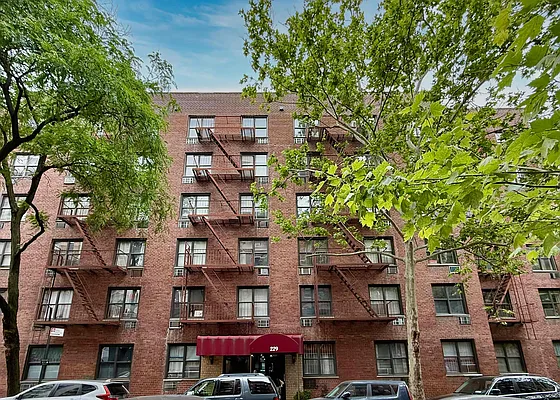
229 E 29 St
Kips Bay
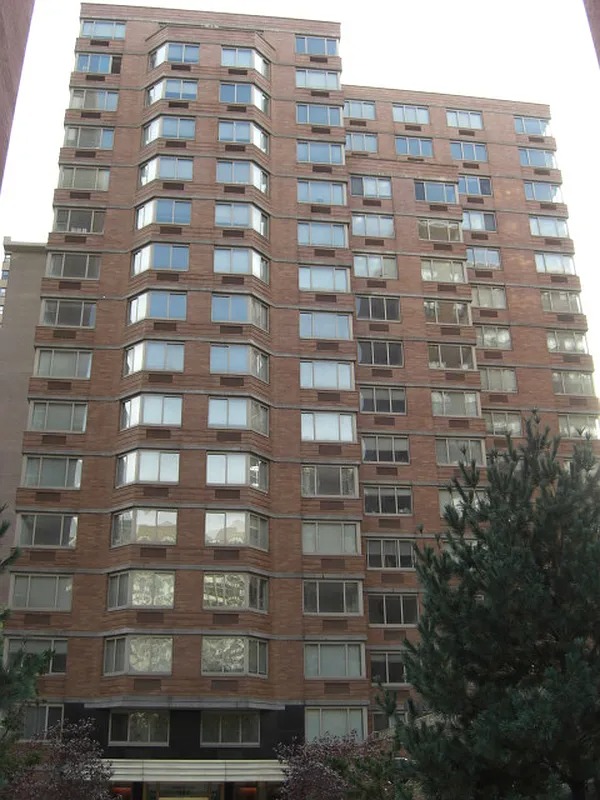
340 East 29 Street
Kips Bay

520 2 Avenue
Kips Bay

200 East 26 Street
Kips Bay

470 2 Avenue
Kips Bay

166 East 34 Street
Kips Bay

145 East 27 Street
Kips Bay

105 Lexington Avenue
Kips Bay
What to check before choosing a building highly rated for trash management near the M101 bus in Kips Bay
- Start with the M101 location filter, then shortlist buildings that match your trash-management priorities (e.g., how the building handles pickups, storage areas, and maintenance follow-through).
- Read the trash-management rationale shown on Openigloo and check whether it matches your building type and floor plan needs (door-to-door routes, loading access, and shared storage).
- Treat ratings as a starting point: look at how recent the signals are and whether tenants describe consistent outcomes month to month.
- Before you sign, confirm logistics and responsibilities with the super or leasing office: collection days/times, where residents leave bins, and what happens during service disruptions.
- Ask about any related policies that can affect monthly costs or move-in timing (for example, deposit/fee terms tied to move-in and any rules for temporary storage during transitions).