

Buildings with rent-stabilized apartments near the N train in NYC
This page helps you find buildings with rent-stabilized apartments near the N train across NYC. Openigloo shows 5,398+ eligible buildings that match the rent-stabilized filter and are relevant to N-line commuting. Use Openigloo to narrow your options before you tour: compare building signals, read what rated buildings say in reviews, and review tenant Q&A where available. Where Openigloo includes open-data signals (like recorded violations), treat them as starting points and confirm details with the building management before signing a lease.
Buildings with rent-stabilized apartments near the N train in NYC
Showing 3,187–3,204 of 5,395 buildings with rent-stabilized apartments near the N train in NYC.
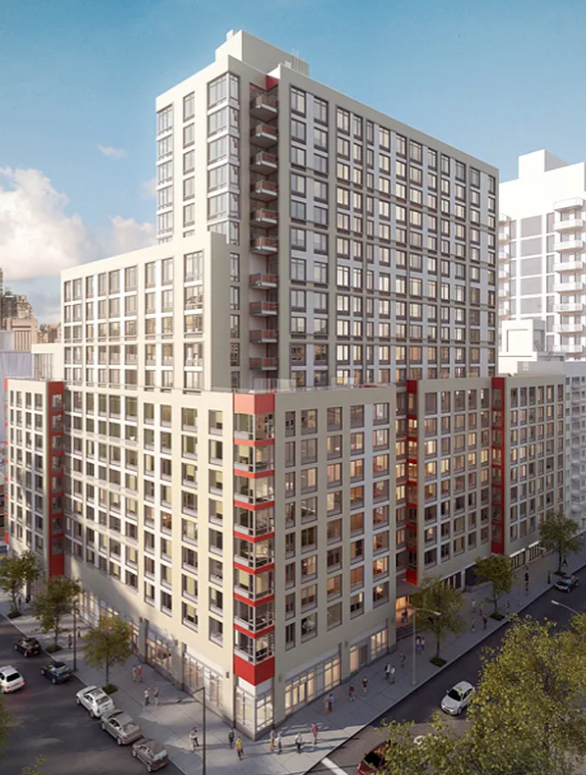
41-42 24 St
Long Island City

120 East 34 Street
Midtown East

235 West 56 Street
Midtown

225 East 63 Street
Lenox Hill

271 West 47 Street
Midtown

125 W 31 St
Midtown South

260 West 52 Street
Midtown

66 Rockwell Place
Fort Greene
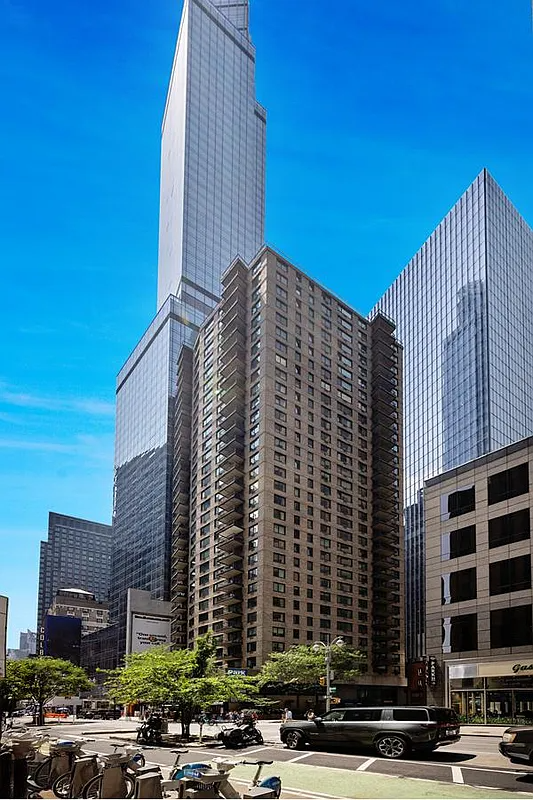
230 West 55 Street
Midtown
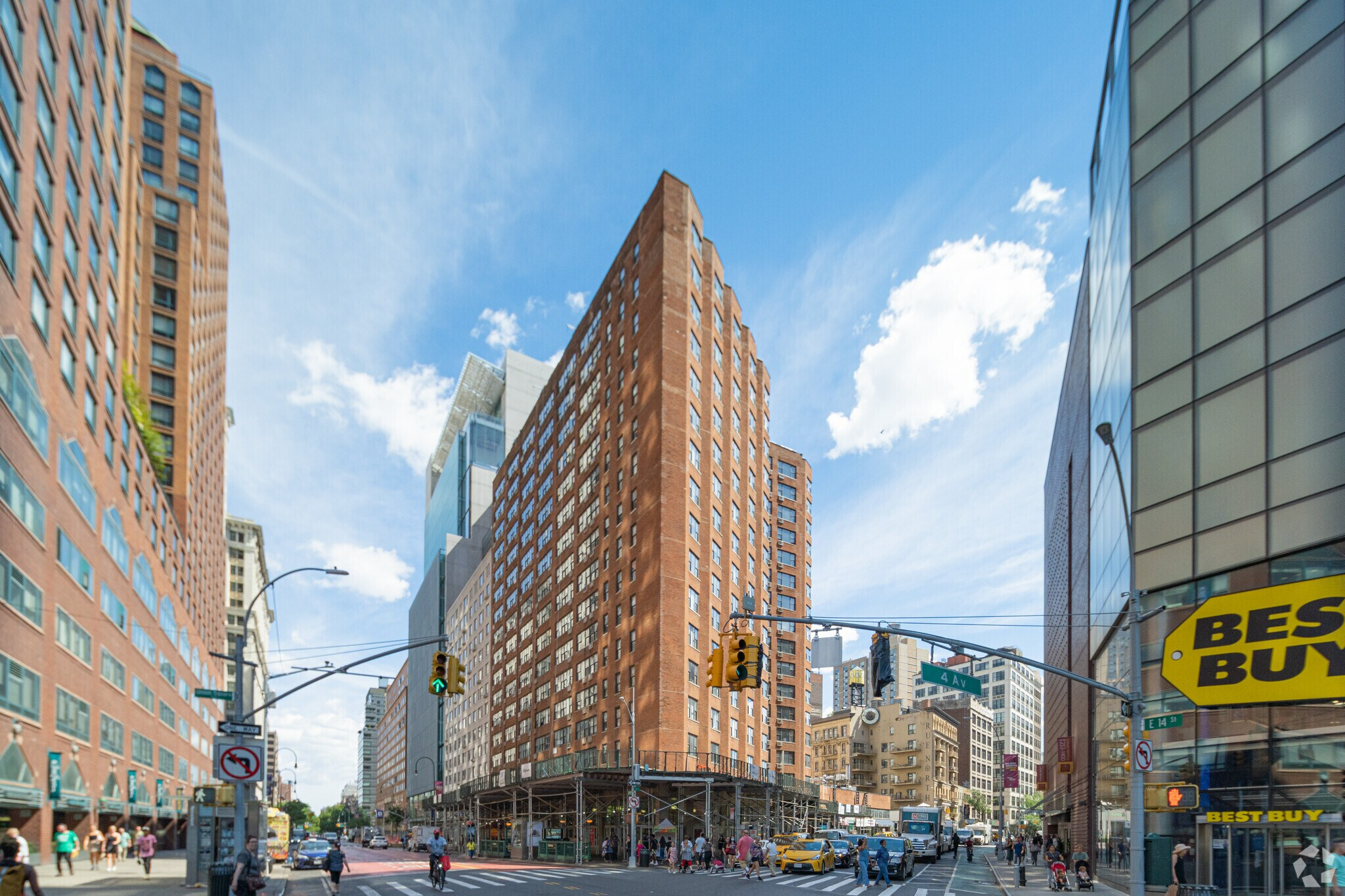
145 4 Avenue
East Village

66 West 38 Street
Midtown South

101 West 15 Street
Chelsea

30-02 39 Avenue
Long Island City

201 East 69 Street
Lenox Hill
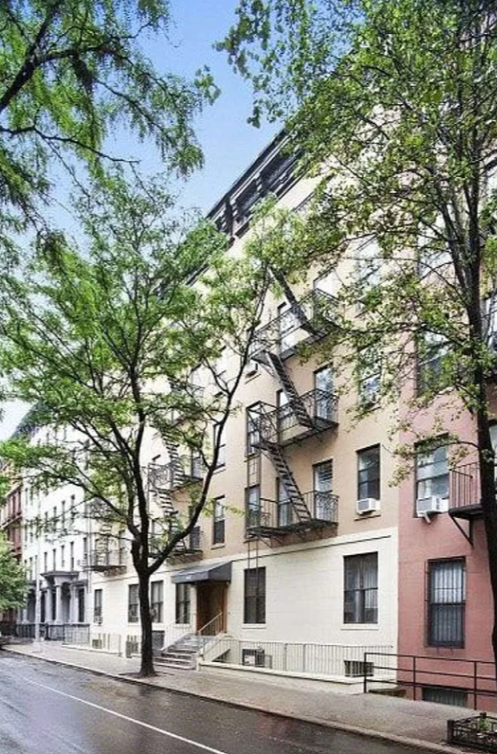
440 West 47 Street
Hell's Kitchen
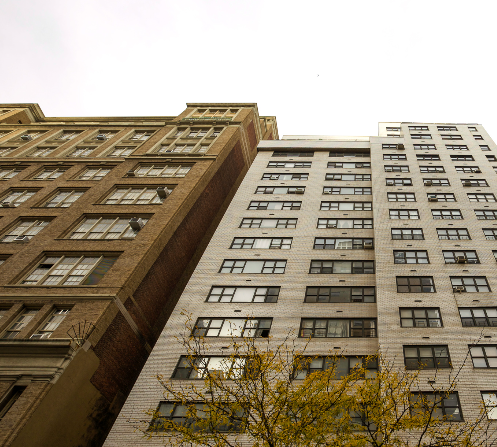
145 East 16 Street
Gramercy Park

662 Pacific Street
Prospect Heights
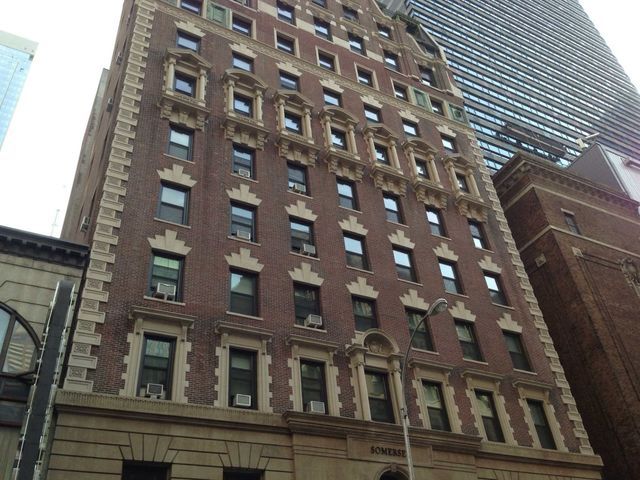
150 West 47 Street
Midtown
What to check before choosing a building with rent-stabilized apartments near the N train in NYC
- Confirm the unit’s status: rent-stabilized eligibility can vary by unit, renewal history, and lease type—ask the management to document the status before applying.
- Check commute logistics: “near the N train” can mean different walking times and transfer options, so verify the exact station and route you would use daily.
- Be ready for application requirements: request a clear list of fees, required documents, and the expected timeline for approval and move-in.
- Verify lease terms in writing: rent-stabilized leases still have specific renewal and vacancy rules, so ask what applies to the specific unit you’re considering.
- If you’re using open-data indicators (including any recorded violations), ask for the building’s most recent updates directly—public records can lag real-world conditions.