

Buildings with rent-stabilized apartments near the N train in NYC
This page helps you find buildings with rent-stabilized apartments near the N train across NYC. Openigloo shows 5,398+ eligible buildings that match the rent-stabilized filter and are relevant to N-line commuting. Use Openigloo to narrow your options before you tour: compare building signals, read what rated buildings say in reviews, and review tenant Q&A where available. Where Openigloo includes open-data signals (like recorded violations), treat them as starting points and confirm details with the building management before signing a lease.
Buildings with rent-stabilized apartments near the N train in NYC
Showing 3,205–3,222 of 5,395 buildings with rent-stabilized apartments near the N train in NYC.
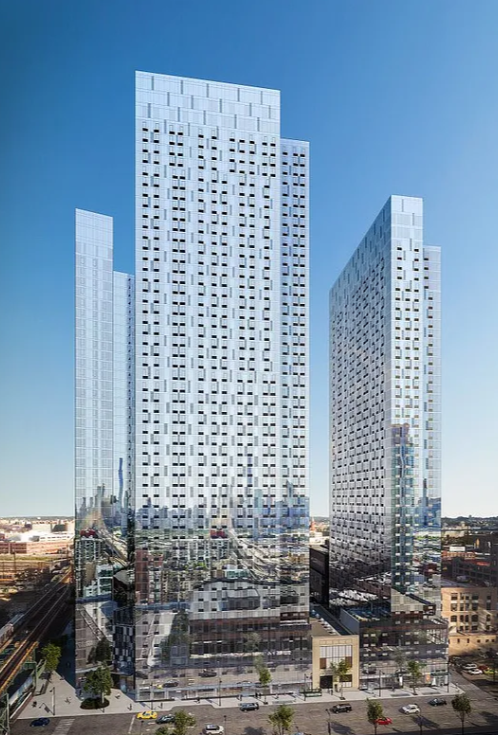
28-30 Jackson Avenue
Hunters Point
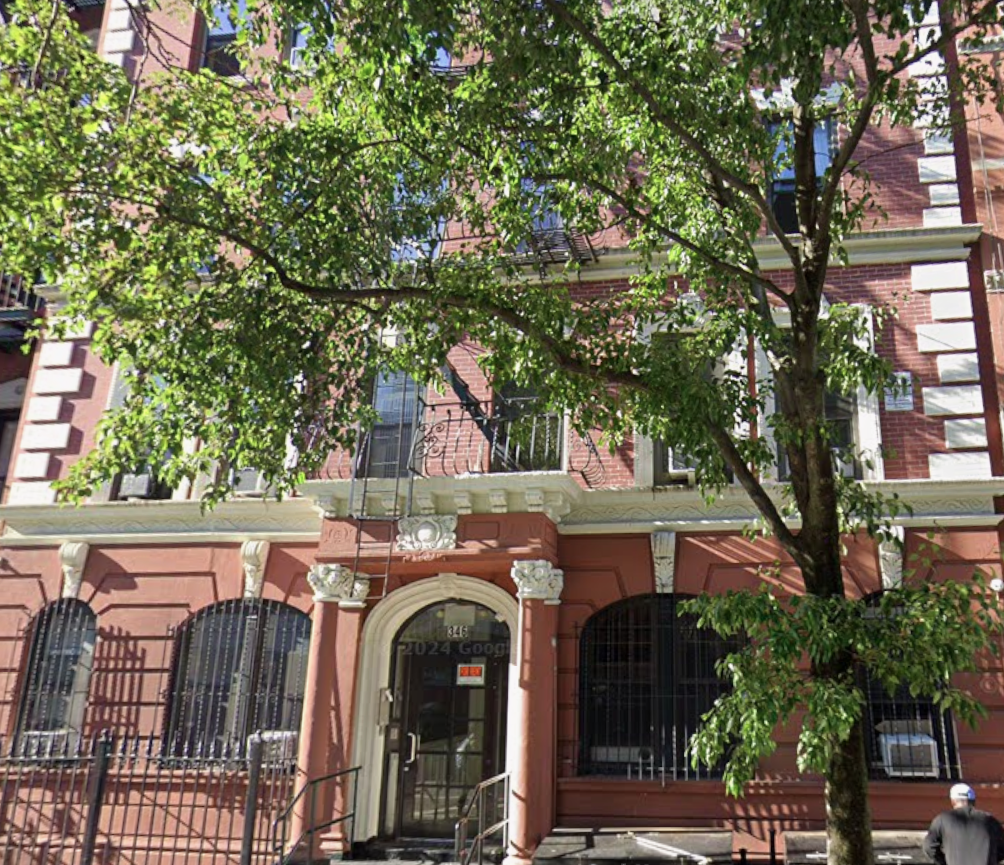
346 E 13 St
East Village
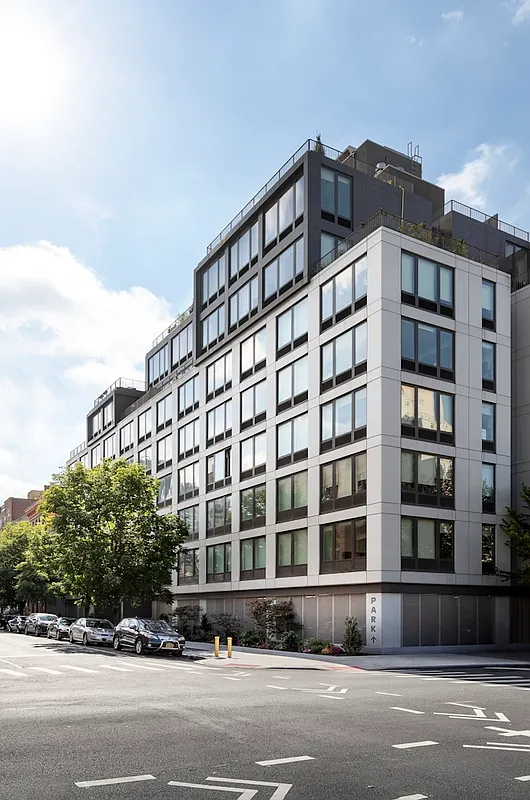
316 Bergen Street
Boerum Hill
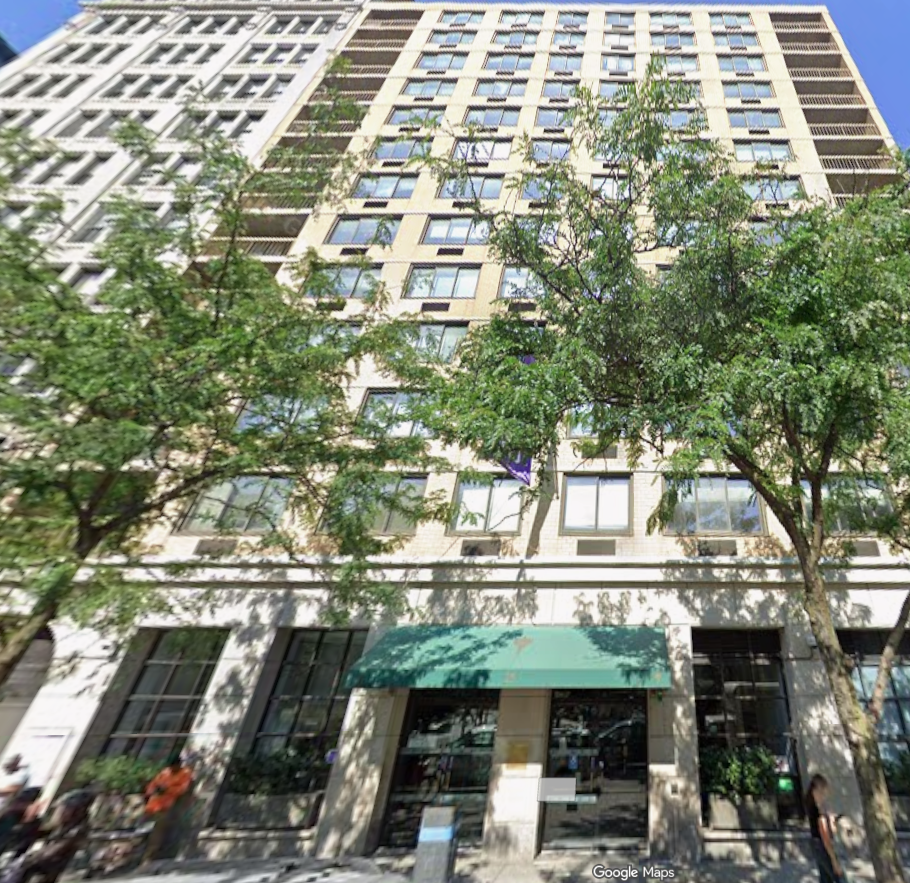
25 Union Square West
Flatiron
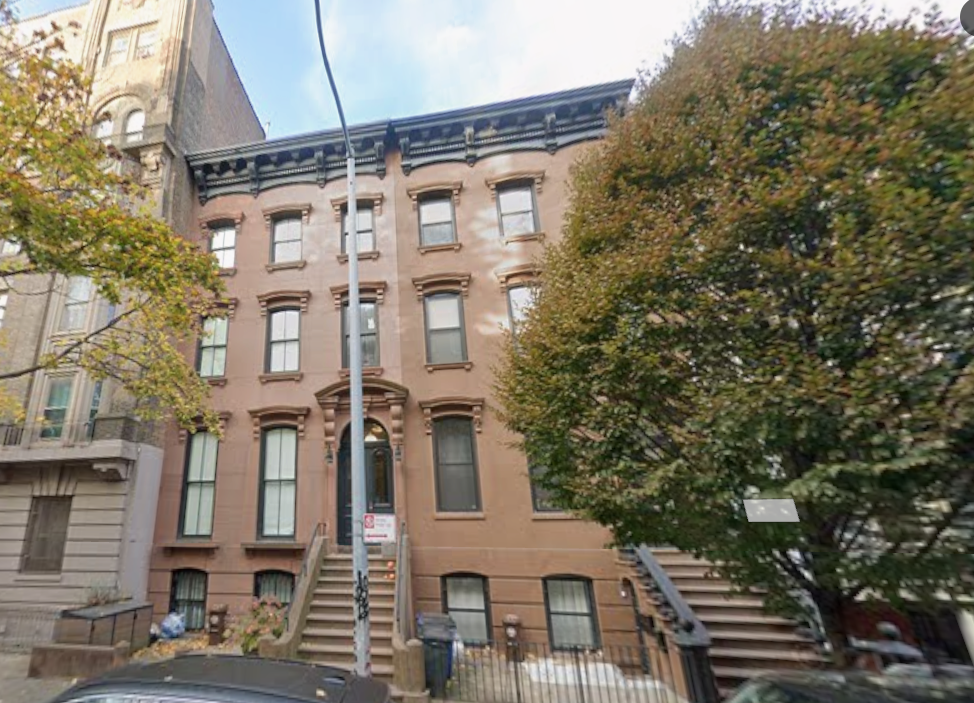
253 Cumberland Street
Fort Greene

350 West 42 Street
Hell's Kitchen

247 West 53 Street
Midtown
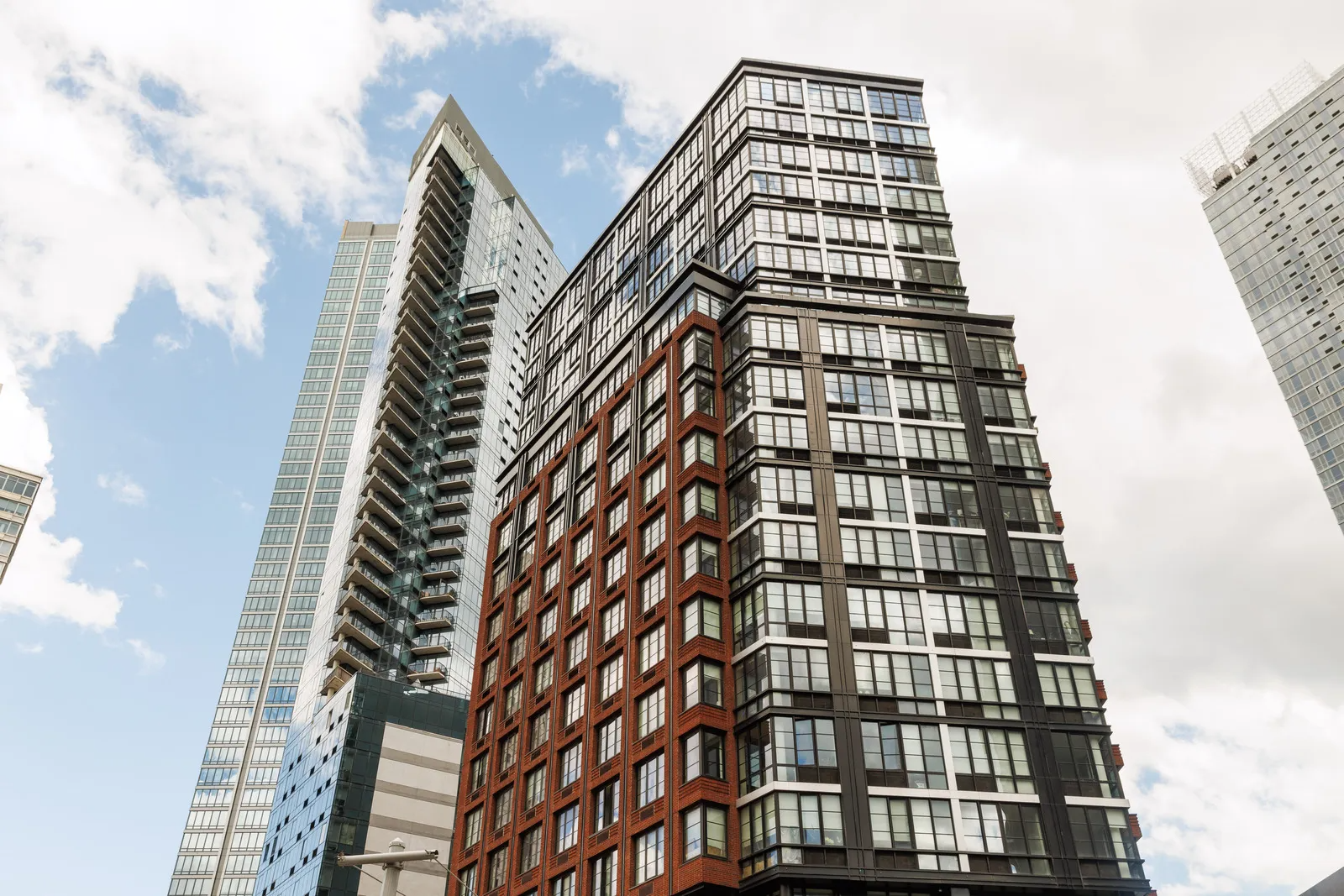
1 Flatbush Avenue
Fort Greene
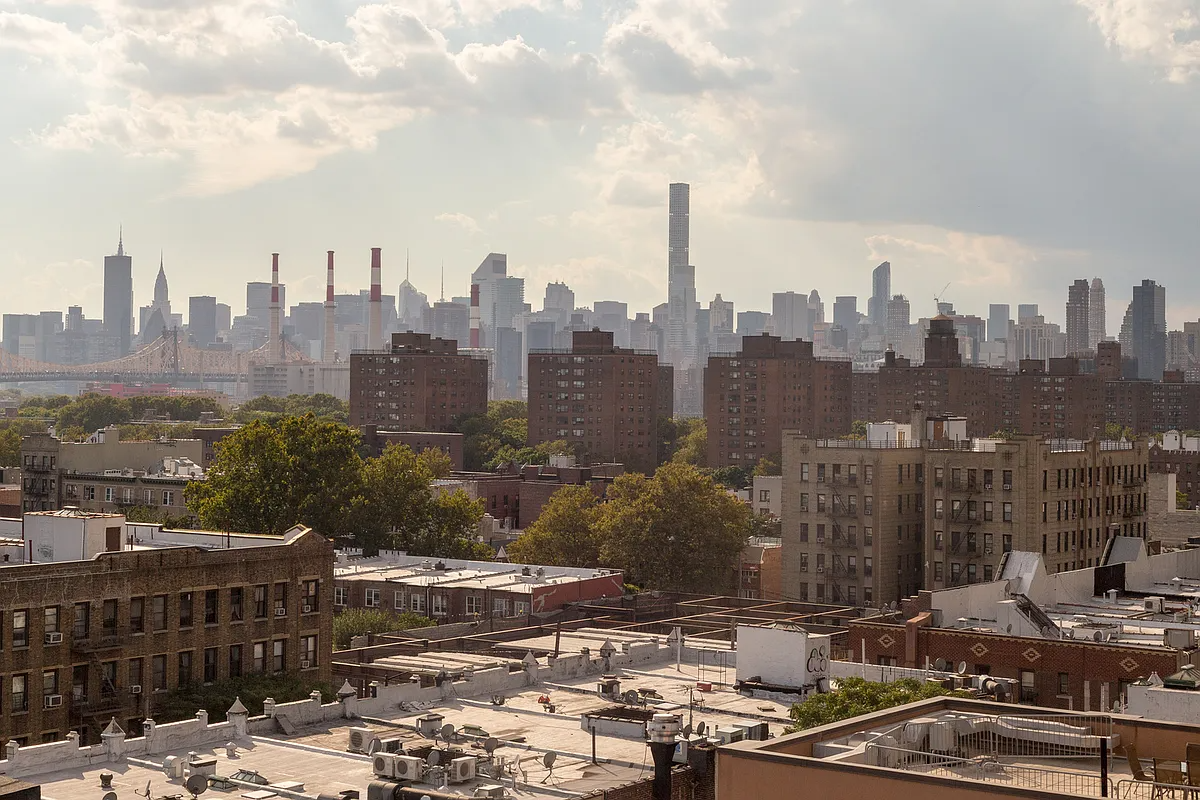
31-57 31 Street
Astoria
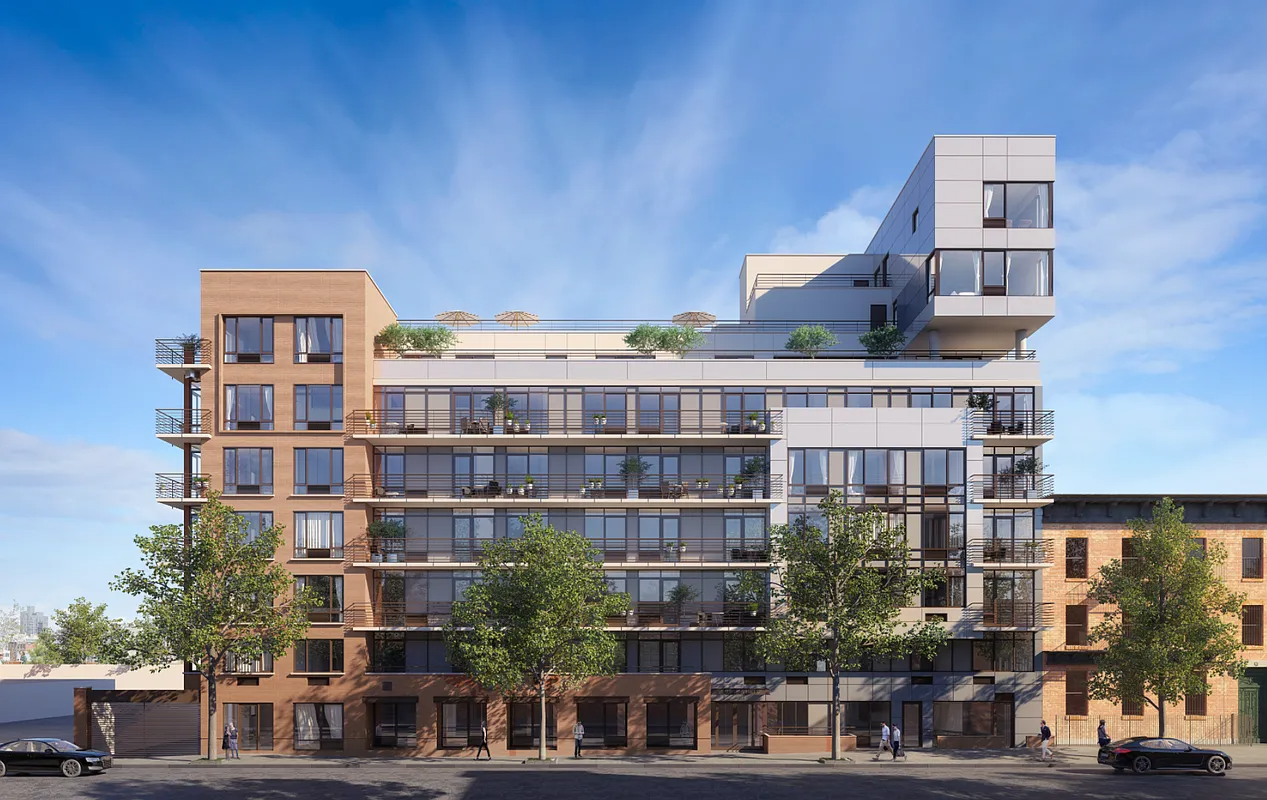
595 Baltic Street
Boerum Hill
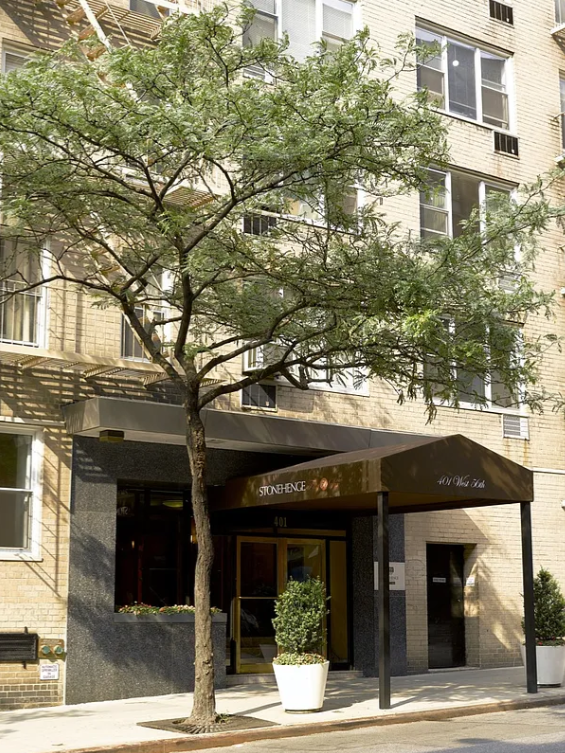
401 West 56 Street
Hell's Kitchen

515 9 Avenue
Hudson Yards

220 East 22 Street
Gramercy Park

315 West 57 Street
Hell's Kitchen
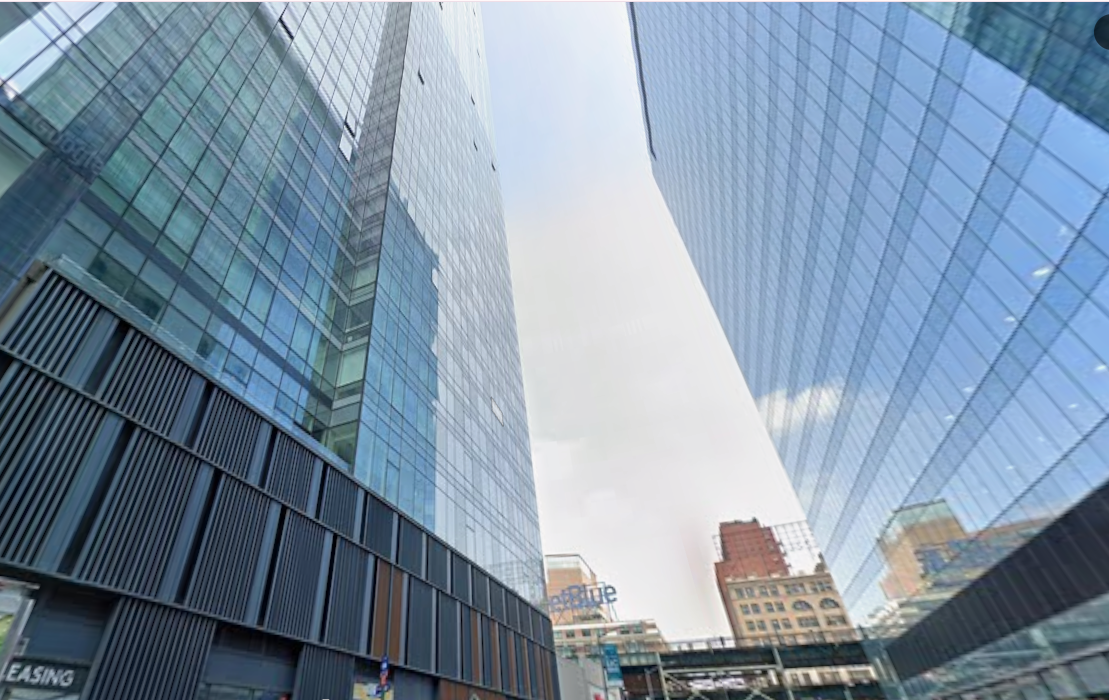
42-12 28 St
Hunters Point

341 West 45 Street
Hell's Kitchen
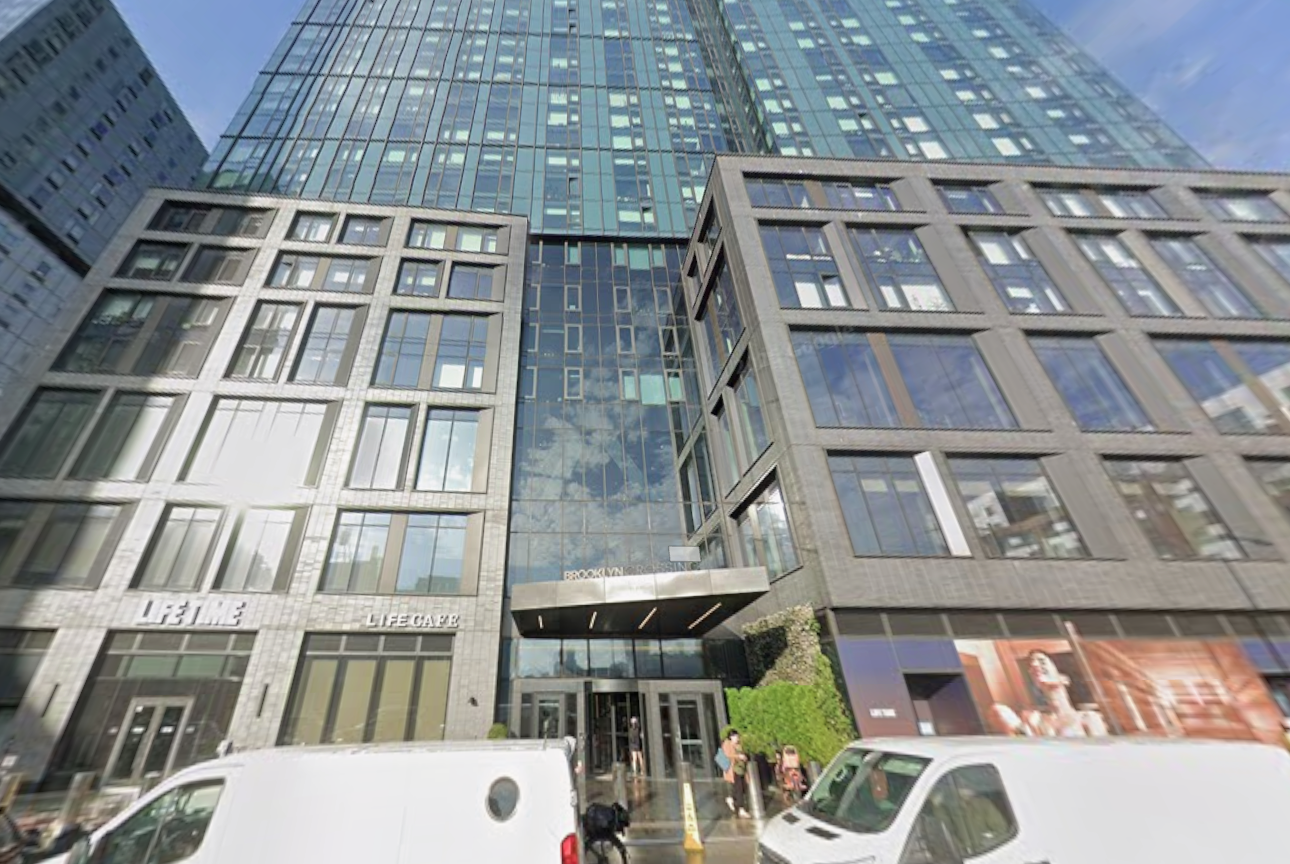
3426300-3011180004
Prospect Heights
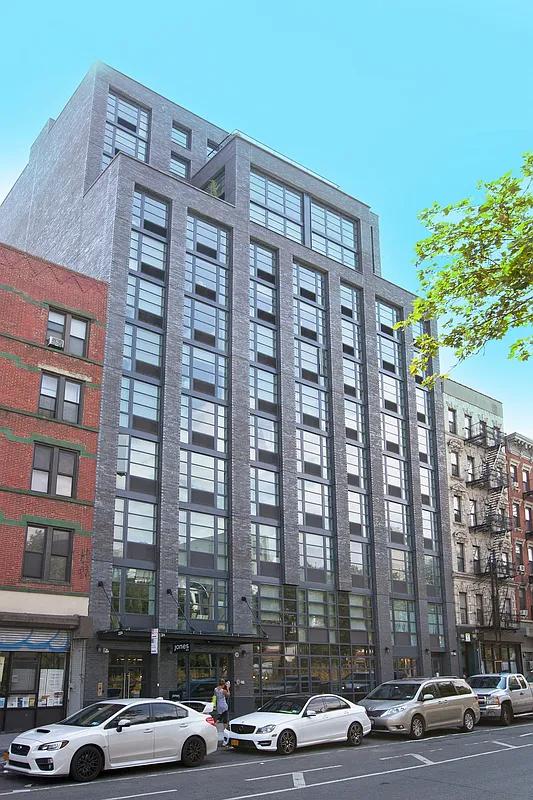
300 Ashland Place
Fort Greene
What to check before choosing a building with rent-stabilized apartments near the N train in NYC
- Confirm the unit’s status: rent-stabilized eligibility can vary by unit, renewal history, and lease type—ask the management to document the status before applying.
- Check commute logistics: “near the N train” can mean different walking times and transfer options, so verify the exact station and route you would use daily.
- Be ready for application requirements: request a clear list of fees, required documents, and the expected timeline for approval and move-in.
- Verify lease terms in writing: rent-stabilized leases still have specific renewal and vacancy rules, so ask what applies to the specific unit you’re considering.
- If you’re using open-data indicators (including any recorded violations), ask for the building’s most recent updates directly—public records can lag real-world conditions.