

Buildings highly rated for water pressure near the QM4 bus in NYC
This page helps you find buildings highly rated for water pressure near the QM4 bus in NYC. Right now, there are 40+ buildings that match the “best-water-pressure” signal along with the QM4 bus location filter. Openigloo brings renter-first signals together: building-level ratings and patterns from what tenants share, plus open-data based context where available. You can also skim details that matter before touring—then confirm specifics with the superintendent or leasing office, since water pressure can vary by unit, floor, and recent plumbing work.
Buildings highly rated for water pressure near the QM4 bus in NYC
Showing 1–18 of 40 buildings highly rated for water pressure near the QM4 bus in NYC.

195 Lexington Avenue
Kips Bay

235 West 48 Street
Midtown

150 East 34 Street
Kips Bay

200 E 33 St
Kips Bay
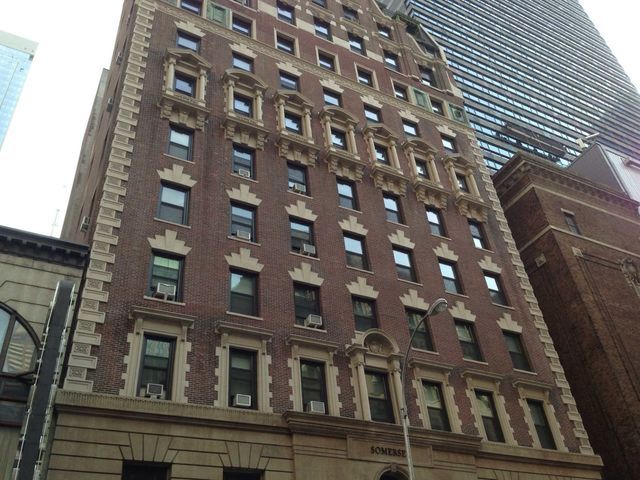
150 West 47 Street
Midtown
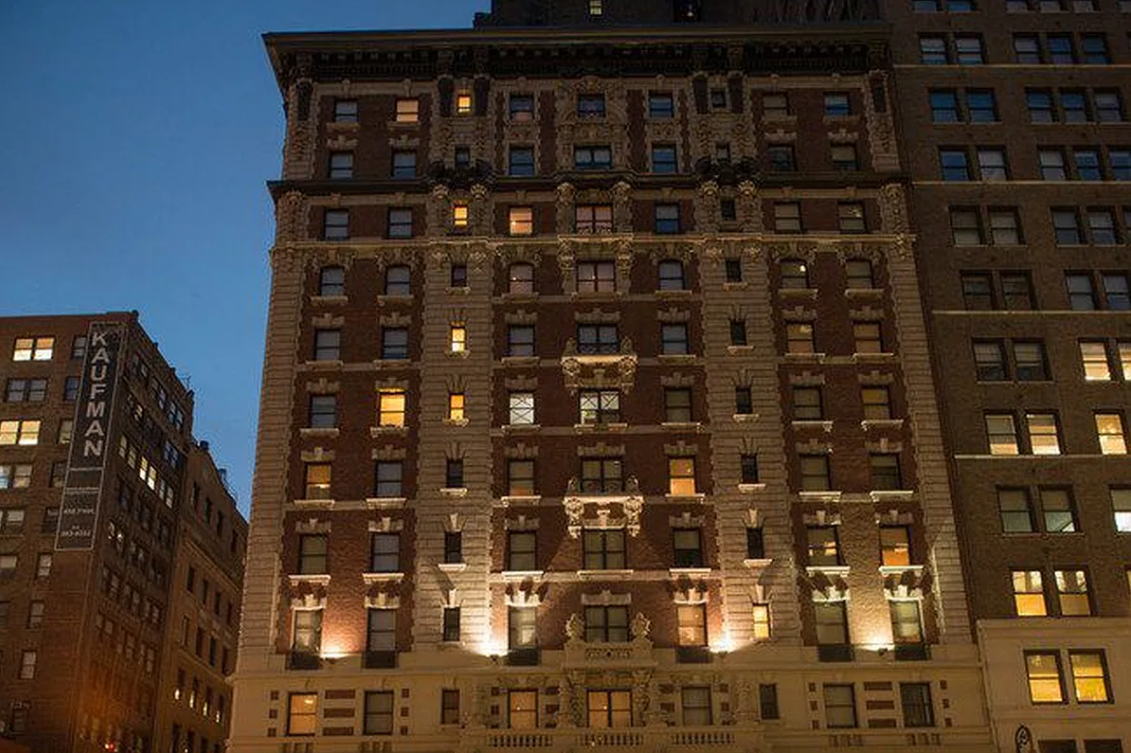
488 7 Avenue
Midtown South

49 East 34 Street
Murray Hill
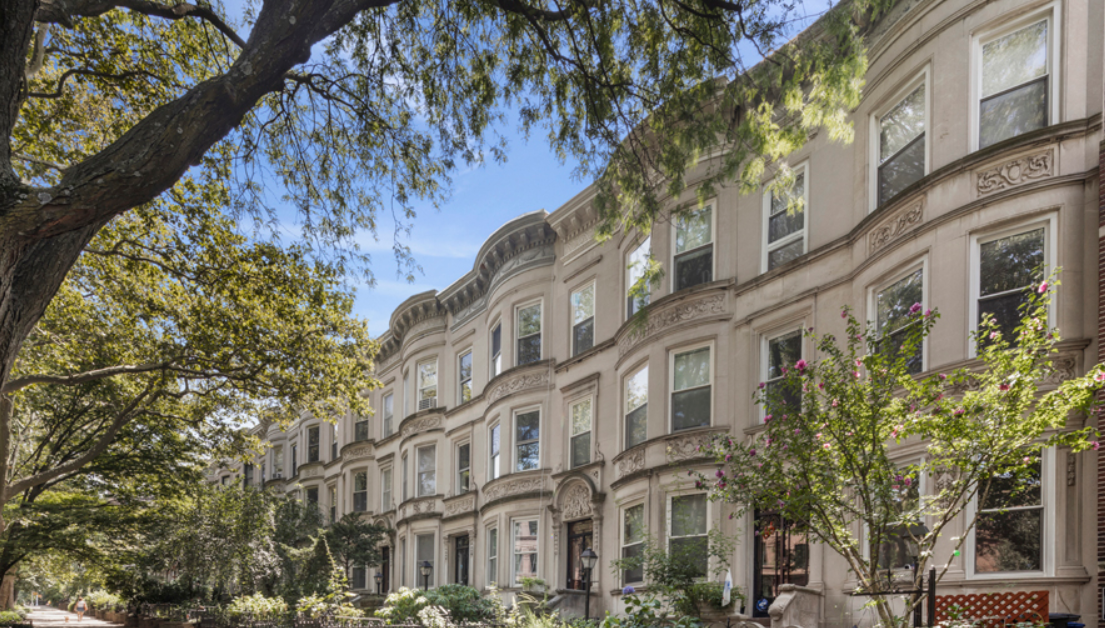
165 East 35 Street
Murray Hill

104-40 Queens Boulevard
Forest Hills
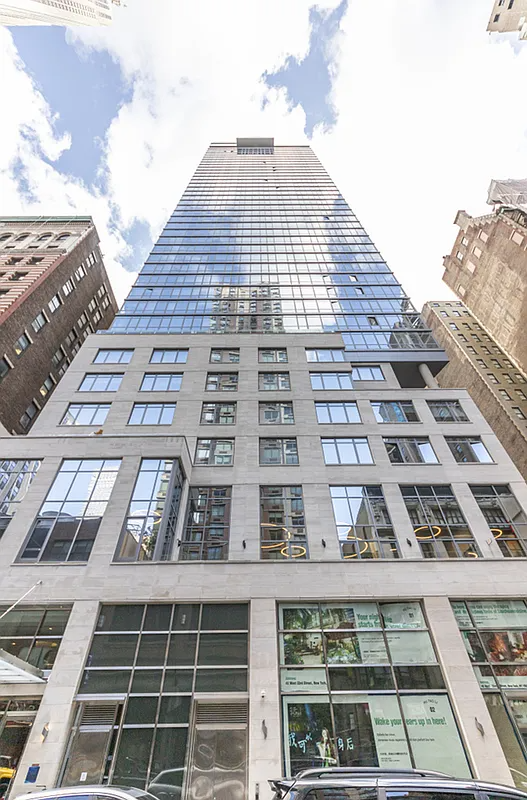
42 West 33 Street
Midtown South
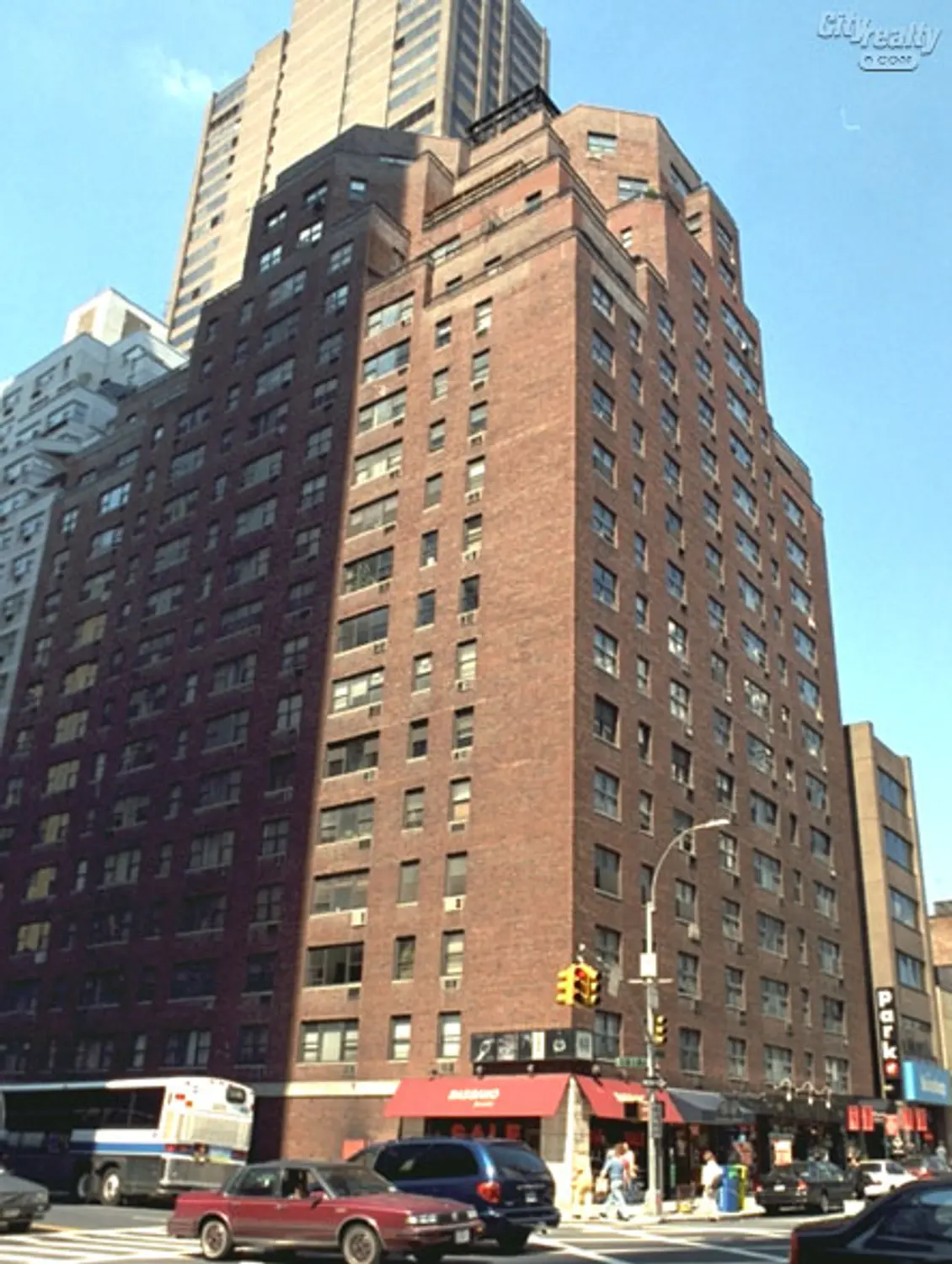
157 East 57 Street
Sutton Place

150 East 57 Street
Sutton Place

101 West 55 Street
Midtown

166 East 34 Street
Kips Bay

35 West 33 Street
Midtown South

155 East 34 Street
Murray Hill

1600 Broadway
Midtown

36E West 35 Street
Midtown South
What to check before choosing a building highly rated for water pressure near the QM4 bus in NYC
- Use the water-pressure rating to narrow your tour list, then read the relevant comments to see what tenants experienced (unit type, floor, and any maintenance notes).
- Because the QM4 bus filter is location-based, double-check the exact building address and walk/transit time for your routine route.
- Ask the building for recent plumbing or pressure-regulator work orders, and whether maintenance logs mention supply issues or recurring complaints.
- Confirm how pressure is measured or described for your specific unit (cold vs. hot, bathrooms vs. kitchen), especially if you’re sensitive to showers or high-flow fixtures.
- Verify any fees tied to utilities or metering (and who pays water)—higher pressure doesn’t always mean lower monthly costs.