

Buildings with low open violation rates near the M21 bus in Manhattan
This page surfaces buildings in Manhattan with low open-violation rates, filtered to those along the M21 bus route. You’re looking at 1,104+ eligible buildings based on the open-data signals Openigloo tracks. Use Openigloo to compare buildings with more than one data point: tenant-written context in reviews, building details and timelines, and targeted Q&A so you can sanity-check what the records show before you sign a lease.
Buildings with low open violation rates near the M21 bus in Manhattan
Showing 505–522 of 1,104 buildings with low open violation rates near the M21 bus in Manhattan.
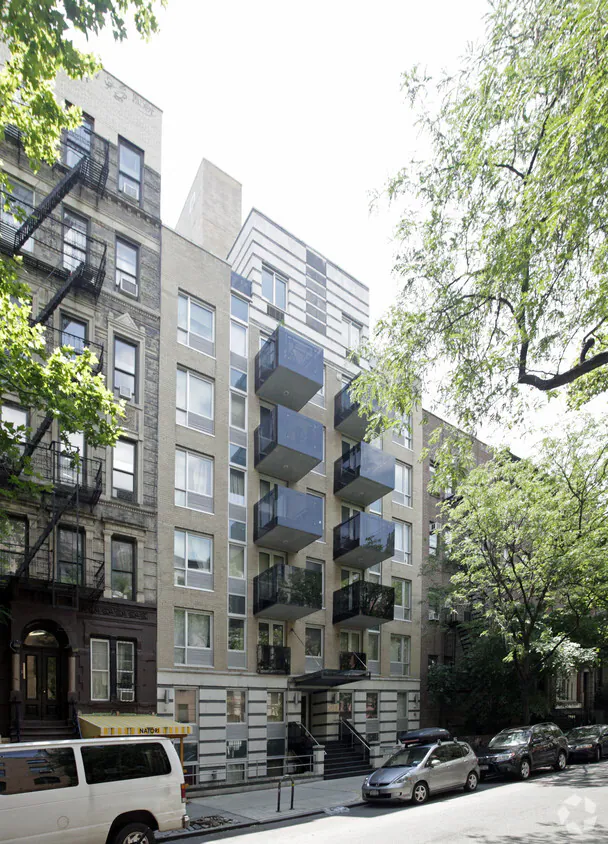
56 St Marks Place
East Village
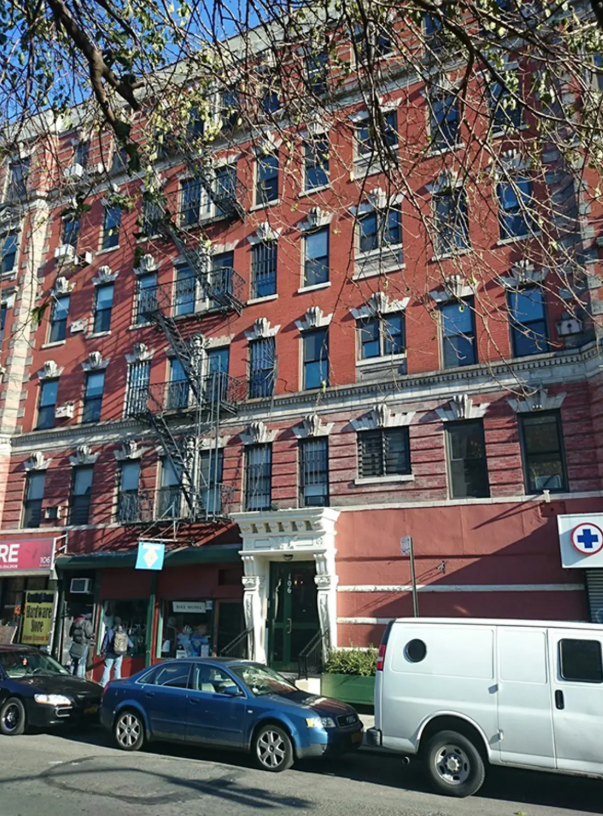
106 Ridge Street
Lower East Side

310 East 2 Street
East Village
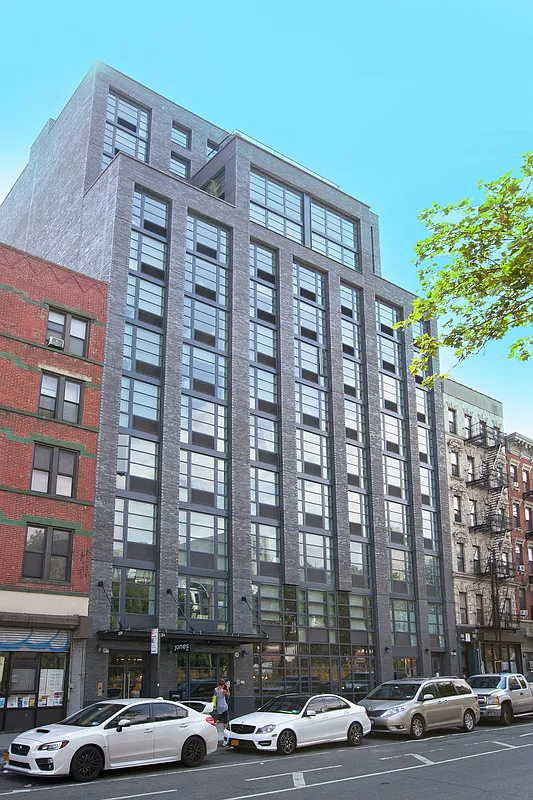
331 East Houston Street
Lower East Side

222 East 3 Street
East Village
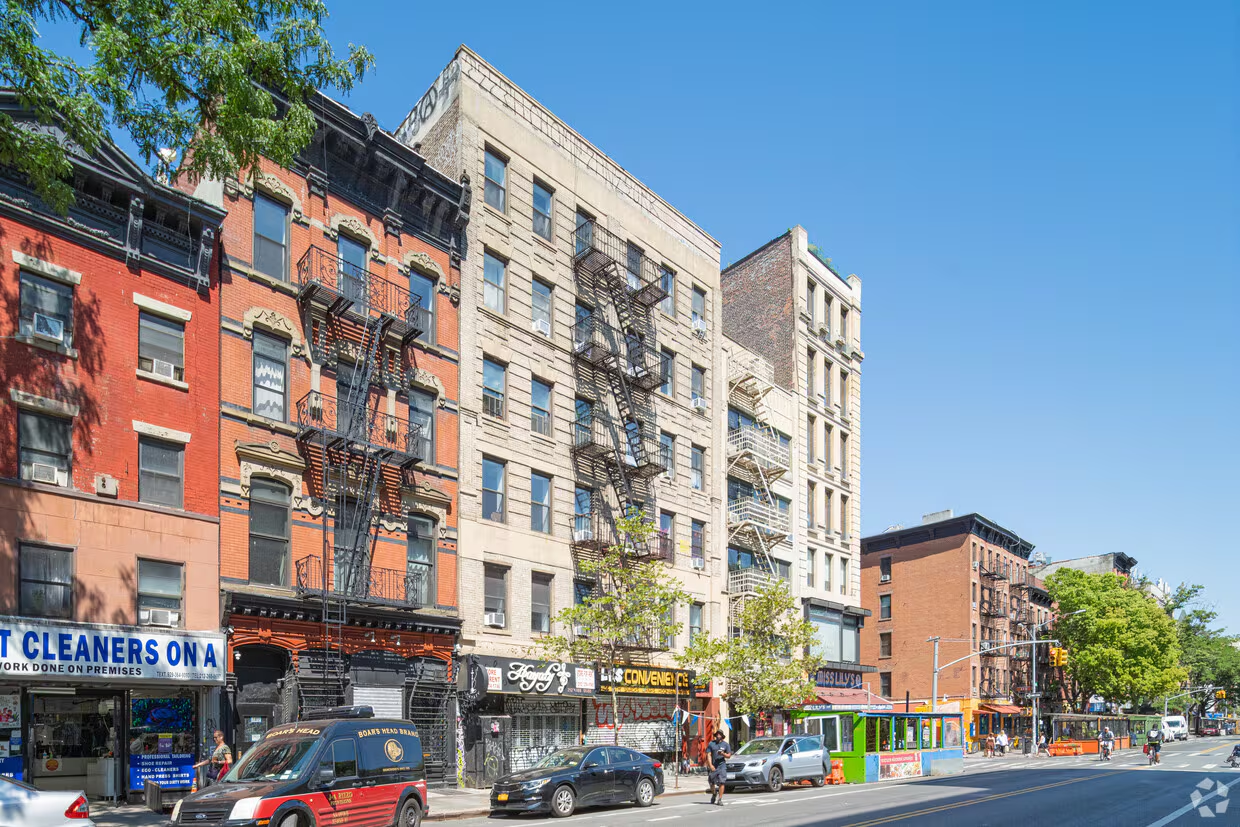
103 Avenue A
East Village
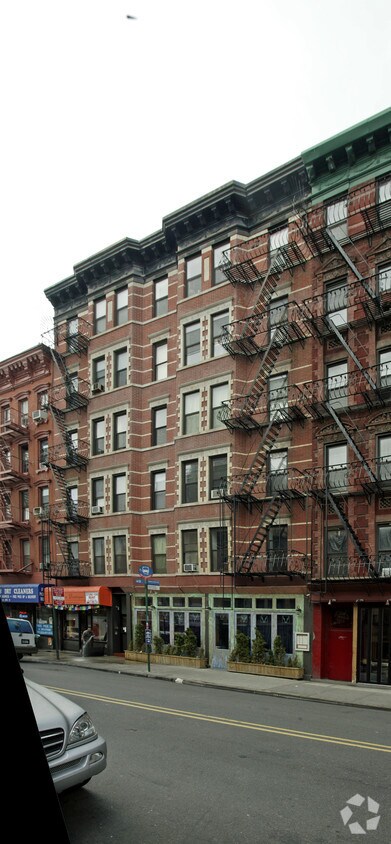
46 Avenue B
East Village
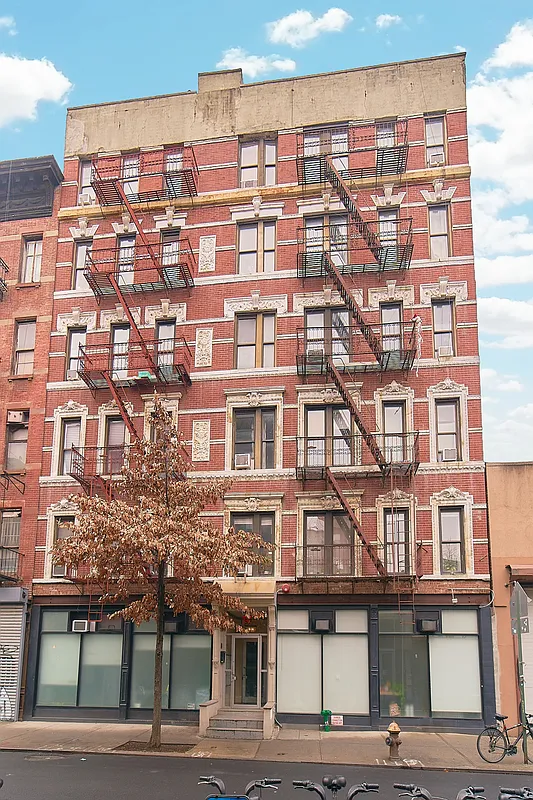
157 Suffolk Street
Lower East Side
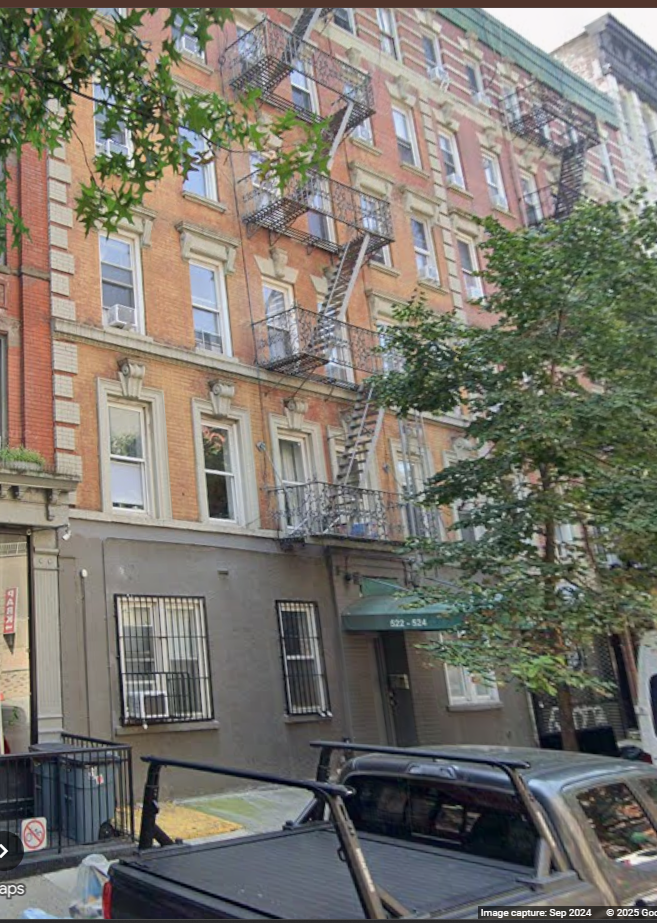
522 East 11 Street
East Village

20 Avenue A
East Village

61 Delancey Street
Lower East Side
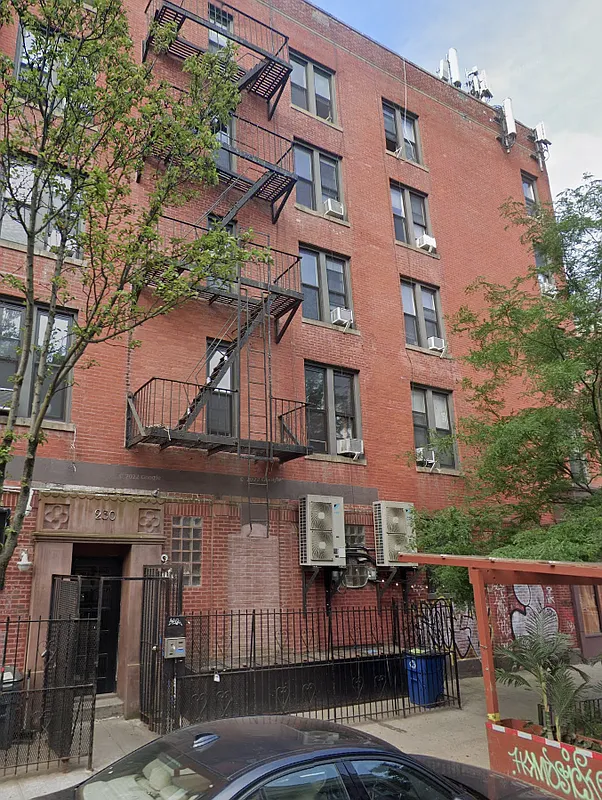
230 East 7 Street
East Village
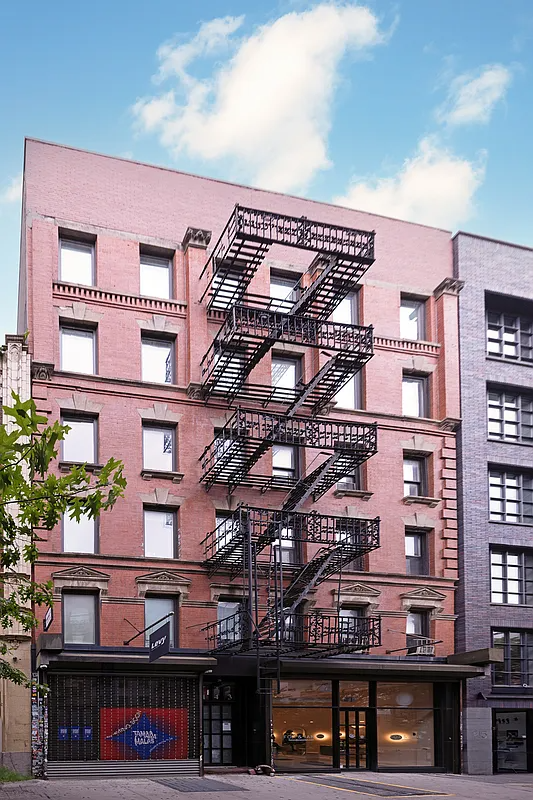
143 Ludlow Street
Lower East Side
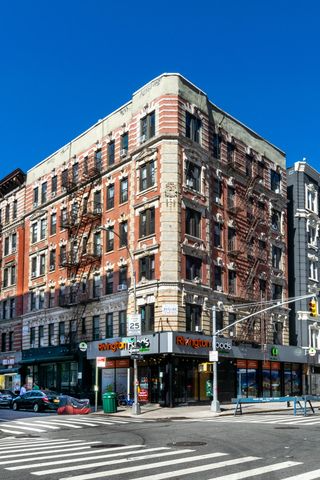
10 Rivington Street
Lower East Side
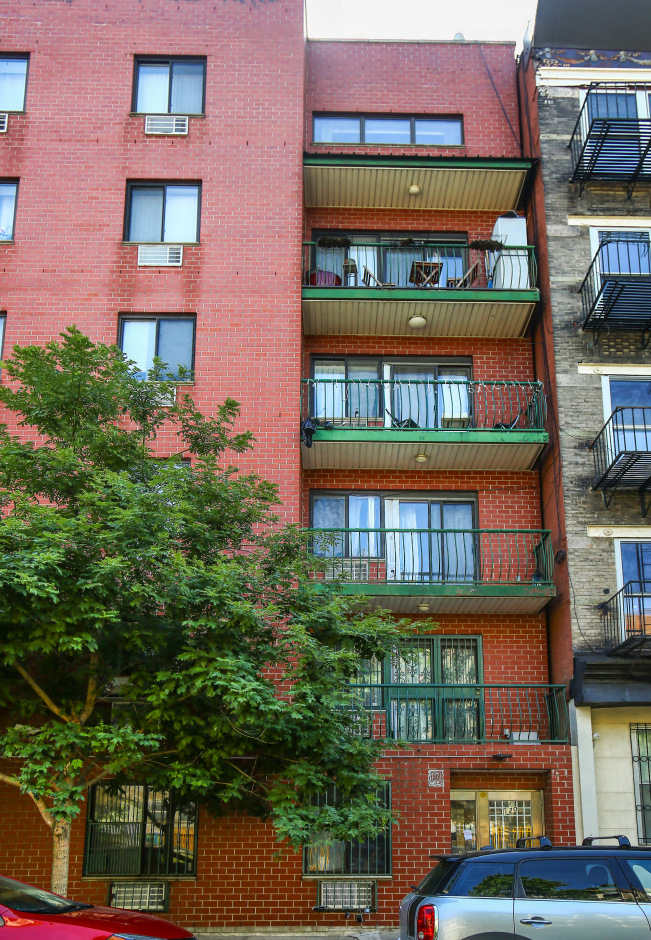
120 Ridge Street
Lower East Side
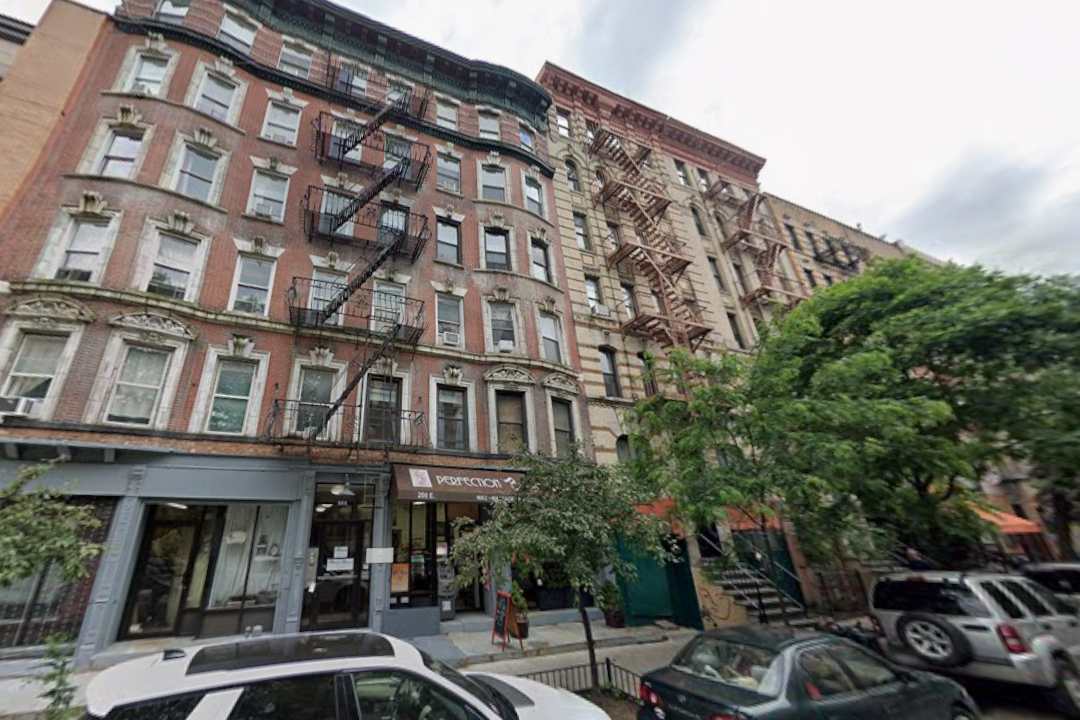
208 East 7 Street
East Village
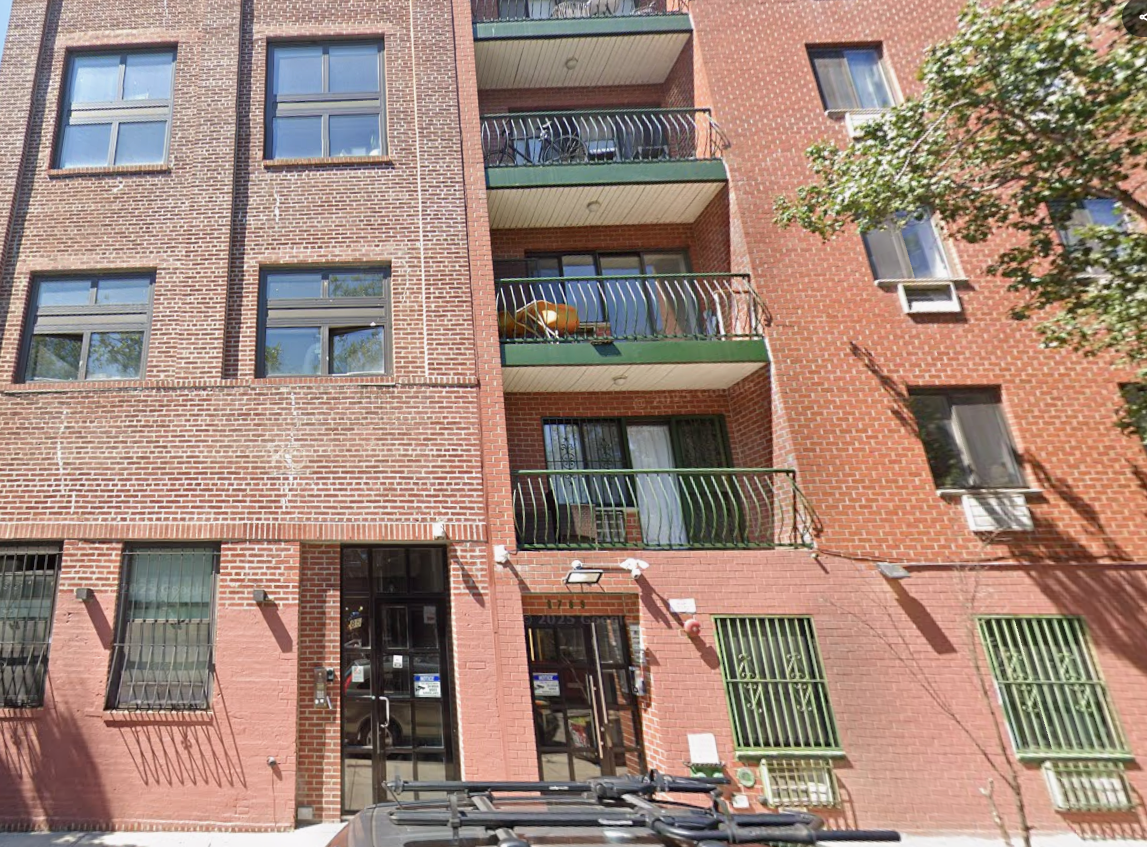
87 Attorney Street
Lower East Side
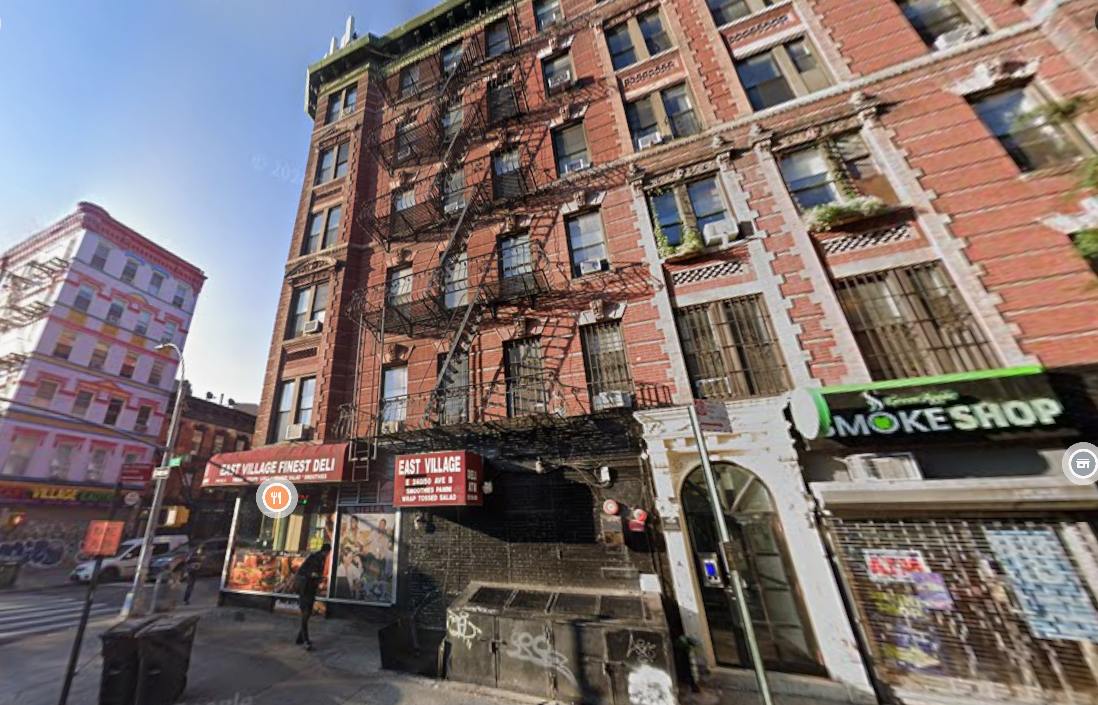
235 East 4 Street
East Village
What to check before choosing a building with low open violation rates near the M21 bus in Manhattan
- Confirm the exact location: “near the M21 bus” can vary by block, so check the cross-streets and your commute at different times of day.
- Don’t assume “low violations” means “no issues.” Ask the superintendent or management about current conditions and any recent fixes tied to vermin, leaks, mold, or heat/hot-water complaints.
- Verify the apartment-level reality: look at the unit condition report, pest history if available, and what maintenance response looks like for your specific building.
- Read the lease basics carefully: ask about rent payment schedule, renewal language, and any fees (application, move-in, key/lock, elevator reservation) that aren’t captured in building records.
- Use the record lag as a planning input, not a guarantee. Open-data signals may not reflect what’s happened since the last update, so ask for the most current status directly.