

Buildings highly rated for water pressure near the L train in Brooklyn
This page helps you find buildings highly rated for water pressure near the L train in Brooklyn. The current scope includes 341+ eligible buildings, filtered using Openigloo water-pressure signals plus the L-train area match. Use Openigloo to narrow fast: compare building ratings, read tenant feedback, and check open-data style signals tied to the building. If you’re touring, use the saved questions approach—confirm what renters report, and ask the building directly about current water pressure, maintenance response time, and any recent plumbing work.
Buildings highly rated for water pressure near the L train in Brooklyn
Showing 1–18 of 341 buildings highly rated for water pressure near the L train in Brooklyn.

10 Montieth Street
Bushwick

54 Noll Street
Bushwick

123 Melrose Street
Bushwick
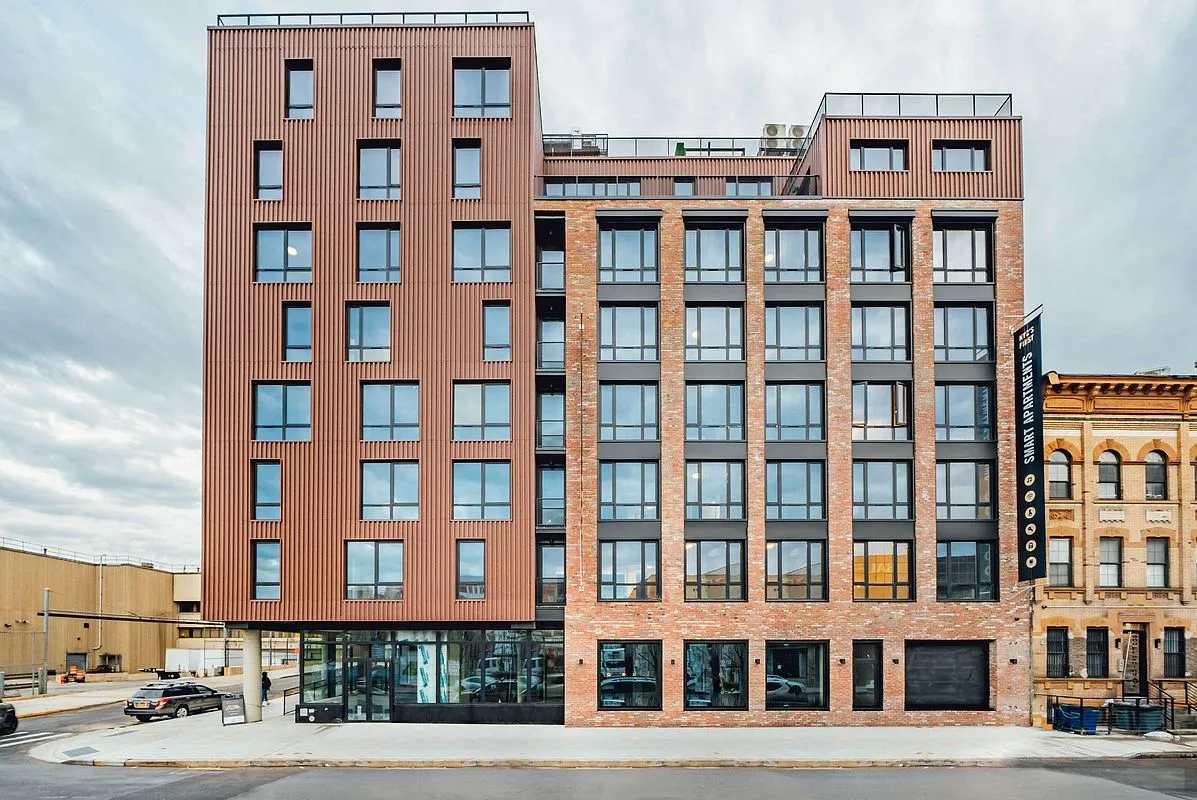
115 Stanwix St
Bushwick
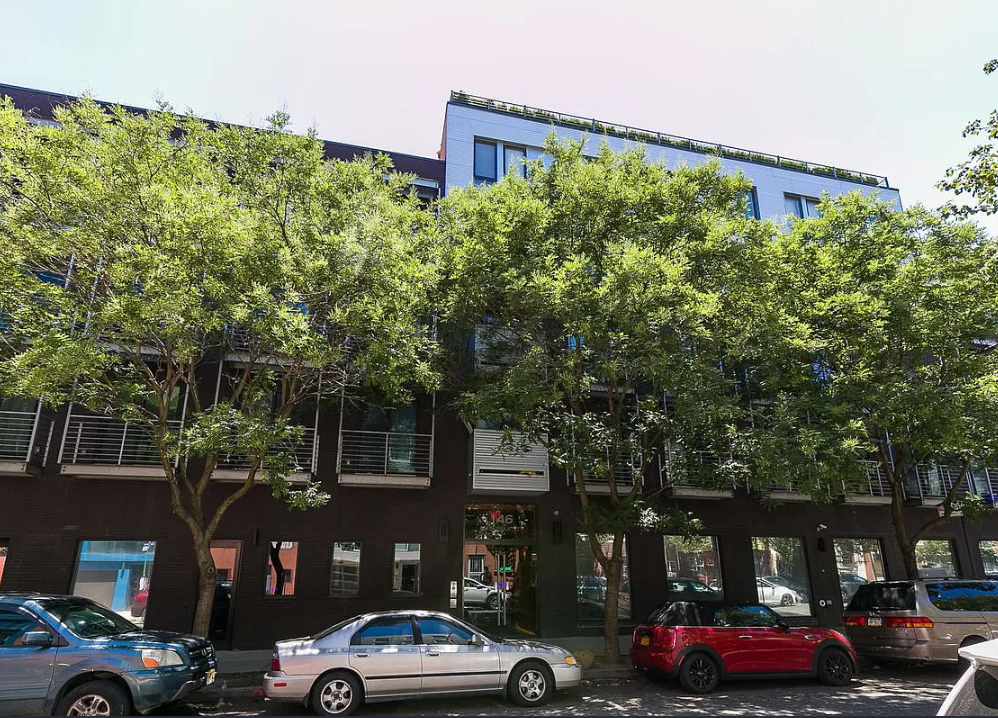
146 Meserole Street
Williamsburg
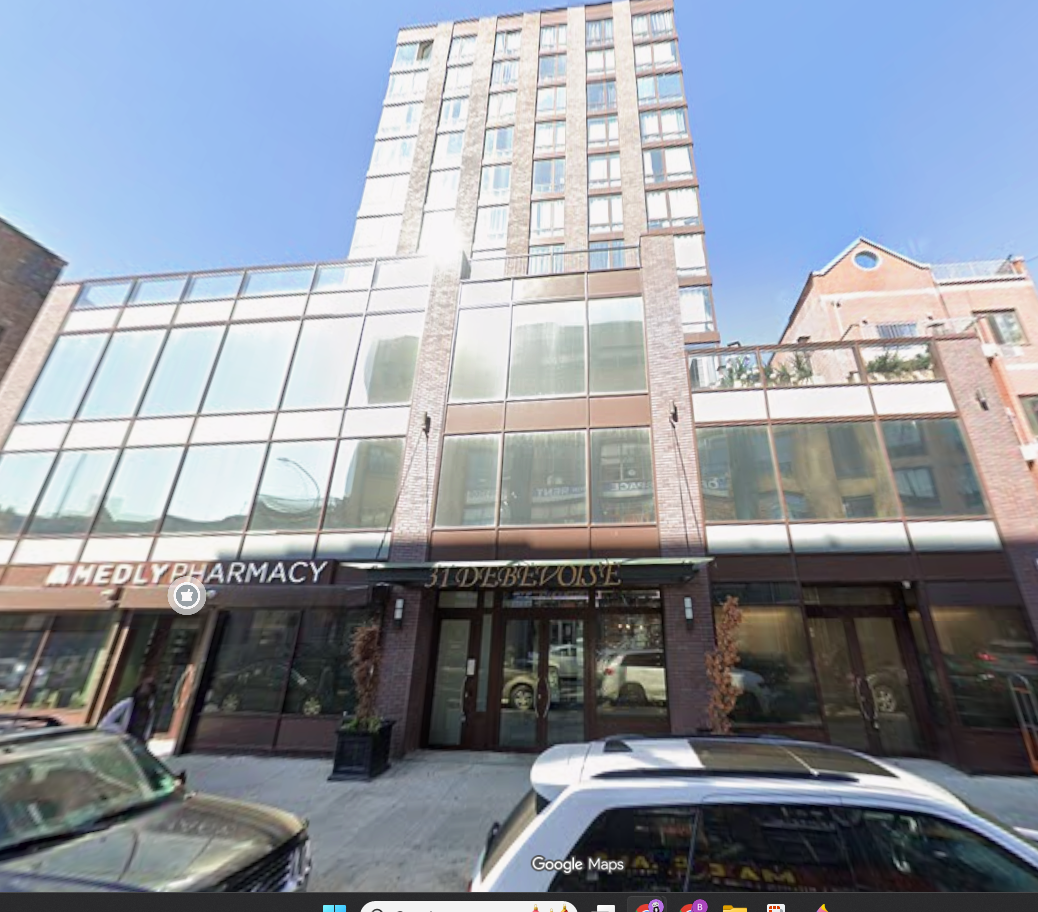
31 Debevoise Street
Williamsburg

325 Kent Avenue
Williamsburg
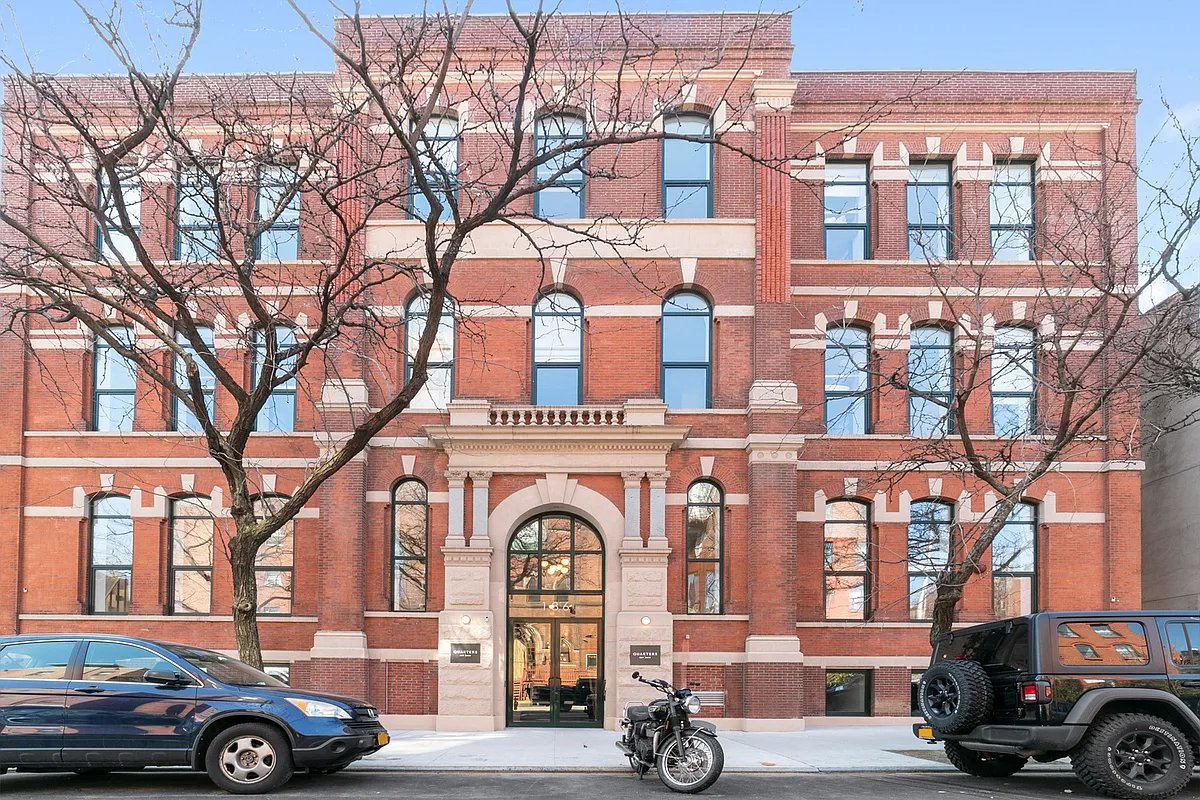
186 North 6 Street
Williamsburg
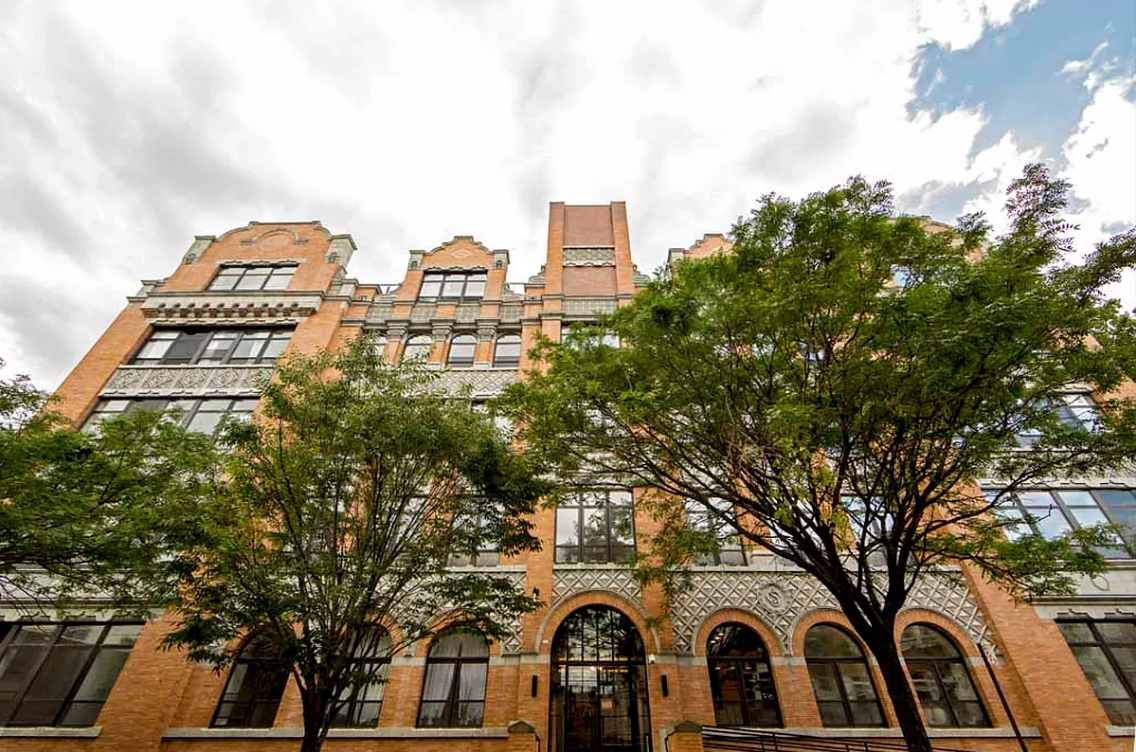
17 Monitor Street
Williamsburg

342 Eldert Street
Bushwick
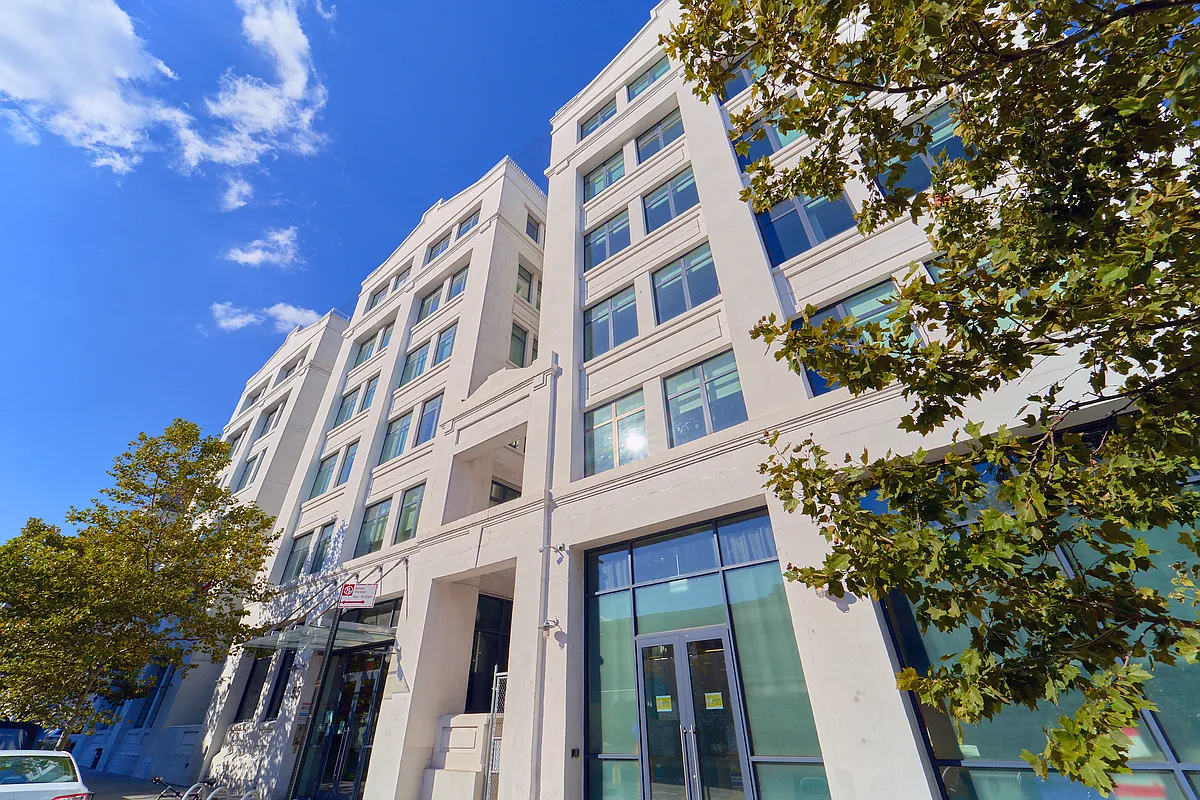
55 Hope Street
Williamsburg

336 Himrod Street
Bushwick

255 Mc Kibbin Street
East Williamsburg

250 North 10 Street
Williamsburg
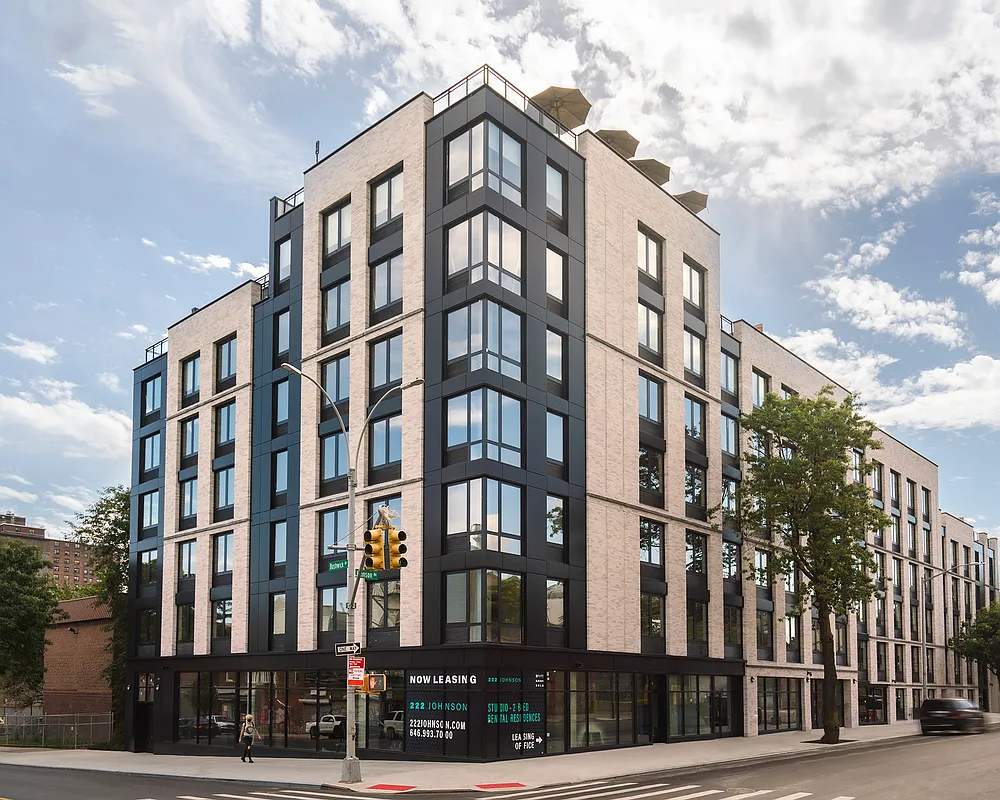
222 Johnson Avenue
Williamsburg
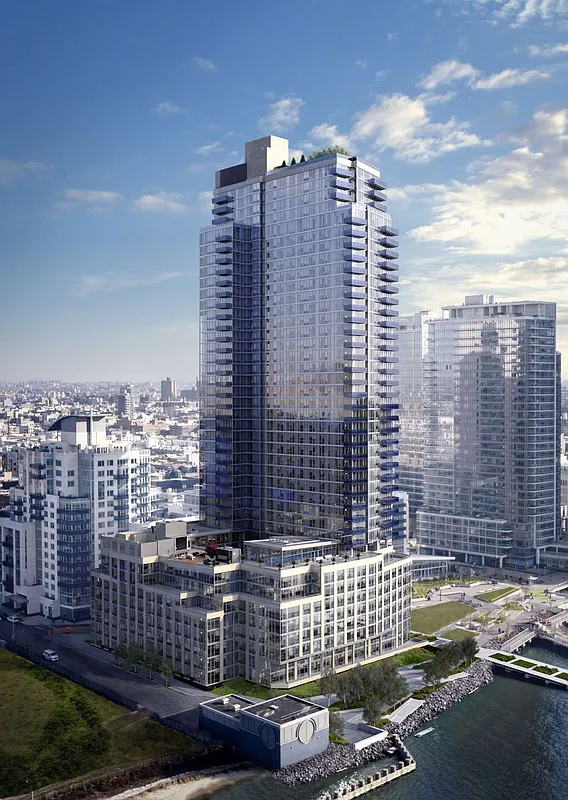
2 North 6 Place
Williamsburg
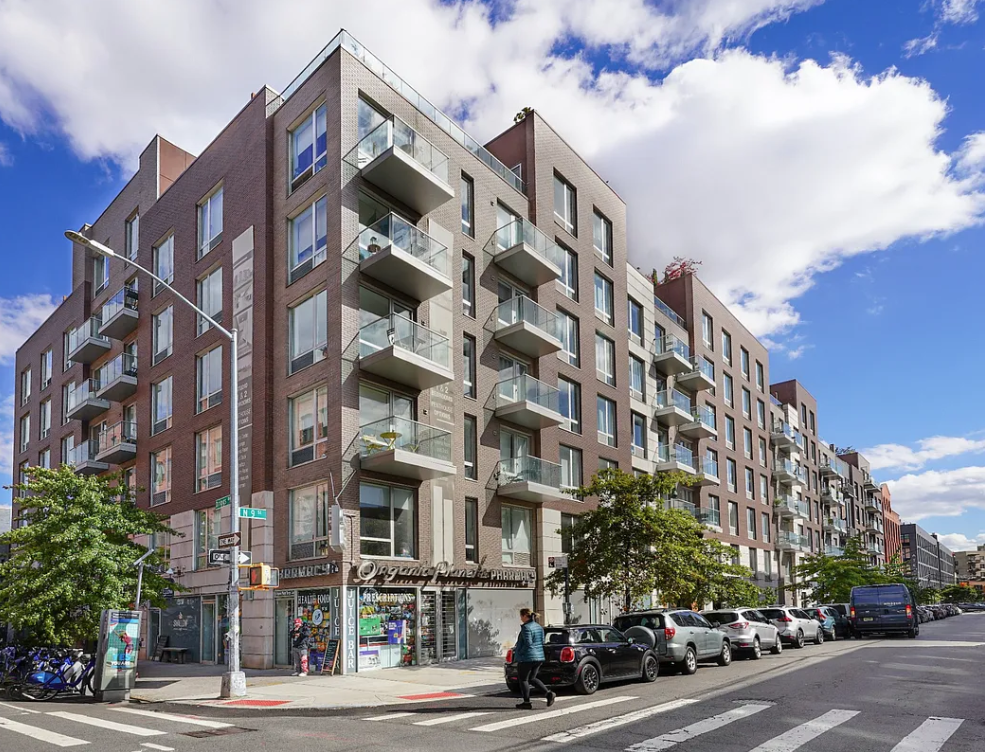
205 N 9 St
Williamsburg
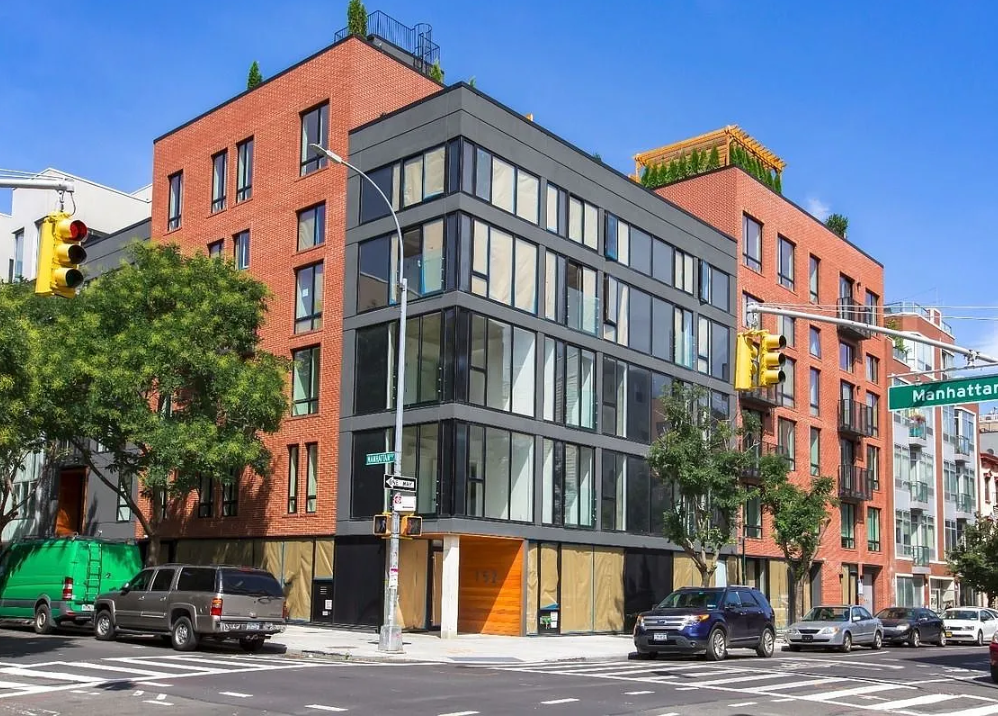
152 Manhattan Avenue
Williamsburg
What to check before choosing a building highly rated for water pressure near the L train in Brooklyn
- Start with the filter pair: water-pressure rating + L-train proximity within Brooklyn, then shortlist buildings that also match your commute needs.
- Before you sign, ask how pressure is in your exact unit (floor level, hot vs. cold, and any known intermittent issues).
- Confirm maintenance basics: when plumbing problems are reported, typical turnaround time, and whether updates are recent or ongoing.
- Inquire about building-wide plumbing conditions (recent riser replacements, pressure-reducing valves, and how management handles complaints).
- When comparing costs, request the full lease cost breakdown, since water-pressure issues can lead to service coordination or unit-specific fixes.