

Buildings with low open violation rates near NewYork-Presbyterian in NYC
Find buildings with low open violation rates near NewYork-Presbyterian in NYC. This Openigloo page pulls 1,434+ buildings that match both filters: low open violations and the NewYork-Presbyterian area scope. Use Openigloo to narrow faster with building-level review signals, plus open-data indicators for violations. You can also read tenant Q&A and ask follow-ups on maintenance, inspections, and how issues get handled in day-to-day life before you sign a lease.
Buildings with low open violation rates near NewYork-Presbyterian in NYC
Showing 865–882 of 1,434 buildings with low open violation rates near NewYork-Presbyterian in NYC.

50 Murray Street
Tribeca

245 East 63 Street
Lenox Hill

88 Fulton Street
Fulton/Seaport

100 Maiden Lane
Financial District

90 John St
Financial District

71 Broadway
Financial District

15 Park Row
Fulton/Seaport

116 John Street
Financial District

37 Wall Street
Financial District

111 Worth Street
Tribeca

19 Dutch Street
Fulton/Seaport

90 West Street
Financial District

225 East 63 Street
Lenox Hill

15 Cliff Street
Fulton/Seaport

200 E 72 St
Lenox Hill

201 East 69 Street
Lenox Hill

75 Wall Street
Financial District
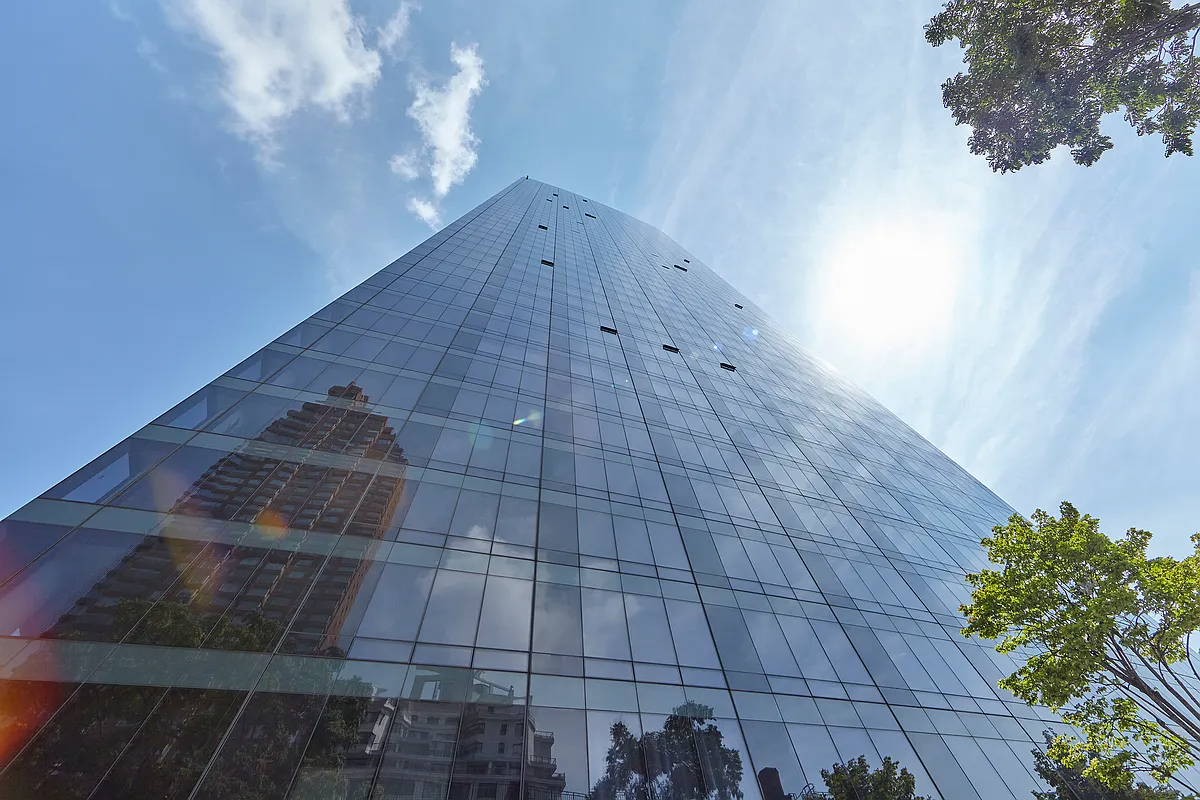
525 East 72 Street
Lenox Hill
What to check before choosing a building with low open violation rates near NewYork-Presbyterian in NYC
- Focus on building-level signals for open violations, then cross-check with what tenants say about maintenance follow-through and response times.
- Confirm the current unit’s specifics (condition at move-in, any active notices, and repair timelines) directly with the super/management before applying.
- Check lease terms that affect risk and logistics: renewal language, move-in/move-out rules, and how requests are logged and tracked.
- Ask about the building’s repair process for recurring issues (heat/water, pests, mold) and whether they keep documentation of completed work.
- If a building looks like it has fewer open violations, still request records for any recent closures and verify timelines, since conditions can change between data updates.