

Buildings with low rent increases in Manhattan
This page covers Manhattan buildings with low rent increases, with 3,853+ buildings in scope. Use it to compare buildings where tenant-friendly renewal and rent-increase patterns may matter more to your budget. Openigloo organizes the decision around what you can verify: building records surfaced as open-data signals, tenant Q&A from residents, and review context that can help you ask better questions before you sign. You can also filter by what’s available right now, then cross-check details directly with the building or management.
Buildings with low rent increases in Manhattan
Showing 19–36 of 3,853 buildings with low rent increases in Manhattan.
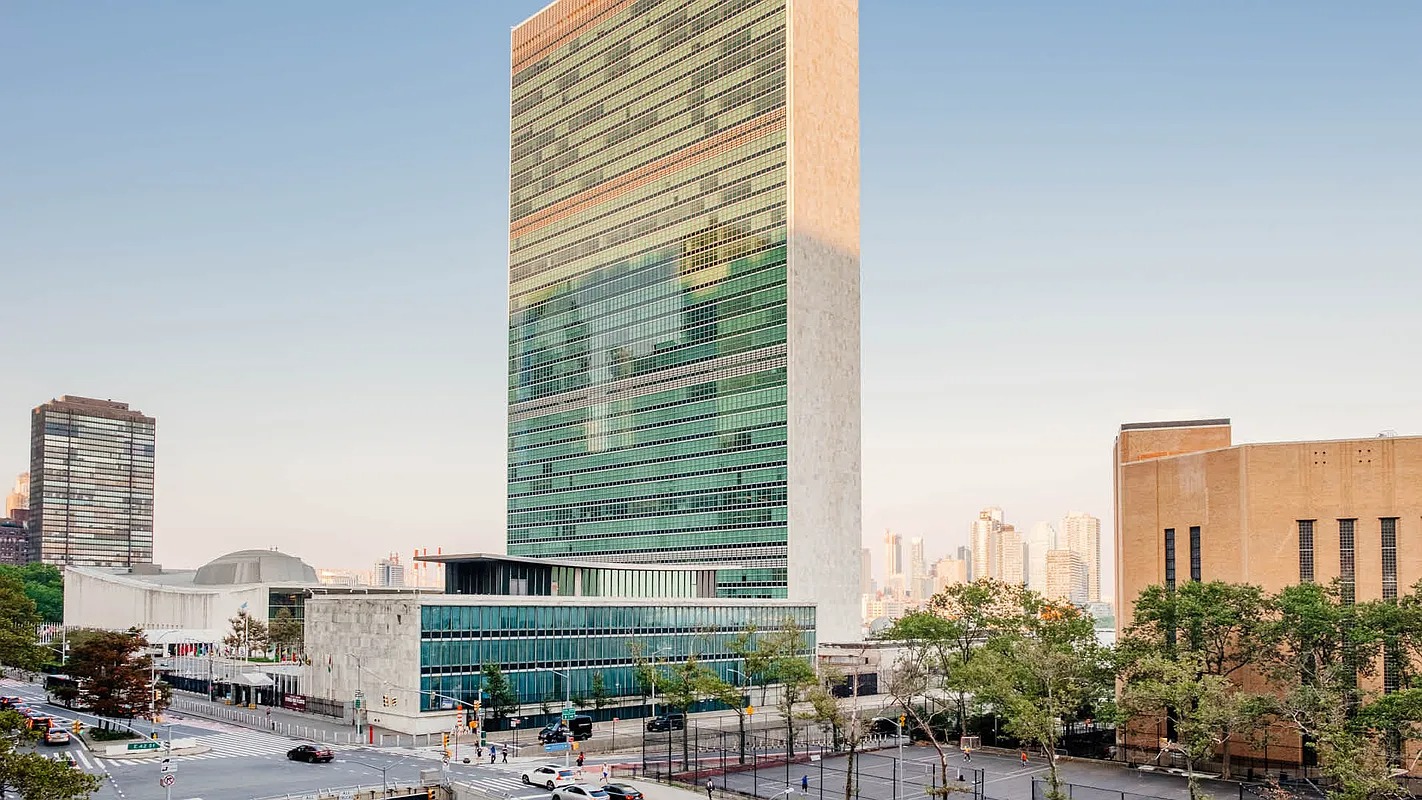
751 2 Avenue
Murray Hill

71 Broadway
Financial District

300 East 34 Street
Kips Bay

155 East 29 Street
Kips Bay

301 East 47 Street
Turtle Bay

401 2 Avenue
Kips Bay

279 East 44 Street
Turtle Bay

37 Wall Street
Financial District

67 Wall Street
Financial District

330 West 56 Street
Hell's Kitchen

561 10 Avenue
Hell's Kitchen
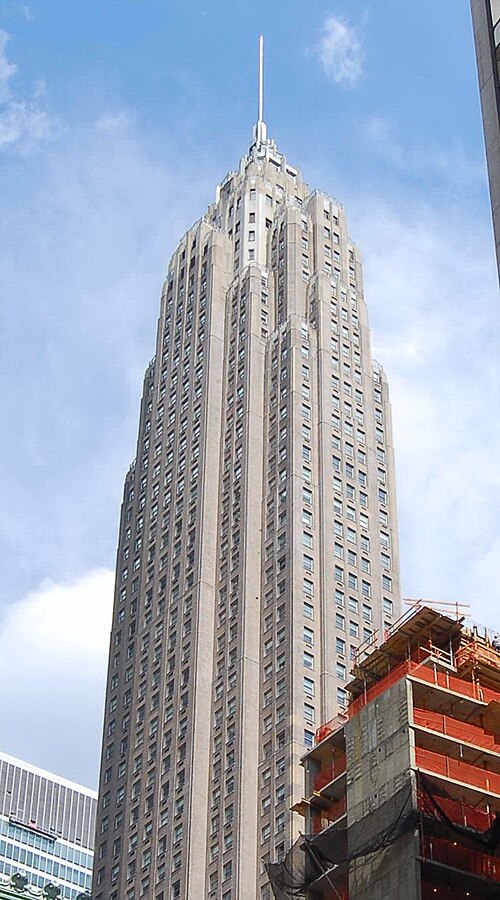
70 Pine Street
Financial District

111 Worth Street
Tribeca

424 West 42 Street
Hell's Kitchen

248 West 64 Street
All Upper West Side

205 W 103 St
All Upper West Side

326 East 100 Street
East Harlem

509 Cathedral Parkway
Morningside Heights
What to check before choosing a building with low rent increases in Manhattan
- Start with the 3,853+ buildings list, then narrow by what you need (availability, building basics, and any restrictions you care about).
- Before touring, confirm the lease terms in writing: renewal terms, rent-change history where available, and whether any benefits or protections apply to your specific unit.
- Ask how rent increases are calculated in practice (timing, notices, and what triggers an increase) and whether staff can provide a unit-specific expectation.
- Check practical costs beyond rent: broker fee rules, security deposit, and any typical move-in or recurring charges tied to the lease.
- Use tenant Q&A and reviews to identify process issues (response times, maintenance follow-through, and how the building communicates notices).
- Treat any “low increase” signal as a starting point and verify directly with management for the unit you’re considering. Policies and unit circumstances can differ.